

Choosing the right fruit trees for Alaska involves selecting hardy varieties that can withstand cold climates. Varieties such as apple, cherry, and plum trees thrive in these conditions, providing both beauty and bounty.
Alaska USDA Hardiness Zones for Fruit Trees
Understanding the USDA hardiness zones in Alaska is crucial for selecting the right fruit trees suited to the region’s unique climate. These zones provide valuable insights into temperature extremes and growing conditions, helping gardeners choose hardy varieties that can thrive despite the cold. This section will detail the specific hardiness zones across Alaska and their implications for fruit tree cultivation.
Alaska’s climate varies significantly, impacting which fruit trees can grow successfully. The state is primarily divided into USDA hardiness zones 1 through 5. Understanding these zones is crucial for selecting the right varieties.
Zone 1: Extremely cold, with temperatures dropping below -50°F.
Zone 2: Cold, with temperatures ranging from -40°F to -50°F.
Zone 3: Cold but slightly milder, with temperatures from -30°F to -40°F.
Zone 4: Temperatures can drop to -20°F to -30°F.
Zone 5: Milder climate, with temperatures between -10°F to -20°F.
Selecting trees suited to your specific zone ensures better survival and fruit production.
Best Fruit Trees for Alaska’s Climate
Alaska’s unique climate presents challenges for growing fruit trees, but several hardy varieties thrive in these conditions. Selecting the right trees can lead to successful harvests even in colder regions. This section explores the best fruit trees suited for Alaska, highlighting their resilience and adaptability to the state’s harsh weather.
Certain fruit trees are better suited for Alaska’s harsh conditions. Here are some of the top choices:
Recommended Products

Live Fruit-Bearing Apple Tree – Produces extra-large, red-blushed apples with a mildly sweet, tart flavor and tender flesh, perfect for baking, applesauce, and cider-making
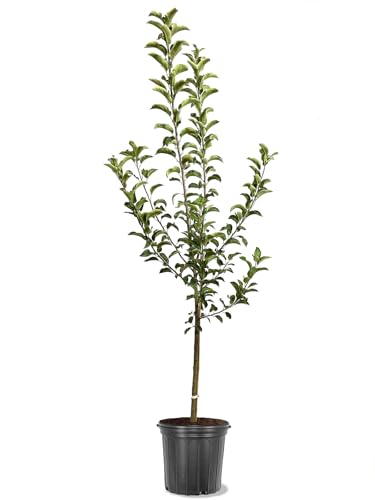
Crisp, Sweet Apples: Produces large, juicy apples with a perfect balance of sweetness and tartness, ideal for fresh eating and baking.

Due to agricultural laws, we are unable to ship to CA, AZ, AK, or HI - orders will be cancelled if you ship to one of these states
Cold-Hardy Apple Varieties for Alaska
Alaska’s unique climate presents challenges for fruit cultivation, particularly for apple trees. However, several cold-hardy apple varieties thrive in these conditions, offering the potential for successful fruit production. This section explores the best options for Alaskan gardeners seeking to grow apples despite the harsh winters.
Apple trees are among the most popular and versatile options for Alaskan gardens. Varieties like Honeycrisp and Haralson are known for their cold hardiness. They require full sun and well-drained soil.
| Variety | Chill Hours | Harvest Time |
|---|---|---|
| Honeycrisp | 800 | Late September |
| Haralson | 800 | Early October |
Alaska’s Best Sour Cherry Varieties
Alaska’s unique climate presents challenges for fruit cultivation, but certain sour cherry varieties thrive even in the cold. These hardy options not only withstand low temperatures but also produce flavorful fruit, making them ideal for home gardeners in the region. Discover the best sour cherry varieties suited for Alaska’s distinct growing conditions.
Cherry trees can also thrive in Alaska, especially sour varieties. Montmorency cherries are particularly well-adapted and produce tart fruits ideal for pies and preserves. They prefer full sun and moderate watering.
| Variety | Chill Hours | Harvest Time |
|---|---|---|
| Montmorency | 700 | Late July |
Cold-Hardy Plum Varieties for Alaska
Alaska’s unique climate presents challenges for fruit cultivation, but certain plum varieties thrive even in colder conditions. Cold-hardy plums not only withstand low temperatures but also produce delicious fruit, making them an excellent choice for Alaskan gardeners. This section explores the best plum varieties suited for Alaska’s harsh environment, ensuring a fruitful harvest despite the chill.
Plum trees like Toka and Superior are also excellent choices. They are cold-hardy and produce sweet fruits. These trees require well-drained soil and benefit from cross-pollination for better yields.
| Variety | Chill Hours | Harvest Time |
|---|---|---|
| Toka | 500 | Early August |
| Superior | 500 | Late August |
Preparing Soil for Alaska’s Fruit Trees
Preparing the soil is a crucial step for successfully growing fruit trees in Alaska’s challenging climate. The right soil conditions can enhance drainage, nutrient availability, and overall tree health, ensuring that hardy varieties thrive despite the cold. This section will outline effective techniques to amend and prepare soil specifically for fruit trees suited to Alaska’s unique environment.
Proper preparation is essential for successful growth. Follow these steps to ensure your fruit trees thrive.
Choose a Location: Select a site with full sun exposure and good drainage.
Test Soil: Conduct a soil test to determine pH and nutrient levels.
Amend Soil: Add organic matter or fertilizers as needed based on soil test results.
Dig Holes: Prepare holes that are twice as wide as the root ball but no deeper than the root system.
Frost Risk in Low-Lying Areas
In Alaska’s unique climate, frost risk poses significant challenges for fruit tree cultivation, particularly in low-lying areas where cold air settles. Understanding these risks is crucial for selecting the right hardy varieties and ensuring successful growth. This section delves into the specific frost conditions that affect fruit trees in these vulnerable regions.
Avoid planting in low-lying areas where frost can settle.
Fruit Tree Maintenance in Cold Climates
Maintaining fruit trees in cold climates like Alaska requires specific strategies to ensure their health and productivity. Understanding the unique challenges posed by harsh winters and short growing seasons is essential for successful cultivation. This section explores effective maintenance practices tailored for hardy fruit tree varieties that thrive in these conditions.
Ongoing care is vital for your fruit trees to flourish. Focus on the following aspects:
Watering: Ensure consistent moisture, especially during dry spells.
Pruning: Regularly prune to remove dead or diseased branches and encourage healthy growth.
Fertilizing: Use a balanced fertilizer in early spring to promote growth.
Pest Management: Monitor for pests and diseases, applying organic treatments as necessary.
Recommended Products

Let our professionally formulated plant food help your fruit tree grow healthy, strong AND abundantly producing
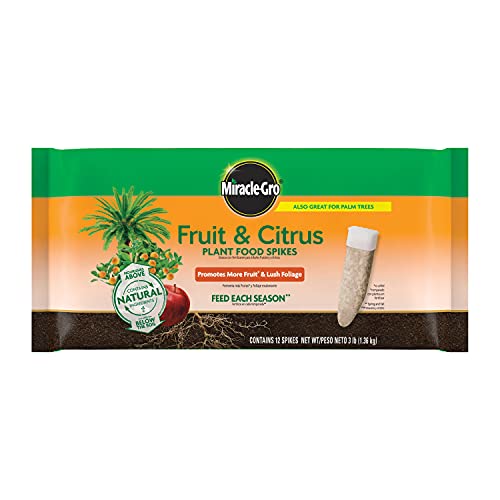
FORMULATED FOR CITRUS AND FRUIT TREES: Use these citrus fertilizer spikes on apple, orange, lemon, lime, and avocado trees; this formula is also great for feeding palm trees

Product Quantity: 180+ premium bonsai fruit seeds across 5 varieties; Individual packs contain 40+ apple, 40+ lemon, 40+ orange, 20+ blueberry, and 40+ cherry seeds; Perfect for starting a diverse miniature orchard
Essential Care for Alaska’s Fruit Trees
Caring for fruit trees in Alaska’s challenging climate requires specialized attention to ensure their health and productivity. With the right techniques and understanding of local conditions, gardeners can successfully nurture hardy varieties that thrive despite the cold. This section outlines essential care practices tailored for Alaska’s unique environment, helping you cultivate a fruitful orchard.
Regular maintenance is crucial for fruit production and tree health.
Harvesting Techniques for Alaska’s Fruit Trees
Harvesting fruit from trees in Alaska presents unique challenges due to the region’s cold climate. Understanding the best techniques for picking and handling fruit can significantly impact yield and quality. This section explores effective methods tailored to the specific needs of hardy fruit varieties thriving in Alaskan conditions.
Once your fruit trees start producing, harvesting becomes the highlight of the gardening season. Timing is key; fruits should be picked when they are ripe for optimal flavor.
Apples: Harvest when they easily detach from the tree.
Cherries: Pick when they are fully colored and firm.
Plums: Harvest when they yield slightly to pressure.
Enjoy your homegrown fruits fresh or use them in various recipes.
Alaska’s Best Fruit Tree Varieties
Alaska’s unique climate presents challenges for fruit cultivation, yet certain hardy varieties thrive even in the cold. This section explores the best fruit tree options suited for Alaskan conditions, highlighting their resilience and adaptability. Discover the varieties that can flourish in your garden, bringing the joy of homegrown fruit to the northern landscape.
This table summarizes key details about the best fruit trees for Alaska.
| Fruit Type | Best Varieties | Chill Hours | Harvest Time | Pollination Needs |
|---|---|---|---|---|
| Apple | Honeycrisp, Haralson | 800 | Late Sept – Early Oct | Self-pollinating |
| Cherry | Montmorency | 700 | Late July | Requires cross-pollination |
| Plum | Toka, Superior | 500 | Early – Late August | Requires cross-pollination |
Selecting the right fruit trees can lead to a fruitful harvest even in Alaska’s challenging climate.
Recommended Products

4 FRUIT VARIETIES – 100 SEEDS TOTAL: Includes 30 Apple Seeds, 30 Lemon Seeds, 30 Cherry Seeds, and 10 Banana Seeds, individually separated by variety for an exciting fruit-growing collection.

BONSAI FRUITS: Its fun to grow your own bonsai, start will a well rooted 1 year old seedling.

Multi-Variety Seeds: Contains lemon, apple, blueberry, orange, and cherry seeds, totaling over 150 seeds.
