

Have you ever wondered when your lime tree will finally reward you with those tangy fruits? If you’ve planted one in your garden or are thinking about it, knowing the fruiting timeline can help you plan your care routine.
Key Takeaways
- Lime trees typically start producing fruit within three to five years after planting, depending on care and environmental conditions.
- They thrive in warm climates with ideal temperatures between 70°F to 100°F (21°C to 38°C) and require at least six to eight hours of direct sunlight daily for optimal fruiting.
- Proper care practices, including consistent watering, balanced fertilization, and annual pruning, significantly enhance fruit production.
- Lime trees rely on pollination, primarily by bees, which must occur for flowers to develop into fruits; planting nearby flowering plants can attract pollinators.
- Different lime tree species, such as Mexican, Persian, and Kaffir limes, have varying fruiting timelines and requirements, impacting overall yield.
- Soil quality is crucial; lime trees prefer well-drained soil with a pH between 6.0 and 8.0 to prevent root rot and support healthy fruit development.
Overview Of Lime Trees
Lime trees thrive in warm climates, often found in tropical and subtropical regions. These trees prefer well-drained soil and require at least six to eight hours of direct sunlight daily. Lime trees come in various types, including Mexican lime and Persian lime, which differ slightly in size, flavor, and growth habits.
You can expect a lime tree to start producing fruit typically within three to five years after planting. However, factors such as tree health, care practices, and environmental conditions impact this timeline. Regular watering, adequate fertilization, and proper pruning enhance your lime tree’s productivity.
During the growing season, lime trees exhibit beautiful white flowers that attract pollinators, especially bees. These flowers eventually develop into fruit, changing from green to yellowish-green as they ripen. Optimal conditions lead to a bountiful harvest, while stress from pests, diseases, or poor soil quality can hinder fruit development.
To encourage fruit production, maintain consistent watering, and avoid overwatering. Regularly check for pests or diseases, and apply organic treatments when necessary. Fertilizing with a balanced citrus fertilizer in early spring can support healthy growth and fruiting.
Monitoring your lime tree’s growth and adjusting care practices will lead to healthy fruit production. With patience and proper attention, your lime tree can produce a plentiful harvest.
Lifecycle Of Lime Trees
Lime trees have a well-defined lifecycle that involves several stages from planting to fruiting. Understanding these stages helps in caring for your tree effectively.
Pollination Process
Lime trees rely on pollination to produce fruit. Flowers bloom in spring, emitting a sweet fragrance that attracts pollinators like bees. Pollination occurs when pollen moves from the male parts of a flower to the female parts. This process may take place through wind or insects, ensuring the flowers develop into fruits. Keeping the tree in a pollinator-friendly environment boosts fruit yield significantly.
Fruit Development Stages
After successful pollination, fruits begin their development journey. This process unfolds in three main stages:
- Set Stage: Shortly after pollination, small fruitlets form. This initial stage can last for a few weeks.
- Fruit Growth Stage: As the fruitlets grow, they swell and begin turning green, accumulating essential nutrients. This stage lasts around 4 to 6 weeks.
- Ripening Stage: The final stage involves the fruit changing color from green to yellow. This stage can take an additional 2 to 4 weeks, depending on the variety and environmental conditions.
Ensuring consistent care during these stages—like proper watering and fertilization—can improve the quality and quantity of your lime harvest.
Factors Influencing Fruit Production
Several factors affect when lime trees produce fruit. Understanding these can help you optimize your care for a healthy harvest.
Recommended Products

Kindly NOTE: This soil tester can not be applied to test pH value of any other liquid. If the soil is too dry the indicator will not move, and water it before testing.

✅ 1Dial & 1 LCD Screen - Replace/install all 3 batteries each time. Put button to %RH/°F to - Turn On, and put to LIGHT to - Turn Off. Read the LCD results in 3-5 mins. (Not Water Moisture Meter, so, please don't test liquid)

【7-in-1 Features】This is a 7-in-1 multi-function soil tester. Our soil tester quickly measures soil moisture, pH, temperature and light intensity, and its fertility function helps you take better care of your plants. With this device you can measure the soil moisture, pH, temperature and light intensity for your plants and with the EC and TDS functions you will know when it is time to water the soil.
Climate Conditions
Lime trees thrive in warm climates. Ideal temperatures range from 70°F to 100°F (21°C to 38°C). You won’t see much fruit if temperatures drop below 50°F (10°C). Consistent warmth encourages flowering and fruit set. Ensure your lime tree receives plenty of sunlight, at least six to eight hours daily. Regions with mild winters and warm summers provide the best conditions for fruit production.
Soil Requirements
Soil quality significantly impacts lime tree fruiting. Lime trees prefer well-drained soil with a pH between 6.0 and 8.0. Poor drainage can lead to root rot, hindering fruit development. For optimal growth, mix organic matter like compost into the soil. This enhances aeration and nutrient availability. Regularly checking soil moisture also helps. Aim for slightly dry soil between waterings to promote strong root systems and healthier fruits.
When Do Lime Trees Fruit?
Lime trees typically begin to bear fruit within three to five years after planting. Their fruiting timeline varies based on species, care, and climate.
Recommended Products

Made for Lime & Citrus Trees – Formulated to support healthy growth in lime and citrus trees.

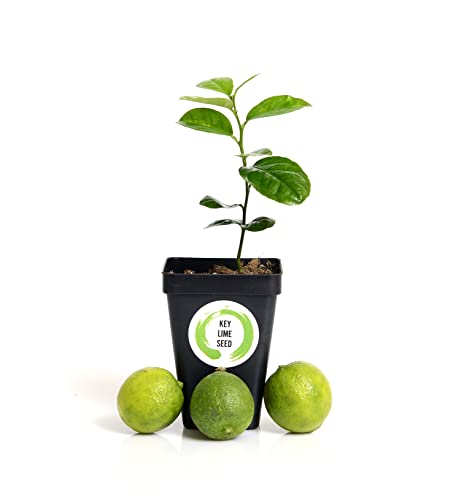
LIME BONSAI TREE SEEDS: 30 Lime Tree Seeds. Grow as Bonsai or for food.
Typical Fruiting Seasons
Lime trees generally produce fruit during specific seasons. In warm climates, fruiting occurs year-round, but prime seasons often align with spring and summer months. For instance, in regions such as Florida, Mexican limes frequently bear fruit from late spring to early fall. Conversely, Persian limes tend to yield fruit mainly in summer. Monitoring your tree’s growth patterns helps identify its specific fruiting schedule.
Variations By Species
Different lime tree species produce fruit at varying rates:
- Mexican Lime: Fruits within 3-4 years. Thrives in warmer conditions.
- Persian Lime: Starts fruiting in 4-5 years. Prefers well-drained soil and adequate sunlight.
- Kaffir Lime: Bears fruit in about 4-6 years. Fruits are small and highly aromatic.
Understanding these variations aids in setting realistic expectations for your lime tree’s performance.
Care Tips For Fruit Production
Lime trees thrive with the right care. Focus on the following tips to enhance fruit production.
Recommended Products

COMPLETE 3-IN-1 CITRUS NUTRITION KIT - Everything Your Trees Need Professional-grade fertilizer system includes slow-release NPK granules (6-month supply), liquid micronutrient concentrate (makes 32oz), and calcium supplement (makes 32oz). Specially formulated for lemon, orange, lime, grapefruit, and all citrus varieties in containers and pots.

🍋 EXPLOSIVE HARVEST: GardenWise ignites a remarkable yield boost. Its scientific blend, featuring 6% nitrogen for growth, 4% phosphorus for flowering, and 6% potassium for fruit quality, culminates in an abundance of flavorful, aromatic fruits. This is more than growth; it's a nutrient-powered revolution in your citrus yield.

🍋 CITRUS-TAILORED FORMULA: Crafted exclusively for indoor citrus trees, our 3-1-2 Liquid Fertilizer Concentrate presents the ideal blend of nitrogen, phosphorus, and potassium. This ensures your vibrant citrus trees get the precise nutrients they demand.
Watering
- Provide regular watering, especially during dry spells.
- Aim for moisture in the top inch of the soil.
- Use drip irrigation or soaker hoses to maintain consistent hydration.
Fertilization
- Apply a balanced fertilizer three times a year, in early spring, mid-summer, and late summer.
- Use a fertilizer with an N-P-K ratio of 3-1-1 for best results.
- Mix the fertilizer into the soil and water afterward to encourage absorption.
Pruning
- Prune your lime tree annually in late winter before new growth begins.
- Remove dead, damaged, or crowded branches to improve air circulation.
- Thin out excessive growth to allow sunlight to reach the inner branches.
Pest Control
- Monitor your tree for pests like aphids and spider mites.
- Use insecticidal soap or neem oil for effective treatment.
- Keep foliage clean to reduce pest attraction.
Pollination
- Plant flowers nearby to attract pollinators such as bees.
- Hand-pollinate flowers if natural pollinators are scarce. Use a soft brush to transfer pollen between blossoms.
Sunlight
- Position your lime tree in an area that receives six to eight hours of direct sunlight daily.
- Avoid shaded spots, which can hinder fruit production.
Soil Quality
- Test your soil’s pH regularly. Aim for a pH level between 6.0 and 8.0.
- Amend soil with organic compost to improve drainage and nutrient content.
- Protect your tree from extreme temperatures. Lime trees prefer temperatures between 70°F and 100°F (21°C to 38°C).
- Use frost cloths in colder months to shield fragile new growth.
Following these care tips ensures that your lime tree can thrive and produce a bountiful harvest. Consistency and attentiveness play key roles in maximizing fruit yield.
Conclusion
Getting your lime tree to fruit can be an exciting journey. With the right care and attention you can enjoy a fruitful harvest in just a few years. Remember that patience is key as you nurture your tree through its growth stages.
Keep an eye on the health of your tree and adjust your care practices as needed. By providing the right environment and proper maintenance you’ll be well on your way to enjoying the fresh taste of homegrown limes. So roll up your sleeves and get ready for a rewarding experience in your garden. Happy gardening!
Frequently Asked Questions
When do lime trees start producing fruit?
Lime trees typically begin to produce fruit within three to five years after planting. However, growth factors such as tree health, care practices, and environmental conditions can influence this timeline.
What conditions do lime trees need to thrive?
Lime trees thrive in warm climates with temperatures between 70°F and 100°F (21°C to 38°C). They prefer well-drained soil with a pH between 6.0 and 8.0 and require at least six to eight hours of direct sunlight daily.
What types of lime trees are there?
The most common types of lime trees include Mexican limes, Persian limes, and Kaffir limes. Each type varies in size, flavor, and fruiting timelines. Mexican limes generally fruit in 3-4 years, while Persian limes take about 4-5 years.
How can I enhance lime tree fruit production?
To enhance lime tree fruit production, ensure regular watering, apply balanced fertilizer three times a year, and perform annual pruning for better air circulation. Also, monitor for pests and plant flowers nearby to attract pollinators.
What are the stages of lime fruit development?
The stages of lime fruit development include:
- Set Stage – Small fruitlets form.
- Fruit Growth Stage – Fruitlets swell and turn green.
- Ripening Stage – Fruit changes color from green to yellow. Consistent care is essential during all stages.
How can I care for lime trees effectively?
Effective care for lime trees includes regular watering, fertilization, and pruning. It’s also important to perform soil tests, manage pests, and protect the tree from extreme temperatures to ensure healthy growth and fruiting.
When is the fruiting season for lime trees?
Fruiting seasons for lime trees vary by type and climate. In warm areas, fruiting can occur year-round, with peak seasons usually in spring and summer. Mexican limes often fruit from late spring to early fall, while Persian limes primarily yield in summer.
