

Have you ever wondered how to protect your fruit trees from pests and harsh weather? If you’ve invested time and effort into growing your own delicious fruits, you want to make sure they thrive. Choosing the right paint for your trees can make a big difference in their health and productivity.
In this article, you’ll discover the best types of paint to use on fruit trees and why they matter. You’ll learn how proper painting techniques can shield your trees from sunburn, pests, and diseases. By the end, you’ll feel confident about giving your fruit trees the care they deserve, ensuring a bountiful harvest for years to come.
Key Takeaways
- Purpose of Paint: Using paint on fruit trees protects against pests, sunburn, and environmental stressors, enhancing overall health and productivity.
- Paint Types: Opt for organic or non-toxic paints, such as water-based latex or horticultural paint, to ensure effective protection without harmful chemicals.
- Application Techniques: Follow best practices by cleaning bark, applying thin layers, and focusing on key areas like the trunk and large branches for maximum protection.
- Timing and Weather: Paint your trees in late winter or early spring under dry, mild conditions to optimize adherence and effectiveness.
- Regular Inspections: Conduct monthly checks for peeling or damage to maintain protective layers and ensure the ongoing health of your fruit trees.
Understanding The Need For Paint On Fruit Trees
Using paint on fruit trees serves specific purposes that contribute to their overall health and productivity. Proper application protects against pests and weather extremes, enhancing the trees’ vitality.
Protecting Against Pests
Paint acts as a barrier against pests. Insects such as borers and aphids can harm young trees. White latex paint reflects sunlight and makes trees less appealing to certain pests. Consider using a mixture of one part white paint and three parts water to create a protective coat. This solution provides an additional layer that deters unwanted intruders, ensuring your fruit trees thrive.
Preventing Sunburn and Damage
Fruit trees, especially young ones, are vulnerable to sunburn. Exposed bark can crack due to extreme heat and sunlight. This condition allows disease and pests to enter. Applying a thin layer of paint helps shield the bark from harsh rays. Use a light-colored, non-toxic paint for best results. Aim to cover the lower trunk and main branches to create protection. This practice greatly reduces the risk of sunscald, promoting healthier growth and fruit production.
Types Of Paint Suitable For Fruit Trees
Choosing the right paint for your fruit trees enhances their protection and promotes healthy growth. Below are options to consider for your fruit tree care.
Recommended Products
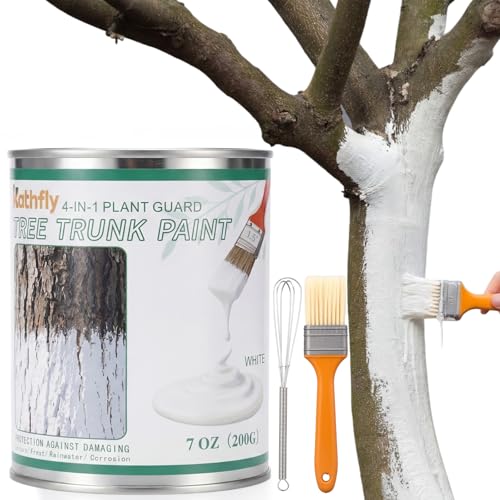
Easy to Use: simply pour the tree whitewash into the tin, add water to blend and stir (1: 1 ratio with water and powder, can add water according to the thickness you need), and brush smoothly to the tree trunk, ensure a simple care

The product is highly durable

MIX ONLY WHAT YOU NEED: Unlike premixed liquid paints that can skin over, dry out, or harden after opening, Garden Organix tree paint stays dry until you’re ready to use it. Mix only what you need, store the rest for later, and just mix more when you’re ready to paint again.
Organic Paint Options
Organic paints contain natural ingredients, making them a safe choice for your fruit trees. Look for paints that use substances like plant resins, vegetable oils, and natural pigments. These organic formulations provide adequate protection without introducing harmful chemicals. For example, you might find products labeled as “organic horticultural paint,” effective in shielding trees from pests and temperature changes. Always check for certifications that confirm an organic standard.
Non-Toxic Paint Choices
Non-toxic paints minimize risks for both trees and the surrounding environment. Opt for water-based latex paints, as they usually have low levels of volatile organic compounds (VOCs). A common mixture is one part white latex paint and three parts water, which serves as a reflective barrier. This paint mix not only reduces heat stress but also helps in deterring pests like aphids and borers. Brands like Behr and Benjamin Moore offer suitable non-toxic options specifically designed for this purpose. Ensure any selected paint is labeled as suitable for outdoor use and safe for plants.
Taking these steps helps create a protective layer for your fruit trees, ultimately promoting healthier growth and increased fruit yield.
Application Techniques For Fruit Tree Paint
Applying paint to fruit trees requires careful techniques to maximize protection and ensure the health of your trees. Here’s how to do it effectively.
Recommended Products

PROTECTS PRUNED LIMBS: Tree & Shrub Pruning Seal Spray forms a waterproof protective seal over cuts and damaged areas to help guard trees and shrubs from insects and disease

Safeguard Against Diseases - Shield your shrubs, bushes, vines, and trees from decay, insects, and nasties with our powerful tree pruning sealer spray. Treekote Tree Wound Dressing stops the spread of Oak Wilt and other diseases, providing protection for your beloved plants

APHID KILLER FOR GARDENS: This plant disease and bug control concentrate kills eggs, as well as larval and adult stages of insects; provides control of insect pests including aphids, mealybugs, mites, scales, whiteflies, beetles, and other listed pests
Best Practices For Painting
- Clean the Bark: Start by removing debris, dirt, and old paint from the bark. Use a soft brush or cloth to ensure a smooth surface. Clean bark adheres better to paint and allows for effective protection.
- Use a Sprayer or Brush: Apply the paint evenly using a paint sprayer or a brush. If using a sprayer, adjust the nozzle for fine misting. For brushes, use a large, flat brush to cover more area quickly.
- Aim for Thin Layers: Apply thin, even coats of paint to avoid clumping and peeling. Thin layers dry faster and allow the tree to breathe, reducing the risk of bark damage.
- Focus on Key Areas: Pay special attention to the trunk and large branches. These areas need the most protection from heat and pests. Don’t forget to cover any scars or cuts on the bark.
- Choose the Right Season: Paint fruit trees in late winter or early spring before buds emerge. This timing helps protect the bark from extreme temperatures and sun exposure.
- Check the Weather Forecast: Avoid painting on windy or rainy days. Ideal conditions include temperatures above 50°F and dry weather for at least 24 hours after application.
- Watch for Sunlight: Paint during the cooler parts of the day, such as early morning or late afternoon. This reduces the risk of paint drying too quickly or becoming too hot.
- Monthly Inspections: After painting, inspect your trees monthly for any signs of peeling or damage. Touch up areas as necessary to maintain protection.
These techniques help ensure your fruit trees receive the necessary protection while letting them thrive in a safe environment.
Benefits Of Using Paint On Fruit Trees
Using paint on fruit trees offers several significant benefits that enhance their overall health and longevity. Proper application serves as a protective barrier against environmental stressors, pests, and diseases.
Recommended Products
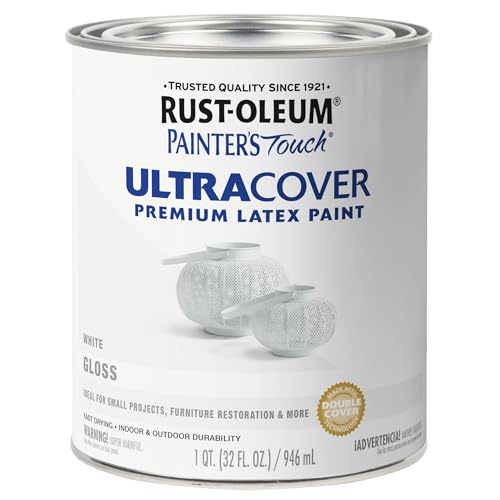
Use for a variety of indoor and outdoor project surfaces including wood, metal, plaster, masonry or unglazed ceramic

Use for a variety of indoor and outdoor project surfaces including wood, metal, plaster, masonry or unglazed ceramic

Use for a variety of indoor and outdoor project surfaces including wood, metal, plaster, masonry or unglazed ceramic
Enhancing Tree Health
Paint reflects sunlight, which helps prevent heat stress. Young trees are particularly vulnerable to sunburn; applying a light-colored paint mixture creates a shield for their bark. This protection not only reduces the risk of sunscald but also supports healthier growth and development by maintaining optimal bark temperatures. For example, applying a diluted mixture of one part white latex paint to three parts water proves effective for promoting tree vitality.
Long-Term Protection Factors
Paint provides long-lasting protection against various threats. It deters pests like borers and aphids, which can compromise tree health. Regular inspections reveal any peeling or wear in the paint, allowing you to reapply as necessary. Choosing non-toxic, water-based, and organic paints minimizes the risk of harmful chemical exposure while ensuring effective pest control. Brands with low volatile organic compounds (VOCs) are preferable, as they create safe environments for both trees and surrounding ecosystems.
Implementing these protective measures can lead to resilient, productive fruit trees, ensuring you enjoy abundant harvests year after year.
Conclusion
Taking care of your fruit trees is essential for a bountiful harvest. By using the right paint you can protect them from pests and the harsh elements. Remember to choose non-toxic and organic options that are gentle on the environment while still providing effective barriers against heat and insects.
Applying the paint with care ensures your trees stay healthy and thrive. Regular inspections will help you maintain that protective layer and keep your trees in top shape. With these tips in hand you’re well on your way to enjoying a fruitful season. Happy gardening!
Frequently Asked Questions
What paint is best for fruit trees?
Organic and non-toxic water-based latex paints are ideal for fruit trees. They typically contain low levels of volatile organic compounds (VOCs) and help reflect sunlight while deterring pests. Brands like Behr and Benjamin Moore offer suitable options.
How does paint protect fruit trees?
Paint serves as a barrier against pests like borers and aphids while reflecting sunlight to prevent sunburn, especially on young trees. It also reduces the risk of sunscald from extreme heat, promoting overall tree health.
How do you apply paint to fruit trees?
To apply paint, clean the bark for better adhesion. Use a sprayer or brush to apply a thin, even layer, focusing on the trunk and large branches. Choose a cooler time of day for application and check the weather to ensure optimal conditions.
Can I make my own protective paint for trees?
Yes, you can create a protective paint mix by combining one part white latex paint with three parts water. This mixture effectively reflects sunlight and provides a protective barrier against pests.
How often should I inspect painted fruit trees?
It’s recommended to inspect painted fruit trees monthly to ensure the protective layer remains effective. Regular checks will help you maintain protection against environmental stressors, pests, and diseases.
