

Wondering when to prune your fruit trees for the best results? You’re not alone. Many gardeners face the challenge of timing their pruning to ensure healthy growth and abundant fruit.
Key Takeaways
- Timing is Crucial: Prune deciduous trees between January and March, while stone fruit trees should be pruned from late February to early April for optimal growth and fruit production.
- Different Techniques for Different Seasons: Winter pruning focuses on encouraging spring growth, whereas summer pruning helps control tree size and improve sunlight exposure.
- Pruning Methods: Employ thinning cuts to open up the tree and promote airflow, and heading cuts to encourage a bushier growth habit.
- Tools Matter: Use the right tools—hand pruners for small branches, loppers for medium-sized limbs, and pruning saws for larger branches—to achieve clean cuts and minimize tree stress.
- Maintenance Post-Pruning: Ensure trees are watered adequately and mulched after pruning to retain moisture and suppress weeds, while monitoring for new growth and signs of disease.
- Factors Influencing Pruning: Recognize that tree variety and local climate conditions significantly influence the ideal timing for pruning fruit trees, affecting overall health and yield.
Understanding Fruit Tree Pruning
Pruning fruit trees significantly impacts their health and productivity. Proper timing encourages strong growth and abundant fruiting.
Recommended Products

✂Multifunctional -2 in 1 Garden Grafting Tools-Professional grafting set allows you to pruning and grafting at the same time, saving more time and effort than traditional grafting methods, easy to use and more efficient. It allows you to trim away excess leaves and twigs and prepare the plants to be grafted. At the same time, you can make a precise cut into the grafting stock with the special grafting blade.

★ 1. What you get: Professional convenient grafting tool set including a dual-use grafting pruner tool contain 2 extra replaceable blades, a wrench and a screwdriver, along with 36pcs wide rubber bands, 150 thick rubber bands and 1 grafting tape, packed in a black wallet to meet all your needs

Types of Pruning
- Winter Pruning:
- Focus: Encourages vigorous growth in spring.
- Timing: Conduct in late winter, just before buds swell.
- Benefits: Reduces tree size and shapes canopy while minimizing disease spread.
- Summer Pruning:
- Focus: Maintains tree size and controls excessive growth.
- Timing: Ideal from late spring to early summer.
- Benefits: Allows for better sunlight penetration and air circulation.
Ideal Pruning Months
- Deciduous Trees: Prune during January to March for the best results.
- Stone Fruit Trees: Focus on pruning in late winter or early spring to avoid frost damage.
Pruning Techniques
- Thinning Cuts:
- Purpose: Remove branches to open up the tree.
- What to Do: Cut off branches at their point of origin.
- Heading Cuts:
- Purpose: Control growth and create a bushier appearance.
- What to Do: Trim back the tips of long branches to promote side shoots.
Tools for Success
- Hand Pruners: For small branches.
- Loppers: For medium branches.
- Pruning Saws: For larger limbs.
- Watering: Ensure trees receive adequate moisture after pruning.
- Mulching: Apply mulch around the base to retain moisture and suppress weeds.
- Monitoring: Keep an eye on new growth and any signs of disease.
By understanding these pruning concepts and techniques, you’ll create healthier fruit trees and enjoy larger harvests.
Benefits Of Pruning Fruit Trees
Pruning fruit trees offers numerous advantages that contribute to their growth and productivity.
Improved Fruit Quality
Pruning enhances the quality of fruits you harvest. By removing unnecessary branches and crowded foliage, you allow more sunlight to reach the remaining fruits. This increased exposure boosts sugar levels, resulting in sweeter, more flavorful produce. For example, pruning apple trees can improve the size and taste of the apples, making them more appealing for consumption or sale.
Enhanced Tree Health
Pruning significantly boosts the overall health of your fruit trees. It removes dead or diseased branches, preventing the spread of pests and pathogens. By maintaining proper air circulation, you reduce the risk of fungal infections. For instance, thinning out peach trees in spring helps prevent excessive moisture buildup, which can lead to rot. A healthy tree shows vigorous growth and produces more fruit over time. Regular pruning encourages strong branching structures, supporting the tree as it matures.
What Month To Prune Fruit Trees
Pruning fruit trees at the right time ensures healthy growth and maximizes fruit production. Depending on your tree type, specific months are ideal for pruning.
Spring Pruning
Pruning in spring typically occurs from late February to early April. This timing promotes vigorous spring growth. Focus on removing dead or damaged branches, as well as any that cross each other. Properly thinned branches allow sunlight to penetrate, enhancing fruit quality. When spring pruning, assess your tree’s structure. Aim for an open center to improve air circulation, which helps reduce disease risks. Use clean, sharp tools for precise cuts.
Winter Pruning
Winter pruning takes place from December to late February before new growth starts. This period encourages strong growth by minimizing stress on the tree. Remove weak and crossing branches to shape the tree. Use heading cuts to promote bushier growth in young trees. Always ensure cuts are angled correctly to prevent water pooling, which can lead to rot. Winter pruning also helps identify any pest or disease problems while trees are dormant. For larger trees, consider using a ladder safely and ensure good footing.
Factors Influencing Pruning Timing
Pruning timing varies based on several factors that influence the best moment to trim your fruit trees. Understanding these factors helps you achieve optimal growth and fruit production.
Recommended Products

LONG-LASTING SHARPNESS: Japanese SK5 bypass blade with titanium coating is tested through 5,000 cuts to maintain a sharp edge and deliver clean, consistent cuts on live stems and branches
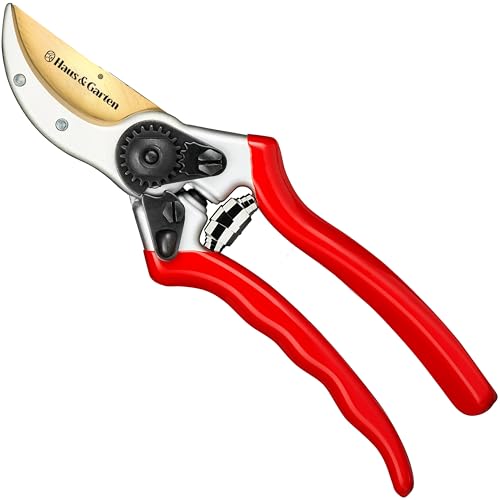
Sharp, Clean Cuts Every Time – Engineered from Japanese grade, high-carbon steel, ClassicPRO bypass pruning shears for gardening stay sharp and make precise cuts that encourage healthy growth and won’t damage your plants

· ULTRA-SHARP SK5 STAINLESS STEEL - Engineered with premium SK5 stainless steel, these heavy duty pruning shears deliver razor-sharp precision and maximum hardness. The rust-resistant blades are designed to stay sharp longer, effortlessly resisting corrosion and sap buildup for smooth, friction-free garden shears performance year after year.
Tree Variety
Different fruit tree varieties have specific pruning requirements.
- Deciduous Trees: These trees, like apple and pear, benefit from winter pruning. This timing encourages strong spring growth. Aim to prune between December and late February.
- Stone Fruit Trees: Trees like cherries and peaches call for spring pruning. This helps reduce the risk of diseases. Consider pruning from late February to early April to manage their growth effectively.
- Everbearing Varieties: Some trees, such as figs, thrive with less frequent pruning. Prune lightly in summer to maintain size without overwhelming the tree.
Climate Conditions
Climate plays a crucial role in determining when to prune your trees.
- Cold Climates: In regions with harsh winters, prune during dormant months. This reduces stress on trees and promotes healthy growth.
- Mild Climates: If you live in a warmer area, pruning in late winter or early spring works well. Trees begin to wake up earlier, making this an ideal time for cuts.
- Humidity and Rainfall: In areas with high humidity, prune in dry periods. This minimizes disease risks by ensuring cuts dry quickly.
By considering tree variety and climate, you can determine the perfect time to prune your fruit trees for healthy growth and fruitful yields.
Conclusion
Pruning your fruit trees at the right time can make all the difference in their health and productivity. By following the guidelines for winter and summer pruning you can encourage strong growth and delicious fruit. Remember to consider your specific tree varieties and local climate to determine the best timing for your pruning sessions.
With a little attention and care you’ll be well on your way to enjoying a bountiful harvest. Happy pruning and here’s to thriving fruit trees in your garden!
Frequently Asked Questions
When is the best time to prune fruit trees?
Pruning fruit trees is ideally done in two main seasons. Winter pruning occurs from December to late February, promoting robust growth in spring. Summer pruning is best from late spring to early summer, helping to maintain tree size and improve sunlight access.
What types of pruning are there?
There are two primary types of pruning: thinning cuts and heading cuts. Thinning cuts remove entire branches, while heading cuts shorten branches. Both techniques help shape the tree and promote better air circulation and fruit quality.
How does pruning benefit fruit trees?
Pruning enhances fruit quality by allowing better sunlight exposure, resulting in sweeter fruits. It also improves tree health by removing dead or diseased branches, preventing pest spread, and promoting better airflow, which reduces fungal infections.
Can the pruning schedule vary by fruit type?
Yes, different fruit tree varieties have specific pruning schedules. Deciduous trees like apples should be pruned in winter, while stone fruit trees such as cherries benefit from spring pruning. Always consider the specific needs of your tree type.
What factors influence the timing of pruning?
Several factors can affect pruning timing, including tree variety and climate conditions. Cold climates may require pruning during dormant months, while milder areas allow for early spring pruning. Additionally, humidity and rainfall can impact disease risks during pruning.
