Close Menu
    Fruit Tree Hub
    • Home
    • Apple Trees
    • Lemon Trees
    • Mango Trees
    • Orange Trees
    • More Trees
      • Best Fruit Trees
      • Apricot Trees
      • Cherry Trees
      • Fig Trees
      • Lime Trees
      • Mulberry Trees
      • Peach Trees
      • Pear Trees
      • Plum Trees
      • Pomegranate Trees
    • Tips and Advice
      • Tools
    • About Us
      • Contact
      • Privacy Policy
    Fruit Tree Hub
    Home»Tips and Advice»How to Trim Young Fruit Trees for Healthy Growth and Bountiful Harvests
    Tips and Advice

    How to Trim Young Fruit Trees for Healthy Growth and Bountiful Harvests

    Martha JacksonBy Martha JacksonJanuary 2, 20258 Mins Read
    Share Facebook Twitter Pinterest WhatsApp Email
    Share
    Facebook Twitter LinkedIn Pinterest Telegram Email

    Have you ever wondered how to get the most out of your young fruit trees? Proper trimming is key to healthy growth and bountiful harvests. If you’ve planted a tree and aren’t sure how to shape it or when to start, you’re not alone. Many new gardeners face this challenge.

    Contents show
    1 Key Takeaways
    2 Importance Of Trimming Young Fruit Trees
    3 Tools Needed For Trimming
    3.1 Essential Tools
    4 Techniques For Trimming Young Fruit Trees
    4.1 Pruning Methods
    4.2 Timing For Trimming
    5 Common Mistakes To Avoid
    6 Conclusion
    7 Frequently Asked Questions
    7.1 Why is trimming young fruit trees important?
    7.2 What tools do I need for trimming young fruit trees?
    7.3 When is the best time to trim young fruit trees?
    7.4 What mistakes should I avoid when trimming young fruit trees?
    7.5 Can trimming young fruit trees affect their lifespan?

    This article will guide you through simple techniques to trim your young fruit trees effectively. You’ll learn how to encourage strong branches and improve air circulation, all while keeping your trees looking great. With a little know-how, you can set your trees up for success and enjoy delicious fruits for years to come.

    Key Takeaways

    • Proper trimming of young fruit trees is essential for their overall health, strong structure, and increased fruit production.
    • Use the right tools, such as bypass pruners, loppers, and pruning saws, to ensure clean and effective cuts while maintaining tree health.
    • Familiarize yourself with trimming techniques like head back, thinning cuts, and pinching to promote balanced growth and a robust canopy.
    • Timing is crucial—trim during the dormant season or after a spring growth flush to minimize stress and enhance recovery.
    • Avoid common mistakes, including over-trimming, neglecting tree structure, and using dull tools, to ensure healthy development and fruitful yields.
    • Regular maintenance, safety precautions, and assessments of tree health are key to promoting longevity and productivity in your young fruit trees.

    Importance Of Trimming Young Fruit Trees

    Trimming young fruit trees is crucial for their overall health and productivity. Proper trimming encourages strong structures, which supports fruitful growth. Without trimming, trees can develop weak branches, leading to broken limbs and reduced harvests.

    Trimming helps shape the tree as it grows. By guiding branch development, you promote a balanced canopy. This balance allows sunlight to reach all areas of the tree, enhancing photosynthesis. Healthy photosynthesis results in vigorous growth and higher fruit yields.

    MUST READ
    Can Male Papaya Tree Bear Fruit: Understanding Their Role in Papaya Production

    Improving air circulation is another significant benefit of trimming. When branches are too crowded, moisture can build up, fostering diseases. Regular trimming reduces leaf density and encourages airflow, helping prevent fungal infections and pests.

    Trimming can also extend the lifespan of your fruit trees. Young trees that receive proper care stay healthier, produce more fruit, and live longer. A well-maintained tree may produce quality fruit for decades.

    To summarize, trimming young fruit trees is essential. It supports strong structures, improves air circulation, and promotes better fruit production. These practices lay the groundwork for a thriving orchard.

    Tools Needed For Trimming

    Using the right tools makes trimming young fruit trees easier and more effective. You can achieve precise cuts and maintain the overall health of your trees with the proper equipment.

    Recommended Products

    MorningRo 50 Pcs Fruit Tree Limb Spreaders Plant Tying Machine Puller Branchs Preaders Plum Tree Open Angle Pull Branch Stereotyped Tying Bending Farm Tools, M-3.94(Inch), Galvanized
    MorningRo 50 Pcs Fruit Tree Limb Spreaders Plant Tying Machine Puller Branchs Preaders Plum Tree Open Angle Pull Branch Stereotyped Tying Bending Farm Tools, M-3.94(Inch), Galvanized

    Branch Shaping Tool: 50 pcs 3.94 inch fruit branch pullers are suitable for 0.4 inch branches, can pull down the drooping angle of branches, suitable for orchards with tree spacing of 1-2 meters and tree age of 1-3 years, pruning angle is 110-135 degrees

    VIEW LATEST PRICE

    As an affiliate, we earn on qualifying purchases.

    alblinsy Fruit Tree Branch Puller Tying Machine Farm Tools New Plum Tree Open Angle Pull Branch stereotyped Branch Bending Tool Used to Support The Growth and Fruiting of Branches (M-3.15" 24PCS)
    alblinsy Fruit Tree Branch Puller Tying Machine Farm Tools New Plum Tree Open Angle Pull Branch stereotyped Branch Bending Tool Used to Support The Growth and Fruiting of Branches (M-3.15" 24PCS)

    Package Includes: Come with 24 pieces of fruit branch forms stronger branches. which can be used to pull the branches flat, and fruit trees can absorb sunlight, ventilation and fruitfulness.

    VIEW LATEST PRICE

    As an affiliate, we earn on qualifying purchases.

    Essential Tools

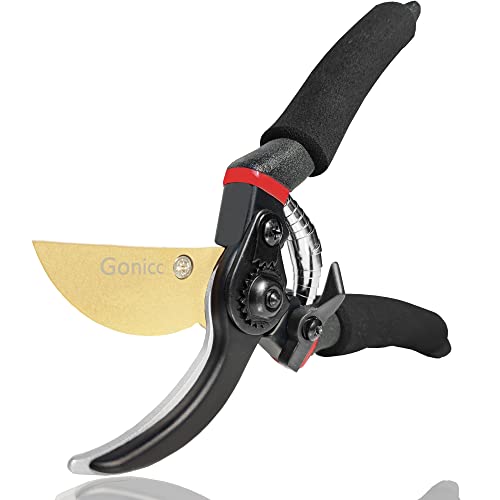
    • Bypass Pruners: Use bypass pruners for making clean cuts on branches up to ¾ inch thick. The sharp, curved blades slice through stems like scissors cut paper.
    • Loppers: Choose loppers for thicker branches, typically between ¾ inch and 2 inches in diameter. Their long handles provide extra leverage, allowing you to cut easily.
    • Pruning Saw: Opt for a pruning saw for larger branches over 2 inches thick. The serrated edge handles the task smoothly and efficiently.
    • Hand Saw: Select a hand saw for intricate cuts or when working in tight spaces. It’s handy for shaping branches and maintaining overall structure.
    • Gloves: Wear gloves to protect your hands from cuts and to enhance your grip, particularly when handling thorny branches.
    MUST READ
    Can I Eat Fruit From A Diseased Tree
    • Pole Pruner: Consider a pole pruner for reaching high branches without the need for a ladder. Its extended reach saves time and energy while improving safety.
    • Hedge Shears: Utilize hedge shears for more substantial, bushy growth or for shaping the overall form of the tree. They’re especially useful for maintaining a tidy appearance.
    • Sharpening Tools: Keep a sharpening tool handy for maintaining your blade’s effectiveness. Sharp tools cut more cleanly, reducing damage to the tree.
    • Safety Goggles: Use safety goggles when trimming to protect your eyes from falling debris and accidental snaps.
    • Tar or Sealant: Apply tar or sealant to large cuts on the tree to protect against pests and diseases, enhancing healing.

    Selecting the right tools is crucial for effective trimming. Employing essential and optional tools based on your specific situation ensures your young fruit trees thrive.

    Techniques For Trimming Young Fruit Trees

    Trimming young fruit trees involves specific techniques that promote healthy growth and fruitful yields. Familiarizing yourself with effective methods allows you to shape your trees for long-term success.

    Recommended Products

    DECERK® 8.5" Professional Pruning Shears - Cuts 4X Easier with Ultra Sharp Japanese Steel Titanium Blade, Arthritis Friendly Garden Scissors & Plant Clippers, Effortlessly Prunes 3/4" Branches
    DECERK® 8.5" Professional Pruning Shears - Cuts 4X Easier with Ultra Sharp Japanese Steel Titanium Blade, Arthritis Friendly Garden Scissors & Plant Clippers, Effortlessly Prunes 3/4" Branches

    Unbreakable sharpness! Japanese SK5 steel blade with titanium coating endures 100,000 cuts. Built for lifelong clean cuts

    VIEW LATEST PRICE

    As an affiliate, we earn on qualifying purchases.

    Haus & Garten ClassicPRO 8.5" Professional Premium Titanium Bypass Pruning Shears - Use As Pruners, Garden Shears, Heavy Duty Handheld Pruning Shears For Gardening, Clippers, Pruner Scissor Tool
    Haus & Garten ClassicPRO 8.5" Professional Premium Titanium Bypass Pruning Shears - Use As Pruners, Garden Shears, Heavy Duty Handheld Pruning Shears For Gardening, Clippers, Pruner Scissor Tool

    Sharp, Clean Cuts Every Time – Engineered from Japanese grade, high-carbon steel, ClassicPRO bypass pruning shears for gardening stay sharp and make precise cuts that encourage healthy growth and won’t damage your plants

    VIEW LATEST PRICE

    As an affiliate, we earn on qualifying purchases.

    2-Pack Stainless Steel Gardening Scissors, Pruning Shears and Clippers for Gardening
    2-Pack Stainless Steel Gardening Scissors, Pruning Shears and Clippers for Gardening

    DUAL CUTTING POWER: VERSATILE PRUNING COMBO --- With both Pruning Shears and Pruning Snip, this combo delivers unmatched versatility. Whether you're delicately trimming flowers and shrubs, tackling thicker tree branches, or tending to your vegetable and fruit garden, our combo pack excels in all areas. They're also perfect for landscaping projects and maintaining the health and appearance of indoor plants. With this pack, you have a versatile tool that simplifies your gardening tasks.

    MUST READ
    Is Pine Bark Mulch Good for Fruit Trees? Benefits, Tips, and Potential Drawbacks Explained
    VIEW LATEST PRICE

    As an affiliate, we earn on qualifying purchases.

    Pruning Methods

    1. Head Back: Cut back the main leader to encourage lateral growth. This method helps create a strong framework for branching.
    2. Thinning Cuts: Remove entire branches at their point of origin. Thinning improves air circulation and sunlight penetration.
    3. Pinching: Remove the tips of young shoots. This stimulates branching and promotes bushier growth.
    4. Cutting for Shape: Trim branches to maintain an open canopy. Focus on creating a balanced shape to ensure even access to light.

    Utilizing these pruning methods allows for targeted growth. Each technique brings your fruit tree one step closer to optimal health and productivity.

    Timing For Trimming

    Trimming young fruit trees at the right time ensures effective growth management. Key timing considerations include:

    1. Dormant Season: Trim during winter, when trees are dormant. This minimizes stress and reduces the risk of disease.
    2. Spring Growth Flush: Observe young trees for new growth. Trim lightly after a flush of growth to shape and control size without overwhelming the tree.
    3. Summer Maintenance: Conduct minor trims in summer for shaping. Remove any suckers or excessive growth to keep the tree focused on fruit production.

    Choosing the appropriate timing enhances the effectiveness of your trimming strategy. Aim for early winter for major cuts, and make summer adjustments as needed.

    Common Mistakes To Avoid

    Avoiding common mistakes when trimming young fruit trees is vital for their health and productivity. Here are specific errors to steer clear of:

    1. Trimming Too Much at Once
      Trimming more than 25% of a tree’s canopy in one session stresses the tree. You risk weakening its structure and reducing fruit production.
    2. Ignoring Tree Structure
      Overlooking the natural shape of the tree often leads to uneven growth. Focus on maintaining balance to promote strong branches.
    3. Using Dull Tools
      Dull tools create jagged cuts that can cause damage. Always use sharp pruners and saws to make clean cuts, minimizing stress on the plant.
    4. Trimming at the Wrong Time
      Trimming during active growth can inhibit the tree’s development. Stick to dormant season for major cuts, allowing for healthier recovery.
    5. Neglecting Safety Precautions
      Forgetting safety gear leads to unnecessary injuries. Wear gloves and goggles to protect against sharp tools and falling branches.
    6. Failing to Sanitize Tools
      Not cleaning your tools increases the risk of spreading diseases. Use disinfectant wipes between trees to protect their health.
    7. Not Assessing Tree Health First
      Ignoring your tree’s condition can worsen existing issues. Assess for pests or diseases before trimming to ensure you’re not exacerbating problems.
    8. Losing Track of Growth Patterns
      Failing to observe how your tree grows can complicate future trimming. Keep notes on your tree’s development to guide your trimming strategy.
    MUST READ
    What Fruit Trees Produce the Fastest and How to Maximize Your Home Harvest

    By avoiding these common mistakes, you promote healthier growth and ensure more fruitful harvests from your young fruit trees.

    Recommended Products

    GARTOL 32 Inch Cut and Hold Pole Pruner - Lightweight Long Reach Tree Trimmer with Snip and Grip Technology, 1/2 Inch Cutting Capacity, One-Hand Use Fruit Picker for Roses, Persimmons & Tall Branches
    GARTOL 32 Inch Cut and Hold Pole Pruner - Lightweight Long Reach Tree Trimmer with Snip and Grip Technology, 1/2 Inch Cutting Capacity, One-Hand Use Fruit Picker for Roses, Persimmons & Tall Branches

    [REACH HIGH & STAY SAFE](No Ladder Required) Say goodbye to wobbly ladders! This 32inch long reach pole pruner offers an extra 30 inches of safe reach, allowing you to prune high branches or tall fruit trees while standing firmly on the ground. It’s the perfect extension tool for maintaining your backyard without the risk of falling.

    VIEW LATEST PRICE

    As an affiliate, we earn on qualifying purchases.

    GARTOL Pruner for Garden, Cut Upto 1 Inch & Hold Telescopic Pole Pruner, Fruit Picker with Rotating Blade Head, Lightweight Aluminum Extendable Handle for Tree Branch Cutter, 3.67-5.45 FT, Silver
    GARTOL Pruner for Garden, Cut Upto 1 Inch & Hold Telescopic Pole Pruner, Fruit Picker with Rotating Blade Head, Lightweight Aluminum Extendable Handle for Tree Branch Cutter, 3.67-5.45 FT, Silver

    [Helpful Garden Tool] GARTOL brings to you a lightweight and extendable pruning tool to reach out to the least approachable arenas of your garden. You can conveniently get across other plants to remove the fastgrowing brambles and sting nettles without getting scratched or hurt. For gardening lovers, the telescopic pruner cutter head can can be rotated which resolves mobility issues and gives you the pleasure of trimming your garden without bending down or using a ladder to climb and cut them.

    VIEW LATEST PRICE

    As an affiliate, we earn on qualifying purchases.

    VOTREK® Pruning Shears, 8.5” Professional Garden Pruner with Jam-Proof Spring & Ever-Sharp SK5 Blade, Ergonomic Bypass Clippers for Rose, Tree Trimming, Heavy Duty Bonsai Scissor for Weak Hand
    VOTREK® Pruning Shears, 8.5” Professional Garden Pruner with Jam-Proof Spring & Ever-Sharp SK5 Blade, Ergonomic Bypass Clippers for Rose, Tree Trimming, Heavy Duty Bonsai Scissor for Weak Hand

    What Makes VT-C800 Unique? Jam-Proof Sealed Spring | Ever-Sharp Dual-Coated SK5 Blades | Easy Thumb Lock | Backed by Lifetime Support

    MUST READ
    What Fruit Trees Like Wet Soil for Thriving Growth in Damp Conditions
    VIEW LATEST PRICE

    As an affiliate, we earn on qualifying purchases.

    Conclusion

    Taking the time to trim your young fruit trees can make a world of difference in their growth and productivity. With the right techniques and tools you can shape your trees for a strong structure and abundant harvests.

    Remember to be patient and attentive as you work with your trees. Regular trimming not only enhances their health but also sets the stage for years of fruitful enjoyment.

    So grab your tools and get started on your trimming journey. Your future harvest will thank you!

    Frequently Asked Questions

    Why is trimming young fruit trees important?

    Trimming young fruit trees is crucial for promoting healthy growth and maximizing fruit production. It encourages strong branch structures, enhances air circulation, and allows sunlight to penetrate the canopy, which improves photosynthesis. Proper trimming helps prevent weak branches, reduces disease risks, and sets the foundation for a longer lifespan and better harvests.

    What tools do I need for trimming young fruit trees?

    Essential tools for trimming include bypass pruners for small branches, loppers for thicker ones, and pruning saws for larger limbs. Additional tools like hand saws, pole pruners, and hedge shears may also be useful. Don’t forget safety gear, such as gloves and goggles, to protect yourself while working.

    When is the best time to trim young fruit trees?

    The optimal timing for trimming varies: major cuts should be made during the dormant winter season, while light shaping is best done after spring growth flushes. Summer maintenance can help focus the tree on fruit production. Timing is key for effective trimming and overall tree health.

    What mistakes should I avoid when trimming young fruit trees?

    Common mistakes include trimming too much at once, ignoring the tree’s natural shape, using dull tools, and failing to sanitize tools before use. Additionally, neglecting safety precautions and not assessing tree health can lead to problems. Avoiding these mistakes promotes healthier growth and better harvests.

    Can trimming young fruit trees affect their lifespan?

    Yes, proper trimming can positively impact the lifespan of young fruit trees. By shaping the tree as it grows and promoting strong structures, trimming helps prevent damage from weak branches and diseases. A well-trimmed tree is more resilient and typically produces quality fruit for many years.

    Share. Facebook Twitter Pinterest LinkedIn Tumblr Email
    martha jackson
    Martha Jackson

      Martha Jackson is an accomplished freelance writer and editor with a strong interest in gardening. With a degree in English from the University of California, Berkeley, Martha has over 15 years of experience writing for a variety of publications. She is passionate about making gardening accessible to all and is always seeking out new techniques and innovations.

      Related Posts

      How Long Until Avocado Trees Bear Fruit and Tips for Faster Growth at Home

      February 20, 2025

      What Yellow Fruit Grows on Trees and Their Delicious Health Benefits

      February 20, 2025

      How to Air Layer Fruit Trees: A Step-by-Step Guide for Successful Propagation

      February 20, 2025

      When Do Grapefruit Trees Produce Fruit and How to Maximize Your Harvest

      February 20, 2025

      What Is a Fast Growing Fruit Tree: Discover Quick-Yield Options for Your Garden

      February 20, 2025

      Do Cherry Blossom Trees Have Fruit? Discover the Truth About Their Edibility and Benefits

      February 20, 2025
      Leave A Reply Cancel Reply

      Affiliate Disclosure

      As an Amazon Associate I earn from qualifying purchases.

      Recommended Reading

      Are apricot trees grafted?

      How to Grow Lime Trees in St. Paul, MN: Severe Winter Tips

      How Long Does a Grapefruit Tree Take to Grow: A Complete Guide for Healthy Growth and Fruit Production

      Pomegranate Trees in Wisconsin (Successful Midwestern Growth)

      Why Do Persimmon Trees Lose Leaves in Autumn

      Jujube Trees in Madison, WI (Upper Midwest Winter Success)

      What Fruit Trees Grow In Los Angeles

      Growing Plum Trees in Nevada: Desert Irrigation and Care

      When Does a Mulberry Tree Bear Fruit and How to Ensure a Bountiful Harvest

      Where to Buy Indoor Fruit Trees and Tips for Choosing the Perfect Ones for Your Home

      Fruit Tree Hub

      Fruit Tree Hub is a website dedicated to providing you everything you need to grow fruit trees successfully at in your own yard.

      Contact us at: [email protected]

      - AFFILIATE DISCLOSURE: As an Amazon Associate I earn from qualifying purchases.

      Latest Posts

      Can Olive Trees Grow in New Jersey? Garden State Growth Tips

      Can Star Fruit Trees Grow in Missouri? Expert Variety Guide

      How to Grow Jujube Trees in Las Vegas, NV: Desert Growth

      Mango Trees in Illinois: Indoor and Greenhouse Growth Secrets

      Growing Papaya Trees in Oklahoma: High Heat Resilience

      Tamarind Trees in a Pot in Ohio (Complete Maintenance Manual)

      Can Fig Trees Grow in Long Beach, CA? Coastal Salt Tips

      Plum Trees in District of Columbia (Urban Microclimate Tips)

      Categories
      • Almond Trees
      • Apple Trees
      • Apricot Trees
      • Best Fruit Trees
      • Blackberry
      • Cantaloupe
      • Cherry Trees
      • Crochet Ideas
      • Crochet Ideas for Beginners
      • Cucamelon
      • Easy Crochet Ideas
      • Easy Knitting Projects
      • Fig Trees
      • Grapefruit Trees
      • Grapes
      • Guava Trees
      • Honeydew
      • Jujube Trees
      • Kiwi
      • Knitting For Beginners
      • Knitting Ideas
      • Knitting Inspiration
      • Lemon Trees
      • Lime Trees
      • Loquat Trees
      • Mango Trees
      • Mulberry Trees
      • Nectarine Trees
      • Olive Trees
      • Orange Trees
      • Papaya Trees
      • Peach Trees
      • Pear Trees
      • Persimmon Trees
      • Planting
      • Plum Trees
      • Pomegranate Trees
      • Quince Trees
      • Raspberry
      • Reviews
      • Small Crochet Ideas
      • Star Fruit Trees
      • Summer Crochet Ideas
      • Tamarind Trees
      • Tangerine Trees
      • Tips and Advice
      • Tools
      • Uncategorized
      • Walnut Trees
      © 2026 Fruit Tree Hub
      • Home
      • About Us
      • Contact
      • Privacy Policy
      • Terms and Conditions
      • Disclaimer
      • Editorial Policy
      • Affiliate Disclosure

      Type above and press Enter to search. Press Esc to cancel.