

Have you ever watched in dismay as strong winds battered your fruit trees? It’s a frustrating sight, especially after putting in so much effort to nurture them. High winds can cause serious damage, from broken branches to uprooted trees, leaving you worried about your harvest.
But don’t worry—there are simple ways to shield your trees from the elements. This article will share practical tips and techniques to help you protect your fruit trees during those blustery days. With a little preparation, you can ensure your trees stay healthy and productive, no matter what Mother Nature throws their way.
Key Takeaways
- Understand Wind Risks: High winds can lead to broken branches, uprooted trees, and fruit drop, significantly affecting fruit yield and tree health.
- Choose the Right Location: Plant trees in sheltered areas, avoid slopes, and ensure appropriate spacing to minimize wind exposure.
- Prioritize Tree Health: Regular maintenance, such as pruning and proper watering, improves resilience against wind damage.
- Implement Structural Support: Use stakes, guy wires, and tree cages to provide stability for young or vulnerable trees during windy conditions.
- Utilize Protective Measures: Employ tarps, netting, and row covers to shield trees from wind without hindering growth and air circulation.
- Select Wind-Resistant Varieties: Research and choose fruit tree varieties known for their structural integrity and better performance in high winds.
Understanding the Risks of High Winds
High winds present significant risks to fruit trees. Strong gusts can break branches, uproot trees, and cause serious damage to the blossoms and fruit. Understanding these risks helps you take proactive steps to protect your trees.
Common Risks
- Broken Branches: Heavy winds can snap weak or overloaded branches. This damage reduces fruit yield and may expose the tree to diseases.
- Uprooting: Shallow-rooted trees often fall over due to strong winds. Young trees, in particular, are vulnerable without a robust root system.
- Fruit Drop: Wind can cause premature fruit drop. This significantly affects your harvest and overall productivity.
- Physical Injury: Torn bark and damaged leaves create entries for pests and diseases. Protecting your trees from physical injury is crucial for their health.
- Tree Health: Healthier trees withstand winds better. Regular maintenance, including pruning and watering, increases their resilience.
- Location: Trees on exposed hillsides or open fields face more wind pressure. Assessing your planting location helps determine vulnerability.
- Tree Type: Some fruit trees are more wind-resistant than others. Researching specific varieties before planting can guide your selection.
By recognizing these risks, you can effectively develop strategies to safeguard your fruit trees against high winds. Focus on maintenance and strategic planting to enhance resilience and ensure healthy growth.
Factors Affecting Fruit Trees in Windy Conditions
Wind can severely impact fruit trees in various ways. Understanding these factors helps you take steps to protect your trees effectively.
Recommended Products

The Large plant cover is perfect for Plant size 55''-70"high and 84''-94" round, Heavy-weight FRCs (1.77oz./sq. yard): usually used to extend the growing season in spring and fall, allow 40%-60% light transmittance, and recommend 3°-8°F of freeze protection

Perfect Tree Staking Kit: Our tree stake straight kits set includes 3 PCS tree strap ties for staking, 3 PCS steel tree stakes, and a 31.2 feet length rope for anchoring. Detailed instructions are included in the product packaging. This is a complete kit that you don't need to buy any other related accessories.

Protect Young Trees from Bad Weather: Tree stake kits are typically used when planting young trees, particularly those with small or shallow root systems, in order to provide support and promote healthy growth. Young trees are more susceptible to wind damage than mature trees, FCENDS tree stake kit can help to support the tree and prevent it from leaning or tipping over in high winds.
Tree Age and Maturity
Age and maturity significantly influence a tree’s ability to withstand high winds. Young trees, often with shallow root systems, are more susceptible to uprooting. A tree’s age also affects its structural integrity, with mature trees generally having stronger branches and deeper roots. For example, a three-year-old apple tree may bend easily in strong winds, while a ten-year-old one stands firm due to its established root system. To improve storm resistance, consider planting trees that are at least three years old, as they typically exhibit better stability.
Structural Stability
Structural stability plays a crucial role in how well a fruit tree handles windy conditions. Trees with a strong central leader and evenly distributed branches are more likely to endure wind stress. Weak branches can break or snap, leading to damage and exposing the tree to pests and diseases. For instance, if a peach tree has uneven branching or multiple leaders, it may be prone to breakage. Regular pruning helps maintain structural stability by removing weak or crossing branches. Additionally, staking young trees can provide extra support until their root systems develop. Select tree varieties known for their robust structures, as these can often better withstand the elements.
Practical Strategies for Protection
Protecting your fruit trees from high winds involves a few key strategies that enhance their resilience. Consider the following approaches for safeguarding your trees.
Recommended Products

Reliable Plant Protection – Designed to help keep your plants safe from birds, squirrels, rabbits, and other critters. The net is knitted from tough, weather-resistant material that maintains its strength through the seasons. It’s strong yet lightweight for easy handling and installation, gentle on leaves and stems, and simple to cut and secure with ties or stakes. Suitable for covering beds, fruit trees, and shrubs, and for use as bird netting.


Highly Effective Deer & Animal Barrier: Specifically designed to deter deer and protect fruit trees & gardens from foraging. Also effectively keeps out rabbits, chickens, and other small to medium-sized animals. The deer fence netting is highly visible to wildlife, providing an effective psychological and physical barrier to safeguarding your plants, vegetables, fruit trees, flower beds and orchards
Site Selection and Tree Placement
Selecting the right site for your fruit trees significantly impacts their ability to withstand high winds.
- Choose a sheltered area: Look for spots near buildings, fences, or larger trees that offer natural windbreaks.
- Avoid hillside planting: Planting on slopes can expose trees to stronger winds, increasing their likelihood of damage.
- Space trees appropriately: Ensure adequate distance between trees to prevent them from colliding during windy conditions.
Pruning Techniques for Wind Resistance
Proper pruning plays a crucial role in enhancing the wind resistance of fruit trees.
- Maintain a central leader: Focus on developing one strong main trunk to improve structural integrity.
- Thin out branches: Remove dead or weak branches to reduce wind resistance and promote air circulation.
- Prune for balance: Ensure even branch distribution around the tree to prevent leaning or breakage in one-sided winds.
Installing Windbreaks
Implementing windbreaks offers effective protection for your fruit trees against strong winds.
- Plant hedges or shrubs: Choose dense, low-growing plants like boxwood or juniper close to the trees to create a wind barrier.
- Use fences: Install solid wooden or vinyl fencing to block wind, ensuring it’s tall enough to shield adjacent trees.
- Build windbreak structures: Consider temporary structures like tarps or netting around young trees to provide immediate protection during windy spells.
By following these practical strategies, you can help secure your fruit trees against the damaging effects of high winds, promoting their health and productivity in the process.
Materials and Tools for Wind Protection
Protecting fruit trees from high winds requires the right materials and tools. Below are essential items to consider for effective wind protection.
Recommended Products

Protect Your Vegetables and Fruits: LCHUANG Garden Netting is great for orchards, greenhouses, gardens, nurseries, patios, and shrubs. This Bird Netting with a zipper can protect blueberries, tomatoes, trees, fruits, flowers, vegetables, and potted plants from insects, birds, and bugs, which helps the plants grow normally.
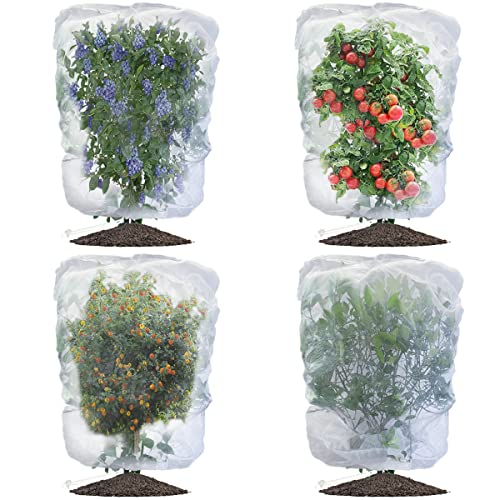
BIRD GARDEN NETTING BAGS with DRAWSTRING: You will receive 4pcs garden netting which 2.3 x 3.5ft, perfect for various plants such as fruit trees, blueberry shrubs, large potted plants, flowers, etc. The large fruit tree covers bags effectively prevents small animals or birds from damaging your plants or fruit, ensuring obtaining more harvest

Effective Pest Protection: Designed with a dense fine mesh and tight weave, keeps insects, birds, and small animals away from your fruits and vegetables, prevents them eating and damaging your fruit
Supporting Structures
Supporting structures reinforce trees and provide stability against high winds. Effective options include:
- Stakes: Use sturdy stakes to secure young trees. Position them at an angle towards the tree for better support.
- Guy Wires: Install guy wires for larger, young trees. Attach them to the tree and secure to anchors in the ground.
- Tree Cages: Construct tree cages using fencing material. Place them around young trees to shield against strong gusts.
Protective Covers
Protective covers serve as barriers against wind damage. Options include:
- Tarps: Drape heavy-duty tarps around trees during severe winds. Ensure the covers don’t touch the branches to prevent damage.
- Netting: Use breathable netting to protect blossoms and young fruit. Lightweight netting minimizes wind resistance.
- Row Covers: Consider row covers for wind protection and to maintain warmth. They provide a physical barrier while allowing light and moisture in.
By selecting the right materials and tools, you can effectively support and protect your fruit trees from the challenges of high winds.
Conclusion
Taking the right steps to protect your fruit trees from high winds can make a world of difference in their health and productivity. By choosing the right location and employing effective techniques like proper pruning and installing windbreaks, you can help your trees thrive even in challenging weather.
Remember that regular maintenance and selecting wind-resistant varieties are key to building resilience. With a little effort and care, you can ensure your fruit trees not only survive but flourish, providing you with bountiful harvests for years to come. Happy gardening!
Frequently Asked Questions
What damage can strong winds cause to fruit trees?
Strong winds can cause significant damage to fruit trees, including broken branches, uprooted trees, and harm to blossoms and fruit. Young trees with shallow roots are particularly vulnerable, while mature trees may experience broken limbs or premature fruit drop.
How can I protect my fruit trees from wind damage?
To protect your fruit trees, consider planting them in sheltered locations, ensuring adequate spacing, and properly pruning. Installing windbreaks like hedges or fences can also help shield trees from harsh winds.
Are there specific tree varieties that withstand strong winds better?
Yes, some tree varieties are more wind-resistant due to stronger branches and deeper roots. Research and select trees known for their resilience against windy conditions, ensuring a healthier, more productive orchard.
What maintenance should I perform to help my fruit trees endure high winds?
Regular maintenance, including consistent pruning to maintain a strong central leader and evenly distributed branches, is crucial. Staking young trees can enhance stability, while ensuring overall tree health boosts resilience against wind stress.
What materials can I use for wind protection for my trees?
Essential materials for wind protection include stakes, guy wires, and tree cages for support. Protective covers like heavy-duty tarps and breathable netting can serve as barriers against wind while allowing light and moisture in.
