

Have you ever stepped outside to find your fruit trees stripped bare by pesky squirrels? You’re not alone. Many gardeners face this frustrating battle every season as these clever critters make off with your hard-earned harvest.
Key Takeaways
- Understand Squirrel Behavior: Recognizing the dietary preferences and seasonal patterns of squirrels helps in devising targeted prevention strategies for your fruit trees.
- Implement Physical Barriers: Use wire mesh fencing, tree guards, and netting to create effective physical barriers that limit squirrels’ access to fruit.
- Utilize Natural Repellents: Homemade sprays with hot pepper or garlic, as well as planting herbaceous plants like mint, can deter squirrels without harming your plants.
- Innovate with Noise and Visual Deterrents: Motion-activated alarms, reflective objects, and scare devices like fake owls can disrupt squirrels’ foraging behaviors.
- Practice Humane Trapping and Relocation: Employ live traps for capturing squirrels, ensuring to relocate them at least 5 miles away while adhering to local regulations.
- Adopt Preventative Maintenance: Regular tree pruning, securing ripe fruit, and creating designated feeding stations can effectively minimize squirrel interference with your harvest.
Understanding Squirrel Behavior
Squirrels exhibit behaviors that significantly influence their interest in fruit trees. Knowing these behaviors helps you devise effective strategies to protect your garden.
Why Squirrels Are Attracted to Fruit Trees
Squirrels are attracted to fruit trees mainly for food. Their diet consists of fruits, nuts, and seeds. The sweet and nutritious fruit from trees provides the energy they need, especially during colder months. Squirrels search for ripe, easy-to-reach fruit, making your trees an appealing target.
Seasonal Patterns of Squirrel Activity
Squirrel activity varies by season. In spring and summer, squirrels feast on fruits and nuts. They not only eat but also store food for winter. As autumn approaches, they become more active as they gather and cache resources. During this time, the chances of your fruit trees being raided increase. Understanding these seasonal behaviors can help you anticipate when to implement protective measures.
Effective Deterrents
Deterring squirrels from your fruit trees requires a combination of strategies. Implementing physical barriers and using natural repellents can significantly reduce the chances of squirrel invasion.
Physical Barriers
Install fencing around the base of your fruit trees. Use wire mesh that’s at least 3 feet high, with a buried edge to prevent digging. This barrier restricts access while still allowing sunlight and moisture to reach the roots.
Consider tree guards made of metal or plastic. Wrap the lower trunk with these materials to avoid squirrels from climbing up. Ensure guards extend at least 6 to 8 inches above the ground.
Use netting over the trees during peak fruiting seasons. Lightweight netting shields mature fruit and keeps squirrels from accessing it. Make sure the netting is securely fastened to avoid flapping that may attract curiosity.
Natural Repellents
Create a homemade spray using hot pepper or garlic. Mix one tablespoon of crushed red pepper or minced garlic with water and a few drops of dish soap. Spray this mixture on fruit and leaves weekly or after rain. The strong scents deter squirrels without harming the plants.
Plant herbs like basil, mint, or rosemary around your fruit trees. These herbs produce scents that squirrels dislike, making your garden less inviting.
Deploy ultrasonic repellents that emit high-frequency sounds not audible to humans. These devices can keep squirrels at bay while being non-invasive.
By combining these deterrents, you’ll enhance the protection of your fruit trees, ensuring they bear more fruit for your enjoyment.
Innovative Solutions
Squirrels can be persistent pests, but several innovative solutions can help protect your fruit trees from these furry raiders.
Recommended Products
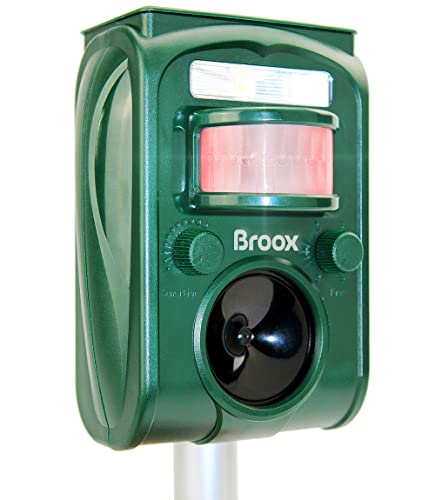
Do you have problem with unwanted animals in your area, garden, farm? Are they destroying your garden or eating the fruits? Do they bring many viruses to you? Let's start to use Broox deer Repellent to solve your problems! This effective device helps you to get rid of unwelcome animal visitors. It contains a motion detector system which detects movements and emits powerful ultrasonic sound and flashing LED light.

Volume Adjustment:The upgraded dog barking alarm is equipped with a high-power speaker featuring three adjustable volume levels, reaching up to 130 decibels. It includes pre-set barking dog and loud impact sounds as warnings, and also supports up to 20 seconds of custom voice recordings to create personalized alerts.
Noise and Visual Deterrents
Utilizing noise and visual deterrents effectively disrupts squirrels’ foraging behavior.
- Alarms: Install motion-activated alarms or noise-making devices to startle squirrels whenever they approach your trees.
- Reflective Objects: Hang shiny objects, such as aluminum foil strips, CDs, or reflective tape, from tree branches. The sunlight reflecting off these items confuses and deters squirrels.
- Scare Devices: Use fake owls or snakes to create a natural predator illusion. Move these decoys periodically for maximum effectiveness, as squirrels can adapt to stationary threats.
These methods create a less inviting environment for squirrels, encouraging them to seek food elsewhere.
Traps and Relocation
Using traps for squirrels requires careful consideration and humane practices.
- Live Traps: Purchase live traps designed for squirrels. Bait them with peanut butter or sunflower seeds to attract squirrels inside. Check the traps frequently to avoid unnecessary stress on the animals.
- Relocation: After trapping, relocate the squirrels at least 5 miles from your property to prevent them from returning. Verify local regulations regarding relocation, as rules may vary by area.
These steps ensure you manage squirrel populations without harming them, maintaining a peaceful coexistence in your garden.
Best Practices for Prevention
To stop squirrels from raiding your fruit trees, implementing effective prevention techniques is essential. You can combine maintenance strategies with alternative food sources to deter these agile foragers.
Recommended Products
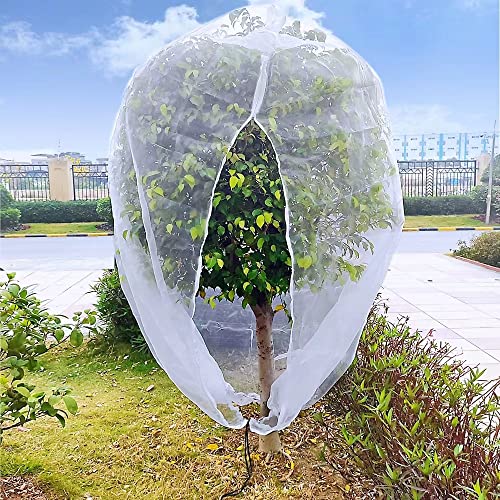
Multiple Sizes to Fit Your Backyard Fruit Trees:We have a variety of practical sizes to choose from, which fits almost all the fruit trees in your backyard—cherry, fig, blueberry, peach, apple, you name it! No need to piece small nets together, one net covers the whole tree from top to bottom, perfect for us home gardeners who hate tedious work.

- 3D Square Design: Our 3D Square Shape Garden Netting features a generous size of 6.5x6.5x6.5feet, providing a larger coverage area and making it super easy to protect your fruit trees without complicated calculations. Just pick the size based on your tree's height and crown width!

Extra-Large Size: Fruit tree netting measures 15 x 15 ft, offering an extra-large coverage size that fits a wide variety of fruit trees, including apple, peach, pear, cherry, citrus, and other medium to large fruit-bearing trees, the generous size provides full-coverage protection
Tree Maintenance Techniques
- Prune Regularly: Maintain your trees with regular pruning. By removing dead branches and keeping the canopy open, you reduce hiding spots for squirrels. This makes fruit less accessible.
- Create a Distance: Keep branches that extend toward roofs or neighboring trees trimmed back. Squirrels often use neighboring structures to launch their attacks on your trees.
- Secure Fruits: Utilize tree ties or cloth to support heavy fruit branches. This prevents breakage and keeps fruits from coming in contact with the ground, lowering theft opportunities.
- Monitor Ripeness: Harvesting fruits as soon as they’re ripe can minimize squirrel access. Frequent checks ensure you’re getting the fruit before they do.
- Water Management: Maintain optimal soil moisture. Healthy trees produce stronger, more resilient fruit, which may deter interest from squirrels.
- Designate Feeding Stations: Set up a specific feeding area for squirrels. Use squirrel feeders filled with corn or sunflower seeds. You can distract them, decreasing their desire to raid your fruit trees.
- Schedule Feeding Times: Feed squirrels early in the morning or late in the afternoon. This routine encourages them to forage for alternative food instead of your fruits during peak hours.
- Rotate Foods: Experiment with different seeds or nuts to see what attracts squirrels the most. Offering a variety every few days helps keep them occupied, diverting them from your trees.
- Spread Fruit Scraps: Utilize leftover fruits or vegetables around the garden. By providing easy, accessible options, you reduce the allure of your ripe fruit.
- Plant Nut Trees: Consider adding nut-producing species such as almonds or hazelnuts nearby. These trees offer squirrels a natural food source, lowering their focus on your fruit trees.
Conclusion
By understanding squirrel behavior and implementing a mix of prevention techniques you can protect your fruit trees and enjoy a bountiful harvest. From physical barriers to natural repellents and creative distractions there are plenty of options to explore.
Remember that patience and persistence are key. It might take some time to find the right combination of strategies that work best for your garden. With a little effort you can create an environment that’s less appealing to squirrels while still allowing them to thrive nearby. Happy gardening and may your trees bear plenty of delicious fruit!
Frequently Asked Questions
Why do squirrels steal fruit from trees?
Squirrels are attracted to fruit trees primarily due to their diet, which includes fruits, nuts, and seeds. The sweet fruit provides essential energy, particularly during colder months. As they prepare for winter, ripe, accessible fruits become appealing targets for squirrels.
When are squirrels most active around fruit trees?
Squirrels are most active in spring and summer, when they feast on fruits and nuts while also storing food for winter. As autumn approaches, their activity increases as they gather resources, raising the chances of raiding fruit trees.
What are some effective ways to deter squirrels?
To deter squirrels, use a combination of strategies such as installing wire mesh fencing, lightweight netting, and tree guards. You can also apply natural repellents like homemade sprays from hot pepper or garlic and plant herbs that squirrels dislike.
How can I use traps humanely for squirrel management?
Using live traps is a humane way to manage squirrels. Bait the traps with peanut butter or sunflower seeds, and relocate captured squirrels at least 5 miles away to prevent them from returning.
What maintenance practices can help protect fruit trees?
Regular tree maintenance helps deter squirrels. Prune to reduce hiding spots, keep branches trimmed back, and secure heavy fruit branches. Monitor the ripeness of fruits and harvest promptly to minimize access for squirrels.
Should I feed squirrels to keep them away from my fruit trees?
Creating designated feeding stations with alternative food sources can help divert squirrels’ attention from your fruit trees. Schedule feeding times and rotate foods to keep squirrels occupied and less focused on raiding your harvest.
