

Have you ever wondered why your lemon tree isn’t producing those juicy fruits you crave? You’re not alone. Many gardeners face the same frustration when their trees seem to thrive but fail to bear fruit.
Key Takeaways
- Understand Varieties: Familiarize yourself with different lemon tree types like Eureka, Lisbon, Meyer, and Ponderosa to choose the best fit for your garden and climate.
- Optimize Growing Conditions: Provide optimal temperature (70°F to 85°F), well-draining soil (pH 5.5 to 6.5), and at least 8 hours of sunlight to create a productive environment for your lemon tree.
- Implement Effective Cultivation: Regularly deep water and fertilize with a balanced fertilizer to support healthy growth. Testing soil annually ensures nutrient adequacy.
- Prune Strategically: Prune your lemon tree in late winter or early spring to enhance air circulation, sunlight exposure, and overall health for better fruit production.
- Manage Pests and Diseases: Regularly check for common pests like aphids and spider mites, and use preventive measures, such as selecting resistant varieties and maintaining tree health.
- Promote Pollination: Enhance fruit set by attracting pollinators to your garden or using hand pollination techniques, ensuring an ideal environment for your lemon tree.
Understanding Lemon Trees
Lemon trees thrive in the right environment, yet many gardeners struggle to get them to fruit. Knowing the types of lemon trees and their ideal growing conditions can make a significant difference in your success.
Types of Lemon Trees
Several lemon tree varieties exist, each with unique characteristics and fruiting potential.
- Eureka Lemon Tree: Produces fruit year-round. Known for its tart flavor and zesty aroma, it suits various climates.
- Lisbon Lemon Tree: Similar to Eureka but more resilient to cold weather. Its large, juicy lemons are perfect for cooking and drinks.
- Meyer Lemon Tree: A popular choice among home gardeners. This hybrid offers a sweeter flavor and thin skin, making it ideal for desserts.
- Ponderosa Lemon Tree: Recognized for its large fruit and vigorous growth. It’s more of an ornamental choice due to its striking appearance.
Understanding these varieties allows you to select one that fits your climate and garden space.
Ideal Growing Conditions
Lemon trees flourish in specific environmental conditions, making them more likely to produce fruit.
- Temperature: Ideal temperatures range from 70°F to 85°F. Protect your trees from frost, as it can damage blooms and fruit.
- Soil: Well-draining soil is crucial. Sandy or loamy soil types work best, with a pH of 5.5 to 6.5 being optimal.
- Sunlight: Lemon trees require full sun for at least 8 hours daily. Position them in a bright spot to maximize growth and fruiting.
- Watering: Deep watering supports root development. Maintain soil moisture without waterlogging to encourage healthy roots.
Monitoring these conditions helps create an environment conducive to fruit production.
Cultivation Techniques
Encouraging your lemon tree to produce fruit involves specific cultivation techniques. Focus on the right soil, proper watering, and effective fertilization to promote healthy growth and fruiting.
Soil Requirements
Choose well-draining soil with a pH range of 5.5 to 6.5. This type of soil allows roots to breathe while preventing water from pooling. Consider using a mix that includes sand, peat moss, and compost. Additionally, test the soil annually. This ensures it meets the necessary nutrient levels for optimal growth.
Watering Practices
Water your lemon tree regularly, especially during dry spells. Deep watering encourages root growth. Aim for about 1 to 2 inches of water weekly, depending on weather and soil type. Monitor the soil moisture; if the top inch feels dry, it’s time to water. Avoid overwatering, as this can lead to root rot.
Fertilization Tips
Fertilize your lemon tree with a balanced fertilizer every four to six weeks during the growing season. Look for a fertilizer that contains nitrogen, phosphorus, and potassium, usually listed as a three-number ratio (e.g., 10-10-10). Use half the recommended dosage, especially for young trees. This approach supports growth without overwhelming them with nutrients. Adjust fertilization frequency based on tree growth and fruit set.
Pruning for Fruit Production
Pruning is essential for encouraging your lemon tree to produce fruit. Proper pruning improves air circulation, sunlight exposure, and overall tree health. Here’s how to do it effectively.
Recommended Products

IDEAL BRANCH TRIMMER: 28" Steel blade garden bypass lopper that glides through up to 1.5" thick branches for easy cuts; Works well for trimming tree branches to maintain your yard and garden, and to encourage overall plant health and appearance

Small scissors are suitable for cutting flower branches, while large scissors are suitable for cutting thick branches,Wipe it clean with oil promptly after use
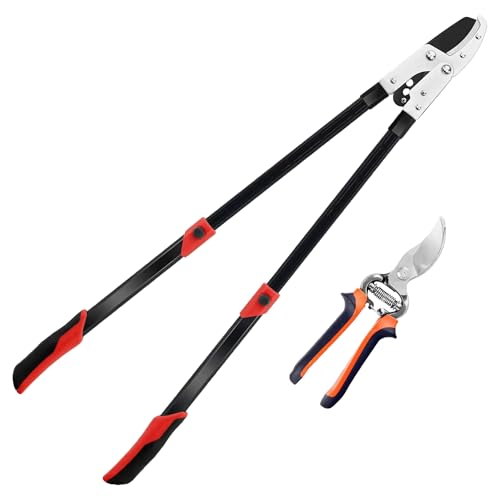
LONG LASTING SHARP: tree branch cutter alloy steel blade with teflon coated and low-friction coating that will long lasting sharp after tough job. Tree pruner is ideal for trimming green living or dry branches, chop through thick branches effortlessly
When to Prune
Prune your lemon tree during late winter or early spring, just before new growth begins. This timing helps minimize stress on the tree and allows for better recovery after cutting. Aim for a period after the coldest weather but before the active growing season starts. If you notice any dead or unhealthy branches, remove them promptly to prevent any potential disease spread.
- Gather Tools: Use clean, sharp pruning shears or loppers. Disinfect tools with rubbing alcohol before pruning to avoid infection.
- Cut Dead or Diseased Wood: Trim away any branches that are dead, diseased, or crossing over other branches. Remove these close to the trunk or the next healthy branch.
- Thin Out Dense Areas: Remove some inner branches to enhance airflow. This process reduces the risk of pests and fungal diseases.
- Shorten Long Branches: If certain branches grow excessively long, cut them back to encourage bushier growth. Aim to leave a few nodes on each branch for new growth.
- Shape the Tree: Maintain a balanced, open shape. Aim for a height that allows easy access for harvesting fruit.
- Avoid Over-pruning: Always err on the side of caution. Removing too much wood can hinder growth and reduce fruit production.
Regular pruning enhances the health and productivity of your lemon tree, helping it yield juicy lemons. Ensure each cut promotes better light penetration and airflow while keeping the tree’s natural form.
Pest and Disease Management
Managing pests and diseases is crucial for encouraging your lemon tree to produce fruit. Regular monitoring of your tree helps ensure a healthy harvest.
Recommended Products

PEST DEFENSE - Insecticidal Super Soap controls species of adelgid, ant, aphid, borer, caterpillar, spider mite, cricket, chinch bug, weevil, fly, thrip, & more.
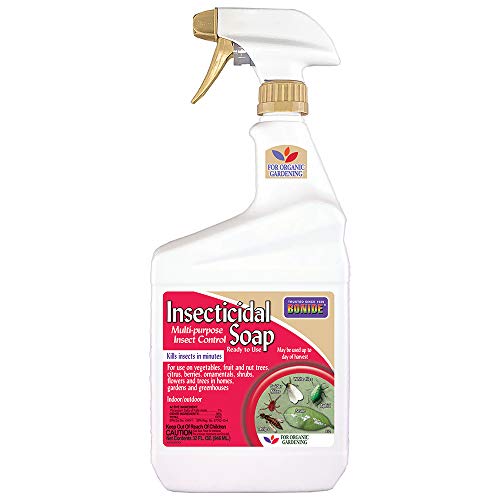
Captain Jack's Insecticidal Super Soap controls species of adelgid, ant, aphid, borer, caterpillar, spider mite, cricket, chinch bug, weevil, fly, thrip, and more

READY-TO-USE CONTACT SPRAY: No mixing required. Thoroughly spray insecticide on all plant parts, including the underside of leaves. Pests must be sprayed directly to achieve control
Common Pests
- Aphids: Small insects that suck sap, causing leaf curling and yellowing. Control aphids by applying insecticidal soap or spraying with a strong stream of water.
- Scale Insects: These pests attach to stems and leaves, leading to weak growth. Remove them manually or treat the tree with horticultural oil.
- Spider Mites: Tiny, web-spinning pests that thrive in hot, dry conditions. Increase humidity and use miticides or insecticidal soap to manage infestations.
- Citrus Leaf Miner: This pest creates tunnels in leaves, affecting photosynthesis. Prune affected leaves immediately and maintain tree health to deter them.
- Select Resistant Varieties: Choosing pest-resistant lemon tree varieties enhances disease prevention. Research your options to find suitable selections.
- Maintain Tree Health: Healthy trees are less susceptible to pests. Ensure proper watering, fertilization, and pruning, which supports overall vigor.
- Monitor Regularly: Inspect your tree weekly for signs of pests or diseases. Early detection leads to easier management.
- Use Companion Planting: Planting herbs like basil or marigold near your lemon tree can deter pests and promote a healthier environment.
- Practice Good Hygiene: Clean gardening tools and remove fallen leaves to minimize disease spread. Proper sanitation helps maintain a healthy garden ecosystem.
By addressing pest and disease issues promptly, you help your lemon tree thrive and enhance its fruit production.
Encouraging Fruit Growth
You can promote fruit growth in your lemon trees by focusing on specific practices and environmental adjustments. Implementing these strategies can lead to a bountiful harvest.
Recommended Products
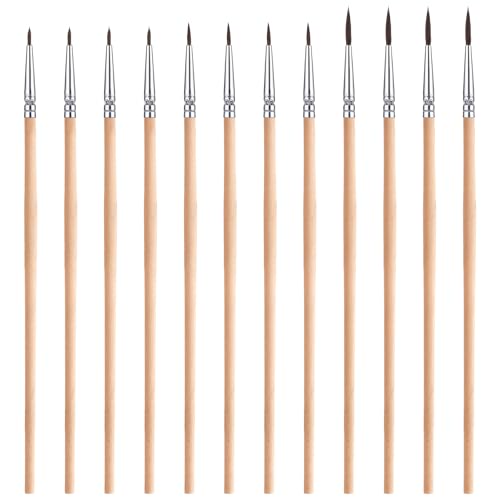
Efficient Pollination: You will receive 12pcs pollination brushes in three different sizes, designed to improve the pollination efficiency of indoor hydroponic plants and greenhouse gardens, and you can choose the right brush to solve the problem of low fruit

Precise Hand Pollination: This pollination pen supports manual pollination for vegetables, fruits, and flowers, helping you transfer pollen with more than relying on and making it a practical vegetable pollinator tool for garden use

Precise Manual Pollination: This vegetable pollinator tool provides controlled hand pollination that enhances fruit and vegetable pollination efficiency, helping to increase crop yields by reliance on unpredictable natural pollinators
Pollination Practices
Ensure adequate pollination for fruitful lemon trees. Lemon trees are often self-pollinating, but cross-pollination increases fruit set. Consider these actions:
- Attract Pollinators: Plant pollinator-friendly flowers nearby. Bees and butterflies are essential for effective pollination.
- Hand Pollination: If you notice few fruits, use a small brush or cotton swab to transfer pollen between flowers. This method mimics natural pollination.
- Create a Suitable Environment: Maintain a healthy ecosystem. Avoid pesticides that harm pollinators and provide sources of nectar and water.
Environmental Factors
Managing environmental factors optimally enhances fruit production. Address these crucial elements:
- Light Exposure: Position your lemon tree to receive at least 8 to 12 hours of sunlight daily. More sunlight promotes flowering and fruiting.
- Temperature Control: Maintain temperatures between 70°F to 85°F during the growing season. Protect from frost, as temperatures below 30°F damage blossoms.
- Humidity Levels: Aim for humidity between 40% and 60%. If you grow your tree indoors, consider using a humidifier to maintain suitable levels.
- Soil Quality: Ensure well-draining soil with adequate nutrients. Amend it based on soil test results to maintain a pH of 5.5 to 6.5.
By applying these practices, you can encourage your lemon tree to produce more fruit and enjoy a luscious harvest.
Conclusion
Encouraging your lemon tree to fruit can be a rewarding journey. By understanding the unique needs of your tree and creating the right environment, you’re setting yourself up for success.
From choosing the right variety to ensuring proper care through watering, fertilization, and pruning, every step counts. Don’t forget to keep an eye out for pests and diseases, as they can hinder your tree’s potential.
With a little patience and attention, you’ll be well on your way to enjoying a bountiful harvest of juicy lemons. Happy gardening!
Frequently Asked Questions
Why isn’t my lemon tree producing fruit?
Many factors can affect fruit production in lemon trees, such as improper growing conditions, lack of pollination, or insufficient nutrients. It’s essential to ensure optimal sunlight, soil conditions, and proper watering practices to encourage fruiting.
What are the best varieties of lemon trees to grow?
Popular lemon tree varieties include Eureka, Lisbon, Meyer, and Ponderosa. Each has unique characteristics and fruiting potential, so choose one that fits your climate and garden space for better results.
How much sunlight do lemon trees need?
Lemon trees thrive when they receive 8 to 12 hours of direct sunlight daily. Adequate light exposure is vital for healthy growth and fruit production.
What type of soil is best for lemon trees?
Lemon trees prefer well-draining soil with a pH level between 5.5 and 6.5. A mix of sand, peat moss, and compost works well to promote healthy root development.
How should I water my lemon tree?
Water your lemon tree deeply, about 1 to 2 inches per week. Avoid overwatering to prevent root rot, allowing the soil to dry out slightly between waterings.
When should I fertilize my lemon tree?
Fertilize your lemon tree every four to six weeks during the growing season using a balanced fertilizer. For young trees, use half the recommended dosage to avoid nutrient overload.
How do I prune my lemon tree?
Prune your lemon tree in late winter or early spring to improve air circulation and sunlight exposure. Focus on removing dead or crossing branches and avoid over-pruning to maintain tree health.
What pests should I watch out for on my lemon tree?
Common pests include aphids, scale insects, spider mites, and citrus leaf miners. Regular monitoring and prompt treatment can help manage these pests effectively.
How can I attract pollinators to my lemon tree?
Planting pollinator-friendly flowers nearby can help attract bees and other pollinators. Consider hand pollination if you’re experiencing low fruit set to boost production.
What is the ideal temperature for lemon trees?
Lemon trees thrive in temperatures ranging from 70°F to 85°F. Maintaining this temperature range is crucial for health and fruit development.
