

Have you ever wondered why your fig tree isn’t producing fruit? You’re not alone. Many gardeners face the same frustration when their beloved trees seem to thrive in every way but fruiting.
Key Takeaways
- Understand Fig Tree Types: Identify the type of fig tree you have (Common, Smyrna, San Pedro, or Edible) to cater to its specific needs for optimal fruit production.
- Ideal Growing Conditions: Ensure your fig tree receives 6-8 hours of full sunlight daily, is planted in well-drained loamy soil with a pH of 6.0-6.5, and receives consistent watering, especially during the growing season.
- Effective Pruning Techniques: Prune during the dormant season (late winter to early spring), removing dead wood and overcrowded branches to enhance air circulation and direct energy into fruit production.
- Proper Fertilization: Use a balanced fertilizer in early spring and consider organic options like compost to enrich the soil and support healthy growth, applying nutrients every 6-8 weeks during the growing season.
- Monitor for Pests and Diseases: Regularly check your fig tree for common pests, such as spider mites and fig beetles, and implement preventive measures to maintain tree health and improve fruit yield.
- Watering Practices: Water deeply but infrequently to maintain soil moisture without causing root rot, especially around the time of fruit set for better development.
Understanding Fig Trees
Fig trees belong to the genus Ficus and can produce sweet, flavorful fruits. Understanding their types and ideal growing conditions helps encourage fruit production.
Types of Fig Trees
- Common Fig (Ficus carica): Commonly grown for its delicious fruit, this type thrives in warm climates. Varieties include ‘Brown Turkey’, ‘Celeste’, and ‘Kadota’.
- Smyrna Fig (Ficus carica var. Smyrna): Known for its high-quality fruit, Smyrna figs require pollination from the fig wasp. These figs are less common in home gardens.
- San Pedro Fig (Ficus carica var. San Pedro): This fig tree produces fruit twice a year—once in early summer and again in late summer. It thrives in a Mediterranean climate.
- Edible Fig (Ficus macrophylla): Often grown for ornamental purposes, this tree also produces figs, typically requiring mild winters for optimal growth.
Ideal Growing Conditions
Fig trees thrive in specific conditions that promote fruiting.
- Sunlight: Full sun exposure, at least 6-8 hours daily, supports healthy growth and fruit development.
- Soil: Well-drained, loamy soil provides essential nutrients. pH levels between 6.0 and 6.5 are optimal.
- Water: Regular watering, especially during the growing season, is crucial. Ensure the soil remains moist but not waterlogged.
- Temperature: Fig trees prefer warm temperatures. They typically flourish in USDA zones 8 to 10, where winters are mild.
- Fertilization: Use a balanced fertilizer during the growing season to promote healthy growth and improve fruiting potential.
Factors Influencing Fruit Production
Several factors play a significant role in a fig tree’s ability to produce fruit. Understanding these elements helps ensure that your fig tree thrives and yields a bountiful harvest.
Recommended Products

Kindly NOTE: This soil tester can not be applied to test pH value of any other liquid. If the soil is too dry the indicator will not move, and water it before testing.

KNOW BEFORE YOU GROW | Grow the healthiest, sustainable lawn and garden with the most accurate and easy to use professional soil test kit on the market

Accurate Soil pH Testing: Dewildetradingco Soil pH Test Strips offer measurements of soil pH levels (pH 3.5-9). As an essential tool for every gardener and grower, these test strips help determine the optimal pH for various plants, such as outdoor plants, indoor plants, gardens, grass lawns, fruit trees, flowers, vegetables, and forest shrubs.
Soil Requirements
Soil quality affects fruit production directly. Figs thrive in well-drained loamy soil with a pH level between 6.0 and 6.5. You can enhance soil quality by adding organic matter like compost. Periodic soil testing identifies nutrient deficiencies and adjusts them accordingly to support healthy growth.
Watering Practices
Proper watering significantly influences fruit yield. Fig trees need consistent moisture, especially during the growing season. Water deeply but infrequently, allowing the top few inches of soil to dry out between waterings. Overwatering can lead to root rot, so ensure your fig tree has good drainage. During fruit set, keep soil moist to support healthy development.
Sunlight Needs
Adequate sunlight is crucial for fig trees. These trees require at least 6 to 8 hours of direct sunlight daily for optimal fruit production. Position your fig tree in a sunny spot, ensuring it’s not shaded by other plants or structures. If growing in pots, rotate the pots occasionally to maximize sunlight exposure on all sides.
Pruning Techniques for Figs
Pruning fig trees effectively fosters healthy growth and boosts fruit production. Understanding when and how to prune ensures your tree thrives and bears fruit.
When to Prune
Pruning should occur during the dormant season, typically in late winter or early spring before new growth starts. This timing encourages a strong recovery and optimal fruiting later in the year. Avoid pruning in fall, as it may stimulate new growth that won’t survive winter’s cold.
- Gather Tools: Use sharp, clean pruning shears, loppers, and a saw for larger branches. Ensure tools are disinfected to prevent disease transmission.
- Remove Dead or Diseased Wood: Start by cutting away any dead, damaged, or diseased branches. These can detract from overall tree health and lead to pest problems.
- Thin Out Crowded Areas: Identify and remove suckers and crowded branches to improve air circulation and light penetration. This encourages healthy new growth.
- Shape the Tree: Aim for an open-center structure that allows light to reach the interior of the tree. Cut back exterior branches to maintain a balanced shape.
- Cut Back for Fruit Production: Trim back last year’s growth by one-third to half. This helps direct energy into fewer fruits, resulting in larger, sweeter figs.
- Finish with Clean Cuts: Make slanted cuts just above a bud to promote healing. Avoid leaving stubs as they can attract pests and disease.
By following these pruning techniques, you can enhance your fig tree’s health and increase its chances of producing a bountiful harvest.
Fertilization and Nutrition
Proper fertilization and nutrition are crucial for getting your fig tree to produce fruit. Ample nutrients enhance growth, promote healthy foliage, and ultimately lead to a bountiful harvest.
Recommended Products
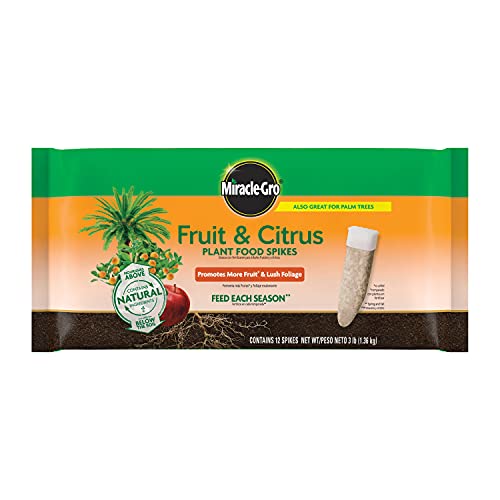
FORMULATED FOR CITRUS AND FRUIT TREES: Use these citrus fertilizer spikes on apple, orange, lemon, lime, and avocado trees; this formula is also great for feeding palm trees

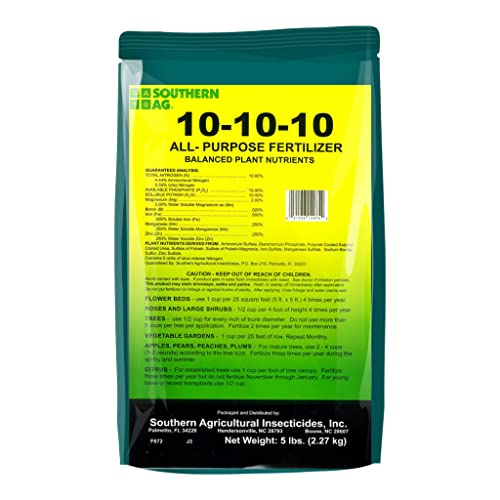
🌿 Balanced 10-10-10 Granular Fertilizer for Outdoor & Indoor Plants: All-purpose plant food with 10% Nitrogen, 10% Phosphorus, and 10% Potassium. Perfect for outdoor vegetable gardens, fruit trees, evergreens, shrubs, lawns, and flowers. Also great for potted plants and indoor gardening. One solution for all your plant needs!
Choosing the Right Fertilizer
Choose a fertilizer that’s balanced, with a nutrient ratio like 10-10-10 or 8-8-8. These numbers represent the levels of nitrogen, phosphorus, and potassium. Nitrogen supports leafy growth, phosphorus fosters root development and flower production, and potassium increases fruit quality. Organic options like compost, well-rotted manure, or fish emulsion provide slow-release nutrients and boost soil health.
Application Methods
Apply fertilizer in early spring, just as new growth begins. Disperse the granules evenly around the base of the tree, avoiding direct contact with the trunk. For liquid fertilizers, dilute according to label instructions and use a watering can or a hose attachment to apply it around the root zone. Follow this application pattern every 6 to 8 weeks throughout the growing season. For additional nutrients, consider mulching around the base of the tree with organic materials. This approach conserves moisture, suppresses weeds, and gradually adds nutrients to the soil as it breaks down.
Common Pests and Diseases
Fig trees, despite their resilience, face threats from pests and diseases. These nuisances can hinder fruit production and affect overall tree health. Monitoring your tree regularly helps identify problems early.
Identifying Pests
Common pests that target fig trees include:
- Spider Mites: Tiny and hard to see, spider mites cause yellowing and stippling on leaves. Look for fine webbing on the undersides.
- Scale Insects: Small, oval-shaped insects cling to branches and leaves. They appear as raised bumps and can weaken the tree by sucking sap.
- Fig Beetles: These beetles are brown or black and may feed on the fruit, creating holes and making it inedible.
- Nematodes: Invisible soil parasites that attack root systems, leading to stunted growth and poor fruiting.
Check leaves, stems, and soil for signs of these pests. Early detection aids in effective management.
Preventive Measures
Implementing preventive measures helps keep your fig tree healthy. Consider these strategies:
- Maintain Cleanliness: Remove fallen leaves and fruit around the tree. This decreases habitat for pests.
- Use Beneficial Insects: Encourage ladybugs and lacewings in your garden. They naturally prey on aphids and other harmful pests.
- Apply Insecticidal Soap: Spray affected areas with insecticidal soap to eliminate soft-bodied insects like aphids and spider mites. Apply in the early morning or late evening to prevent sunburn on plant leaves.
- Optimize Watering: Avoid overwatering. This practice decreases stress on the tree and reduces nematode infestations.
Regularly inspect your fig tree and adopt these preventive strategies. Healthy trees are less susceptible to pests and diseases, improving your chances for a fruitful harvest.
Conclusion
Getting your fig tree to produce fruit takes a bit of patience and care but it’s definitely worth the effort. By providing the right conditions and following proper techniques you can encourage your tree to thrive and reward you with delicious figs.
Remember to keep an eye on soil quality watering practices and sunlight exposure. Pruning and fertilizing at the right times also play a crucial role in boosting fruit production.
With a little love and attention your fig tree can become a fruitful addition to your garden. So roll up your sleeves and enjoy the journey of nurturing your fig tree to a bountiful harvest. Happy gardening!
Frequently Asked Questions
Why isn’t my fig tree producing fruit?
Fig trees may fail to produce fruit due to insufficient sunlight, poor soil conditions, or inadequate watering. Ensure your tree gets at least 6 to 8 hours of direct sunlight, is planted in well-drained loamy soil, and is watered deeply but infrequently.
What types of fig trees are there?
Common fig trees include the Common Fig, Smyrna Fig, San Pedro Fig, and Edible Fig. Each type has distinct growing requirements, so choose one that suits your climate and garden conditions.
How often should I water my fig tree?
Water your fig tree deeply but infrequently, generally allowing the top few inches of soil to dry out between waterings. This helps prevent root rot and promotes healthy growth.
What is the best fertilizer for fig trees?
A balanced fertilizer with a nutrient ratio of 10-10-10 or 8-8-8 works well for fig trees. Organic options like compost or well-rotted manure provide slow-release nutrients and can improve soil health.
When should I prune my fig tree?
Prune your fig tree during its dormant season, typically in late winter or early spring. This encourages healthy regrowth and improves fruiting efficiency by allowing better light penetration and air circulation.
How can I prevent pests on my fig tree?
To prevent pests, maintain cleanliness around the tree, use beneficial insects, and apply insecticidal soap. Regularly inspecting the tree will help you catch issues early before they affect fruit production.
What soil pH is best for fig trees?
Fig trees thrive in well-drained loamy soil with a pH level between 6.0 and 6.5. Conduct periodic soil tests to ensure optimal conditions for healthy growth and fruit production.
