

Have you ever dreamed of plucking fresh avocados right from your own backyard? If you’ve tried growing an avocado tree but struggled to get it to bear fruit, you’re not alone. Many budding gardeners face this challenge, but the good news is that with the right tips and techniques, you can encourage your tree to thrive and produce delicious fruit.
Key Takeaways
- Select the Right Variety: Choose between Hass, Fuerte, or Bacon avocado trees based on your climate for optimal fruit production.
- Provide Ideal Growing Conditions: Ensure your tree receives full sun, well-draining sandy loam soil, and appropriate watering and temperature control.
- Proper Planting Techniques: Prepare well-draining soil and select a sunny location at least 10–15 feet away from structures for better growth.
- Consistent Care and Maintenance: Monitor watering practices, use balanced fertilizers, and check for pests to promote healthy growth and fruiting.
- Encourage Pollination: Plant multiple avocado varieties and attract bees or consider hand pollination methods to improve fruit set.
- Address Common Challenges: Regularly inspect for pests and diseases while troubleshooting low fruit yields due to pollination issues, water stress, or nutrient deficiencies.
Understanding Avocado Trees
Avocado trees thrive in specific conditions, and understanding their needs helps you grow fruit successfully. Let’s explore the varieties and ideal conditions for your avocado tree.
Varieties of Avocado Trees
You’ll find three main avocado tree varieties:
- Hass: The most popular type, known for its creamy texture and rich flavor. It bears fruit year-round in warm climates.
- Fuerte: This variety produces smooth, green skin and offers a milder taste. It’s less prone to cold damage.
- Bacon: This variety has a less-oily fruit that’s oval-shaped. It’s known for its frost resistance and tolerates cooler temperatures.
Choosing the right variety for your climate is essential for successful fruit production.
Ideal Growing Conditions
Avocado trees require particular conditions for optimal growth. Follow these guidelines:
- Sunlight: Ensure your tree gets full sun, around 6–8 hours daily. Locate it in a bright spot.
- Soil: Use well-draining soil, preferably sandy loam. Avoid heavy clay or waterlogged areas, as they can lead to root rot.
- Watering: Water the tree deeply but infrequently. Allow the soil to dry out between watering sessions to prevent overwatering.
- Temperature: Maintain a warm environment. Most avocado trees thrive between 60°F to 85°F. Protect them from frost, especially young plants.
By providing the right variety and growing conditions, you create a foundation for your avocado tree to bear fruit.
Planting Your Avocado Tree
Planting your avocado tree correctly sets the stage for healthy growth and fruit production. By focusing on location and soil preparation, you maximize your tree’s potential.
Recommended Products

All-Natural: Special blend for growing avocados in containers or as houseplants
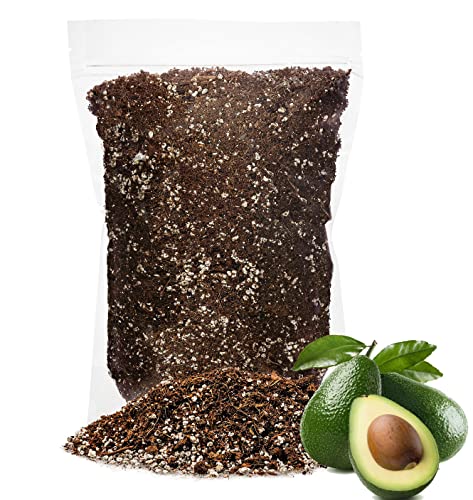
🌳 PROFESSIONALLY MIXED IN THE USA - Each bag is hand blended on our small family farm with premium horticultural grade ingredients: Canadian Peat Moss, Sand, Perlite, Worm Castings, Clay Pebbles (LECA), Lime - 1 QUART BAG

【Expertly Crafted】Meticulously formulated with a blend of organic matter, perlite, and vermiculite for optimal tree growth and fruit production.
Choosing the Right Location
Choose a sunny spot for your avocado tree. Avocados thrive in full sun, so look for an area that gets at least six hours of sunlight each day. Consider wind protection, as strong winds can damage delicate branches. Ensure there’s enough space for the tree to grow, ideally at least 10 to 15 feet away from structures or other trees.
If you live in a cooler climate, plant the tree in a south-facing location to capture maximum warmth. Good drainage plays a critical role in preventing root rot, so raise the planting area if needed.
Preparing the Soil
Prepare the soil to create an ideal growing environment. Avocado trees prefer well-draining, sandy loam soil with a pH between 6.0 and 7.0. To improve drainage, mix one part compost with two parts native soil. This mixture provides essential nutrients while enhancing structure.
Test the soil for nutrient levels, especially nitrogen, phosphorus, and potassium. If necessary, add organic fertilizers to promote healthy growth. Before planting, loosen the soil at least 12 inches deep to encourage root development.
After preparing your soil, dig a hole that is twice the width of the root ball of your avocado tree. This allows the roots to spread easily. Following these steps ensures your avocado tree has the best start for yielding delicious fruit.
Care and Maintenance
Proper care and maintenance are essential for encouraging avocado trees to bear fruit. Focus on watering, fertilizing, and pest management to keep your tree healthy and productive.
Recommended Products
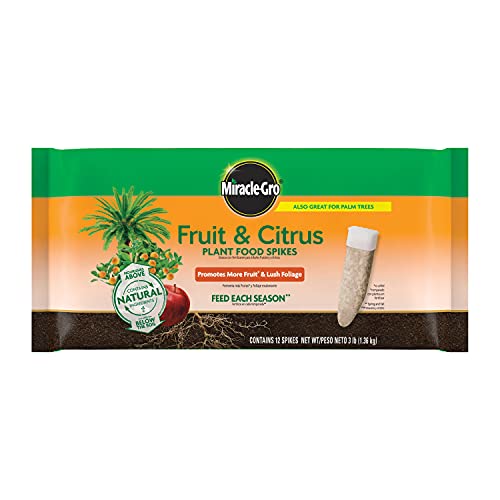
FORMULATED FOR CITRUS AND FRUIT TREES: Use these citrus fertilizer spikes on apple, orange, lemon, lime, and avocado trees; this formula is also great for feeding palm trees

Made for Avocado Plants - This tomato fertilizer is formulated to support healthy growth and fruiting for tomato plants in gardens and containers.

THE SECRET TO THRIVING TREES: The citrus tree fertilizer provides slow-release nitrogen to fuel your trees' vegetative growth
Watering Requirements
Watering significantly impacts avocado tree growth. Allow the top few inches of soil to dry out between waterings. Depending on climate, this may mean watering once every week or two. In hot, dry climates, you might water more frequently. Ensure the water drains well to prevent root rot. Consider using mulch around the base to retain moisture. Adjust your watering based on the season to match the tree’s needs during active growth in spring and summer.
Fertilizing Your Avocado Tree
Fertilizing appropriately supports healthy growth and fruit production. Use a balanced fertilizer specifically formulated for avocado trees or citrus. Apply it three times per year: in early spring, mid-summer, and early fall. Follow the package instructions for quantity based on your tree’s age and size. A slow-release fertilizer can provide nutrients for an extended period. Monitor your tree for signs of nutrient deficiency, such as yellowing leaves, which may indicate the need for additional nutrients.
Encouraging Fruit Production
Encouraging your avocado tree to produce fruit involves effective pollination methods and recognizing signs of fruit development. Understanding these factors boosts your chances of enjoying fresh avocados.
Recommended Products

Precise Manual Pollination: This vegetable pollinator tool provides controlled hand pollination that enhances fruit and vegetable pollination efficiency, helping to increase crop yields by reliance on unpredictable natural pollinators

8 Sizes Set for Varied Plants: this pollinator tool set includes 8 different tip sizes to meet your specific garden needs, allowing you to easily match the brush head to tiny succulent blossoms or large flowers without causing damage

Precise Hand Pollination: This pollinator tool is designed for vegetable pollinator and fruit pollination tasks, helping transfer pollen more directly than relying only on and supporting more self pollination in garden use
Pollination Tips
Pollination plays a key role in avocado fruit production. Avocado trees produce both male and female flowers, but they don’t open at the same time. Here are some helpful tips:
- Plant Multiple Trees: Plant trees of different varieties, like Hass and Fuerte. This increases cross-pollination chances, enhancing fruit set.
- Use Bees: Attract bees to your garden by planting flowers nearby. Bees help transfer pollen between flowers, promoting fertilization.
- Hand Pollination: If natural pollinators are scarce, gently transfer pollen from male flowers to female flowers using a small brush or cotton swab. Do this during midday when flowers are open.
Signs of Fruit Development
Recognizing signs of fruit development allows you to monitor your tree’s progress. Watch for these indicators:
- Flowering: Observe abundant flowering in spring. Healthy flower clusters signal the possibility of fruit.
- Fruit Set: After flowering, small fruit begins to appear. Monitor these tiny avocados closely as they grow.
- Growth Changes: When fruit develops, the tree’s energy shifts. Foliage may appear less vigorous as resources focus on fruit growth.
By applying these pollination tips and observing developmental signs, you can enhance your avocado tree’s fruit production. Take these steps to create a fruitful avocado-growing experience.
Common Challenges
Growing avocado trees can present several challenges that affect their ability to bear fruit. Understanding these obstacles helps you take proactive measures for a successful harvest.
Pest and Disease Management
Pests and diseases threaten the health of avocado trees. Common pests include:
- Avocado Psyllid: This insect feeds on new growth, causing distortion. Treat with insecticidal soap or neem oil.
- Spider Mites: These tiny pests create fine webs on leaves. Use water sprays to dislodge them or introduce predatory mites.
- Scale Insects: They appear as small bumps on branches and leaves. Scrape them off or apply horticultural oil for control.
Diseases also impact fruit production:
- Root Rot: Caused by overwatering, it leads to tree decline. Ensure well-draining soil and avoid soggy conditions.
- Powdery Mildew: This fungal disease manifests as white spots on leaves. Improve air circulation and apply fungicide if necessary.
- Anthracnose: Affects flowers and fruit, causing dark spots. Prune infected areas and apply fungicides as a preventive measure.
Regular inspections and appropriate treatments keep your avocado trees healthy and fruitful.
Troubleshooting Low Fruit Yield
Several factors contribute to low fruit yield. Identifying these issues is crucial for maximizing production.
- Insufficient Pollination: Avocado trees exhibit unique flowering patterns that can hinder pollination. Plant at least two compatible varieties to enhance cross-pollination.
- Water Stress: Inconsistent watering can lead to stress and reduced yields. Ensure the soil dries slightly between waterings, adjusting frequency based on climate.
- Nutrient Deficiencies: Lack of essential nutrients affects fruit set. Apply a balanced fertilizer formulated for avocado trees multiple times a year.
- Improper Pruning: Incorrect pruning practices may remove too many flowering branches. Focus on gentle shaping, retaining adequate foliage for photosynthesis.
Monitoring these elements helps improve fruit yield and encourages flourishing avocado trees in your garden.
Conclusion
Growing an avocado tree can be a rewarding journey when you know the right steps to take. With the right variety and optimal care your tree can flourish and produce delicious avocados right in your backyard.
Remember to provide plenty of sunlight and well-draining soil while keeping an eye on watering and fertilization. Don’t forget about pollination methods and pest management to maintain a healthy tree.
With patience and dedication you’ll be well on your way to enjoying the fruits of your labor. Happy gardening and may your avocado tree thrive!
Frequently Asked Questions
What are the main varieties of avocado trees?
Avocado trees come in three main varieties: Hass, Fuerte, and Bacon. The Hass variety is popular for its rich flavor and creamy texture, while Fuerte is known for its smooth skin and mild taste. Bacon avocados are less oily and have a lighter flavor. Each variety is suited to different climates, so choose one that fits your local conditions for optimal growth.
How much sunlight do avocado trees need?
Avocado trees thrive in full sunlight and need at least six hours of direct sunlight daily. Ensuring your tree receives adequate sunlight is crucial for healthy growth and fruit production. If you’re in a cooler climate, consider a south-facing location to maximize sun exposure.
What type of soil is best for planting avocado trees?
Avocado trees prefer well-draining, sandy loam soil with a pH between 6.0 and 7.0. Mixing compost with your native soil can improve drainage and nutrient levels, creating an ideal environment for healthy root development. Proper soil preparation is essential for successful growth.
How often should I water avocado trees?
Watering should be adjusted based on climate conditions but generally, allow the top few inches of soil to dry out between waterings. Overwatering can lead to root rot, so it’s important to monitor soil moisture regularly and only water when necessary.
What fertilizer is suitable for avocado trees?
Use a balanced fertilizer specially formulated for avocado trees. Apply it in early spring, mid-summer, and early fall. This ensures your avocado tree receives essential nutrients for growth and fruit production. Monitor for nutrient deficiencies, such as yellowing leaves.
How can I enhance pollination for my avocado trees?
To enhance pollination, plant multiple varieties of avocado trees, as they produce both male and female flowers that do not bloom simultaneously. Attract bees with nearby flowering plants, and consider hand pollination if natural pollinators are scarce. This can significantly improve fruit yield.
What are common pests that affect avocado trees?
Common pests include avocado psyllids, spider mites, and scale insects. Each can cause damage to your tree and impact fruit yield. Regularly inspect your plants and apply suitable pest control methods when necessary to maintain healthy avocado trees.
What problems can lead to low fruit yield in avocado trees?
Low fruit yield can result from factors such as insufficient pollination, water stress, nutrient deficiencies, and improper pruning. By addressing these issues and providing adequate care, you can improve your avocado tree’s productivity and enjoy a fruitful harvest.
