

Have you ever noticed ants marching up your fruit trees, seemingly on a mission? It’s a common sight for many gardeners, and while ants might seem harmless, they can lead to bigger problems for your precious fruits. They often protect aphids and other pests that can damage your trees, leaving you frustrated and worried about your harvest.
Key Takeaways
- Understanding Ant Behavior: Ants can harm fruit trees by protecting pests like aphids, so recognizing ant species and their attraction to fruit trees is crucial for management.
- Prevention Techniques: Strategic placement of fruit trees, maintaining tree hygiene, and regularly inspecting for pests are vital steps to deter ants.
- Effective Barriers: Physical barriers such as sticky tape, copper tape, and moats, along with natural repellents like essential oils and diatomaceous earth, can help keep ants away from trees.
- Chemical Solutions: Safe use of insecticides like boric acid, pyrethroids, and insecticidal soaps can effectively control ant populations while safeguarding tree health.
- Monitoring and Maintenance: Regular inspections and long-term strategies, including routine garden clean-up and companion planting, promote a healthy environment that discourages ant infestations.
Understanding Ants and Their Attraction to Fruit Trees
Ants may seem harmless, but their presence can harm your fruit trees. Understanding why ants are attracted to these trees helps you manage and prevent infestations.
Common Ant Species That Target Fruit Trees
- Sugar Ants: These ants are drawn to sweet substances, including nectar and honeydew excreted by aphids.
- Black Garden Ants: Known for nesting in soil, these ants fiercely protect aphids and other pests that damage your fruit.
- Thief Ants: These ants often invade areas with established aphid colonies, seeking out sugary food sources.
- Pavement Ants: Frequently found in urban areas, these ants enjoy sweet tree excretions and can quickly colonize your yard.
- Availability of Food Sources: Ants are attracted to fruit trees due to the abundance of sugars in fruits, flowers, and sticky substances like honeydew.
- Protection of Pests: Ants actively herd and protect aphids and mealybugs, which can weaken your trees and lead to reduced fruit quality.
- Nesting Opportunities: Trees provide shelter and nesting sites, especially if your trees have cavities or decaying areas.
- Climate Preferences: Warm, sunny tree canopies create an ideal environment for ants to thrive, especially during the growing season.
By recognizing the species and reasons behind the attraction, you can more effectively implement strategies to deter ants from your fruit trees.
Prevention Techniques
Preventing ants from invading your fruit trees requires strategic planning and consistent care. Focusing on location and tree hygiene can make a significant difference in keeping ants at bay.
Recommended Products

Protect your garden with Fruit Tree & Plant Guard Concentrate from Bonide! Fruit Tree & Plant Guard is effective in controlling a wide range of fungal diseases and insects.

Control diseases and insects in your garden with Captain Jack’s Fruit Tree Spray Concentrate! Use on a variety of listed fruits, nuts and citrus plants.
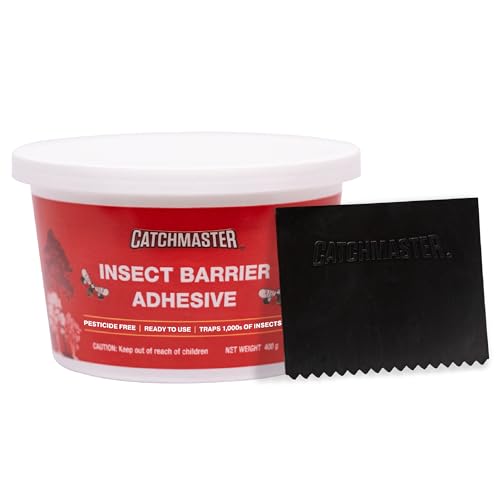
SAVE YOUR TREES: Our specially-formulated Insect Barrier Adhesive can be combined with standard plastic wrap to create tree band sticky traps for bugs. Tree bands are effective at controlling and monitoring invasive species like the spotted lanternfly, cankerworms, moths, black vine weevils, ants, caterpillars, and stink bugs, cicadas, cutworms and other crawling insects
Choosing the Right Location for Your Fruit Trees
Select an open area with good air circulation for planting your fruit trees. Avoid placing them near dense shrubs or piles of debris, as these can provide shelter for ants. Keep trees spaced adequately to reduce canopy overlap, which can create favorable nesting conditions for ants. Consider planting trees away from established ant colonies you’ve identified in your garden.
Maintaining Tree Health and Hygiene
Regularly inspect your fruit trees for signs of pests like aphids and scales. These insects attract ants due to their sugary secretions. If you find any pests, manage them promptly with appropriate treatments such as insecticidal soap or neem oil.
Clean any fallen fruit or debris around the trees, as these can serve as food sources for ants. Mulch your garden with organic materials, keeping it dry to discourage ant nesting. Additionally, prune your trees to promote airflow and remove any dead or diseased branches that may affect overall health.
By implementing these prevention techniques, you can significantly reduce the likelihood of ant infestations and help your fruit trees thrive.
Effective Barrier Methods
Establishing effective barriers can significantly reduce ant activity around your fruit trees. Here are key strategies to consider.
Recommended Products
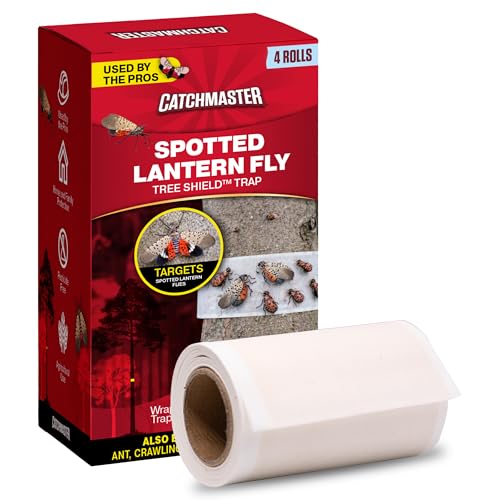
IMPRESSIVE TREE COVERAGE: Catchmaster's Tree Shield Insect Barrier is a heavy-duty crawling and flying insect trap. The tree shield measures 30 feet long, allowing you to protect more of your trees in less time. The 30-foot rolls can be easily cut to adapt to different tree and plant sizes throughout your property

PROTECT 60 TREES FROM LANTERNFLIES AND OTHER PESTS. This bug tape doesn't only work as a spotted lanternfly trap, it will catch any insect that crawls up or down trees, like ants, caterpillars, maggots and beetles.

Extra Long: You will receive 1 roll of tree barrier tape, measuring approximately 165 ft x 2 inch, the extra length provides adequate protection for your multiple trees and plant trunks, and also meets the replacement needs.
Physical Barriers
Install physical barriers to keep ants away from your fruit trees. Wrap tree trunks with sticky tape or glue products specifically designed for pest control. These products trap ants as they attempt to climb the tree. Check the tape regularly, replacing it when it’s filled with insects or debris.
Consider placing copper tape around the base of the trunk. Ants dislike crossing copper due to its metallic properties. Ensure the tape is applied tightly and does not allow for gaps that could serve as entry points.
Another option is to utilize moats. Create a shallow trench filled with water around the base of the tree, making it difficult for ants to access the trunk. Ensure the moat’s width is at least six inches to prevent ants from simply bridging the gap with natural materials.
Natural Repellents
Incorporate natural repellents to deter ants without harming your trees. Essential oils serve as effective options. Peppermint and tea tree oils can repel ants effectively. Mix 10 drops of essential oil with water in a spray bottle and apply it around the base of the tree and on affected areas.
Diatomaceous earth can also provide protection. Sprinkle a thin layer around the base of your fruit trees. This natural powder harms ants’ exoskeletons, causing them to dehydrate. Reapply after rainfall to maintain its effectiveness.
Lastly, creating a solution of vinegar and water can help. Mix equal parts vinegar and water, then spray it on surfaces where ants are likely to travel. Ants are deterred by the strong scent and changing their pathways can reduce their presence.
By integrating these barrier methods into your gardening practices, you can effectively keep ants off your fruit trees and protect your harvest.
Chemical Solutions
Chemical solutions can effectively manage ant populations around fruit trees. You can find insecticides specifically formulated to target ants without harming your trees.
Recommended Products

ATTRACTS & KILLS: Liquid ant bait stations provide comprehensive ant control, targeting common household ants including acrobat, crazy, ghost, little black, odorous house, and pavement ants throughout your home with effective ant traps indoor

Control diseases and insects in your garden with Captain Jack’s Fruit Tree Spray Concentrate! Use on a variety of listed fruits, nuts and citrus plants.

SAY GOODBYE TO BUGS: TERRO Ant Killer Plus kills ants, fire ants, roaches, fleas, crickets, earwigs, millipedes, mites, palmetto bugs, silverfish, sow bugs, and more
Insecticidal Options
- Boric Acid: This natural compound disrupts ants’ digestive systems. Mix it with sugar and water to create a bait solution. Place this bait near the base of trees to attract ants and help eliminate them over time.
- Pyrethroids: These synthetic chemicals act quickly on many insect pests, including ants. Apply them as a spray around the tree’s base, but use sparingly to minimize potential harm to beneficial insects.
- Insecticidal Soaps: These soaps target soft-bodied insects, including those that ants protect, like aphids. Spray directly on affected areas on the tree, focusing on the undersides of leaves where pests may hide.
- Ant Baits: These products contain a slow-acting poison mixed with sugar or protein. Ants carry the bait back to their colony, helping control infestations at the source.
- Read Labels: Always follow the manufacturer’s instructions. Each product has specific guidelines regarding application rates and safety precautions.
- Timing Matters: Apply insecticides in the early morning or late evening when beneficial insects are less active. This timing reduces the risk of unintended impacts on other species.
- Target Specifics: Limit treatments to affected areas to minimize chemical exposure. This strategy prevents unnecessary harm to surrounding flora and fauna.
- Protect Pollinators: Cover blooming plants near fruit trees before applying chemicals. This step ensures that bees and other pollinators remain safe.
- Monitor Results: After treatment, observe ant activity and tree health. Adjust strategies as needed based on effectiveness.
Using these chemical solutions allows effective management of ants, safeguarding your fruit trees without significant environmental impact.
Monitoring and Maintenance
Monitoring and maintenance are essential to keeping ants off your fruit trees. Consistent inspections and proactive strategies ensure your trees remain healthy and productive.
Regular Inspections
Regular inspections of your fruit trees catch any ant activity early. Look for signs of ants on branches, around the base, and on the ground. Focus on areas with sticky residue, as it often indicates aphid or honeydew presence. Check at least once a week during the growing season. Keep a journal to note any changes or patterns. If you notice increased ant activity, address it immediately to prevent larger infestations.
Long-Term Strategies
Long-term strategies help maintain a healthy balance in your garden. Create a routine for keeping your garden clean. Remove fallen fruit and debris promptly, as these attract ants. Invest in companion planting to deter ants naturally; herbs like mint and basil can repel them. Set up bait stations around your trees if you spot persistent ant trails. Choose baits specifically formulated for pest control. Monitor the effectiveness regularly and adjust as needed. By employing these strategies, you build a resilient environment that discourages ants while promoting the health of your fruit trees.
Conclusion
Keeping ants off your fruit trees doesn’t have to be a daunting task. By understanding their behavior and implementing smart strategies you can protect your trees and ensure a bountiful harvest.
Regular monitoring and maintenance are key. Staying proactive with inspections and cleanliness will go a long way in deterring these pesky invaders.
Whether you choose natural repellents or targeted chemical solutions remember to always prioritize the health of your trees. With a little effort and care you’ll create an environment where your fruit trees can thrive free from ant interference. Happy gardening!
Frequently Asked Questions
What role do ants play on fruit trees?
Ants may seem harmless, but they can negatively impact fruit trees by protecting harmful pests like aphids. These pests weaken the tree, leading to damage and reduced harvests.
Why are ants attracted to fruit trees?
Ants are attracted to fruit trees due to available sugary food sources, nesting opportunities, and their preference for warmer environments, which can lead to infestations.
What are common ant species that target fruit trees?
Common ant species that affect fruit trees include Sugar Ants, Black Garden Ants, Thief Ants, and Pavement Ants, all of which can protect pest populations detrimental to tree health.
How can I prevent ants on my fruit trees?
To prevent ants, choose open planting locations with good air circulation. Regularly inspect for pests, manage infestations promptly, and clean fallen fruit or debris around the trees.
What barrier methods can deter ants from fruit trees?
Effective barrier methods include wrapping tree trunks with sticky or copper tape, creating moats with water, and using natural repellents like essential oils, diatomaceous earth, and vinegar solutions.
Are there chemical solutions for managing ants on fruit trees?
Yes, there are insecticides like Boric Acid, Pyrethroids, and Ant Baits specifically for ants. Always follow product labels and apply responsibly to minimize harm to beneficial insects.
How can I monitor ant activity around my fruit trees?
Regular inspections are key to monitoring ant activity. Look for sticky residue indicating pest presence, maintain a clean garden, and set up bait stations to manage persistent ant trails.
What is companion planting, and how can it help with ants?
Companion planting involves growing certain herbs like mint and basil near fruit trees, which can naturally deter ants. This method enhances garden health and reduces ant attraction.
