
Close Menu
    Fruit Tree Hub
    • Home
    • Apple Trees
    • Lemon Trees
    • Mango Trees
    • Orange Trees
    • More Trees
      • Best Fruit Trees
      • Apricot Trees
      • Cherry Trees
      • Fig Trees
      • Lime Trees
      • Mulberry Trees
      • Peach Trees
      • Pear Trees
      • Plum Trees
      • Pomegranate Trees
    • Tips and Advice
      • Tools
    • About Us
      • Contact
      • Privacy Policy
    Fruit Tree Hub
    Home»Tips and Advice»How Many Years Lychee Tree to Bear Fruit: Essential Tips for Successful Growth
    Tips and Advice

    How Many Years Lychee Tree to Bear Fruit: Essential Tips for Successful Growth

    Martha JacksonBy Martha JacksonDecember 18, 20246 Mins Read
    Share Facebook Twitter Pinterest WhatsApp Email
    Share
    Facebook Twitter LinkedIn Pinterest Telegram Email

    Have you ever wondered how long it takes for a lychee tree to start producing those delicious, sweet fruits? If you’re dreaming of enjoying fresh lychees from your own garden, knowing the timeline is key.

    Contents show
    1 Key Takeaways
    2 Understanding Lychee Trees
    3 Factors Influencing Fruit Bearing
    3.1 Climate and Environment
    3.2 Tree Age and Variety
    4 Typical Timeline for Bearing Fruit
    4.1 Young Lychee Trees
    4.2 Mature Lychee Trees
    5 Improving Fruit Yield
    5.1 Proper Care and Maintenance
    5.2 Pollination Practices
    6 Conclusion
    7 Frequently Asked Questions
    7.1 How long does it take for a lychee tree to bear fruit?
    7.2 What factors influence the fruit production of lychee trees?
    7.3 What soil type is best for growing lychee trees?
    7.4 How can I improve the fruit yield of my lychee tree?
    7.5 Are lychee trees self-pollinating?

    Key Takeaways

    • Lychee trees typically start bearing fruit within 3 to 5 years, depending on the variety and growing conditions.
    • Some early-yielding varieties, like Brewster and Hak Ip, can produce fruit as soon as 3 years after planting.
    • Key factors affecting fruit production include climate, soil quality, watering, and fertilization practices.
    • Maintaining consistent moisture and well-draining, nutrient-rich soil enhances growth and fruit yield.
    • Mature lychee trees can produce 50 to 200 pounds of fruit annually with proper care and maintenance.
    • Promoting pollination through nearby flowering plants can significantly improve fruit set and overall yield.

    Understanding Lychee Trees

    Lychee trees (Litchi chinensis) thrive in tropical and subtropical climates. These trees can reach heights of 30 to 40 feet, presenting a lush canopy. Proper care and growing conditions significantly influence fruit production.

    Growing lychee trees takes patience. They typically bear fruit within 3 to 5 years after planting, depending on the variety and climate. Some varieties, such as Brewster and Hak Ip, show early yields. Optimal care can lead to fruit production as early as three years.

    MUST READ
    How to Keep Bugs Off My Fruit Trees: Effective Strategies for a Healthy Harvest

    Factors affecting the time to bear fruit include:

    • Location: Trees planted in favorable climates produce fruit sooner. Do not plant in areas with frost risk.
    • Soil Quality: Well-draining, sandy loam rich in organic matter supports growth. Fertile soil accelerates fruit-bearing.
    • Watering: Insufficient water stunts growth and fruiting. Ensure consistent moisture, especially during dry spells.
    • Fertilization: Regular fertilization increases nutrient availability. Use fertilizers designed for tropical fruit trees.

    Understanding these elements equips you to foster your lychee tree’s growth effectively. Always monitor your tree’s health and adjust care as needed to maximize fruit yield.

    Factors Influencing Fruit Bearing

    Understanding the factors influencing fruit bearing helps you optimize the growth of your lychee tree. Key elements include climate, environment, age, and variety.

    Recommended Products
    Miracle-Gro Tree and Shrub Plant Food Spikes - Deciduous, Flowering & Evergreen Tree Fertilizer Spikes, Hydrangeas, and Acid-Loving Plants, 12 Count, 3 lb.
    Miracle-Gro Tree and Shrub Plant Food Spikes - Deciduous, Flowering & Evergreen Tree Fertilizer Spikes, Hydrangeas, and Acid-Loving Plants, 12 Count, 3 lb.

    LASTING COLOR: Miracle-Gro Tree & Shrub Plant Food Spikes are fertilizer spikes for trees and shrubs; they promote vibrant color and foliage for trees and shrubs in your yard

    VIEW LATEST PRICE

    As an affiliate, we earn on qualifying purchases.

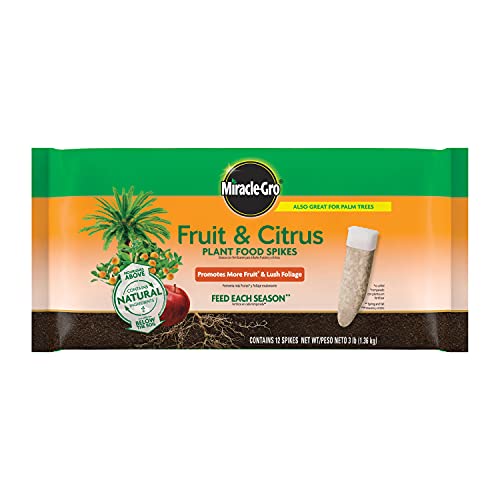
    Miracle-Gro Fruit & Citrus Plant Food Spikes - 10-15-15 NPK Easy-To-Use Nutrition for Fruit and Citrus Trees, Plant Fertilizer, 12 Spikes, 3 lb.
    Miracle-Gro Fruit & Citrus Plant Food Spikes - 10-15-15 NPK Easy-To-Use Nutrition for Fruit and Citrus Trees, Plant Fertilizer, 12 Spikes, 3 lb.

    FORMULATED FOR CITRUS AND FRUIT TREES: Use these citrus fertilizer spikes on apple, orange, lemon, lime, and avocado trees; this formula is also great for feeding palm trees

    VIEW LATEST PRICE

    As an affiliate, we earn on qualifying purchases.

    Jobe’s Organics Granular Fertilizer, Organic Fertilizer for Palm Trees and Plants, 4 lbs Bag
    Jobe’s Organics Granular Fertilizer, Organic Fertilizer for Palm Trees and Plants, 4 lbs Bag

    Package contains 4 pounds organic fertilizer grains for palm trees and plants and is produced to avoid wasteful runoff, mess, hazards and smells

    VIEW LATEST PRICE

    As an affiliate, we earn on qualifying purchases.

    MUST READ
    What to Spray on Fruit Trees to Keep Bugs Away for a Healthy Harvest This Season

    Climate and Environment

    Climate plays a vital role in a lychee tree’s fruit production. Lychee trees thrive in tropical and subtropical areas with temperatures between 68°F and 86°F (20°C to 30°C). Excessive cold can damage the tree’s buds, delaying fruiting.

    Soil quality also impacts growth. Well-drained, sandy loam soils enriched with organic matter support healthy root development. A pH level between 5.5 and 6.5 is ideal for nutrient absorption.

    Humidity levels influence flower and fruit set. A humid environment promotes pollination, while dry conditions can hinder it. Ensure adequate water supply during dry spells, as lychee trees prefer consistent moisture without waterlogging.

    Tree Age and Variety

    Tree age significantly affects when a lychee tree begins to bear fruit. Typically, you can expect fruit production 3 to 5 years after planting. Some varieties, like Brewster and Hak Ip, yield fruit even sooner, within three years, under optimal conditions.

    Different lychee varieties also play a role in fruit-bearing timelines. Early-bearing varieties produce fruit more quickly, while late-maturing ones can take longer but may provide larger yields. Selecting the right variety for your climate and desired harvest enhances your chances of success.

    Typical Timeline for Bearing Fruit

    Lychee trees need several years before they bear fruit. Understanding their growth stages helps ensure a successful harvest.

    Recommended Products

    9EzTropical - Lychee Tropical Fruit Tree - 2 Feet Tall - Grafted Tree - Ship in 1 Gal Pot
    9EzTropical - Lychee Tropical Fruit Tree - 2 Feet Tall - Grafted Tree - Ship in 1 Gal Pot
    VIEW LATEST PRICE

    As an affiliate, we earn on qualifying purchases.

    Apple Tree | Seed Grow Kit | The Jonsteen Company
    Apple Tree | Seed Grow Kit | The Jonsteen Company

    Grow your own apple, a tree of legend that has been cherished and cultivated for thousands of years by people of many cultures from every corner of the world

    VIEW LATEST PRICE

    As an affiliate, we earn on qualifying purchases.

    Lychee Fruit Tree Live Plant, Litchi chinensis, Seed Grown 8-12 Inch, Tropical Fruit Tree for Outdoor Growing, USDA Zones 9-11
    Lychee Fruit Tree Live Plant, Litchi chinensis, Seed Grown 8-12 Inch, Tropical Fruit Tree for Outdoor Growing, USDA Zones 9-11

    TROPICAL FRUIT TREE: Litchi chinensis lychee plant produces sweet, aromatic tropical fruit with translucent white flesh encased in a distinctive red, bumpy textured rind

    MUST READ
    How Long Do Avocado Trees Produce Fruit and Tips for Maximizing Your Harvest
    VIEW LATEST PRICE

    As an affiliate, we earn on qualifying purchases.

    Young Lychee Trees

    Young lychee trees typically take 3 to 5 years to produce their first fruits. Factors like care and environment play crucial roles in this timeline. For example, if you plant a Brewster or Hak Ip variety and meet its ideal growing conditions, it may yield fruit as early as three years. Regular watering, adequate sunlight, and appropriate fertilization during this period promote healthy growth. Make sure to monitor their health closely to support quicker fruiting.

    Mature Lychee Trees

    Once lychee trees reach maturity, usually around 5 to 10 years old, they can produce fruit annually for many years. These trees continue to thrive and yield larger quantities of fruit with proper maintenance. Mature trees can produce anywhere from 50 to 200 pounds of fruit per year. Maintaining ideal soil conditions and consistent watering is essential for maximizing yields. If you’ve selected high-quality varieties and provide the right care, you can expect impressive harvests year after year.

    Improving Fruit Yield

    Improving the yield of your lychee tree involves understanding and applying specific care techniques. These strategies ensure healthy growth and abundant fruit production.

    Recommended Products

    Osmocote Smart-Release Plant Food Plus Outdoor & Indoor1 - Granular, Continuous Release Plant Fertilizer with 11 Essential Nutrients, 8 lbs.
    Osmocote Smart-Release Plant Food Plus Outdoor & Indoor1 - Granular, Continuous Release Plant Fertilizer with 11 Essential Nutrients, 8 lbs.

    CONTINUOUS RELEASE NUTRITION: Osmocote Smart-Release Plant Food Plus Outdoor & Indoor1 granular fertilizer contains 11 essential nutrients and feeds live plants up to 6 full months

    VIEW LATEST PRICE

    As an affiliate, we earn on qualifying purchases.

    Osmocote Smart-Release Plant Food Plus Outdoor & Indoor1 - Granular, Continuous Release Plant Fertilizer with 11 Essential Nutrients, 2 lbs.
    Osmocote Smart-Release Plant Food Plus Outdoor & Indoor1 - Granular, Continuous Release Plant Fertilizer with 11 Essential Nutrients, 2 lbs.

    CONTINUOUS RELEASE NUTRITION: Osmocote Smart-Release Plant Food Plus Outdoor & Indoor1 granular fertilizer contains 11 essential nutrients and feeds live plants up to 6 full months

    MUST READ
    How Often Do Avocado Trees Fruit and Best Tips for Maximizing Your Harvest
    VIEW LATEST PRICE

    As an affiliate, we earn on qualifying purchases.

    10-10-10 Plant Fertilizer Slow Release - 10 10 10 All Purpose Granular Garden Fertilizer for Vegetables, Tomato, Arborvitae, Shrubs, Rose, Flowers, Fruit, Fig Trees (1/2 Quart)
    10-10-10 Plant Fertilizer Slow Release - 10 10 10 All Purpose Granular Garden Fertilizer for Vegetables, Tomato, Arborvitae, Shrubs, Rose, Flowers, Fruit, Fig Trees (1/2 Quart)

    🌿 Balanced 10-10-10 Granular Fertilizer for Outdoor & Indoor Plants: All-purpose plant food with 10% Nitrogen, 10% Phosphorus, and 10% Potassium. Perfect for outdoor vegetable gardens, fruit trees, evergreens, shrubs, lawns, and flowers. Also great for potted plants and indoor gardening. One solution for all your plant needs!

    VIEW LATEST PRICE

    As an affiliate, we earn on qualifying purchases.

    Proper Care and Maintenance

    Proper maintenance includes regular watering, fertilizing, and pruning. Water your lychee tree consistently, ensuring the soil remains moist but not waterlogged. Aim for about 1 inch of water weekly during the growing season. Fertilize with a balanced, slow-release fertilizer every 2 to 3 months from spring through summer. Pruning encourages air circulation and sunlight penetration, helping the tree develop strong branches for fruit production. Focus on removing any dead or crowded branches.

    Pollination Practices

    Pollination significantly influences lychee fruit set. While lychee trees are generally self-pollinating, cross-pollination can enhance yields. Encourage pollinators, like bees, by planting flowering plants nearby. Observe the tree around bloom time, usually in spring. If flower clusters appear too dense and lack bees, gently shake the branches to aid in pollen distribution. To further improve fruit set, consider hand-pollinating during peak bloom when flowers are receptive.

    These methods, when applied consistently, can lead to healthier lychee trees and increased fruit yields over time.

    MUST READ
    When Do Pomegranate Trees Start Producing Fruit: Essential Tips for a Thriving Harvest

    Conclusion

    Growing a lychee tree can be a rewarding experience as you watch it flourish and eventually bear fruit. With the right care and attention you can enjoy delicious lychees in just a few years. Remember that factors like climate, soil quality, and proper maintenance play a huge role in your tree’s success.

    By providing the right conditions and nurturing your tree through its early years you’ll set the stage for bountiful harvests down the road. So stay patient and keep tending to your lychee tree. Before you know it you’ll be savoring the sweet fruits of your labor. Happy gardening!

    Frequently Asked Questions

    How long does it take for a lychee tree to bear fruit?

    Lychee trees typically begin to bear fruit within 3 to 5 years after planting. Under optimal conditions, some varieties, like Brewster and Hak Ip, can produce fruit as early as 3 years.

    What factors influence the fruit production of lychee trees?

    Key factors affecting lychee fruit production include climate, soil quality, watering, fertilization, and tree age. Ideal conditions involve tropical or subtropical climates, well-drained sandy loam soil, and consistent humidity.

    What soil type is best for growing lychee trees?

    Lychee trees thrive in well-drained sandy loam soil with a pH between 5.5 and 6.5. Proper soil quality is essential for healthy root development and optimal fruit yield.

    How can I improve the fruit yield of my lychee tree?

    To enhance fruit yield, ensure regular watering (about 1 inch weekly), apply balanced, slow-release fertilizer every 2 to 3 months during the growing season, and prune the tree to improve air circulation and sunlight penetration.

    Are lychee trees self-pollinating?

    Yes, lychee trees are generally self-pollinating. However, cross-pollination can improve yields, so encourage pollinators by planting nearby flowering plants and consider shaking the branches during bloom time to aid in pollen distribution.

    Share. Facebook Twitter Pinterest LinkedIn Tumblr Email
    martha jackson
    Martha Jackson

      Martha Jackson is an accomplished freelance writer and editor with a strong interest in gardening. With a degree in English from the University of California, Berkeley, Martha has over 15 years of experience writing for a variety of publications. She is passionate about making gardening accessible to all and is always seeking out new techniques and innovations.

      Related Posts

      How Long Until Avocado Trees Bear Fruit and Tips for Faster Growth at Home

      February 20, 2025

      What Yellow Fruit Grows on Trees and Their Delicious Health Benefits

      February 20, 2025

      How to Air Layer Fruit Trees: A Step-by-Step Guide for Successful Propagation

      February 20, 2025

      When Do Grapefruit Trees Produce Fruit and How to Maximize Your Harvest

      February 20, 2025

      What Is a Fast Growing Fruit Tree: Discover Quick-Yield Options for Your Garden

      February 20, 2025

      Do Cherry Blossom Trees Have Fruit? Discover the Truth About Their Edibility and Benefits

      February 20, 2025
      Leave A Reply Cancel Reply

      Affiliate Disclosure

      As an Amazon Associate I earn from qualifying purchases.

      Recommended Reading

      What to Do with Seeded Concord Grapes: Creative Recipes and Preservation Tips

      What Fruit Trees Like Coffee Grounds for Thriving Growth and Better Fruit Production

      How to Make a Fig Tree Produce Fruit: Essential Tips for Thriving Harvests

      How Lemon Tree Bear Fruit: Essential Tips for Growing and Caring for Your Tree

      How to Grow Dragon Fruit Trees: Essential Tips for Thriving Plants and Delicious Harvests

      What Fruit Trees Grow Well in Ohio: Essential Guide for Your Backyard Orchard

      Why Doesn’t My Peach Tree Bear Fruit: Tips for Encouraging a Bountiful Harvest

      What Does Kiwi Grow On: Essential Support and Harvesting Tips Revealed

      Can Lemon Trees Grow in Iowa? Proven Winter Care Methods

      How Big Do Nectarine Trees Grow? Tips to Control Size and Boost Growth

      Fruit Tree Hub

      Fruit Tree Hub is a website dedicated to providing you everything you need to grow fruit trees successfully at in your own yard.

      Contact us at: [email protected]

      - AFFILIATE DISCLOSURE: As an Amazon Associate I earn from qualifying purchases.

      Latest Posts

      Fig Trees in Newark, NJ: Urban Gardening Success Secrets

      Nectarine Trees in a Pot in Maryland: Mid-Atlantic Potting

      Lime Trees in Alabama: Success Tips for Southern Climates

      Jujube Trees in Tucson, AZ: Desert Irrigation Secrets

      Olive Trees in Michigan (Surviving Great Lakes Winters)

      Peach Trees in a Pot in Hawaii: Pro Tips for Tropical Success

      How to Grow Jujube Trees in Oregon: PNW Climate Success

      How to Grow Jujube Trees in Denver, CO: High Altitude Tips

      Categories
      • Almond Trees
      • Apple Trees
      • Apricot Trees
      • Best Fruit Trees
      • Blackberry
      • Cantaloupe
      • Cherry Trees
      • Crochet Ideas
      • Crochet Ideas for Beginners
      • Cucamelon
      • Easy Crochet Ideas
      • Easy Knitting Projects
      • Fig Trees
      • Grapefruit Trees
      • Grapes
      • Guava Trees
      • Honeydew
      • Jujube Trees
      • Kiwi
      • Knitting For Beginners
      • Knitting Ideas
      • Knitting Inspiration
      • Lemon Trees
      • Lime Trees
      • Loquat Trees
      • Mango Trees
      • Mulberry Trees
      • Nectarine Trees
      • Olive Trees
      • Orange Trees
      • Papaya Trees
      • Peach Trees
      • Pear Trees
      • Persimmon Trees
      • Planting
      • Plum Trees
      • Pomegranate Trees
      • Quince Trees
      • Raspberry
      • Reviews
      • Small Crochet Ideas
      • Star Fruit Trees
      • Summer Crochet Ideas
      • Tamarind Trees
      • Tangerine Trees
      • Tips and Advice
      • Tools
      • Uncategorized
      • Walnut Trees
      © 2026 Fruit Tree Hub
      • Home
      • About Us
      • Contact
      • Privacy Policy
      • Terms and Conditions
      • Disclaimer
      • Editorial Policy
      • Affiliate Disclosure

      Type above and press Enter to search. Press Esc to cancel.