

Ever wondered how long it takes for a pomegranate tree to bear fruit? If you’ve planted one in your garden, you’re probably counting the days until you can enjoy those juicy, vibrant seeds. It can be a bit frustrating waiting for your tree to mature, especially when you’re eager to taste the sweet rewards of your hard work.
Key Takeaways
- Fruiting Timeframe: Pomegranate trees typically take 3 to 6 years to produce fruit, with young trees showing early signs within 2 to 3 years if planted correctly.
- Growth Stages: The tree progresses through stages from seedling to maturity, impacting when fruit appears; proper care during these stages is crucial for timely production.
- Environmental Needs: Pomegranate trees thrive in full sun (at least 6 hours daily), well-draining soil, and temperatures between 70°F and 85°F to encourage healthy growth and fruiting.
- Tree Age and Variety Influence: The age of the tree and its specific variety significantly affect fruiting time, with certain cultivars like ‘Wonderful’ bearing fruit earlier than others.
- Care Techniques: Regular watering, pruning, and pest control are essential for optimal fruit production, enhancing the chances of a bountiful harvest.
- Soil Management: Maintaining well-draining soil with a pH of 5.5 to 7.0 supports healthy root development and minimizes the risk of root rot.
Understanding Pomegranate Trees
Pomegranate trees, known for their vibrant flowers and tangy fruits, thrive in warm, dry climates. These deciduous trees can reach heights of 12 to 20 feet and often display a bushy, multi-stemmed appearance.
Growth Stages
- Seedling Stage: When starting from seeds, it takes 3 to 6 years for a pomegranate tree to bear fruit. You’ll see the first signs of flowering within this period.
- Young Tree Stage: If you plant a young tree or a cutting, fruits may appear in just 2 to 3 years. The age at planting directly influences how soon you can harvest.
- Mature Trees: Once fully established, a pomegranate tree can produce fruit annually. A healthy tree will yield 50 to 100 fruits or more each season.
Environmental Requirements
- Sunlight: Pomegranate trees need full sun exposure, ideally around 6 hours daily. This light promotes blooming and fruiting.
- Soil: Well-draining soil is crucial. Sandy or loamy soils with a neutral pH enhance growth and reduce root rot risk.
- Watering: Regular, deep watering every 7 to 10 days supports healthy fruit development, particularly during dry spells.
- Temperature Fluctuations: Pomegranates thrive in temperatures between 70°F and 85°F. Extreme cold can damage blossoms. Using mulch can help regulate soil temperature.
- Pests and Diseases: Watch for pests like aphids and diseases like root rot. Regular inspections and appropriate treatments can mitigate these issues.
By understanding the growth stages and environmental needs of your pomegranate tree, you can optimize fruiting potential and enjoy a bountiful harvest.
Factors Affecting Fruiting Time
Several key factors impact how long a pomegranate tree takes to bear fruit. Understanding these elements can help you optimize the growth of your tree.
Recommended Products

🍎 Boosts Budding & Heavy Fruiting – Encourages more flowers, better fruit set, and abundant harvests with bigger, healthier pomegranates.

Package contains 4 Pounds organic fruit and nut fertilizer grains and is produced to avoid wasteful runoff, mess, hazards and smells

🌳Olive & Fruit Trees: 6-4-6 fertilizer for fruit trees—ideal olive tree fertilizer for potted & outdoor trees; supports healthy growth and fruiting.
Climate and Environment
Climate plays a crucial role in fruiting time. Pomegranate trees thrive in warm climates with long, hot summers. Ideal temperatures range from 70°F to 85°F during the growing season. Cold temperatures below 15°F can damage buds, postponing fruit development. Ensure your tree gets full sun exposure for at least six hours daily. Proper soil drainage and consistency in watering also support healthy growth. Aim for well-draining soil with a pH of 5.5 to 7.0.
Tree Age and Variety
Age significantly influences when your pomegranate tree produces fruit. Younger trees, typically aged 2 to 3 years, often bear limited fruit. In contrast, mature trees, around 4 to 5 years old, produce more abundantly. Different varieties also determine fruiting time. Some cultivars, like ‘Wonderful,’ produce fruit in about 3 years, while others may take up to 6 years or more. Choose a variety suited to your climate and intended use for optimal results.
By considering these factors, you can foster a healthy environment for your pomegranate tree, enhancing its potential to yield sweet, tangy fruits.
Growth Stages of Pomegranate Trees
The growth of a pomegranate tree involves distinct stages, each contributing to its journey from seedling to fruit-bearing mature tree. Understanding these stages helps you manage your expectations and care for your tree effectively.
Germination to Maturity
Germination starts with the seed and can take 1 to 3 weeks. After this period, a seedling appears. For the next 3 to 6 years, the tree enters its juvenile phase, growing roots and foliage. During this time, proper care, like watering and fertilizing, significantly impacts development. Once the tree reaches maturity, at approximately 3 to 5 years of age, it may begin to produce fruit, with healthy specimens yielding 50 to 100 fruits annually.
Flowering Process
The flowering stage typically occurs in late spring to early summer. Bright orange-red blossoms appear, attracting pollinators. Each flower can produce fruit, but not all will successfully develop. For optimal flowering, ensure your pomegranate tree gets 6 to 8 hours of direct sunlight daily. Providing proper watering, especially during dry spells, supports healthy blossoms and increases fruit set. Keep an eye out for pests during this stage, as they can hinder the flower development process. Encourage a balance of pollinators to enhance fruit production and ensure a better harvest.
Typical Timeframe for Fruiting
Understanding the typical timeframe for a pomegranate tree to bear fruit helps manage expectations. Various factors influence when you’ll enjoy your first pomegranate.
Recommended Products

Down to Earth Fruit Tree is a five pound box of all natural fertilizer with 6-2-4 formula and is listed by the Organic Materials Review Institute (OMRI) for use in organic production

Let our professionally formulated plant food help your fruit tree grow healthy, strong AND abundantly producing
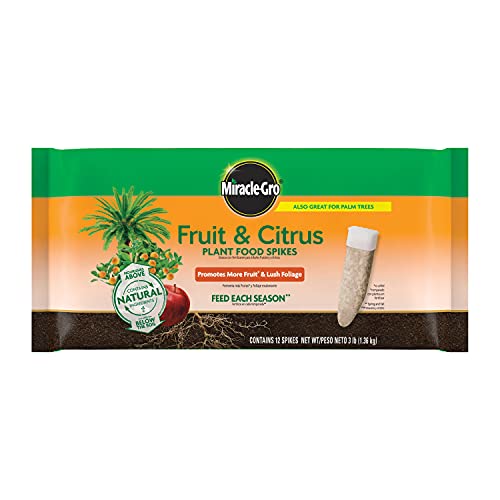
FORMULATED FOR CITRUS AND FRUIT TREES: Use these citrus fertilizer spikes on apple, orange, lemon, lime, and avocado trees; this formula is also great for feeding palm trees
Standard Time Estimates
Most pomegranate trees take between 3 and 6 years to start producing fruit. Generally, young trees may begin yielding a limited number of fruits around their third year. For optimal fruit production, expect significant yields only after 5 to 6 years. Ensuring proper care during the early years aids faster fruiting. For instance, fertilizing annually and maintaining proper watering routines contribute to healthy growth.
Variations Among Different Varieties
Different varieties of pomegranate trees impact fruiting time. The ‘Wonderful’ variety typically begins bearing fruit at about 3 years. In contrast, other cultivars might require up to 4 to 6 years for the first harvest. Knowing the specific variety you’re planting can help set realistic expectations. Installation of labels with variety names and planting dates assists in tracking growth milestones. By selecting suitable varieties for your climate, you can ensure a more timely and fulfilling harvest.
Care Tips for Successful Fruiting
To encourage a fruitful growth cycle in your pomegranate tree, pay attention to its care requirements. Proper management can significantly reduce the time it takes for your tree to bear fruit.
Recommended Products

Kindly NOTE: This soil tester can not be applied to test pH value of any other liquid. If the soil is too dry the indicator will not move, and water it before testing.

Accurate Soil Moisture Detection: The XLUX Soil Moisture Meter can tell you if the soil deep inside your pot or garden is dry, moist or wet; whereas your eyes and fingers can only determine the moisture level of the soil surface. The probe is 5.5 inches (14 cm) longer than regular styles, allowing it to measure the soil moisture at the bottom of larger and deeper flower pots.
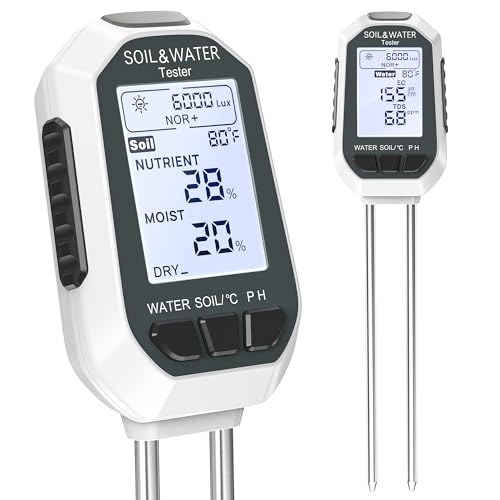
【7-in-1 Features】This is a 7-in-1 multi-function soil tester. Our soil tester quickly measures soil moisture, pH, temperature and light intensity, and its fertility function helps you take better care of your plants. With this device you can measure the soil moisture, pH, temperature and light intensity for your plants and with the EC and TDS functions you will know when it is time to water the soil.
Soil and Water Requirements
Pomegranate trees thrive in well-draining soil with a pH of 5.5 to 7.0. To ensure this, amend your soil with organic matter, such as compost, which improves drainage and nutrient content.
Water your tree deeply but infrequently. Aim for approximately 1 to 2 inches of water every week during the growing season. Avoid overwatering, as this can lead to root rot. During droughts, increase the frequency to keep the soil moist but not saturated.
Pruning and Maintenance
Prune your pomegranate tree annually in late winter or early spring before new growth starts. Focus on removing dead or overcrowded branches, as this promotes better airflow and sunlight penetration.
Fertilize your tree with a balanced fertilizer in early spring and again in mid-summer. A 10-10-10 or similar ratio works well. Follow the package instructions to know the proper amount.
Stay vigilant about pests and diseases. Inspect your tree regularly for signs of aphids, scale, or fungal infections. Implement treatments, such as neem oil or insecticidal soap, promptly to protect the tree’s health and productivity.
By adhering to these care tips, you enhance your pomegranate tree’s conditions for successful fruiting, leading to sweet, tangy rewards in just a few years.
Conclusion
Growing a pomegranate tree can be a rewarding journey filled with anticipation. While it may take a few years for your tree to bear fruit patience is key. By providing the right care and conditions you can help your tree thrive and eventually enjoy a bountiful harvest.
Remember that each variety has its own timeline so keep an eye on your specific tree’s progress. With proper attention to watering soil and pest management your efforts will pay off with sweet and tangy pomegranates that make all the waiting worthwhile. Happy gardening!
Frequently Asked Questions
How long does it take for a pomegranate tree to bear fruit?
Most pomegranate trees take between 3 and 6 years to start producing fruit. The age of the tree and its variety significantly influence this timeframe.
What conditions are best for pomegranate trees?
Pomegranate trees thrive in full sun, requiring 6 to 8 hours of direct sunlight daily, well-draining soil with a pH of 5.5 to 7.0, and regular deep watering.
What pests should I watch out for on my pomegranate tree?
Common pests include aphids, whiteflies, and pomegranate fruit worms. Regular inspections are crucial to catch any infestations early and manage them effectively.
How can I promote faster fruiting in my pomegranate tree?
To encourage faster fruiting, ensure proper watering, apply annual fertilization, and conduct pruning in late winter or early spring for better airflow and sunlight exposure.
What role does the variety of pomegranate tree play in fruiting time?
Different varieties have varying fruiting times; for example, the ‘Wonderful’ variety typically bears fruit in about 3 years, while others may take 4 to 6 years.
