

Have you ever wondered how long it takes for an avocado tree to start producing those delicious fruits? You’re not alone. Many aspiring gardeners dream of planting their own avocado trees, only to be left scratching their heads about when they’ll finally see the rewards of their labor.
Understanding the timeline for avocado production can save you time and help you set realistic expectations. This article will guide you through the factors that influence fruit-bearing, from tree age to environmental conditions. By the end, you’ll have a clear picture of how long you might wait before enjoying your homegrown avocados.
Key Takeaways
- Time to Bear Fruit: Avocado trees typically start producing fruit in 3 to 4 years when grown from grafted nurseries, while seed-grown trees may take 5 to 13 years.
- Variety Matters: Different avocado varieties, such as Hass, Fuerte, Bacon, and Zutano, have varying timelines for fruit production based on their specific growing conditions and characteristics.
- Optimal Growing Conditions: Ensure your avocado tree receives 6 to 8 hours of sunlight daily, is planted in well-draining soil, and is watered deeply but infrequently to promote better fruit yield.
- Maintenance is Key: Regular pruning, proper watering techniques, and balanced fertilization three times a year support healthy tree growth and enhance fruit production.
- Pest and Disease Management: Vigilantly monitor for pests and diseases, employing integrated pest management strategies to protect your avocado trees and maintain their health.
- Environmental Factors: Temperature, humidity, soil quality, and watering practices significantly impact avocado fruit production; maintaining optimal conditions is essential for success.
Understanding Avocado Trees
Avocado trees play a crucial role in fruit production. Knowing your tree’s type and the required growing conditions helps you maximize fruit yield.
Recommended Products

Tailored for Avocado Trees: Specifically designed to meet the nutritional needs and pH requirements of avocado trees for healthy, vigorous growth.

All-Natural: Special blend for growing avocados in containers or as houseplants

Tailored for Avocado Trees: Specifically designed to meet the nutritional needs and pH requirements of avocado trees for healthy, vigorous growth.
Types of Avocado Trees
You’ll find several avocado varieties, each with unique characteristics. Here are the most common types:
- Hass: Known for its creamy texture and rich flavor, the Hass avocado thrives in varied climates. It produces fruit year-round, offering a consistent supply.
- Fuerte: This hybrid variety features a smooth skin and is more tolerant of colder temperatures. It produces fruit from late autumn to spring.
- Bacon: The Bacon avocado has a milder taste and a green skin. This variety typically bears fruit from mid-winter into spring.
- Zutano: Recognized for its early flowering and fruiting, the Zutano avocado grows well in cooler climates. It produces in late summer to early fall.
Select a variety that aligns with your climate and taste preferences.
Growing Conditions for Avocado Trees
You should consider several essential factors for optimal growth of avocado trees:
- Sunlight: Avocado trees require full sun, ideally 6 to 8 hours daily.
- Soil: Well-draining soil is crucial. You can amend heavy soil with sand or compost to improve drainage.
- Watering: Newly planted trees need regular watering to ensure establishment. Once established, avocados prefer deep watering, allowing the soil to dry between sessions.
- Temperature: Avocado trees flourish in USDA Zones 9 to 11. Protect them from frost, as freezing temperatures can cause damage.
Provide these optimal conditions to promote healthy growth and better fruiting potential.
Timeline for Fruit Bearing
Avocado trees typically take several years before they start producing fruit. Understanding the factors that influence this timeline can help you set realistic expectations.
Age When Avocado Trees Start Bearing Fruit
Generally, avocado trees bear fruit starting at 3 to 4 years old if grown from grafted nurseries. Seed-grown trees often take longer, usually 5 to 13 years. The Hass variety, for example, might start producing within 4 to 5 years, while Fuerte may begin fruiting around the same time.
Factors Affecting Fruit Bearing Timeline
Multiple factors impact when avocado trees bear fruit:
- Tree Variety: Different types bear fruit at varying ages. For instance, Bacon avocados may produce earlier than Zutano.
- Growing Conditions: Adequate sunlight (6 to 8 hours daily), well-draining soil, and consistent watering promote quicker fruiting.
- Tree Health: Healthy trees grown under stress-free conditions yield fruit sooner than those facing diseases or nutrient deficiencies.
- Climate: Optimal temperatures range from 60°F to 85°F. Temperatures outside this range can delay fruit production.
By considering these factors, you can enhance your chances of enjoying homegrown avocados in a reasonable timeframe.
Maintenance for Optimal Fruit Production
Maintaining an avocado tree ensures optimal fruit production and encourages healthy growth. Focus on proper pruning, watering, and fertilization practices to enhance yield.
Recommended Products
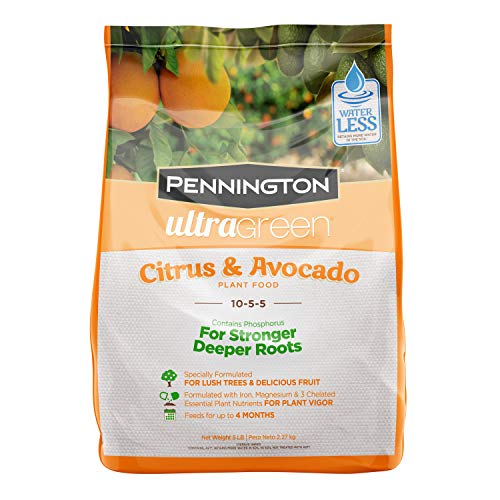
Gives trees the nutritional foundation for plant vigor and productivity
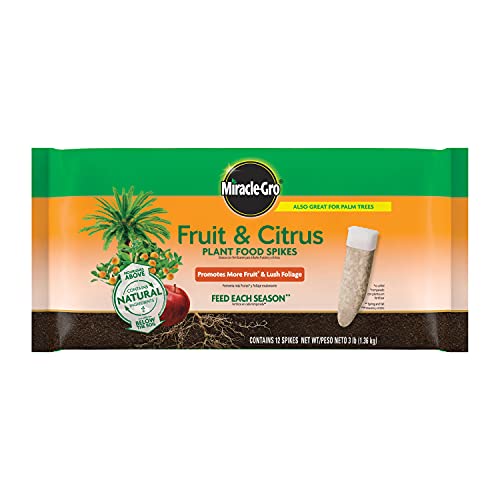
FORMULATED FOR CITRUS AND FRUIT TREES: Use these citrus fertilizer spikes on apple, orange, lemon, lime, and avocado trees; this formula is also great for feeding palm trees
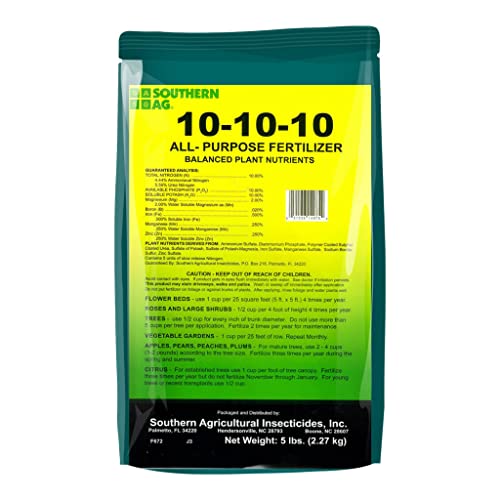
Pruning and Watering Techniques
Prune your avocado tree lightly to promote healthy growth. Remove dead or damaged branches and maintain an open canopy for sunlight circulation. Aim to prune every year, preferably in late winter or early spring, before the growing season starts.
Watering is crucial for fruit development. Regularly check soil moisture and water deeply but infrequently. Allow the top two inches of soil to dry out between waterings. During dry spells, your tree may require weekly watering. In humid areas, reduce frequency to prevent root rot.
Fertilization Practices
Fertilize your avocado tree to support healthy growth and maximize fruit production. Use a balanced fertilizer with equal parts nitrogen, phosphorus, and potassium (e.g., 10-10-10). Apply fertilizer three times a year: once in early spring, once in late spring, and once in late summer. Follow package instructions for dosage based on the tree size.
Additionally, consider adding organic matter, like compost or well-rotted manure, to improve soil structure and nutrient content. This practice encourages a healthy root system and boosts fruit yield.
Common Challenges in Avocado Fruit Production
Avocado cultivation involves managing several challenges that can affect fruit production. Understanding these challenges helps you take proactive steps to ensure a healthy crop.
Pests and Diseases
Pests and diseases pose significant threats to avocado trees. Common pests include:
- Avocado Leaf Roller: This pest damages leaves, reducing photosynthesis.
- Snout Beetle: It feeds on roots, leading to tree decline.
- Spider Mites: These tiny pests create webs and feed on leaf tissue, causing discoloration.
Diseases such as root rot from overwatering or poor drainage can severely impact tree health. Implementing integrated pest management (IPM) strategies ensures effective control. Regular monitoring for pests and signs of disease, along with using organic insecticides when necessary, enhances tree resilience.
Environmental Factors
Environmental factors significantly influence avocado fruit production. Key considerations include:
- Temperature: Ideal temperatures range from 60°F to 85°F. Extended exposure to temperatures below 30°F can damage trees.
- Humidity: High humidity levels can encourage fungal diseases. Ensure adequate airflow around trees to reduce moisture buildup.
- Soil Quality: Well-draining soil is crucial. Heavy, compacted soils can lead to root diseases. Test soil pH regularly; optimal levels range from 6 to 7.
- Watering: Deep, infrequent watering is essential. Avoid soggy soils by letting the top two inches dry out between waterings to promote healthy root growth.
By addressing these challenges, you can maximize your avocado trees’ health and fruit production.
Conclusion
Growing your own avocado tree can be a rewarding journey. While you might need to exercise a bit of patience before enjoying those delicious fruits it’s all part of the process. By choosing the right variety and providing optimal care you’ll set yourself up for success.
Remember to keep an eye on the environmental factors and maintain good tree health. With the right approach and a little nurturing your avocado tree can become a fruitful addition to your garden. Soon enough you’ll be savoring the taste of fresh avocados right from your backyard. Happy gardening!
Frequently Asked Questions
How long does it take for an avocado tree to produce fruit?
Avocado trees generally take several years to bear fruit. Grafted varieties typically start producing fruit in 3 to 4 years, while seed-grown trees can take between 5 to 13 years. The timeline can vary based on the tree’s variety, growing conditions, and overall health.
What are the different types of avocado trees?
The main types of avocado trees include Hass, Fuerte, Bacon, and Zutano. Each variety has its unique characteristics, flavors, and growing requirements. It’s important to choose a type that fits your climate and taste preferences for the best results.
What growing conditions do avocado trees need?
Avocado trees thrive in full sunlight, well-draining soil, and consistent temperatures ranging from 60°F to 85°F. Proper watering techniques involve allowing the top two inches of soil to dry out before watering again, promoting healthy growth and fruit production.
What maintenance do avocado trees require?
To ensure optimal growth and fruit yield, avocado trees need regular maintenance. This includes light pruning to encourage sunlight circulation, deep but infrequent watering, and fertilization with a balanced fertilizer three times a year, along with adding organic matter like compost.
What pests and diseases affect avocado trees?
Common pests include the avocado leaf roller, snout beetle, and spider mites. It’s essential to employ integrated pest management (IPM) strategies for effective control. Additionally, environmental factors such as temperature and humidity can influence tree health and fruit production.
