

Have you ever wondered if you need two mango trees to enjoy a juicy harvest? If you’re dreaming of that sweet, tropical flavor in your backyard, you’re not alone. Many aspiring gardeners face this question when planning their fruit trees.
Imagine planting a mango tree only to find out it won’t bear fruit without a companion. Frustrating, right? In this article, you’ll discover whether one tree is enough or if you really need a buddy for your mangoes to thrive. By the end, you’ll have the clarity you need to make the best choice for your garden and enjoy those delicious mangoes sooner than you think.
Key Takeaways
- Self-Pollination Capability: Mango trees can self-pollinate due to the presence of both male and female flowers, allowing a single tree to produce fruit on its own, particularly varieties like “Tommy Atkins.”
- Benefits of Cross-Pollination: Planting two or more mango trees enhances cross-pollination, leading to improved fruit yield, quality, and resilience against pests and diseases.
- Influencing Factors for Production: Key elements such as tree age, health, environmental conditions, and proper care significantly impact mango fruit production, with young trees generally not bearing fruit until they are three to five years old.
- Optimal Growing Conditions: Mango trees thrive in warm climates with full sun exposure and well-draining soil. It’s essential to protect them from strong winds and provide adequate watering during dry spells.
- Proper Planting Techniques: Space mango trees 10 to 15 feet apart for optimal growth and pollination, ensuring that each tree has enough room for healthy root development and airflow.
- Ongoing Maintenance Needs: Routine care, including fertilization, pruning, watering, and pest management, is crucial to maintaining healthy mango trees and maximizing fruit production.
Understanding Mango Tree Pollination
Mango tree pollination plays a vital role in fruit production. Knowing how this process works can guide your decisions about planting mango trees in your garden.
Self-Pollination in Mango Trees
Mango trees possess both male and female flowers, enabling self-pollination. In many cases, a single tree can produce fruit without needing another tree for genetic material. Factors like flower structure and natural pollinators, such as bees, can enhance this process. For example, the “Tommy Atkins” variety often self-pollinates successfully, resulting in a bountiful harvest even if other trees aren’t nearby.
Cross-Pollination Benefits
While self-pollination can lead to fruit production, cross-pollination enhances yield and fruit quality. When two mango trees are present, it increases genetic diversity, which can improve resilience to pests and diseases. The “Haden” mango demonstrates how cross-pollination can create larger, sweeter fruit. Planting multiple varieties close together allows you to take advantage of this phenomenon. Aim for distances of 10 to 15 feet between trees to ensure effective pollination by insects.
Understanding the dynamics of mango tree pollination can help you make the best choice for your garden. Whether you opt for one tree or two, knowing the benefits of both self and cross-pollination leads to a more fruitful experience.
Factors Influencing Mango Tree Fruit Production
Mango tree fruit production relies on several key factors that can impact your potential harvest. Understanding these elements can help you optimize your gardening efforts.
Tree Age and Health
Tree age significantly influences mango fruit production. Young trees, typically under three years, may not produce fruit. Trees begin to bear fruit at around three to five years. Healthy trees yield more fruit, so proper care is essential. Ensure trees receive adequate water and nutrients. Regular pruning helps maintain health and shape, allowing sunlight to reach all parts. Consider these guidelines for tree health:
- Fertilize twice a year using a balanced fertilizer.
- Mulch around the base to retain moisture and suppress weeds.
- Inspect leaves for pests and diseases regularly.
Environmental Conditions
Mango trees thrive in specific environmental conditions. They prefer warm, sunny climates and tolerate temperatures between 70°F and 100°F. Adequate sunlight, ideally six to eight hours daily, promotes better fruit set. Water management is crucial during dry periods. Here are key environmental considerations:
- Plant in well-draining soil, as mango trees dislike standing water.
- Protect from strong winds that can damage branches and flowers.
- Ensure your planting site receives full sunlight for optimal growth.
By understanding these factors, you can enhance your chances of enjoying a bountiful mango harvest.
Cultivating Mango Trees
Growing mango trees can be a rewarding endeavor. Understanding the right approaches ensures successful fruit production.
Recommended Products

🌳 Mango Majesty Unveiled: Elevate your Mango Tree care with Gardenera's meticulously crafted Mango Tree Potting Mix, designed to nurture the growth and bounty of your mangoes.

🌳 Mango Majesty Unveiled: Elevate your Mango Tree care with Gardenera's meticulously crafted Mango Tree Potting Mix, designed to nurture the growth and bounty of your mangoes.

Choosing the Right Varieties
Select mango varieties based on your climate and personal preference. Varieties known for self-pollination, such as “Tommy Atkins” and “Keitt,” work well if you plant just one tree. For better yields, consider cross-pollinating varieties like “Haden” or “Kent.” These can produce larger, sweeter fruits when planted in proximity. Generally, aim for varieties that thrive in your specific region’s conditions, emphasizing disease resistance and fruit flavor.
Planting Techniques
Use proper planting techniques to promote healthy mango trees. Start with well-draining soil, as mango trees dislike excess moisture. Dig a hole twice as wide as the root ball and at least as deep. Place the tree inside, ensuring the root collar sits above soil level. Backfill and water thoroughly to remove air pockets.
Space your trees 10 to 15 feet apart if planting multiple varieties. This distance encourages better airflow and facilitates pollination by insects. For optimal growth, plant in spring after the last frost. Ensure the site receives full sun, as mango trees thrive in bright conditions.
Addressing Common Concerns
Understanding mango tree requirements helps you make informed decisions. Let’s delve into specific aspects like space needs and maintenance for successful cultivation.
Recommended Products
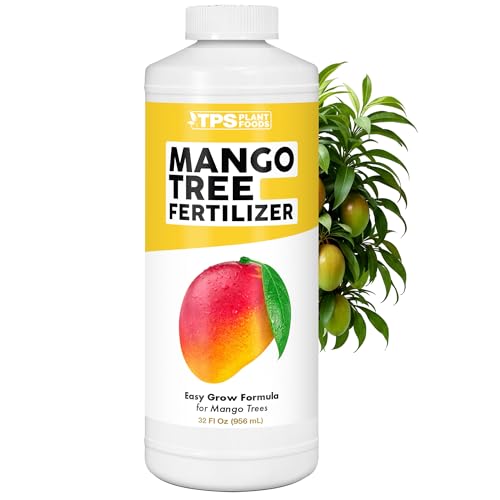
Made for Mango Trees – Formulated to support healthy growth in mango and tropical fruit trees.
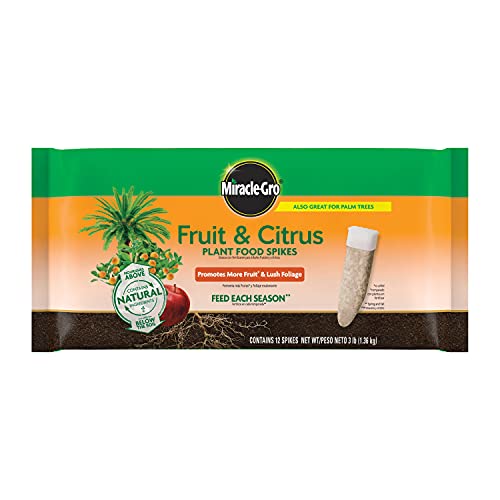
FORMULATED FOR CITRUS AND FRUIT TREES: Use these citrus fertilizer spikes on apple, orange, lemon, lime, and avocado trees; this formula is also great for feeding palm trees

4-Hole Side Design: This high-performance tree watering spike makes it easy to deliver water and fertilizer directly to the root zone. The upgraded side-hole design helps improve watering efficiency, while the sharp tip makes it easy to push into hard or compact soil. The 4 side outlets help reduce clogging and distribute water more evenly for deep root watering and feeding.
Space Requirements
Mango trees require ample space to grow effectively. Each tree needs, at minimum, 10 to 15 feet of separation from others. This distance allows roots to access nutrients without competition and promotes better airflow. When planting multiple trees, consider layout patterns that maximize sunlight exposure, such as staggered rows or clusters. Ensure the selected space has well-draining soil to prevent root rot and encourage healthy growth.
Maintenance and Care
Proper maintenance boosts the chances of fruit production. Prioritize these care tips to maintain your mango trees:
- Fertilization: Apply balanced fertilizer twice a year in early spring and late summer. Follow package instructions to avoid over-fertilizing.
- Pruning: Regularly trim your trees to remove dead or crowded branches. This practice enhances sunlight penetration and airflow, supporting fruit development.
- Watering: Water consistently during dry spells but avoid soggy conditions. A deep soaking once a week suffices. Adjust based on rainfall and soil moisture.
- Pest Management: Monitor for common pests like aphids or mealybugs. Use organic insecticidal soap to manage infestations effectively.
By adhering to these guidelines, you’ll create an optimal environment for your mango trees to thrive and produce fruit.
Conclusion
You don’t necessarily need two mango trees to enjoy a bountiful harvest. A single tree can produce fruit on its own thanks to its ability to self-pollinate. However if you’re looking to boost your yield and enhance fruit quality consider planting a second tree nearby.
Choosing the right variety and ensuring your tree gets the care it needs can make all the difference. With proper maintenance and the right conditions you’ll be well on your way to enjoying delicious mangoes right from your backyard. Happy gardening and may your mango trees thrive!
Frequently Asked Questions
Can one mango tree produce fruit on its own?
Yes, a single mango tree can produce fruit without the need for another tree. Many mango varieties, like “Tommy Atkins,” can self-pollinate due to the presence of both male and female flowers.
Why should I consider planting two mango trees?
While one mango tree can bear fruit, planting two different varieties can enhance cross-pollination, leading to better fruit quality and higher yields due to increased genetic diversity.
How far apart should mango trees be when planted?
Mango trees should be planted 10 to 15 feet apart to ensure healthy growth, proper airflow, and maximize pollination by insects.
What factors influence mango tree fruit production?
Key factors include the tree’s age, health, and environmental conditions. Young trees under three years old may not produce fruit, while healthy trees receive proper care yield more fruit.
What are some tips for maintaining mango trees?
To maintain mango trees, fertilize them twice a year, prune regularly, provide adequate water, and ensure they receive full sun exposure. Protect them from strong winds as well.
What is the best time to plant mango trees?
The best time to plant mango trees is in spring after the last frost. This ensures optimal growth conditions for your new trees.
Which mango varieties are best for single planting?
Self-pollinating varieties like “Tommy Atkins” and “Keitt” are well-suited for single tree planting, as they can produce fruit without another tree nearby.
How do I ensure my mango tree gets enough sunlight?
Mango trees thrive in warm, sunny climates, so ensure that they are planted in a location that receives full sun for optimal growth and fruit production.
