

Ever wondered when those beautiful cherry trees in your yard will start producing fruit? If you’ve planted one or simply enjoy their blossoms, knowing when to expect those juicy cherries can be exciting.
Cherry trees can be a bit tricky, and understanding their fruiting cycle is key to enjoying a bountiful harvest. This article will guide you through the factors that influence cherry production, so you can plan ahead and make the most of your cherry tree. Whether you’re a seasoned gardener or a curious novice, you’ll find valuable insights to help you enjoy the sweet rewards of your efforts.
Key Takeaways
- Cherry Tree Types: There are two main types of cherry trees—sweet and sour—each with different growth and fruiting timelines.
- Growth Timeline: Expect cherry trees to take approximately 4 to 7 years to start producing fruit after planting, with sweet varieties often taking longer than sour ones.
- Pollination Importance: Successful pollination is crucial for fruit set; planting multiple compatible cherry trees can enhance your chances of a good harvest.
- Environmental Factors: Weather conditions, such as late frosts and consistent temperatures, significantly impact blooming and fruit production.
- Care Practices: Regular watering, balanced fertilization, and proper pruning during growth stages are essential to promote healthy fruit development and maximize yield.
Understanding Cherry Trees
Cherry trees generally belong to two main categories: sweet cherries and sour cherries. Both types have unique characteristics influencing their fruiting timeline and care needs.
Growth Stages of Cherry Trees
Cherry trees undergo several growth stages before producing fruit:
- Planting: Choose a location with full sunlight and well-drained soil. Opt for a site protected from strong winds.
- Establishment: Allow 2 to 3 years for roots to settle after planting. During this period, regular watering and mulching are crucial.
- Blooming: After 3 to 4 years, cherry trees typically reach flowering age. Flowers are essential for subsequent fruit development.
- Fruiting: Generally, in 4 to 7 years, your cherry tree begins to yield fruit. Sweet varieties usually take longer than sour ones.
Conditions Influencing Fruit Production
Several factors affect when cherry trees produce fruit:
- Pollination: Most sweet cherry varieties require cross-pollination for fruit set. Planting multiple trees enhances the chances of successful pollination.
- Weather: Early spring frosts can damage blossoms, reducing fruit yield. A mild spring supports better fruit set.
- Care Practices: Regular pruning promotes air circulation and light penetration, contributing to healthier trees and more fruit.
Common Varieties and Their Fruiting Times
Different cherry varieties yield fruit at varying times. Here’s a quick breakdown:
| Cherry Variety | Fruiting Age (Years) | Type |
|---|---|---|
| Bing | 4 to 7 | Sweet |
| Montmorency | 3 to 5 | Sour |
| Rainier | 5 to 7 | Sweet |
| Tartarian | 4 to 6 | Sweet |
Caring for Cherry Trees
Follow these tips to enhance fruit production:
- Watering: Keep the soil consistently moist, especially during dry spells. Deep, infrequent watering encourages deeper root growth.
- Fertilization: Apply a balanced fertilizer in early spring, using options with high potassium to boost fruit quality.
- Pruning: Winter is the best time for pruning. Remove dead or crowded branches to allow light to reach fruit-bearing areas.
Understanding cherry trees and their specific needs ensures a fruitful harvest. By considering growth stages, environmental factors, and proper care, you’ll enjoy delicious cherries from your garden.
Growth Stages of a Cherry Tree
Cherry trees go through distinct growth stages, critical for understanding when you can expect fruit production. These stages include the germination process, early growth phases, blooming, and fruiting.
Recommended Products
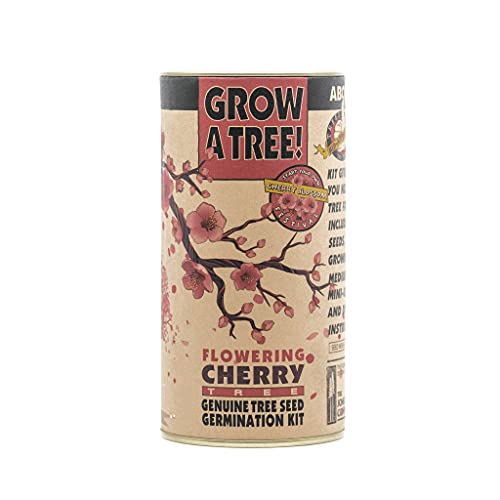
Grow your own tree from seed!

FREE EXTRA SEEDS!! Avergo’s bonzie starter kit comes with additional seed packets just in case you’ll need more

Grow one of Washington D.C.'s iconic cherry trees from seed!
Germination Process
The germination process begins when you plant cherry seeds or seedlings. The ideal soil temperature for germination is between 70°F and 85°F. Moisture is crucial, so keep the soil consistently damp without overwatering. Germination typically takes 2 to 4 weeks. Once the seedling emerges, it will develop roots and leaves, signaling the start of a new cherry tree.
Early Growth Phases
In the early growth phases, cherry trees focus on building a strong structure. This stage lasts from year one until the tree reaches maturity. During this time, you must ensure proper sunlight exposure, providing at least 6 hours of direct sunlight daily. Water your tree regularly, aiming for about 1 inch of water per week, especially during dry periods. Additionally, consider using organic mulch to retain soil moisture and suppress weeds. Proper care during these phases lays the foundation for blooming and fruiting, which usually begins within 4 to 7 years.
Following these guidelines helps foster healthy cherry trees, setting them up for a successful fruiting cycle ahead.
Factors Affecting Fruit Production
Understanding the various factors that influence fruit production in cherry trees helps you maximize your yield. Several elements play crucial roles in determining when and how much fruit your tree will produce.
Recommended Products

Extra Thick Tree and Plant Covers for Winter: Scrubits Frost Blankets for outdoor plants and Trees will ensure that your Trees and large plants not only survive the winter but thrive and grow to blossom. With its extra thick fabric and long-lasting material, you can be confident about next year's harvest.

PACKAGE: The package includes 4Pcs plant covers,will meet your daily use or replacement. Measuring 31.5" x 47.3", the plant protector is waterproof, windproof.

Great Helper for Gardening: This YDSL plant covers freeze protection is ideal for gardening enthusiasts and gardeners to protect plants and vegetables, so that your favourite plants can grow as safely as possible in an environment that is more suited to their needs. Garden bed cover is not only suitable for professional growers, but also for beginners in transplanting techniques, with which planting can be done with ease.
Tree Age and Maturity
Tree age significantly affects fruit production. Typically, cherry trees begin to produce fruit between 4 to 7 years after planting, with sweet varieties taking longer than sour varieties. Younger trees may produce a limited number of cherries, while mature trees yield larger quantities. After reaching full maturity, around 10 to 15 years, some trees can produce hundreds of pounds of fruit each season, depending on their variety and health.
Climate and Weather Conditions
Climate and weather conditions greatly impact fruit production. Cherry trees thrive in temperate climates with well-defined seasons. Ideal temperatures for blooming range from 60°F to 70°F. However, late frosts can harm blossoms, leading to reduced fruit yields. Additionally, prolonged rain during blooming can affect pollination, decreasing harvests. On the other hand, too much heat can cause early blooming, leading to the same frost risks. Monitoring both the forecast and seasonal temperatures ensures that you’re prepared for any challenges.
Soil Quality and Nutrients
Soil quality and nutrients play a vital role in the health of cherry trees and their fruiting capabilities. Well-draining soil rich in organic matter supports healthy root systems and promotes better growth. A soil pH level between 6.0 and 7.0 is optimal for cherry trees. Regularly amend your soil with compost or well-rotted manure to provide essential nutrients. Conducting soil tests every few years helps you identify nutrient deficiencies or pH imbalances, allowing you to take corrective measures for a fruitful harvest.
Timeline for Fruit Production
Cherry trees follow a distinct timeline for fruit production that involves several key stages. Understanding these stages helps you anticipate when to expect cherries and optimize their growth.
Recommended Products

Fragrant Flowers: Trees bloom with sweet-smelling flowers in late spring and early summer, providing a valuable source of nectar for pollinators like bees and holding significant ecological value

Sweet cherry seedlings grow quickly, reaching heights of 2 to 4 inches in about a month after germination. Trees may live as long as 250 years.
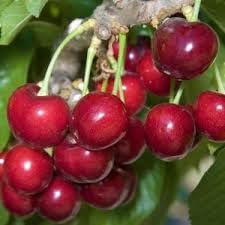
COMPACT SIZE: Dwarf cherry tree variety perfect for container growing, making it ideal for patios, decks, and small gardens
First Blossoms and Pollination
Cherry trees typically begin to bloom in spring, approximately 4 to 7 years after planting. Sweet cherry trees bloom later than sour varieties. Blossom time relies on climate; warmer winters may lead to earlier blooms. During this phase, effective pollination is crucial. Cherries are often not self-pollinating. You must plant compatible varieties nearby to facilitate cross-pollination.
Wind and bees play a significant role in this process. Aim to have at least two different varieties blooming simultaneously to enhance pollination success. Expect the first blossoms around mid-March to early April, depending on your region.
Fruit Development and Ripening
Once pollination occurs, fruit development begins. Initially, tiny green cherries form, and they grow and change color as they ripen. This stage can take anywhere from 60 to 100 days, depending on the variety and weather conditions. Sour cherries generally ripen faster than sweet cherries.
During this period, proper care impacts fruit quality and yield. Water regularly to keep the soil consistently moist, but avoid overwatering. Fertilizing with a balanced fertilizer can also support healthy fruit growth. Harvest usually occurs in late June through early August for sour cherries, while sweet cherries often ripen in July.
Track the changes in your cherries’ color; they transition from green to a rich red or yellow, depending on the variety. Taste a few cherries to check for sweetness and firmness—this test confirms they’ve reached optimal ripeness.
Conclusion
Growing cherry trees can be a rewarding journey filled with anticipation and joy. With the right care and understanding of their fruiting cycle you can enjoy a bountiful harvest in just a few years. Remember to choose the right varieties and ensure proper pollination for the best results.
As you nurture your trees through their growth stages you’ll not only witness the beauty of their blossoms but also the sweet reward of ripe cherries. So keep an eye on those colors and enjoy the process of growing your own delicious fruit. Happy gardening!
Frequently Asked Questions
What is the typical timeline for cherry trees to produce fruit?
Cherry trees usually take 4 to 7 years to start producing fruit after planting. Sour cherries tend to bear fruit sooner than sweet cherries, which require a longer growing period before yielding.
Do cherry trees need cross-pollination?
Yes, many cherry trees need cross-pollination to produce fruit. Planting at least two compatible varieties nearby can enhance pollination success, as most cherry trees are not self-pollinating.
When do cherry trees bloom and ripen their fruit?
Cherry trees generally bloom in spring, around 4 to 7 years post-planting. The fruit typically ripens 60 to 100 days after blooming, with sour cherries ripening from late June to early August, while sweet cherries are ready in July.
What factors affect the fruiting of cherry trees?
Factors that influence cherry production include proper pollination, weather conditions, and effective care practices like regular watering and pruning. Ensuring compatible varieties and optimal growing conditions is essential.
How can I tell when cherries are ripe for harvest?
To determine ripeness, monitor color changes in the cherries and taste test them. Sweet cherries ripen throughout July, while sour cherries are usually ready from late June to early August.
