

Have you ever watched a squirrel make a feast out of your carefully grown fruit? It’s frustrating to see your hard work go to waste. If you’re tired of those little critters raiding your trees, you’re not alone. Many gardeners face the same challenge every year.
Key Takeaways
- Understanding Squirrel Behavior: Squirrels are attracted to fruit trees due to food availability, shelter, and their instinct to collect food for winter.
- Selecting Squirrel-Resistant Trees: Planting varieties like persimmons, pawpaws, and quinces can help deter squirrels while still allowing you to harvest fruit.
- Implementing Physical Barriers: Using tree wraps, netting, and copper tape can effectively prevent squirrels from climbing your trees.
- Utilizing Repellent Strategies: Employ natural deterrents such as spicy sprays, garlic solutions, and essential oils, alongside commercial repellents for added protection.
- Regular Tree Maintenance: Consistently prune branches, clean fallen fruit, and inspect for signs of squirrel activity to maintain tree health and reduce attraction.
- Ongoing Monitoring: Observing squirrel patterns and utilizing surveillance tools can help you adapt your strategies and maintain control over potential infestations.
Understanding Squirrel Behavior
Understanding squirrel behavior helps you devise effective strategies to protect your fruit trees. Squirrels are clever and persistent creatures, often seeking easy food sources.
Why Squirrels Are Attracted to Fruit Trees
Squirrels are drawn to fruit trees for several reasons.
- Food Source: Fruit provides essential nutrients. Squirrels enjoy apples, pears, and peaches, among others.
- Shelter: Trees offer safe spaces to nest and hide from predators, increasing their likelihood of returning.
- Natural Instinct: Squirrels instinctively collect and store food for winter, making fruit trees an appealing target.
When you understand these attractions, you can implement measures to deter them effectively.
Common Types of Squirrels Around Fruit Trees
Different types of squirrels may frequent your garden, each with specific behaviors.
- Gray Squirrels: Common in North America, they often raid bird feeders and fruit trees, especially in urban areas.
- Red Squirrels: Smaller in size, they tend to be aggressive and may invade gardens in search of food.
- Fox Squirrels: Larger and more adaptable, they explore various habitats and are known to forage widely for fruit.
Recognizing these species allows you to tailor your approach to keeping them away from your fruit trees.
Preventative Measures
You can use several methods to keep squirrels out of your fruit trees effectively. These strategies help minimize squirrel activity and protect your garden.
Recommended Products

Effective Fruit Tree Netting: Premium Garden netting creates a barrier to protect your fruit trees, blueberries, apples, tomatoes, and berries, ensure the health and...
Choosing the Right Tree Varieties
Selecting squirrel-resistant fruit tree varieties can make a significant difference. Consider planting trees like:
- Persimmon Trees: Squirrels often avoid these due to the tough skin and unique taste.
- Pawpaw Trees: These trees are less appealing to squirrels but attract other beneficial wildlife.
- Quince Trees: The sour flavor deters squirrels, making these a suitable choice for your garden.
These trees provide fruit without attracting unwanted visitors, allowing you to preserve your harvest.
Implementing Physical Barriers
Installing physical barriers effectively deters squirrels from accessing your trees. These options include:
- Tree Wraps: Use metal mesh or plastic wraps around the trunk. This barrier prevents squirrels from climbing.
- Netting: Cover your fruit trees with bird or garden netting. Ensure it is secured tightly to prevent squirrels from sneaking underneath.
- Copper Tape: Applying copper tape around tree trunks creates a slippery surface that’s challenging for squirrels to navigate.
These barriers act as an effective deterrent, keeping squirrels away from your valuable fruit.
Repellent Strategies
Effective repellent strategies can help keep squirrels away from your fruit trees. You can use both natural and commercial methods to deter these critters without harming them.
Recommended Products

Fast Acting, Easy to Use, and Dries Clear: Keep Squirrels Out of Your Garden! Works as a repellent and training tool for Chipmunks & Squirrels. Squirrel Mace works as a flower bulb protection spray. Powerful, with a high percentage of active Ingredients. Lasting protection, with weather-resistant sticking agents. Keep squirrel & chipmunks from destroying trees, planters and bird feeders/safe to use around children & plants.

Control diseases and insects in your garden with Captain Jack’s Fruit Tree Spray Concentrate! Use on a variety of listed fruits, nuts and citrus plants.

Keep Squirrels & Chipmunks from Digging, Chewing, & Nesting: Protect gardens, bird feeders, attics, garages, and vehicles from destructive small animals. This squirrel repellent spray creates a sensory barrier through smell, taste, and touch that squirrels and chipmunks instinctively avoid. Do not apply to plants, as burning may occur. Apply to surrounding areas only.
Natural Repellents
Natural repellents can create an unpleasant environment for squirrels. Here are some options:
- Spicy Sprays: Mix cayenne pepper, water, and dish soap in a spray bottle. Spray this mixture on leaves and fruits. The strong scent and taste can deter squirrels.
- Garlic Solution: Boil garlic cloves in water. Once cooled, strain the mixture and spray it on your trees. The smell can make squirrels think twice before approaching.
- Essential Oils: Apply peppermint or citrus essential oils around the base of the tree. Squirrels find these scents unappealing, which can discourage them.
- Coffee Grounds: Scatter used coffee grounds around the base of your trees. The odor may repel squirrels and can provide nutrients to the soil.
Commercial Squirrel Repellents
Commercial repellents offer convenient options for deterring squirrels. Check for the following types:
- Granular Repellents: These contain active ingredients that repel squirrels through scent. Spread them around the base of your trees for added protection.
- Liquid Repellents: These work similarly to natural sprays but contain specific chemicals designed to deter pests. Follow the instructions on the label for the best results.
- Motion-Activated Sprays: Devices that release a spray when they detect motion can startle squirrels away from your trees.
- Ultrasonic Repellers: These emit high-frequency sounds that are unpleasant to squirrels but inaudible to humans. Place them strategically around your garden for maximum effect.
Implementing these repellent strategies can significantly reduce squirrel interference with your fruit trees. Combining multiple methods enhances effectiveness, ensuring your harvest remains safe and sound.
Maintenance and Monitoring
Maintaining your fruit trees and monitoring their surroundings are crucial steps in keeping squirrels at bay. Regular attention helps prevent infestations and protects your hard-earned harvest.
Recommended Products
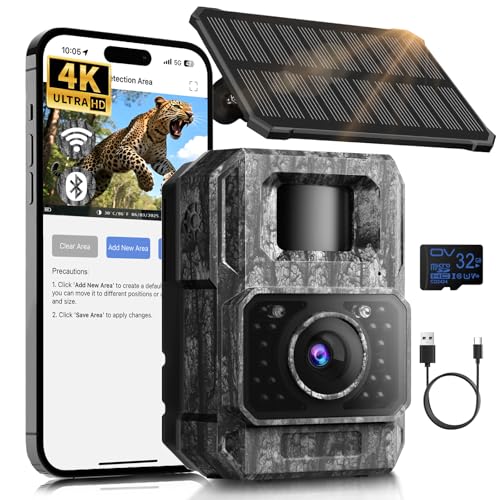
𝐍𝐎𝐓𝐄: 𝐢𝐭 𝐢𝐬 𝐍𝐎𝐓 𝐜𝐨𝐦𝐩𝐚𝐭𝐢𝐛𝐥𝐞 𝐰𝐢𝐭𝐡 𝐡𝐨𝐦𝐞 𝐖𝐢𝐅𝐢, 𝐝𝐨𝐞𝐬 𝐍𝐎𝐓 𝐬𝐮𝐩𝐩𝐨𝐫𝐭 𝐜𝐞𝐥𝐥𝐮𝐥𝐚𝐫/𝟒𝐆/𝟓𝐆 𝐧𝐞𝐭𝐰𝐨𝐫𝐤𝐬, and 𝐝𝐨𝐞𝐬 𝐍𝐎𝐓 capable of real-time motion alerts or push notifications. The camera creates its own short-range Wi-Fi hotspot (𝐍𝐨𝐧-𝐂𝐞𝐥𝐥𝐮𝐥𝐚𝐫) for setup, and downloading files only. Wi-Fi range is up to 33–50 ft in open areas. The camera records automatically even when your phone is not connected. No subscription or monthly fees

[SIMPLE & RELIABLE TRAIL CAMERA FOR BEGINNERS] Designed for first-time users, this entry-level trail camera focuses on easy operation and dependable performance. The classic solid brown housing blends naturally into outdoor environments, making it ideal for wildlife monitoring and backyard use. With clear, straightforward controls, anyone can start using it in minutes—no technical experience required. A perfect choice for hunters, landowners, and beginners looking for a no-frills, easy-to-use trail camera.(8×AA batteries and SD card not included.)

New version trail cam: Clear Day & Night Imaging Capture sharp 64MP photos (adjustable: 5/16/36/48/56/64MP) and smooth 4K HD videos (3840x2160P /2560x1440P). The high-quality optical lens ensures crisp daytime images and night vision performance, making it ideal for wildlife observation, deer scouting, and property surveillance.
Regular Tree Maintenance
Perform regular maintenance on your fruit trees to enhance their health and deter squirrels.
- Prune branches: Keep tree shape balanced and remove low-hanging branches, which provide easy access for squirrels.
- Inspect for signs of damage: Check for any signs of squirrel activity, such as gnaw marks or bitten fruit. Address issues quickly to lessen the attraction.
- Clean fallen fruit: Regularly collect and dispose of fallen fruit, as it can draw squirrels into your garden. Avoid leaving overripe or damaged fruit on the tree.
- Mulch the area: Use mulch around the base of the tree to discourage squirrels from burrowing. Keep it a few inches away from the trunk to avoid moisture issues.
Observing Squirrel Activity
Keeping an eye on any squirrel activity around your fruit trees can help you react swiftly.
- Track patterns: Spend time observing when squirrels are most active. Early mornings and late afternoons are common times they search for food.
- Identify entry points: Notice which trees or areas squirrels prefer. This can guide you in setting traps or placing deterrents in those specific spots.
- Use surveillance: Consider placing motion-activated cameras to monitor squirrel behavior. This allows you to gather data and adapt your strategies as needed.
- Share observations: Join community gardening groups to learn about local squirrel trends. Others may have discovered effective solutions that could work for you.
By implementing regular maintenance and observant practices, you can significantly reduce squirrel interference in your fruit trees.
Conclusion
Keeping squirrels out of your fruit trees doesn’t have to be a constant battle. By understanding their behavior and implementing a mix of preventative measures and repellents, you can protect your precious harvest. Choosing the right tree varieties and using physical barriers can make a big difference.
Don’t forget the power of natural and commercial repellents to create an unwelcoming environment for these critters. Regular maintenance and monitoring will also help you stay one step ahead. With a little effort and creativity, you can enjoy the fruits of your labor without sharing them with squirrels. Happy gardening!
Frequently Asked Questions
Why do squirrels invade gardens?
Squirrels invade gardens primarily in search of food, especially fruits and nuts. They are attracted to fruit trees because of the essential nutrients they offer and may also seek shelter from predators, as well as gather food for winter storage. Understanding this behavior can help gardeners address the issue effectively.
What are the common types of squirrels that damage gardens?
The three most common types of squirrels that may invade gardens are gray squirrels, red squirrels, and fox squirrels. Each species exhibits specific behaviors that can inform tailored strategies for deterring them from fruit trees.
What are some squirrel-resistant fruit tree varieties?
Some effective squirrel-resistant fruit tree varieties include persimmon, pawpaw, and quince trees. These types are generally less appealing to squirrels, making them a great choice for gardeners looking to preserve their harvest from these pesky animals.
What physical barriers can I use to protect my fruit trees?
You can use physical barriers like tree wraps, netting, and copper tape to protect your fruit trees from squirrels. These barriers create obstacles that make it more difficult for squirrels to access the fruit, effectively deterring them from invading your garden.
What natural repellents are effective against squirrels?
Natural repellents such as spicy sprays, garlic solutions, essential oils, and coffee grounds can deter squirrels. These substances create unpleasant environments that discourage squirrels from approaching your fruit trees and can be easily applied by gardeners.
Are there commercial products to keep squirrels away?
Yes, there are various commercial products designed to repel squirrels. Options include granular and liquid repellents, motion-activated sprays, and ultrasonic repellers. These products can provide added convenience and protection for your fruit trees.
How can I maintain my fruit trees to deter squirrels?
Maintaining your fruit trees involves regular practices such as pruning branches, inspecting for damage, cleaning up fallen fruit, and mulching. These actions not only enhance tree health but also deter squirrels by minimizing attractants.
What is the importance of monitoring squirrel activity?
Monitoring squirrel activity helps you track their patterns and identify entry points in your garden. By observing their behavior and using surveillance, you can react quickly to any potential invasions and implement deterrent strategies effectively.
