

Have you ever dreamed of picking fresh fruit right from your backyard? Planting bare root fruit trees is a great way to turn that dream into reality. It might seem daunting at first, but with the right steps, you can enjoy a bountiful harvest in just a few years.
Key Takeaways
- Understanding Bare Root Trees: Bare root fruit trees are inexpensive, lightweight, and sold during their dormant season, making them an excellent option for home gardens.
- Location and Preparation: Choose a sunlit, well-drained area for planting and gather essential tools like a shovel, watering can, and mulch to ensure a smooth planting process.
- Step-by-Step Planting: Soak the roots, dig a hole that accommodates root spread, position the tree correctly, and refill the hole with soil while watering generously to remove air pockets.
- Post-Planting Care: Maintain consistent moisture for the first weeks, avoid immediate fertilization, and monitor tree health to ensure successful establishment and growth.
- Ongoing Maintenance: Apply mulch to retain moisture, prune to encourage healthy growth, and keep an eye out for common pests and diseases to maintain the health of your trees.
Understanding Bare Root Fruit Trees
Bare root fruit trees come without soil around their roots. These trees are typically sold during their dormant season, allowing for easier planting and establishment in your yard. When you choose bare root trees, you gain an affordable and effective way to grow fruit.
What Are Bare Root Fruit Trees?
Bare root fruit trees are young trees that growers harvest before leafing out. After harvesting, they remove all the soil from the roots, leaving them bare. These trees often include varieties like apple, peach, cherry, and pear. Sellers package them securely for easy transport. When you purchase them, inspect the roots for damage or excessive drying.
Benefits of Planting Bare Root Trees
Planting bare root trees offers several advantages:
- Cost-Effective: Bare root trees typically cost less than potted counterparts, allowing you to maximize your budget.
- Faster Establishment: Without soil, the roots adapt quickly to their new environment. You can often see growth within the first season.
- Better Selection: Nurseries often provide a wider variety of bare root options, helping you find the fruit trees you desire.
- Easier Handling: Lightweight and compact, bare root trees are easier to transport and plant than heavier potted trees.
Choosing to plant bare root trees can lead to productive and fruitful years in your garden.
Preparing for Planting
Preparing for planting bare root fruit trees ensures their successful establishment and growth. Focus on selecting the right spot and gathering the necessary tools.
Recommended Products

Deep Root Irrigation with 4-Hole Design – Sharp stainless steel tip helps enter most garden soils, while the 4 side-hole outlet helps reduce clogging and delivers water or liquid fertilizer deeper into the root zone for backyard trees, fruit trees, and garden plants.

Let Your Plants Thrive with Dack Root Feeder.It is one of the finest tool available for feeding and watering trees shrubs rose and other gardenplants.Root Feeding is the best method of guaranteeing that both fertilizer and water will reach the plants feeding zone.

4-Hole Side Design: This high-performance tree watering spike makes it easy to deliver water and fertilizer directly to the root zone. The upgraded side-hole design helps improve watering efficiency, while the sharp tip makes it easy to push into hard or compact soil. The 4 side outlets help reduce clogging and distribute water more evenly for deep root watering and feeding.
Choosing the Right Location
Choose a location with full sun exposure. Aim for at least six to eight hours of sunlight each day. Select well-drained soil, as soggy conditions can harm root systems. Ensure the area has enough space for the tree’s mature size. For example, apple and peach trees need about 15 to 20 feet of clearance, while cherry and pear trees require slightly less. Avoid planting near large trees or structures that could block sunlight or compete for nutrients.
Gathering Necessary Tools and Materials
Gather all tools and materials before starting. You’ll need:
- Shovel: For digging the planting hole.
- Spade: For edging and shaping the hole.
- Watering can or hose: To keep the newly planted tree hydrated.
- Mulch: To retain moisture and suppress weeds around the tree.
- Tree stakes and ties: To support the young tree, if necessary.
Check your bare root tree for any damaged roots and prune them if needed. Keeping these essentials in mind helps make the planting process smooth and successful.
Planting Process
Planting bare root fruit trees involves careful steps to ensure their healthy establishment. Follow these guidelines for a successful planting experience.
Recommended Products

Complete Orchard Starter Bundle: Receive 8 dormant bare root fruit trees with 2 each of Apple,Blueberry, Raspberry, Blackberry. A great way to start or expand a backyard orchard with a variety of delicious fruits.
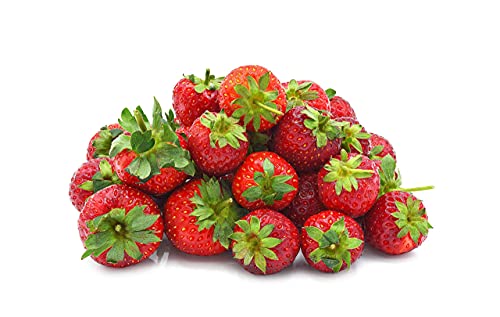
SEASCAPE STRAWBERRIES: Most productive variety that yields large, juicy, firm berries with excellent flavor throughout the harvest season

BEGINNER-FRIENDLY & EASY TO GROW – Perfect for first-time bonsai growers, simple planting and care instructions
Steps to Plant Bare Root Fruit Trees
- Soak the Roots: Place the bare roots in water for 2-12 hours before planting. This hydrates them and promotes growth.
- Dig a Hole: Create a hole 2-3 times wider than the root ball and slightly deeper than the root length. This allows the roots to spread easily.
- Prepare the Soil: Loosen the soil at the bottom of the hole. Mix in compost or well-rotted manure to enrich the soil.
- Position the Tree: Place the tree in the center of the hole, ensuring the graft union is above ground level. The graft union is where the tree variety was grafted onto the rootstock.
- Fill the Hole: Backfill the hole with soil, gently packing it around the roots. Aim for a firm but not overly compacted soil structure.
- Water Generously: Water the tree thoroughly right after planting. This helps settle the soil and removes air pockets around the roots.
- Add Mulch: Apply 2-3 inches of organic mulch around the base, which helps retain moisture and suppress weeds. Keep the mulch a few inches away from the tree trunk.
Watering and Fertilizing After Planting
After planting, proper care plays a crucial role in your tree’s growth.
- Water Regularly: Keep the soil consistently moist for the first 6-8 weeks. Water deeply once a week or more often during dry spells.
- Fertilize Sparingly: Avoid fertilizing immediately after planting. Wait 4-6 weeks, then use a balanced fertilizer to promote root development.
- Monitor Tree Health: Check for wilting or yellowing leaves. Adjust your watering schedule as needed to maintain healthy moisture levels.
- Assess Growth: Watch for new growth in spring. If you see buds forming, your tree adapts well to its new environment.
- Adjust Watering: As the tree matures, reduce the frequency of watering. Established trees typically require watering every 2-3 weeks during dry periods.
Following these steps ensures your bare root fruit trees thrive, leading to a healthy and productive garden.
Ongoing Care and Maintenance
Caring for your bare root fruit trees after planting helps them thrive and produce fruit. Regular maintenance ensures your trees grow strong and healthy.
Recommended Products

2 in 1 Grafting Pruning Pliers: The sharp and durable stainless steel blade with a anti-skid handle allows you to cut scion and stock better

Heat-Treated Serrated Saw Blade: 8" saw blade designed for efficient cutting of branches and tough materials, ensuring sharpness and durability.
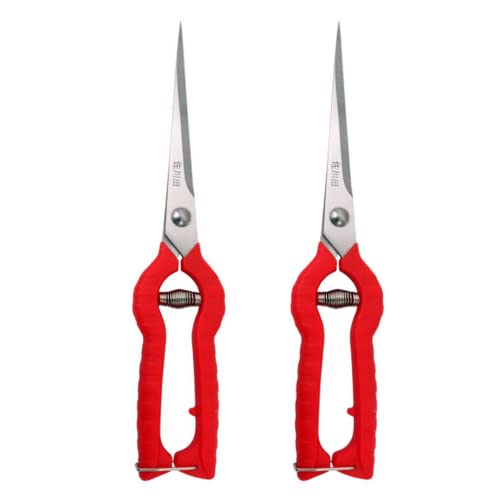
Total length : 245 mm blade length : 96 mm handle length : 122 mm closed handle width : 45 mm
Mulching and Pruning
Mulching protects the soil and roots. Apply a 2-3 inch layer of organic mulch, like wood chips or straw, around the base of the tree. Keep the mulch a few inches away from the trunk to prevent rot. This mulch retains moisture, suppresses weeds, and regulates soil temperature.
Pruning shapes the tree and encourages healthy growth. In the first year, focus on removing any dead or damaged branches. As the tree matures, prune to maintain an open center, allowing sunlight in and promoting air circulation. Always use clean, sharp tools to prevent damage and disease.
Common Pests and Diseases to Watch For
Monitoring for pests and diseases keeps your trees healthy. Inspect your trees regularly for signs of trouble.
Common pests include:
- Aphids: Small green bugs that suck sap. Use insecticidal soap to control.
- Caterpillars: Larvae of moths and butterflies that eat leaves. Handpick or use Bt (Bacillus thuringiensis) to eliminate them.
- Fruit flies: Small flies that infest ripening fruit. Set up traps or use row covers to prevent infestations.
- Powdery mildew: A white fungal growth on leaves. Improve air circulation and apply a fungicide if needed.
- Crown rot: A soil-borne disease affecting roots. Avoid overwatering and ensure proper drainage.
- Fire blight: A bacterial disease affecting blossoms and branches. Prune affected areas immediately and sterilize tools afterward.
By staying vigilant and addressing issues promptly, your bare root fruit trees can flourish, offering delicious fruit for years to come.
Conclusion
Planting bare root fruit trees opens the door to a rewarding gardening experience. With the right preparation and care you can enjoy the satisfaction of homegrown fruit in just a few years. Remember to monitor your trees regularly and provide the necessary maintenance to keep them healthy and thriving.
As you watch your trees grow and produce fruit you’ll appreciate the effort you put into this process. So grab your tools and get started on your journey to a fruitful backyard. Happy planting!
Frequently Asked Questions
What are bare root fruit trees?
Bare root fruit trees are young trees sold without soil around their roots during their dormant season. They include varieties like apple, peach, cherry, and pear. They’re easier to plant and establish compared to potted trees, offering better selection and cost-effectiveness.
How do I prepare for planting bare root fruit trees?
Preparation involves choosing a sunny location with well-drained soil and adequate space. Gather necessary tools like a shovel, watering can, and mulch. Inspect the tree for damaged roots and prune if needed. Proper preparation is key to successful planting.
What steps should I follow to plant a bare root fruit tree?
First, soak the roots in water. Then, dig a hole that’s wide and deep enough for the roots. Prepare the soil with compost, position the tree correctly, backfill, and water generously. Finally, add mulch to retain moisture.
How often should I water my bare root fruit tree?
Water regularly, especially during the first few months after planting, to ensure the tree establishes well. As the tree matures, adjust your watering based on rainfall and soil moisture levels, typically aiming for deep watering once a week.
What maintenance does a bare root fruit tree need?
Ongoing care includes regular watering, sparing fertilization, and monitoring tree health. Pruning is essential for shaping the tree and encouraging growth. Additionally, apply mulch to retain moisture and suppress weeds, and watch for pests and diseases.
What pests and diseases should I watch for?
Common issues include aphids, caterpillars, fruit flies, powdery mildew, crown rot, and fire blight. Regularly inspect your tree and use organic or chemical controls as needed to manage these pests and diseases effectively.
How long will it take for bare root fruit trees to produce fruit?
Bare root fruit trees typically bear fruit within 3 to 5 years, depending on the variety and care you provide. Proper planting, ongoing maintenance, and a suitable environment will help ensure a fruitful harvest in the coming years.
