
Close Menu
    Fruit Tree Hub
    • Home
    • Apple Trees
    • Lemon Trees
    • Mango Trees
    • Orange Trees
    • More Trees
      • Best Fruit Trees
      • Apricot Trees
      • Cherry Trees
      • Fig Trees
      • Lime Trees
      • Mulberry Trees
      • Peach Trees
      • Pear Trees
      • Plum Trees
      • Pomegranate Trees
    • Tips and Advice
      • Tools
    • About Us
      • Contact
      • Privacy Policy
    Fruit Tree Hub
    Home»Tips and Advice»How Long Does an Apple Tree Take to Bear Fruit: Essential Factors That Influence Fruiting Time
    Tips and Advice

    How Long Does an Apple Tree Take to Bear Fruit: Essential Factors That Influence Fruiting Time

    Martha JacksonBy Martha JacksonDecember 5, 20246 Mins Read
    Share Facebook Twitter Pinterest WhatsApp Email
    Share
    Facebook Twitter LinkedIn Pinterest Telegram Email

    Have you ever wondered how long it takes for an apple tree to start producing those delicious fruits? If you’re thinking about planting one or just curious about the process, you’re not alone. Many people dream of biting into a fresh apple straight from their own tree, but the wait can feel long.

    Contents show
    1 Key Takeaways
    2 Understanding Apple Tree Growth
    2.1 Factors Affecting Growth Rate
    3 The Fruiting Timeline
    3.1 From Planting to First Fruit
    3.2 Variations in Timeframe
    4 Care and Maintenance
    4.1 Best Practices for Encouraging Fruiting
    5 Conclusion
    6 Frequently Asked Questions
    6.1 How long does it take for an apple tree to produce fruit?
    6.2 What factors influence apple tree fruit production?
    6.3 How can I encourage my apple tree to bear fruit?
    6.4 What are common issues that can hinder apple tree growth?
    6.5 Are there specific varieties of apple trees that are better for beginners?

    Key Takeaways

    • Apple trees typically take three to seven years to start bearing fruit, depending on their variety and growing conditions.
    • Dwarf apple trees produce fruit the quickest, usually within three to four years, while standard varieties may take five to seven years.
    • Key factors influencing fruiting timelines include soil quality, sunlight availability, watering practices, and proper pruning techniques.
    • Providing consistent water and nutrients is critical for healthy growth and earlier fruit production.
    • To improve fruit set, consider planting multiple apple tree varieties for effective cross-pollination.
    • Regular maintenance, such as pruning and monitoring for pests and diseases, is essential for maximizing yield and tree health.

    Understanding Apple Tree Growth

    Apple trees typically take three to five years to start bearing fruit. This timeframe varies based on several factors that influence their growth.

    MUST READ
    How to Get Banana Tree to Fruit: Essential Tips for a Bountiful Harvest

    Factors Affecting Growth Rate

    • Soil Quality: Good soil provides nutrients essential for healthy growth. Test the pH and nutrient levels before planting.
    • Watering Practices: Consistent watering encourages strong root development. Ensure the tree gets adequate moisture, especially during dry spells.
    • Sunlight Exposure: Apple trees thrive in full sunlight. Aim for at least six to eight hours of direct sun each day.
    • Pruning Techniques: Proper pruning promotes air circulation and light penetration, fostering better fruit production.
    • Tree Variety: Different varieties mature at different rates. Some may produce fruit sooner than others.
    • Standard Apple Trees: These trees often take five to seven years to bear fruit. They grow tall and produce large harvests.
    • Dwarf Apple Trees: Dwarf varieties start producing within three to four years. They require less space and are easier to manage.
    • Semi-Dwarf Apple Trees: Semi-dwarf options fall between standard and dwarf, typically bearing fruit in four to six years. They strike a balance between size and yield.

    Choosing the right type of apple tree and considering the influencing factors ensures a rewarding experience in growing your own apples.

    The Fruiting Timeline

    Apple trees take time to start producing fruit, usually ranging from three to seven years. This timeline varies based on multiple factors, including the type of tree and growing conditions.

    Recommended Products

    American Plant Exchange Apple Tree 'Semi Dwarf Fuji' – Live Fruit-Bearing Plant, 5-Gallon Pot, Cold-Hardy, Sweet Crisp Red Harvest for Orchards, Backyard Gardens & Edible Landscapes
    American Plant Exchange Apple Tree 'Semi Dwarf Fuji' – Live Fruit-Bearing Plant, 5-Gallon Pot, Cold-Hardy, Sweet Crisp Red Harvest for Orchards, Backyard Gardens & Edible Landscapes

    Extra-Sweet & Crisp Apples – Produces large, red-blushed apples with an exceptionally juicy texture and honeyed sweetness, perfect for fresh eating, baking, and cider-making

    MUST READ
    When Do Jujube Trees Fruit: Essential Tips for Growing and Harvesting Your Own Crop
    VIEW LATEST PRICE

    As an affiliate, we earn on qualifying purchases.

    American Plant Exchange Apple Tree 'Stayman Winesap' Semi-Dwarf – Live Fruit-Bearing Plant, 5-Gallon Pot, Cold Hardy, Sweet-Tart Edible Apples for Outdoor Orchards and Landscapes
    American Plant Exchange Apple Tree 'Stayman Winesap' Semi-Dwarf – Live Fruit-Bearing Plant, 5-Gallon Pot, Cold Hardy, Sweet-Tart Edible Apples for Outdoor Orchards and Landscapes

    Live Fruit-Bearing Apple Tree – Produces medium to large, deep red apples with a crisp texture and rich sweet-tart flavor, perfect for fresh eating, baking, and cider-making

    VIEW LATEST PRICE

    As an affiliate, we earn on qualifying purchases.

    TriStar Plants - Yellow Delicious Apple, 1 Gallon Pot - Healthy Established Roots, Golden Delicious Apple, Dwarf Apple Tree, Apple Pie, Yellow Apple Name
    TriStar Plants - Yellow Delicious Apple, 1 Gallon Pot - Healthy Established Roots, Golden Delicious Apple, Dwarf Apple Tree, Apple Pie, Yellow Apple Name

    Zone 5 -8

    VIEW LATEST PRICE

    As an affiliate, we earn on qualifying purchases.

    From Planting to First Fruit

    After planting, expect a period of establishment before your apple tree bears fruit. Dwarf varieties typically begin producing in three to four years. Semi-dwarf trees often start yielding in four to six years, while standard apple trees take longer, generally five to seven years. Providing proper care during this time can significantly influence when you’ll see your first apples.

    Variations in Timeframe

    Several factors can impact how quickly an apple tree bears fruit:

    • Tree Variety: Dwarf trees fruit sooner than standard varieties.
    • Growing Conditions: Soil quality, moisture, and sunlight availability play crucial roles in growth rates.
    • Care Practices: Regular pruning and appropriate fertilization can promote earlier fruiting.
    • Climate: Warmer climates may speed up the process, while cooler areas might delay it.

    Understanding these aspects helps set realistic expectations for your apple-growing journey.

    Care and Maintenance

    Proper care and maintenance are crucial for apple trees to thrive and bear fruit. Focusing on the right practices ensures healthier growth and earlier fruit production.

    MUST READ
    What Month to Plant Fruit Trees: Timing Tips for a Successful Harvest

    Recommended Products

    Ultra Sharp Japanese Steel Pruning Shears - Cuts 3X Easier, Weak Hand Arthritis Clippers, Rust-Resistant Titanium Coated Pruner, Effortlessly Cuts 3/4 Inch
    Ultra Sharp Japanese Steel Pruning Shears - Cuts 3X Easier, Weak Hand Arthritis Clippers, Rust-Resistant Titanium Coated Pruner, Effortlessly Cuts 3/4 Inch

    ULTRA SHARP - Much less effort to cut branches with our pruning shears. Crafted from premium SK5 steel with titanium coating, our garden scissors and garden clippers boast exceptional durability and sharpness. A perfect pruning shears for gardening and a must-have garden tool, hedge clippers pruners for gardening
    VIEW LATEST PRICE

    As an affiliate, we earn on qualifying purchases.

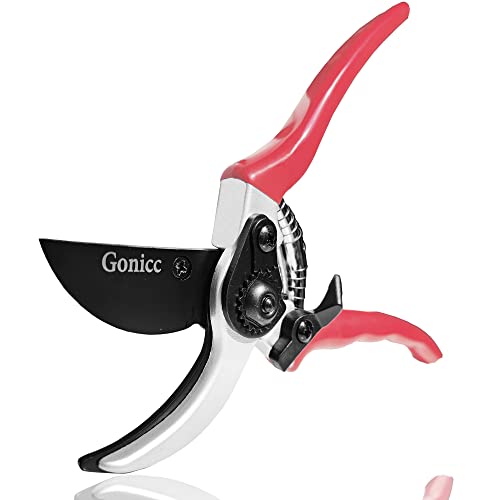
    gonicc 8" Professional Sharp Bypass Pruning Shears (GPPS-1002) | Arthritis Friendly Garden Scissors & Plant Clippers, Sap Groove Design, Effortlessly Prunes 3/4" Branches.
    gonicc 8" Professional Sharp Bypass Pruning Shears (GPPS-1002) | Arthritis Friendly Garden Scissors & Plant Clippers, Sap Groove Design, Effortlessly Prunes 3/4" Branches.

    Drop forged body and handles, quality blade made of high carbon steel with Ultra-fine Polishing Technology.
    VIEW LATEST PRICE

    As an affiliate, we earn on qualifying purchases.

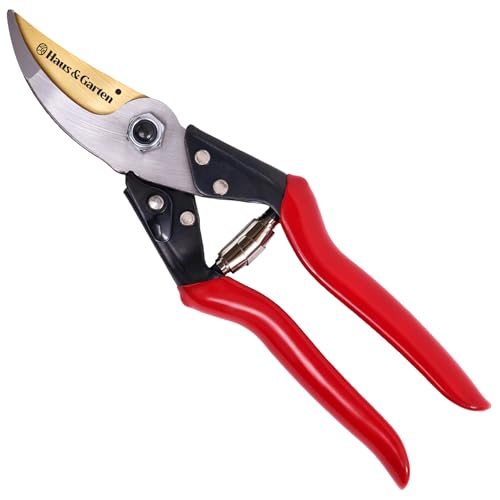
    Haus & Garten ForgedPRO 8.75" Heavy Duty Professional Titanium Bypass Pruning Shears - Use As Pruners, Garden Shears, Handheld Pruning Shears For Gardening, Clippers, Garden Scissors, Pruner Tool
    Haus & Garten ForgedPRO 8.75" Heavy Duty Professional Titanium Bypass Pruning Shears - Use As Pruners, Garden Shears, Handheld Pruning Shears For Gardening, Clippers, Garden Scissors, Pruner Tool

    Sharp, Clean Cuts Every Time: Forged from Japanese-grade high-carbon steel with a titanium blade coating, ForgedPRO bypass pruning shears for gardening stay razor-sharp and make precise cuts that promote healthy plant growth

    VIEW LATEST PRICE

    As an affiliate, we earn on qualifying purchases.

    Best Practices for Encouraging Fruiting

    1. Select the Right Variety: Choose apple tree varieties suited for your climate and soil. Dwarf varieties yield fruit earlier than standard ones.
    2. Ensure Proper Planting: Plant apple trees in well-draining soil with good sunlight. Ensure spacing allows for airflow and root expansion.
    3. Water Adequately: Water trees consistently, especially during dry spells. Aim for about one inch of water per week, adjusting as needed for rainfall.
    4. Fertilize Regularly: Use a balanced fertilizer in early spring and late summer. Follow the package instructions for application rates.
    5. Prune Properly: Prune apple trees annually to remove dead or crowded branches. This practice promotes airflow, light penetration, and fruiting.
    6. Mulch Generously: Apply organic mulch around the base to retain moisture and suppress weeds. Keep mulch a few inches away from the trunk.
    7. Encourage Pollination: Plant multiple apple tree varieties for cross-pollination. Bees and other pollinators improve fruit set.
    MUST READ
    How Long for a Pear Tree to Bear Fruit: Understanding Timelines and Care Tips
    1. Insufficient Sunlight: If trees don’t receive at least six to eight hours of direct sunlight, they may not produce fruit. Trim surrounding vegetation or relocate the tree.
    2. Pests and Diseases: Monitor for common issues like aphids or apple scab. Use organic pesticides or neem oil to treat infestations.
    3. Water Stress: Under or over-watering can hinder fruit production. Check soil moisture regularly; the soil should feel damp but not soggy.
    4. Nutrient Deficiencies: Yellow leaves can signal a lack of nutrients. Conduct a soil test and apply appropriate fertilizers based on results.
    5. Improper Pruning: Over-pruning can damage fruit buds. Trim cautiously and maintain healthy branches for optimal growth.

    By implementing these care and maintenance practices, you encourage your apple trees to bear fruit efficiently.

    Conclusion

    Growing your own apple tree can be a rewarding adventure. While it may take a few years for your tree to start producing fruit patience is key. By choosing the right variety and providing proper care you can help accelerate the process.

    Remember to stay attentive to your tree’s needs whether it’s ensuring adequate sunlight or managing pests. Before you know it you’ll be enjoying fresh apples right from your backyard. So get ready to nurture your tree and look forward to that delicious harvest ahead.

    Frequently Asked Questions

    How long does it take for an apple tree to produce fruit?

    Apple trees typically take three to seven years to bear fruit. The exact timeline can vary based on tree variety and growing conditions. Dwarf apple trees usually start producing in three to four years, while semi-dwarf varieties take four to six years. Standard apple trees generally need five to seven years.

    MUST READ
    What Fruit Trees Are Safe for Dogs and How to Keep Your Pets Happy Outdoors

    What factors influence apple tree fruit production?

    Several factors affect when apple trees will bear fruit, including the tree variety, soil quality, moisture, sunlight exposure, and care practices such as pruning and fertilization. Climate conditions also play a significant role in the fruiting timeline.

    How can I encourage my apple tree to bear fruit?

    To encourage fruit production, select a variety suited to your local climate, plant in well-draining soil, and ensure adequate sunlight. Consistent watering, regular fertilization, proper pruning, and mulching are also essential care practices to enhance fruiting chances.

    What are common issues that can hinder apple tree growth?

    Common issues that can slow apple tree growth and fruit production include insufficient sunlight, pest infestations, diseases, water stress, nutrient deficiencies, and poor pruning practices. Addressing these issues early can help optimize your tree’s health and fruit yield.

    Are there specific varieties of apple trees that are better for beginners?

    Yes, beginner-friendly varieties include Dwarf apple trees, which generally bear fruit sooner and require less space. Varieties like ‘Honeycrisp’, ‘Fuji’, and ‘Gala’ are popular for their resilience and excellent taste, making them great picks for new gardeners.

    Share. Facebook Twitter Pinterest LinkedIn Tumblr Email
    martha jackson
    Martha Jackson

      Martha Jackson is an accomplished freelance writer and editor with a strong interest in gardening. With a degree in English from the University of California, Berkeley, Martha has over 15 years of experience writing for a variety of publications. She is passionate about making gardening accessible to all and is always seeking out new techniques and innovations.

      Related Posts

      How Long Until Avocado Trees Bear Fruit and Tips for Faster Growth at Home

      February 20, 2025

      What Yellow Fruit Grows on Trees and Their Delicious Health Benefits

      February 20, 2025

      How to Air Layer Fruit Trees: A Step-by-Step Guide for Successful Propagation

      February 20, 2025

      When Do Grapefruit Trees Produce Fruit and How to Maximize Your Harvest

      February 20, 2025

      What Is a Fast Growing Fruit Tree: Discover Quick-Yield Options for Your Garden

      February 20, 2025

      Do Cherry Blossom Trees Have Fruit? Discover the Truth About Their Edibility and Benefits

      February 20, 2025
      Leave A Reply Cancel Reply

      Affiliate Disclosure

      As an Amazon Associate I earn from qualifying purchases.

      Recommended Reading

      Growing Olive Trees in Rhode Island: Coastal Soil Advice

      How to Grow Guava Trees in Los Angeles, CA: Local Success

      What Fertilizer to Use When Planting Fruit Trees for Healthy Growth and Abundant Harvests

      Lime Trees in Tennessee (Mountain and Valley Success Secrets)

      How Do You Plant a Fruit Tree: A Beginner’s Guide to Growing Delicious Homegrown Fruit

      What Fruit Trees Can I Grow in Zone 9a to Maximize Your Harvest and Garden Variety

      Top Fruit Trees for Zone 10b: Grow Mangoes, Citrus, and More Successfully

      Avocado Trees in North Las Vegas, NV: Heat-Resistant Advice

      Best Fruit Trees for Waikato: Expert Tips for Thriving in Zone 9 Climate

      Fruit Tree Hub

      Fruit Tree Hub is a website dedicated to providing you everything you need to grow fruit trees successfully at in your own yard.

      Contact us at: [email protected]

      - AFFILIATE DISCLOSURE: As an Amazon Associate I earn from qualifying purchases.

      Latest Posts

      18 Coastal Crochet Tops in White and Neutral Shades

      16 Retro Crochet Tops Built Around Multicolor Granny Squares

      16 Modest Crochet Tops Featuring Higher Necklines

      19 Cottagecore Crochet Tops With Square Necklines

      13 Ruffled Crochet Tops With Flared Hems

      19 Lace Crochet Tops Featuring Intricate Openwork

      14 Floral Crochet Tops Inspired by Botanical Motifs

      20 Boho Crochet Halter Tops for Festival Outfits

      Categories
      • Almond Trees
      • Apple Trees
      • Apricot Trees
      • Best Fruit Trees
      • Blackberry
      • Cantaloupe
      • Cherry Trees
      • Christmas Crochet Ideas
      • Crochet Bag Ideas
      • Crochet Blanket Ideas
      • Crochet Dress Ideas
      • Crochet Ideas
      • Crochet Ideas for Beginners
      • Crochet Top Ideas
      • Cucamelon
      • Easy Crochet Ideas
      • Easy Knitting Projects
      • Fall Crochet Ideas
      • Fig Trees
      • Grapefruit Trees
      • Grapes
      • Guava Trees
      • Halloween Crochet Ideas
      • Honeydew
      • Jujube Trees
      • Kiwi
      • Knitting For Beginners
      • Knitting Ideas
      • Knitting Inspiration
      • Lemon Trees
      • Lime Trees
      • Loquat Trees
      • Mango Trees
      • Mulberry Trees
      • Nectarine Trees
      • Olive Trees
      • Orange Trees
      • Papaya Trees
      • Peach Trees
      • Pear Trees
      • Persimmon Trees
      • Planting
      • Plum Trees
      • Pomegranate Trees
      • Quince Trees
      • Raspberry
      • Reviews
      • Small Crochet Ideas
      • Star Fruit Trees
      • Summer Crochet Ideas
      • Tamarind Trees
      • Tangerine Trees
      • Tips and Advice
      • Tools
      • Uncategorized
      • Walnut Trees
      • Winter Crochet Ideas
      © 2026 Fruit Tree Hub
      • Home
      • About Us
      • Contact
      • Privacy Policy
      • Terms and Conditions
      • Disclaimer
      • Editorial Policy
      • Affiliate Disclosure

      Type above and press Enter to search. Press Esc to cancel.