

Have you ever planted an apple tree and wondered when you’ll finally get to enjoy those delicious fruits? You’re not alone. Many new gardeners face the same question, eager to see the fruits of their labor—literally.
Understanding how long it takes for apple trees to produce fruit can help you set realistic expectations and plan your garden better. This article will guide you through the factors that affect fruit production, so you can enjoy a bountiful harvest sooner than you think. Whether you’re a seasoned gardener or just starting out, you’ll find valuable insights to help you nurture your apple trees effectively.
Key Takeaways
- Apple trees vary in maturity rates: Standard trees take 5-7 years to produce fruit, semi-dwarfs 3-5 years, and dwarfs 2-4 years.
- Proper care is essential: Factors like quality soil, adequate watering, and sufficient sunlight (6-8 hours daily) significantly influence fruit production.
- Pruning and fertilization are key: Regular pruning encourages healthy growth and fruiting, while balanced fertilization boosts development.
- Pollination affects yields: Planting multiple apple tree varieties can enhance cross-pollination, resulting in better fruit set.
- Tree age matters: Younger trees focus on root development; expect limited fruit until around 5 years of age when production peaks.
Overview of Apple Trees
Apple trees thrive in various climates and conditions, but understanding their growth timeline is essential for successful cultivation. Depending on the type of apple tree and the conditions in which it grows, the time it takes to produce fruit varies significantly.
Types of Apple Trees
- Standard Apple Trees: These trees typically take 5 to 7 years to produce fruit. They grow larger and are planted in open spaces, providing ample sunlight and air circulation.
- Semi-Dwarf Apple Trees: This variety generally bears fruit between 3 and 5 years. They adapt well to smaller gardens while maintaining good fruit production.
- Dwarf Apple Trees: These compact trees often yield apples in 2 to 4 years. They are ideal for containers or small spaces, offering convenience for urban gardening.
Factors Affecting Fruit Production
- Pollination: Cross-pollination improves fruit set. Planting multiple varieties enhances the likelihood of fruit production.
- Soil Quality: Nutrient-rich, well-drained soil promotes healthy growth and fruiting. Regular soil testing helps maintain optimum conditions.
- Watering: Consistent moisture, especially during flowering and fruit-setting periods, is vital. Over or under-watering can reduce fruit yield.
- Sunlight: Apple trees require at least 6 to 8 hours of direct sunlight daily. Insufficient light can delay fruit production.
Care for Apple Trees
- Pruning: Regular pruning encourages healthy growth and better fruit production. Focus on removing dead or crowded branches every winter.
- Fertilizing: Applying balanced fertilizers in early spring boosts growth and fruit development. Follow the recommended rates based on your soil test results.
- Pest Management: Monitoring for pests and diseases ensures your tree stays healthy. Implementing integrated pest management strategies minimizes damage.
Real-World Example
Consider a homeowner with a semi-dwarf apple tree. After three years, they notice flowers beginning to develop in spring. With proper care, including regular watering and pruning, the tree yields its first apples within the next two years. This timeline illustrates how adhering to best practices can enhance fruiting success.
Factors Influencing Fruit Production
Fruit production in apple trees hinges on several critical factors that every gardener should understand. Focusing on these elements helps maximize your tree’s yield.
Recommended Products

Down to Earth Fruit Tree is a five pound box of all natural fertilizer with 6-2-4 formula and is listed by the Organic Materials Review Institute (OMRI) for use in organic production
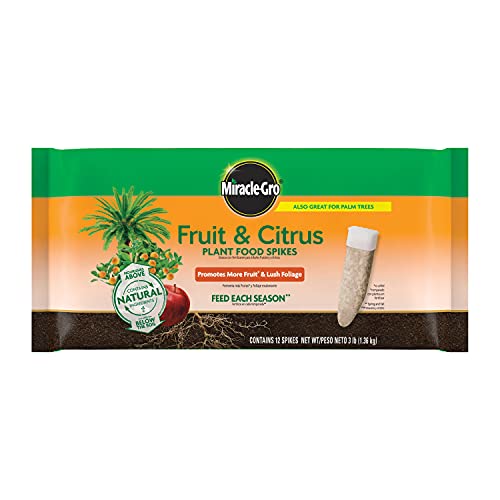
FORMULATED FOR CITRUS AND FRUIT TREES: Use these citrus fertilizer spikes on apple, orange, lemon, lime, and avocado trees; this formula is also great for feeding palm trees

Feed the soil not the plants - stimulate microbial activity in your soil and boost probability of success with all types of plants… like composting but faster
Tree Variety
Tree variety plays a significant role in fruit production timelines. Standard apple trees produce fruit in 5 to 7 years, while semi-dwarf trees yield fruit in 3 to 5 years. Dwarf trees are the fastest, bearing fruit in as little as 2 to 4 years. Consider your preferences and space limitations when selecting a variety. Research specific cultivars to ensure they match your growing conditions. For instance, Honeycrisp and Fuji apples are popular choices with unique flavor profiles.
Growing Conditions
Growing conditions greatly affect fruit production. Key elements include:
- Soil Quality: Well-draining, loamy soil enriched with organic matter promotes healthy growth. Conduct a soil test to determine nutrient levels and pH balance.
- Sunlight: Apple trees require at least 6 to 8 hours of direct sunlight daily. Obstructed sunlight can hinder flowering and fruit set.
- Watering: Consistent moisture is essential, especially during the growing season. Ensure proper watering—avoid both drought and excessive wetness.
Proper growing conditions create a foundation for robust fruit production.
Age of the Tree
The age of the tree directly impacts when it will produce fruit. Young trees focus on developing strong root systems and branches, which sets the stage for future yields. Trees younger than 2 years typically don’t bear fruit. At about 3 years of age, trees begin flowering, but expect limited fruit. As they mature, production increases significantly around the 5-year mark and peaks in later years. Consider this timeline when planning your garden for optimal harvests.
By understanding these factors—tree variety, growing conditions, and tree age—you set the stage for a fruitful apple harvest.
Timeline for Apple Trees to Produce Fruit
Understanding the timeline for apple trees to produce fruit helps set realistic expectations for your gardening journey.
Recommended Products

4 FRUIT VARIETIES – 100 SEEDS TOTAL: Includes 30 Apple Seeds, 30 Lemon Seeds, 30 Cherry Seeds, and 10 Banana Seeds, individually separated by variety for an exciting fruit-growing collection.

Extra-Sweet & Crisp Apples – Produces large, red-blushed apples with an exceptionally juicy texture and honeyed sweetness, perfect for fresh eating, baking, and cider-making

Live Fruit-Bearing Apple Tree – Produces medium to large, deep red apples with a crisp texture and rich sweet-tart flavor, perfect for fresh eating, baking, and cider-making
Seedling Stage
During the seedling stage, apple trees focus on establishing strong roots. Typically, seedlings do not bear fruit. You can expect to plant seeds or young seedlings, and it may take 1 to 2 years before you see any significant growth. Prioritize nurturing them with adequate sunlight and water.
Young Trees
Young apple trees start to show fruiting potential as they mature. Semi-dwarf trees generally bear fruit in 3 to 5 years, while dwarf trees can produce fruit in 2 to 4 years. Ensure young trees receive regular pruning and proper nutrients. For instance, providing balanced fertilizer during the growing season can stimulate growth and enhance fruiting readiness.
Mature Trees
Mature apple trees produce the highest yields. Standard apple trees typically start bearing fruit around 5 to 7 years old. At this stage, trees need consistent care. Techniques such as effective pest management and appropriate watering can significantly contribute to fruit quantity and quality. For example, a knowledgeable gardener may see a substantial increase in apple production after a tree reaches maturity, thanks to these practices.
By focusing on the specific needs at each stage, you can effectively support your apple trees as they transition from seedlings to fruitful producers.
Best Practices for Encouraging Fruit Production
To enhance fruit production in apple trees, focus on specific practices that improve growth and yield. Following these tips can lead to a more fruitful harvest.
Recommended Products

▲【Large Fruit Picker Basket with Claw】Our fruit picker rake comes with metal twist on head basket( 9"x5.5"x5.5") for picking avocado, tangerines, apple, persimmon, grapefruit, mango, apple, pear, fig, orange, papaya,mandarins, lemons, jujubes and more fruit in four seasons.

【Surgical-Precision Grafting Tools】 Crafted with Japanese SK5 High-Carbon Steel blades (HRC 58-60 hardness) and ergonomic ABS handles, our 2-in-1 pruner delivers clean cuts up to 1/2" diameter branches. Dual-edge Ω/U/V blades prevent stem crushing, boosting grafting success rates by 40%* (*lab test data).

PROFESSIONAL GARDENING GRAFTING TOOLS: Including 2 in 1 grafting pruning tools, 3 replaceable blades, a grafting knife, a screwdriver, a wrench, 2 grafting films, 160 rubber bands, 40 wide rubber bands, and 50 colorful tag cards
Pruning Techniques
Pruning optimizes growth and encourages fruiting. Start by removing dead or diseased branches to prevent pests and diseases. Thin out crowded branches to ensure ample sunlight reaches all parts of the tree. Aim to keep the center of the tree open, allowing air circulation to reduce disease risk.
Prune during the late winter or early spring when trees are dormant. This timing promotes healthy bud formation for the upcoming growing season. Cut back young trees to shape them and stimulate growth. Regular pruning, about once a year, leads to stronger branches that can support heavier fruit.
Soil and Water Management
Soil quality directly impacts fruit production. Test your soil for pH and nutrient levels, aiming for a pH between 6.0 and 7.0. Amend the soil as needed with organic matter or fertilizers to ensure your apple trees receive essential nutrients.
Watering is crucial, especially during dry spells. Young trees require about 1 to 2 inches of water weekly, while mature trees need slightly less, around 1 inch per week. Use a soaker hose or drip irrigation for efficient watering. Ensure the soil drains well to prevent root rot, which can hinder growth and fruit yield.
By implementing these best practices, you support your apple trees’ health and increase your chances of a productive fruit harvest.
Conclusion
Growing apple trees is a rewarding journey that requires patience and care. By knowing the time it takes for your specific type of tree to produce fruit you can set realistic expectations and enjoy the process.
Remember that factors like soil quality sunlight and proper maintenance play a huge role in your trees’ success. With the right attention and nurturing your apple trees will eventually reward you with delicious fruit.
So keep tending to your garden and soon enough you’ll be savoring the fruits of your labor. Happy gardening!
Frequently Asked Questions
How long does it take for apple trees to bear fruit?
Apple trees typically take different amounts of time to produce fruit depending on their type. Standard apple trees may take 5 to 7 years, semi-dwarf trees generally bear fruit in 3 to 5 years, while dwarf trees can begin producing fruit as early as 2 to 4 years.
What factors affect fruit production in apple trees?
Key factors affecting apple tree fruit production include pollination, soil quality, watering, and sunlight exposure. Proper care like regular pruning, fertilizing, and pest management is also crucial for achieving a healthy and fruitful harvest.
When do apple trees start producing fruit after planting?
After planting, apple trees usually enter a seedling stage where they focus on establishing strong roots. Standard varieties may take 1 to 2 years before they start bearing fruit, while dwarf and semi-dwarf trees will usually take less time, around 2 to 5 years.
How can I improve the fruit yield of my apple trees?
To enhance fruit yield, implement best practices like effective pruning in late winter or early spring, maintaining soil health by testing pH levels, and ensuring proper watering, especially during dry spells. These actions contribute to strong trees capable of producing better fruit.
What is the best time to prune apple trees?
The best time to prune apple trees is in late winter or early spring before new growth begins. Pruning during this time helps remove dead or diseased branches and allows for better sunlight and air circulation, supporting healthier growth.
