

Have you ever wondered why your lemon tree isn’t producing fruit? You’re not alone. Many gardeners face this frustrating issue, watching their plants grow lush but barren. It can be disheartening when all you want is that fresh, tangy lemon to brighten your dishes.
Key Takeaways
- Optimal Sunlight and Soil: Lemon trees require 8 to 12 hours of direct sunlight daily and prefer well-draining, slightly acidic soil with a pH of 5.5 to 6.5 for optimal growth and fruit production.
- Regular Care is Crucial: Consistent watering (1 to 1.5 inches per week) and proper fertilization every 6 to 8 weeks using a balanced fertilizer are essential for promoting healthy fruiting.
- Address Common Pests and Diseases: Be vigilant in monitoring for pests like aphids and diseases such as root rot; implement natural remedies and treatment strategies to ensure your tree’s health.
- Understanding Health Benefits: Fresh lemons enhance culinary experiences, offer significant health benefits, and contribute positively to the environment by promoting sustainability and air quality.
- Enhance Garden Aesthetics: A thriving lemon tree adds beauty to your garden and attracts beneficial pollinators, enhancing the overall ecosystem.
Importance Of Lemon Tree Fruit
Lemon tree fruit plays a vital role in gardening. Fresh lemons provide culinary benefits, enhancing dishes with their zesty flavor. You can use lemons in salads, desserts, or beverages, making them versatile ingredients.
Lemon trees also contribute to garden aesthetics. Their fragrant blossoms and bright lemons add color and attract pollinators like bees and butterflies. A thriving lemon tree elevates your garden’s visual appeal and supports local ecosystems.
Moreover, lemon fruit offers health benefits. Lemons are rich in vitamin C, promoting a healthy immune system. Consuming lemons can aid digestion, improve skin health, and provide antioxidants that combat free radicals.
Growing lemon fruit at home encourages sustainability. You reduce your carbon footprint by harvesting your own lemons, minimizing the need for store-bought produce. Freshly picked lemons taste better and contain no harmful additives or preservatives.
Incorporating lemon trees into your backyard supports environmental health. Lemon trees absorb carbon dioxide and release oxygen, improving air quality. They also help prevent soil erosion with their strong root systems.
Understanding the importance of lemon tree fruit highlights why ensuring your lemon tree bears fruit remains essential. Rewarding yourself with a successful lemon harvest leads to culinary delights, enhanced garden beauty, health benefits, and a positive environmental impact.
Optimal Growing Conditions
Creating the right environment is essential for your lemon tree to produce fruit. Focus on elements like sunlight and soil to help maximize fruit yield.
Recommended Products

Kindly NOTE: This soil tester can not be applied to test pH value of any other liquid. If the soil is too dry the indicator will not move, and water it before testing.

Accurate Soil pH Testing: Dewildetradingco Soil pH Test Strips offer measurements of soil pH levels (pH 3.5-9). As an essential tool for every gardener and grower, these test strips help determine the optimal pH for various plants, such as outdoor plants, indoor plants, gardens, grass lawns, fruit trees, flowers, vegetables, and forest shrubs.

Comprehensive Soil Analysis: Liquid soil test kits offer a comprehensive analysis of essential soil parameters, including pH, ammonia, nitrogen, phosphorus, and potassium. Having all these measurements in one kit provides a holistic understanding of the soil's fertility and health.
Sunlight Requirements
Lemon trees thrive in full sunlight. Ensure your tree receives at least 8 to 12 hours of direct sunlight daily. Placing your tree in a south-facing spot often works best. Monitor growth; if the leaves turn yellow, it might indicate insufficient light. Consider using grow lights for indoor trees during winter months.
Soil Type and pH
Soil type plays a crucial role in your lemon tree’s health. Use well-draining soil for optimal growth. A mix of sandy and loamy soil promotes drainage while retaining moisture. Aim for a soil pH of 5.5 to 6.5, slightly acidic for ideal lemon tree health. Test your soil regularly; adding sulfur or organic compost can help adjust pH levels if necessary.
Care and Maintenance Tips
Caring for your lemon tree requires attention to watering and fertilization. These factors significantly impact fruit production.
Recommended Products
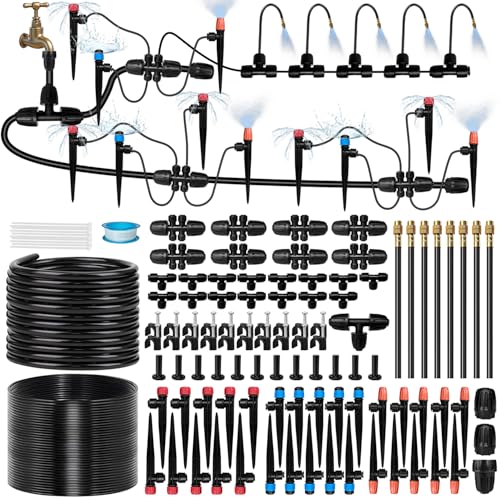
【Upgraded Tube Design & Water Saving】 Our garden watering system is upgraded to 1/2” diameter to support high water pressure. The 1/2” tee connector allows seamless splitting into 2 independent zones for customized watering schedules. By delivering moisture directly to root zones, this drip Irrigation system significantly reduces evaporation and runoff—saving more water compared to conventional sprinklers while eliminating the need for manual watering.

NO MORE HARD INSTALLATION - SET UP IN MINUTES. Tired of struggling with stiff barbed fittings? This drip irrigation system features quick-connect fittings that let you push, lock, and secure tubing effortlessly. No tools, no leaks, just a smooth setup experience. Enjoy a frustration-free installation and get your garden watering system running in minutes.
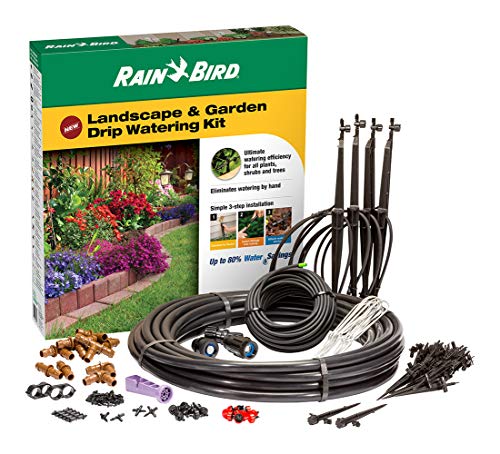
Comprehensive 108-piece kit for flower beds, gardens and landscaped areas; eliminates hand watering, saves time and money
Watering Techniques
Watering your lemon tree properly is essential for healthy growth and fruiting. Check the soil moisture regularly. When the top inch of soil feels dry, it’s time to water. Use deep, thorough watering methods to encourage strong root development. Aim for 1 to 1.5 inches of water per week, adjusting for rainfall. Consider using drip irrigation to provide consistent moisture without overwatering.
Fertilization Best Practices
Fertilizing your lemon tree supports robust fruit production. Use a balanced fertilizer with an N-P-K ratio of 6-6-6 or similar. Apply fertilizer every 6 to 8 weeks during the growing season, from spring to early fall. Follow the manufacturer’s instructions regarding the amount to use. Avoid over-fertilizing, as this can harm the tree. Additionally, consider incorporating organic options, like compost or well-rotted manure, to boost soil nutrients. Regularly pruning your tree also helps distribute nutrients effectively, leading to healthy fruit development.
Common Issues and Solutions
Growing a fruitful lemon tree involves addressing common issues that may arise. With effective solutions, you can ensure your tree produces abundant lemons.
Recommended Products


Suitable for ALL Skin Types. Each Soap is 75 grams(2.65 Ounces). You will get 3 X 2.65 Ounces = 8 Ounces
Pest Control
Pests often hinder lemon tree growth and fruit production. Common pests include aphids, spider mites, and mealybugs.
- Identifying Pests: Look for discolored leaves, webbing, or sticky substances on leaves, indicating pest presence.
- Natural Remedies: Introduce beneficial insects like ladybugs to combat aphids. You can also use insecticidal soap or neem oil to treat your trees.
- Regular Monitoring: Check your tree weekly for signs of infestation, ensuring early intervention.
Disease Management
Diseases can affect lemon trees and impact fruiting. Fungal infections, such as root rot or powdery mildew, are common culprits.
- Recognizing Symptoms: Yellowing leaves, wilting branches, and white powdery spots on leaves signal potential issues.
- Prevention Strategies: Ensure proper drainage to prevent root rot. Water at the base of the tree to keep foliage dry.
- Treating Diseases: Apply fungicides as needed, and remove affected plant material promptly to reduce disease spread.
By addressing pests and diseases, you can cultivate a healthy lemon tree that thrives and bears fruit.
Conclusion
Getting your lemon tree to bear fruit is all about creating the right environment and giving it the care it needs. By ensuring it gets enough sunlight and using the right soil mix you can set the stage for a bountiful harvest. Regular watering and fertilization will keep your tree healthy and thriving.
Don’t forget to keep an eye out for pests and diseases that might sneak in. With a little patience and attention your lemon tree can reward you with fresh, juicy lemons right from your backyard. Enjoy the process and the delicious fruits of your labor!
Frequently Asked Questions
Why isn’t my lemon tree producing fruit?
Lemon trees may not bear fruit due to insufficient sunlight, poor soil conditions, or improper watering. They require at least 8 to 12 hours of direct sunlight daily and well-draining soil with a slightly acidic pH. Regular care and attention to these factors can help improve fruit production.
How much sunlight do lemon trees need?
Lemon trees thrive in full sunlight, needing a minimum of 8 to 12 hours of direct sunlight each day. A south-facing location is ideal for optimal growth. If grown indoors, consider using grow lights during winter months to ensure they receive enough light.
What type of soil is best for lemon trees?
Lemon trees prefer well-draining soil, ideally a mix of sandy and loamy soil with a slightly acidic pH of 5.5 to 6.5. Regular soil testing and adjustments, such as adding sulfur or organic compost, can help maintain the right pH levels for healthy growth.
How should I water my lemon tree?
Water your lemon tree deeply when the top inch of soil feels dry. Aim for approximately 1 to 1.5 inches of water per week. Drip irrigation is recommended to maintain consistent moisture and avoid overwatering, which can harm the roots.
What fertilizer should I use for my lemon tree?
Use a balanced fertilizer with an N-P-K ratio of 6-6-6, applying it every 6 to 8 weeks during the growing season. Alternatively, organic options like compost can provide essential nutrients. Proper fertilization supports healthy growth and fruit production.
How can I control pests on my lemon tree?
Common pests affecting lemon trees include aphids, spider mites, and mealybugs. Solutions include introducing beneficial insects, using insecticidal soap or neem oil, and regularly monitoring your plants for early signs of infestation to take prompt action.
What diseases can affect lemon trees?
Lemon trees are susceptible to diseases such as root rot and powdery mildew. Key symptoms include yellowing leaves and stunted growth. Prevention strategies involve ensuring proper drainage and applying fungicides when necessary to protect the tree’s health.
Can growing lemon trees benefit the environment?
Yes, growing lemon trees contributes positively to the environment by improving air quality, preventing soil erosion, and reducing carbon footprints. Additionally, homegrown lemons reduce reliance on store-bought produce, which often contains harmful additives.
