

Ever wondered how long it takes for an avocado tree to start producing those delicious fruits? If you’ve planted one or are thinking about it, you might be eager to know when you can enjoy your homegrown guacamole.
Key Takeaways
- Fruit Bearing Timeline: Avocado trees typically start producing fruit 3 to 13 years after planting, depending on the variety and growing conditions. Hass and Fuerte usually bear fruit in 3-5 years, while Bacon and Pinkerton take about 5-6 years.
- Impact of Variety: Different avocado varieties yield fruit at varying rates; choosing the right variety for your climate is crucial for optimal production.
- Optimal Growing Conditions: Avocado trees thrive under full sun, well-draining soil with a pH of 6-6.5, and regular watering while avoiding over-saturation.
- Importance of Care and Maintenance: Regular pruning, balanced fertilization, and appropriate watering techniques significantly influence the health and productivity of avocado trees.
- Challenges in Growth: Pests, diseases, environmental stressors, and soil quality can hinder growth and fruit production; proactive management is essential.
- Grafted vs. Seedlings: Grafted avocado trees tend to bear fruit sooner (2-3 years) compared to seedlings, which can take 5-13 years to produce fruit.
Understanding Avocado Trees
Avocado trees provide creamy fruit loved by many. Knowing the specifics about these trees helps you nurture them for optimal growth.
Different Avocado Varieties
Avocado tree varieties impact fruiting times. Common types include:
- Hass: Most popular, starts bearing fruit 3-4 years after planting.
- Fuerte: A hybrid, produces fruit within 3-4 years.
- Bacon: A hardier variety, often yields fruit in 4-6 years.
- Pinkerton: Produces fruit in 4-5 years, known for its rich flavor.
Choosing the right variety suited for your climate can make a difference in fruit production.
Ideal Growing Conditions
Avocado trees thrive under specific conditions. To ensure successful growth:
- Sunlight: Full sun exposure for at least 6 hours daily.
- Soil: Well-draining soil with a pH of 6-6.5.
- Water: Regular watering, allowing soil to dry slightly between sessions.
- Temperature: Prefer temperatures between 60°F to 85°F; protect from frost.
Maintaining these ideal conditions promotes healthy growth and fruit production.
Timeframe for Fruit Bearing
Avocado trees take time to bear fruit, with several factors influencing their fruiting timeline. Understanding these aspects helps you set realistic expectations as you nurture your tree.
Factors Influencing Time to Fruit
- Variety of Avocado: Different avocado varieties yield fruit at different rates. For example, Hass typically starts producing in 3-4 years, while Bacon might take 5-6 years.
- Growing Conditions: Optimal conditions, such as full sunlight and well-drained soil, significantly impact growth. Insufficient light or poor-quality soil delays fruiting.
- Watering Practices: Proper irrigation is essential. Trees that receive adequate water, without being oversaturated, thrive better and can bear fruit sooner.
- Tree Age: Grafted trees often produce fruit faster than seedlings. Grafted varieties may yield fruit in 2-3 years, while seedlings can take 5-13 years.
- Pollination: Some avocado tree types require cross-pollination, which can affect flowering and fruit set. Planting two different varieties can enhance fruit yield.
- Temperature: Avocado trees thrive in mild climates. Extreme temperatures can hinder growth and fruit production, delaying your harvest.
Average Time to First Harvest
On average, you can expect an avocado tree to bear fruit between 3 to 13 years after planting. Here’s a breakdown based on common varieties:
| Variety | Average Years to First Harvest |
|---|---|
| Hass | 3 to 4 years |
| Fuerte | 4 to 5 years |
| Bacon | 5 to 6 years |
| Pinkerton | 5 to 6 years |
| Seedlings | 5 to 13 years |
Knowing these timelines helps you plan for your homegrown avocados. Regular care and attention can help you enjoy your first harvest sooner.
Care and Maintenance for Avocado Trees
Proper care and maintenance significantly influence the health and fruit production of avocado trees. Focus on pruning, fertilization, and watering to promote growth and maximize yield.
Recommended Products

🌴 TARGETED PALM TREE FERTILIZER 8-2-12: Specially designed for palms, this palm tree fertilizer 8-2-12 delivers balanced nutrition for strong growth. The advanced 8-2-12 fertilizer blend supports root development, healthy fronds, and plant stability. Ideal fertilizer for palm trees, it provides the nutrients palms need to thrive in outdoor environments.

THE SECRET TO THRIVING TREES: The citrus tree fertilizer provides slow-release nitrogen to fuel your trees' vegetative growth
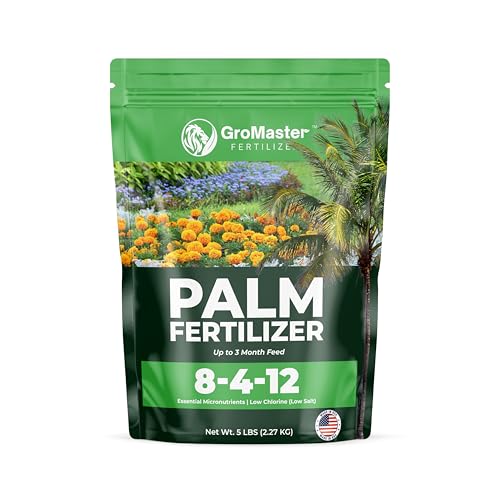
PALM-SPECIFIC FORMULA: 8-4-12 + 4Mg analysis is carefully balanced to support strong root systems, vibrant fronds, and overall palm health.
Pruning Techniques
Pruning affects an avocado tree’s structure and light exposure. Engage in pruning during late winter or early spring, just before new growth begins.
- Remove dead or damaged branches: Cut these branches to improve airflow and reduce disease risk.
- Thin out crowded areas: Target branches that overlap or grow inward. This helps sunlight reach all parts of the tree.
- Shape the tree: Aim for an open-centered structure to facilitate light penetration and air circulation.
Use clean, sharp tools to minimize injury to the tree. Prune conservatively, focusing on maintaining a healthy balance between fruit production and overall tree vitality.
Fertilization and Watering Needs
Fertilization and watering play crucial roles in avocado tree health.
- Select a balanced fertilizer: Use a slow-release fertilizer with a ratio of 8-2-10 (N-P-K) to provide essential nutrients.
- Fertilize in spring and summer: Apply fertilizer every six weeks during the growing season for optimal results.
Watering requires careful attention.
- Water deeply and infrequently: Allow the top 2-3 inches of soil to dry out between watering. This encourages deep root growth.
- Monitor soil moisture: Stick your finger into the soil. If it feels dry, it’s time to water.
- Avoid overwatering: Ensure proper drainage to prevent root rot, which can be detrimental to your tree.
Incorporate these practices to enhance your avocado tree’s growth and fruiting potential.
Common Challenges in Growing Avocado Trees
Growing avocado trees presents several challenges. Understanding these can help you ensure a healthy tree and maximize fruit production.
Recommended Products

PLANT DISEASE CONTROL: Natria Neem Oil acts as an insecticide and fungicide in one convenient spray; Ready-to-use trigger sprayer requires no mixing


Control diseases and insects in your garden with Captain Jack’s Fruit Tree Spray Concentrate! Use on a variety of listed fruits, nuts and citrus plants.
Pests and Diseases
Pests and diseases can threaten the health of your avocado tree. Common pests include aphids, spider mites, and avocado lace bugs, which suck sap and weaken the tree. You can manage these pests using insecticidal soap or neem oil, applied every 7-14 days until the problem resolves.
Diseases like root rot and powdery mildew often arise from overwatering or poor air circulation. To prevent root rot, ensure well-draining soil and water only when the top inch is dry. For powdery mildew, increase airflow around your tree and apply a fungicide if necessary.
Environmental Stressors
Environmental stressors significantly impact avocado tree growth. Temperature extremes can affect fruit set and overall tree health. Avocado trees thrive in temperatures between 60°F and 85°F. Protect your tree from frost by covering it with burlap at night during cold snaps.
Soil quality is also crucial. Avocado trees prefer slightly acidic soil with good drainage. Test your soil’s pH and amend it with organic matter to improve structure and nutrients.
Water stress, whether from drought or excessive moisture, impairs fruit production. Implement a deep watering routine every 1-2 weeks during dry spells, ensuring the tree receives about 18-24 inches of water per year. Monitor your tree closely during these periods and adjust your watering schedule as needed.
By staying vigilant about these challenges, you can promote a thriving avocado tree that bears fruit in time.
Conclusion
Growing your own avocado tree can be a rewarding journey filled with anticipation. While it may take anywhere from 3 to 13 years for your tree to start bearing fruit depending on the variety and care you provide, the wait is often worth it. By ensuring your tree gets the right sunlight, water, and nutrients, you’re setting the stage for a bountiful harvest.
Remember to be patient and attentive as you nurture your tree through its early years. With the right practices and a little love, you’ll soon enjoy the satisfaction of picking fresh avocados right from your backyard. Happy growing!
Frequently Asked Questions
How long does it take for an avocado tree to produce fruit?
Avocado trees take approximately 3 to 13 years to start producing fruit, depending on the variety. For instance, Hass avocados typically begin to bear fruit in 3-4 years, while Bacon may take 5-6 years. Factors like tree age, growing conditions, and pollination also influence the timeline.
What are the best conditions for growing avocado trees?
Avocado trees thrive in full sunlight, well-draining soil that is slightly acidic, and consistent temperatures. Proper watering practices are crucial, with deep and infrequent watering being recommended to promote strong root growth.
What are some common pests affecting avocado trees?
Common pests include aphids and spider mites. Managing these pests may involve using insecticidal soap or neem oil to protect the tree. Regular monitoring and early intervention can prevent infestations.
How often should I prune my avocado tree?
Pruning should be done in late winter or early spring to maintain healthy growth. Focus on removing dead branches and shaping the tree to enhance airflow and light exposure, which can improve fruit yield.
What type of fertilizer is best for avocado trees?
A balanced slow-release fertilizer is ideal for avocado trees. It should be applied every six weeks during the growing season to provide necessary nutrients and support healthy growth and fruit production.
