

Curious about the size of cucamelon plants in your garden? Imagine having a unique plant that surprises you with its growth. You might be wondering, “How big do cucamelon plants actually get?” It’s a common question among gardeners looking to add these adorable mini fruits to their harvest.
Key Takeaways
- Cucamelon plants typically reach a height of 3-5 feet when fully matured, making them ideal for trellises or vertical gardening.
- Despite their small size, cucamelon vines can yield an abundance of fruit throughout the growing season with a flavor profile described as a mix between cucumbers and lime.
- Factors influencing cucamelon plant growth include sunlight, soil quality, water levels, and temperature, requiring at least 6-8 hours of direct sunlight daily and well-draining soil rich in organic matter.
- To care for your cucamelon plants properly, ensure they receive full sun exposure, use well-draining soil enriched with organic matter, maintain consistent moisture levels without overwatering, and protect them from cold temperatures by planting after the last frost date.
Understanding Cucamelon Plants
Cucamelons, also known as “Mexican sour gherkin” or “mouse melon,” are tiny fruits that resemble a miniature watermelon with a cucumber taste. Here’s what you need to know about these unique plants:
What Are Cucamelons?
Cucamelons are vine plants native to Mexico and Central America. They belong to the cucumber family but produce grape-sized fruits that look like tiny watermelons. These plants thrive in warm climates and are popular for their ornamental value in gardens due to their charming appearance.
- Size: Cucamelon plants typically reach a height of 3-5 feet when fully matured, making them ideal for trellises or vertical gardening.
- Fruit Production: Despite their small size, cucamelon vines can yield an abundance of fruit throughout the growing season.
- Flavor Profile: The flavor of cucamelons is often described as a mix between cucumbers and lime, adding a refreshing twist to salads or pickles.
- Growing Habits: These plants have sprawling vines that require support for optimal growth and fruit development.
- Harvesting: Cucamelons are ready for harvest when they reach about the size of a grape or cherry tomato, offering a crunchy texture similar to cucumbers.
Understanding these aspects will help you cultivate healthy and productive cucamelon plants in your garden effortlessly.
Growth Patterns of Cucamelon Plants
Cucamelon plants’ growth is influenced by various factors, determining their ultimate height and width. Understanding these factors can help you cultivate healthy and productive plants effortlessly.
Factors Influencing Growth
Plant growth is primarily influenced by sunlight, soil quality, water levels, and temperature. Cucamelons thrive in full sun, requiring at least 6-8 hours of direct sunlight daily. They prefer well-draining soil rich in organic matter to support their vine development. Adequate watering is crucial, keeping the soil consistently moist but not waterlogged. Cucamelons are sensitive to cold temperatures and should be planted after the last frost date in your area for optimal growth.
Typical Height and Width
Cucamelon plants typically reach a height of 3-5 feet when mature, with vines spreading out up to 10 feet wide. The sprawling nature of cucamelons makes them ideal for trellises or other support structures to prevent overcrowding and promote air circulation around the plants. By providing adequate vertical space for upward growth and horizontal space for vine expansion, you can ensure healthy development and abundant fruit production from your cucamelon plants.
Caring for Your Cucamelon Plants
To ensure your cucamelon plants thrive, follow these best practices for cultivation and avoid common pitfalls.
Recommended Products

【Versatile Support】This honeycomb plant trellis indoor is perfect for a variety of climbing plants, including vines, flowers, and vegetables. Its versatile design allows garden trellis to be used both indoors and outdoors, providing essential support for your plants to grow
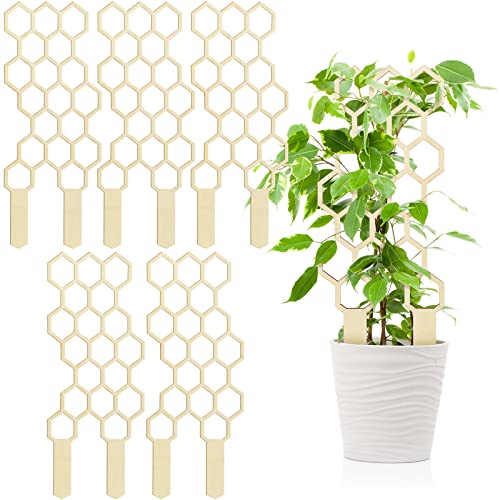
Satisfy Your Gardening Needs: the package contains 5 pieces of honeycomb trellises, they can be applied as supports for climbing plants and help the plants grow regularly, enough quantity can meet your use and replacement needs, you can also share them with your friends who like gardening
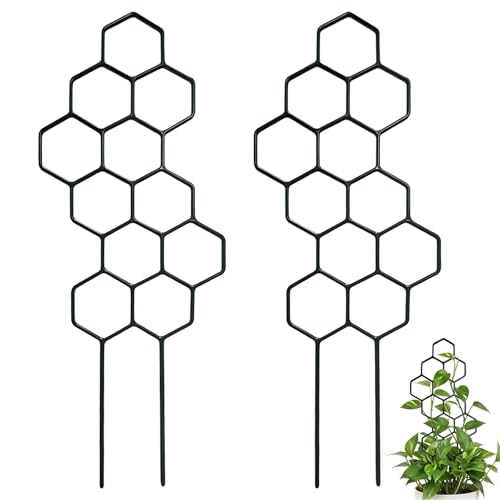
Versatile Plant Support: This pothos plant climber support offers essential growth assistance for various climbing plants including vines, flowers, and vegetables; The indoor plant trellis features a modern honeycomb structure that complements home decor while providing functional climbing surfaces; Suitable for both indoor and outdoor gardening applications
Best Practices for Cultivation
- Sunlight Exposure: Plant your cucamelon in an area that receives full sun to promote healthy growth and fruit production.
- Soil Quality: Use well-draining soil enriched with organic matter to provide essential nutrients for robust plant development.
- Watering Routine: Maintain consistent moisture levels without overwatering to prevent root rot and ensure proper hydration.
- Temperature Consideration: Protect your plants from cold temperatures by planting them after the last frost date in your region.
- Overwatering: Excess water can lead to root rot, negatively impacting the health of your cucamelon plants.
- Poor Drainage: Inadequate drainage can cause waterlogged soil, suffocating the roots and hindering plant growth.
- Insufficient Sunlight: Lack of sunlight can stunt the growth of cucamelons and reduce fruit production.
- Planting Too Early: Planting before the last frost date can expose young plants to cold damage, affecting their overall health.
By following these guidelines, you’ll nurture flourishing cucamelon plants that yield abundant harvests throughout the growing season.
Uses and Benefits of Cucamelons
Cucamelons, also known as “Mexican sour gherkins” or “mouse melons,” offer a delightful combination of culinary uses and health benefits. Let’s explore how these tiny fruits can enhance your diet and well-being.
Culinary Uses
Enjoyed for their unique flavor profile, cucamelons are versatile in the kitchen. You can use them in various ways, such as:
- Pickling: Cucamelons make excellent pickles due to their tangy taste and crunchiness. They add a refreshing twist to traditional pickling recipes.
- Salads: Slice cucamelons into halves or quarters and toss them into salads for a burst of flavor. Their appearance resembles mini watermelons, adding visual appeal to your dishes.
- Garnishes: Use whole cucamelons as decorative garnishes for cocktails, appetizers, or platters. They are eye-catching additions that elevate the presentation of your food.
Health Benefits
In addition to their culinary charm, cucamelons offer several health benefits that make them a nutritious choice:
- Low in Calories: Cucamelons are low in calories but rich in essential nutrients like vitamins A and C. They make a healthy snack option for those watching their calorie intake.
- Antioxidant Properties: These tiny fruits contain antioxidants that help combat free radicals in the body, supporting overall health and well-being.
- Hydration: With high water content, cucamelons contribute to hydration levels, particularly on hot days when staying hydrated is crucial.
Conclusion
That’s it! Now you know all about the fascinating cucamelon plants. From their small grape-sized fruits to their versatile culinary uses, these plants are a delightful addition to any garden. Remember to provide them with proper support and care as they grow. Whether you enjoy them pickled, in salads, or simply as a refreshing snack, cucamelons offer a unique blend of flavor and health benefits. So go ahead, give these tiny treasures a try in your garden and kitchen – you won’t be disappointed!
Frequently Asked Questions
What are cucamelons?
Cucamelons, also known as “Mexican sour gherkin” or “mouse melon,” are grape-sized fruits resembling miniature watermelons with a cucumber flavor.
Where do cucamelons originate from?
Cucamelons originate from Mexico and Central America.
What are the growth requirements for cucamelon plants?
Cucamelon plants require sunlight, well-draining soil, and warm temperatures to thrive.
Why is trellising important for cucamelon plants?
Trellises provide support for the vine-like growth of cucamelon plants and help prevent fruit rot on the ground.
What are some culinary uses of cucamelons?
Cucamelons can be pickled, added to salads, used as garnishes, or eaten fresh.
What health benefits do cucamelons offer?
Cucamelons are low in calories, rich in antioxidants, and help with hydration for overall well-being.
