

Do you ever wonder if washing grapes before storing them is necessary? Picture this: you come home from the grocery store, excited to enjoy some fresh grapes, only to find them covered in a powdery residue. In this article, we’ll explore whether washing grapes before storing is a crucial step in ensuring their freshness and your health.
By understanding the importance of proper grape handling, you can make informed decisions about food safety practices at home. Stay tuned to discover simple yet effective tips that can enhance the longevity and quality of your favorite fruit. Let’s dive into the discussion on whether washing grapes should be a routine part of your post-grocery ritual.
Key Takeaways
- Cleaning grapes before storing is crucial for maintaining freshness and ensuring food safety.
- Neglecting to wash grapes can expose you to health risks like pesticides, bacteria, and residues.
- Washing grapes helps remove harmful substances, enhancing taste and making them safer to eat.
- Properly washing grapes involves rinsing under water, soaking in a vinegar solution, giving a final rinse, and patting dry before storage.
- Common mistakes to avoid include not using enough water, skipping the soaking step, and using harsh chemicals for washing.
- To store washed grapes effectively, use a perforated plastic bag in the refrigerator’s crisper drawer, separate spoiled grapes, ensure dryness to prevent mold growth, handle gently to avoid bruising, and regularly inspect for spoilage.
Importance of Cleaning Grapes
When it comes to grapes, ensuring they are properly cleaned before storage is crucial for maintaining their freshness and preserving your health. Let’s delve into why cleaning grapes should be an essential part of your routine.
Risks of Not Washing Grapes
Neglecting to wash grapes before storing them can pose various risks to your health. Contaminants such as pesticides, dirt, bacteria, and residues from handling can linger on the grape’s surface. By consuming unwashed grapes, you expose yourself to potential health hazards like stomach upset or foodborne illnesses.
Benefits of Washing Grapes
On the other hand, washing grapes diligently offers numerous benefits. It helps remove harmful substances like pesticides and bacteria, making the fruit safer to eat. Additionally, washing grapes enhances their taste by eliminating any unpleasant residues that might affect their flavor. By incorporating this simple step into your routine, you ensure that each grape you enjoy is clean and safe for consumption.
Best Practices for Washing Grapes
When it comes to ensuring the freshness and safety of your grapes, washing them properly is key. Here are some tips on how to wash grapes effectively and common mistakes to avoid.
Recommended Products
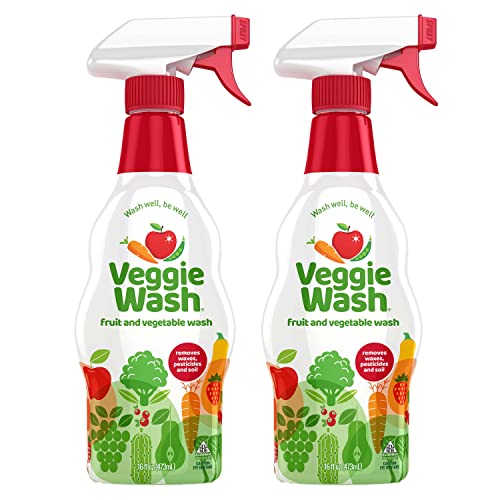
WASH WELL, BE WELL: safely removes wax, soil, agricultural chemicals, and handling residue found on both standard and organic fruits and veggies

WASH WELL, BE WELL: safely removes wax, soil, agricultural chemicals, and handling residue found on both standard and organic fruits and veggies

VEGGIE WASH BLASTS AWAY IMPURITIES - Our unbeatable fruit cleaner and washer penetrates deep, removing every speck of grime and dirt. Revel in the purest, freshest fruits and veggies with every soak, your family deserves it!
How to Properly Wash Grapes
To properly wash your grapes, follow these simple steps:
- Rinse under Water: Place your grapes in a colander or strainer and rinse them thoroughly under cool running water. Gently rub the grapes with your fingers to remove any dirt or residue.
- Soak in Vinegar Solution: For an extra cleaning boost, you can soak the grapes in a solution of water and vinegar (3 parts water to 1 part vinegar) for about 5-10 minutes. This can help remove pesticides or bacteria present on the grape skin.
- Final Rinse: After soaking, give the grapes one final rinse under running water to ensure all traces of vinegar are washed off.
- Pat Dry: Once washed, pat the grapes dry with a clean paper towel before storing them in the refrigerator.
Common Mistakes to Avoid
When washing your grapes, steer clear of these common mistakes:
- Not Using Enough Water: Ensure you rinse your grapes thoroughly under running water instead of just giving them a quick splash.
- Skipping Soaking Step: While rinsing is essential, don’t skip the soaking step as it helps eliminate more contaminants from the surface of the grapes.
- Using Harsh Chemicals: Avoid using harsh detergents or soaps when washing grapes as they can leave behind harmful residues that may affect taste and safety.
By following these best practices and avoiding common pitfalls, you can enjoy fresh, clean grapes that not only taste better but also contribute to your overall well-being.
Storing Washed Grapes
When it comes to storing washed grapes, ensuring the right conditions is key to maintaining their freshness and taste. Here’s how you can store your washed grapes effectively:
Ideal Conditions for Storing Grapes
To keep your grapes fresh for longer, store them in a perforated plastic bag in the refrigerator’s crisper drawer. The holes in the bag allow for airflow while retaining moisture, preserving the grapes’ texture and flavor.
- Separate Before Storing: Remove any spoiled or damaged grapes before storage as they can cause others to spoil faster.
- Avoid Moisture: Ensure that the grapes are dry before placing them in the refrigerator to prevent mold growth.
- Gentle Handling: Handle the grapes carefully to avoid bruising, which can accelerate decay.
- Check Regularly: Inspect your stored grapes frequently and discard any that show signs of mold or spoilage.
Conclusion
Remember, washing grapes before storing is not just about cleanliness; it’s also about your health and the taste of the fruit. By following simple steps like rinsing under water, soaking in a vinegar solution, and ensuring proper storage conditions, you can enjoy fresh and safe grapes every time. Avoid common mistakes like using harsh chemicals or skipping important washing steps to maintain the quality of your grapes. With a little care in washing and storing, you can savor delicious grapes without any worries about contaminants or spoilage. Stay mindful of these tips to keep your grapes fresh, tasty, and ready to enjoy whenever you crave a sweet snack.
Frequently Asked Questions
Why is it important to wash grapes before storing them?
It is crucial to wash grapes before storing them to remove contaminants like pesticides and bacteria, ensuring food safety and freshness.
What are the benefits of washing grapes diligently?
Washing grapes diligently helps in removing harmful substances, enhancing taste, and prolonging their shelf life.
What are the best practices for washing grapes effectively?
Best practices include rinsing under water, soaking in a vinegar solution, giving a final rinse, and patting dry before storage.
How should washed grapes be stored to maintain freshness?
Store washed grapes in a perforated plastic bag in the refrigerator’s crisper drawer to allow airflow while retaining moisture.
What common mistakes should be avoided when washing and storing grapes?
Avoid mistakes such as not using enough water, skipping the soaking step, avoiding harsh chemicals, storing wet grapes, or failing to check for spoilage regularly.
