

Curious about growing grapes in Texas? Imagine enjoying the sweet satisfaction of harvesting your own vineyard right in your backyard. With its unique climate and soil conditions, Texas offers a promising landscape for grape cultivation.
Have you ever wondered if you could grow your favorite wine-producing fruit in the Lone Star State? Picture yourself savoring the fruits of your labor with each glass of locally produced wine. In this article, we’ll explore the possibilities and potential challenges of cultivating grapes in Texas.
By delving into the world of grape growing in Texas, you’ll uncover valuable insights on how to kickstart your own vineyard successfully. Whether you’re a novice enthusiast or an experienced gardener, this guide will provide you with essential tips and tricks to nurture thriving grapevines in the Texan soil.
Key Takeaways
- Climate and soil conditions in Texas vary, providing opportunities for grape cultivation in different regions.
- Selecting suitable grape varieties adapted to Texas’ climate and soil is crucial for a successful vineyard.
- Implementing proper planting practices, irrigation, and fertilization techniques is essential for nurturing healthy grapevines.
- Awareness of common pests, diseases, and weather threats in Texas can help protect vineyards through integrated pest management strategies.
The Viability of Grape Cultivation in Texas
When considering grape cultivation in Texas, it’s essential to assess the climate and soil conditions to determine the feasibility of such an endeavor. Let’s delve into the factors that contribute to the viability of growing grapes in the Lone Star State.
Climate Suitability for Grape Growing
In Texas, the diverse climate ranges from humid subtropical in the east to arid desert-like conditions in the west. This climatic variation offers a unique advantage for grape cultivation as different grape varieties thrive under specific conditions. For example, regions like the High Plains benefit from ample sunshine and cool nights, ideal for cultivating grapes used in winemaking.
Essential Soil Conditions
The soil composition plays a crucial role in successful grape cultivation. In Texas, soils vary significantly across different regions, ranging from sandy loam to clay and limestone-rich soils. For instance, areas like the Texas Hill Country boast well-draining limestone-based soils that are conducive to growing high-quality wine grapes.
By understanding the climate suitability and essential soil conditions for grape growing in Texas, you can make informed decisions when planning your vineyard. Remember that selecting suitable grape varieties tailored to your region is key to a thriving vineyard venture.
Popular Grape Varieties in Texas
When considering grape cultivation in Texas, it’s essential to choose grape varieties that thrive in the region’s diverse climates and soil conditions. Here are some popular grape varieties suited for cultivation in Texas:
Recommended Products
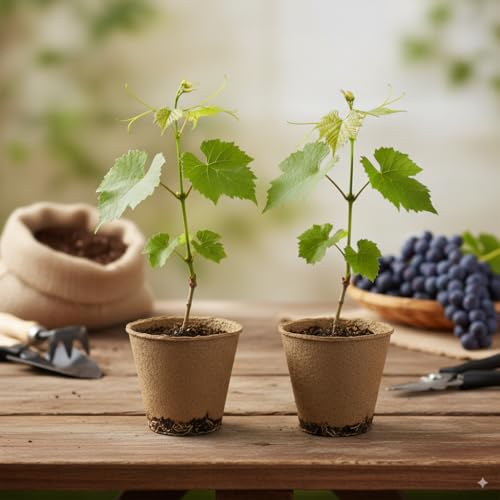
What You Will Receive – Two (2) live Southern Home Grape Vine starter plants, each 5–9 inches tall, shipped safely in protective, eco-friendly packaging. Bare root plants ready to thrive upon arrival.

Grow your own delicious red grapes with a healthy live grapevine, perfect for fresh eating, juicing, jams, and even home winemaking.

🍇 Premium Wine Grape Variety – Cabernet Sauvignon is one of the most popular grapes used for high-quality red wine production worldwide
Vinifera Grapes
Vinifera grapes, known for producing classic wine varietals, can be challenging to grow in Texas due to its hot and humid climate. However, some regions with milder conditions like the Texas Hill Country have seen success with certain vinifera varieties such as Tempranillo and Viognier. These grapes require careful attention to vineyard management practices to thrive in the Texan climate.
Hybrid and Native Varieties
Hybrid grape varieties, bred for disease resistance and adapted to local climates, are well-suited for Texas’s challenging growing conditions. Examples include Blanc du Bois, Black Spanish (Lenoir), and Norton (Cynthiana), which have gained popularity among Texan winemakers for their ability to withstand heat and humidity while producing quality wines. Native American grape varieties like Mustang grapes also offer a unique flavor profile that reflects Texas’ terroir.
By choosing grape varieties that align with Texas’ climate and soil characteristics, you can increase your chances of a successful vineyard venture. Experimenting with different grape types suited to the specific microclimates within Texas can lead to exciting winemaking opportunities tailored to the Lone Star State.
Growing Techniques and Tips
When it comes to cultivating grapes in Texas, employing the right growing techniques is crucial for a successful vineyard. Here are some essential practices to consider:
Recommended Products

H335 Grape Razor Fork Harvest Tool features a unique razor fork design with a replaceable blade, engineered for clean grape bunch cuts and minimal stem damage during high-speed harvests.

Smooth Jaw Thinning Clip: This Fruit Thinning Tool, a handheld fruit grape bud flower thinning clip, has smooth jaw closure and a durable ABS pruning clip. The reliable orchard pruning tool is a deformation resistant flower thinning tool for orchard grape and flower thinning

Boosting vineyards efficiency with our ergonomic grape thinning tool, designed to reduce manual labor while promoting healthier grape growth and maximizing harvest yields.
Planting Best Practices
- Site Selection: Choose a location with well-draining soil and access to full sunlight for optimal grape growth.
- Spacing: Ensure proper spacing between grapevines to allow for good air circulation, which helps prevent diseases.
- Training Systems: Select suitable training systems like trellises or arbors to support vine growth and facilitate harvesting.
- Irrigation: In Texas’ varying climates, it’s important to provide consistent irrigation, especially during dry periods, to support healthy grape development.
- Fertilization: Conduct soil tests regularly to determine nutrient deficiencies and adjust fertilization accordingly to promote vigorous vine growth.
By following these planting best practices and addressing water and fertilization needs adequately, you can enhance the chances of growing thriving grapevines in your Texas vineyard.
Protecting Grapes from Pests and Diseases
When growing grapes in Texas, it’s essential to be aware of the common threats that can affect vineyards in the region. By understanding these challenges, you can implement effective prevention and treatment strategies to safeguard your grapevines.
Recommended Products
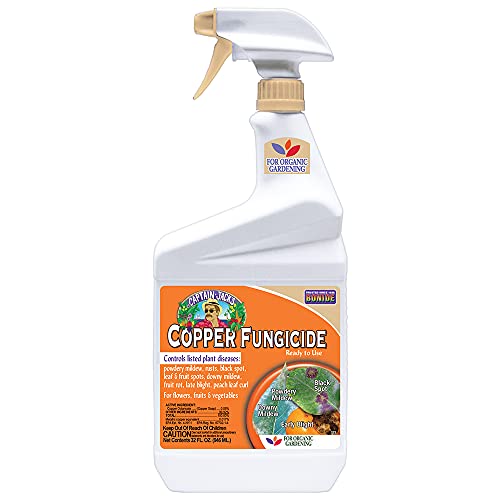
Control fungus and disease in your garden with Captain Jack’s ready-to-use Liquid Copper Fungicide!

3-in-1 FORMULA: Aphid spray for outdoor plants for use on roses, flowers, shrubs and trees to control listed insects, disease and mites

3-IN-1 PLANT CARE: 3-In-1 Insect, Disease & Plant Mite Control provides insect control, disease control, and plant mite control all in one; Rainproof protection starts in 4 hours and lasts up to 14 days
Common Threats to Texas Vineyards
- Pests: In Texas, grapevines are vulnerable to various pests such as grape phylloxera, grapevine moth, and spider mites. These pests can damage leaves, stems, and fruit, impacting the overall health of the vines.
- Diseases: Grapevines in Texas are susceptible to diseases like Pierce’s disease, powdery mildew, and black rot. These diseases can weaken the vines, reduce yield quality, and even lead to vine death if left untreated.
- Weather Conditions: Extreme weather events such as hailstorms or heavy rains can also pose a threat to grapevines in Texas. These conditions may increase the risk of fungal diseases and physical damage to the vines.
- Integrated Pest Management (IPM): Implementing an IPM approach involves monitoring pest populations, using cultural practices like pruning to improve airflow around vines, introducing beneficial insects for pest control, and using targeted pesticide applications only when necessary.
- Disease Resistant Varieties: Opt for grape varieties that show resistance or tolerance to common diseases prevalent in Texas. Choosing disease-resistant cultivars can help reduce the risk of infection and minimize the need for chemical treatments.
- Vineyard Sanitation: Regularly inspect your vineyard for signs of pests or diseases and promptly remove any infected plant material. Proper sanitation practices help prevent the spread of pathogens within the vineyard.
- Fungicide Applications: Consider applying fungicides preventatively during critical growth stages to protect grapevines from fungal diseases like powdery mildew or black rot. Follow label instructions carefully when using fungicides.
By being proactive in identifying potential threats and implementing appropriate protection measures, you can ensure that your grapevines thrive in Texas’ unique growing conditions while minimizing risks associated with pests and diseases.
Conclusion
You’ve explored the exciting world of grape cultivation in Texas, uncovering the potential for thriving vineyards in regions like the High Plains and the Texas Hill Country. By selecting suitable grape varieties and implementing effective growing techniques, you can set yourself up for success. Remember to stay vigilant against pests, diseases, and unpredictable weather conditions that may challenge your vineyard’s health. With strategies like Integrated Pest Management and careful variety selection, you can protect your grapes and ensure a bountiful harvest in Texas’ unique climate. Embrace the journey of grape growing in this diverse state, and with dedication and knowledge, you can cultivate beautiful vineyards that yield exceptional wines.
Frequently Asked Questions
Q: What grape varieties are suitable for cultivation in Texas?
A: Grape varieties like Tempranillo and Viognier, especially Vinifera grapes, thrive well in Texas due to the climate and soil conditions.
Q: How can I protect my grapes from pests and diseases in Texas?
A: Employ strategies such as Integrated Pest Management, choosing disease-resistant grape varieties, maintaining vineyard sanitation, and applying fungicides when necessary to safeguard against threats like grape phylloxera, Pierce’s disease, and powdery mildew.
Q: Which regions in Texas are ideal for grape cultivation?
A: Regions like the High Plains and the Texas Hill Country offer favorable climate and soil conditions for successful vineyards in Texas.
