

Are you dreaming of cultivating your own vineyard in the scenic landscapes of Colorado? Picture yourself savoring the sweetness of homegrown grapes straight from the vine. But, you might be wondering, is it really possible to grow grapes in Colorado’s challenging climate?
Imagine the satisfaction of nurturing your grapevines and harvesting a bountiful crop despite the high altitude and unpredictable weather. You’ll be delighted to discover that with the right knowledge and techniques, growing grapes in Colorado can be a rewarding experience.
Key Takeaways
- Understanding Colorado’s climate nuances is crucial for successful grape cultivation.
- Choosing cold-hardy grape varieties like Cabernet Franc and Merlot is essential for withstanding freezing temperatures.
- Selecting grape varieties that adapt well to Colorado’s diverse soil types, such as Cabernet Franc and Riesling, can lead to better yields.
- Proper site selection with ample sunlight exposure and good air circulation is key to successful grape planting in Colorado.
- Conducting a soil test, maintaining optimal pH levels, and providing necessary nutrients are essential steps for healthy grapevine growth.
- Adapting care throughout the seasons, from spring frost protection to summer pruning and pest control, is vital for managing grape vines in Colorado.
Understanding Colorado’s Climate for Grape Growing
Colorado’s diverse climate poses both challenges and advantages for grape growing. Here, we delve into the specific factors that impact grape cultivation in this unique environment.
Challenges of Cold Weather
In Colorado, cold weather presents a significant challenge for grape growers. With winter temperatures often dropping below freezing, it’s crucial to select grape varieties that can withstand these harsh conditions. Hardy grape varieties such as Cabernet Franc and Merlot are better suited to Colorado’s colder climate, ensuring your vines survive the winter months without damage.
Sunshine and Altitude Effects
Colorado’s abundant sunshine and high altitude play essential roles in grape cultivation. The intense sunlight at higher elevations promotes sugar development in grapes, leading to richer flavors in the final wine product. Additionally, the diurnal temperature variation resulting from high altitudes helps grapes retain acidity, crucial for balanced wines with depth and complexity.
By understanding Colorado’s climate nuances, you can make informed decisions when selecting grape varieties and implementing vineyard management practices tailored to this distinctive environment.
Choosing the Right Grape Varieties
When it comes to growing grapes in Colorado, selecting the right grape varieties is crucial for success. Here’s a guide to help you choose the most suitable grapes for your vineyard.
Recommended Products

PREMIUM GRAPE VINE - 7 VARIETIES AVAILABLE (CATAWBA PRIMARY): Receive one of our carefully selected premium grape varieties based on seasonal availability and optimal planting timing! Primary variety: Catawba (zones 4-8, beautiful pink-red grapes). Other varieties include: Concord (zones 4-9, classic blue-purple), Sunbelt (zones 6-10, bronze muscadine), Alachua, Carlos, Noble, and Southern Home (zones 7-11, southern muscadines). All varieties are proven performers

Concord grapes are known as the classic grape for juice, jelly, and wine!
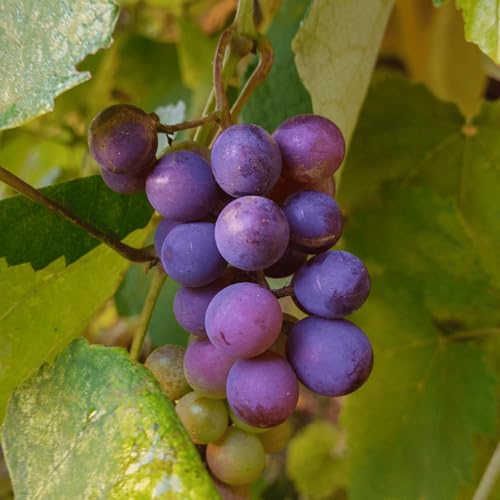
Cold Hardy and Delicious Table and Wine Grape - Developed in Canada, Vanessa seedless grapes are a fantastic choice for eating fresh, or for making wines that resmeble a
Cold-Hardy Grape Varieties
In Colorado’s challenging climate, opt for cold-hardy grape varieties that can withstand freezing temperatures. Consider planting varieties like Marquette, Frontenac, or La Crescent. These grapes have been bred specifically to thrive in colder conditions and are well-suited for Colorado’s winters.
Varieties Best Suited for Colorado’s Soil
Colorado has diverse soil types, ranging from clay to sandy loam. For optimal growth, choose grape varieties that adapt well to these soils. Varieties such as Cabernet Franc, Merlot, and Riesling tend to perform excellently in various soil compositions found across Colorado. Ensure you match the grape variety with the specific soil type present in your vineyard for better yields and quality grapes.
Essential Steps in Planting Grapes
To ensure successful grape cultivation in Colorado, here are the essential steps you should follow:
Recommended Products

Quick, at home results for Soil pH, Nitrogen, Phosphorous and Potash Innovative and inexpensive soil test kit features an easy-to-use capsule system and patented color comparators

Kindly NOTE: This soil tester can not be applied to test pH value of any other liquid. If the soil is too dry the indicator will not move, and water it before testing.

Accurate Soil pH Testing: Dewildetradingco Soil pH Test Strips offer measurements of soil pH levels (pH 3.5-9). As an essential tool for every gardener and grower, these test strips help determine the optimal pH for various plants, such as outdoor plants, indoor plants, gardens, grass lawns, fruit trees, flowers, vegetables, and forest shrubs.
Selecting the Right Site
When planting grapes in Colorado, it’s crucial to choose a site that receives ample sunlight. Opt for locations with southern or southeastern exposure to maximize sun exposure, aiding in sugar development within the grapes. Additionally, select a site with good air circulation to prevent frost pockets and reduce the risk of diseases.
Soil Preparation and Nutrition
Prepare your soil by conducting a soil test to determine its pH level and nutrient composition. Aim for a pH level between 6.0 and 7.0 for optimal grape growth. Incorporate organic matter such as compost or well-rotted manure into the soil to improve its structure and fertility. Consider adding specific nutrients like nitrogen, phosphorus, and potassium based on the soil test results to ensure healthy grapevine growth.
By following these steps diligently, you’ll set a solid foundation for cultivating thriving grapevines in Colorado’s unique climate.
Managing Grape Vines Through the Seasons
When it comes to managing grape vines in Colorado, you’ll need to adapt your care throughout the seasons to ensure a successful harvest. Here are some essential tips for each stage of the grapevine’s growth cycle.
Recommended Products

Comprehensive Winter Protection for Your Garden: Our outdoor plant covers provide complete freeze protection for strawberries, vegetables, tomatoes, fruit trees, citrus plants, shrubs, and potted plants throughout the winter. This frost cloth plant freeze protection shields delicate plants from sudden temperature drops, frost, and strong winds, ensuring they survive harsh winter conditions. Ideal for those looking for frost blankets for outdoor plants and reliable plant freeze protection covers.
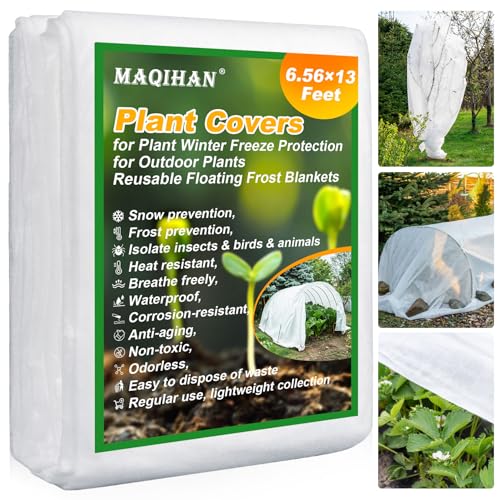
Product Features: Our plant covers are ideal for protecting all plant. Made from premium 1 oz/sq non-woven fabric, their durability and breathability ensuring both insulation against frost and facilitation of sunlight penetration for healthy plant growth

THICKER MATERIAL: Our plant freeze protection cover is made of UV stabilized polypropylene. Upgraded thicker 0.9oz./sq.yard lightweight but durable. Soft plant covers are friendly and no harm to your plants. Breathable non-woven fabric allow light, air go through the frost cloths and reach the plants.
Spring Care and Frost Protection
In spring, as your grapevines start to awaken from dormancy, it’s crucial to provide them with proper care and protection against late frosts. To safeguard your vines:
- Prune Wisely: Trim any damaged or overgrown branches to promote healthy growth.
- Monitor Weather: Keep an eye on weather forecasts and be prepared to protect young shoots from unexpected frost.
- Cover Plants: Use frost blankets or row covers to shield delicate buds from frost damage.
Summer Pruning and Pest Control
As summer rolls in, your focus shifts to maintaining vine health and warding off pests that can harm your grapes. Follow these steps:
- Prune Correctly: Continue pruning excess foliage for better air circulation and sunlight exposure.
- Inspect Regularly: Check for signs of pests like aphids or mites and take appropriate measures if detected.
- Natural Remedies: Consider using organic pest control methods such as neem oil or insecticidal soap.
Harvesting Grapes in Colorado
The culmination of your hard work arrives in the harvesting season when you get to enjoy the fruits of your labor. Here’s how you can ensure a successful harvest:
- Timing is Key: Harvest grapes at their peak ripeness by tasting them regularly as they approach maturity.
- Gentle Handling: Handle harvested grapes delicately to prevent bruising or damage.
- Proper Storage: Store harvested grapes in a cool, dark place until ready for processing or consumption.
By following these seasonal guidelines for managing grape vines in Colorado, you’ll be well-equipped to nurture healthy vines and reap a bountiful harvest year after year.
Additional Tips for Success
When growing grapes in Colorado, certain additional tips can enhance your chances of a successful harvest. Here are some key strategies to consider:
Irrigation Techniques in Arid Climates
In Colorado’s arid climate, proper irrigation is crucial for grapevines’ health and productivity. Consider these tips for effective irrigation:
- Drip Irrigation: Opt for drip irrigation systems that deliver water directly to the base of the plants, minimizing water loss through evaporation.
- Watering Schedule: Develop a consistent watering schedule based on the specific needs of your grape varieties and adjust it according to weather conditions.
- Soil Moisture Monitoring: Regularly check soil moisture levels to ensure vines receive adequate hydration without overwatering.
Using Mulch to Benefit Grapevines
Mulching can offer several benefits to grapevines, especially in Colorado’s unique growing conditions. Here’s how you can leverage mulch effectively:
- Moisture Retention: Apply organic mulch around grapevines to help retain soil moisture, particularly during hot and dry periods.
- Weed Suppression: Mulch serves as a natural weed barrier, reducing competition for nutrients and water that are essential for grapevine growth.
- Temperature Regulation: Mulch helps regulate soil temperature, protecting roots from extreme heat or cold prevalent in Colorado.
By implementing these tips on irrigation techniques and utilizing mulch wisely, you’ll provide optimal growing conditions for your grapevines in Colorado’s challenging climate.
Conclusion
You now have a solid understanding of the key factors involved in growing grapes successfully in Colorado. By selecting the right grape varieties, considering the unique climate conditions, and following essential planting and care steps, you can set yourself up for a fruitful harvest. Remember to pay attention to sunlight exposure, soil quality, and seasonal vine management techniques to optimize grape production in this challenging environment. With proper irrigation methods and the use of mulch to support vine health, you’re well-equipped to nurture thriving grapevines in Colorado’s arid climate. Embrace these tips and techniques as you embark on your grape-growing journey in Colorado, and enjoy the rewards of your labor as you watch your vines flourish year after year. Happy cultivating!
Frequently Asked Questions
Q: What are the key challenges of cultivating grapes in Colorado’s climate?
A: Cultivating grapes in Colorado’s climate poses challenges due to its cold temperatures, high altitude, and arid conditions. Selecting cold-hardy grape varieties is crucial for success.
Q: What advantages does Colorado’s climate offer for grape cultivation?
A: Colorado’s climate provides abundant sunshine and high altitudes, which can result in flavorful grapes with unique characteristics.
Q: What are essential steps for successful grape planting in Colorado?
A: Essential steps include selecting sunny planting sites, conducting soil tests, adjusting pH levels as needed, and providing necessary nutrients for healthy growth.
Q: How should grape vines be managed through the seasons in Colorado?
A: Grape vines need care throughout the seasons including spring care, frost protection measures, summer pruning, pest control strategies, and proper techniques for harvesting grapes.
Q: What irrigation techniques are recommended for grape cultivation in arid climates like Colorado?
A: Drip irrigation systems or soaker hoses are effective methods to provide consistent moisture to grapevines while conserving water in arid climates like Colorado.
Q: How can mulching benefit grapevine health and productivity in Colorado?
A: Mulching helps retain soil moisture, suppress weeds, regulate soil temperature, improve soil structure over time, reduce erosion risk on sloped sites.
