

Have you ever wondered if you could grow grapes in water? Picture this: a lush vineyard thriving without soil, just water. Imagine the convenience of growing your own grapes indoors, regardless of space limitations. In this article, we’ll explore the fascinating world of hydroponic grape cultivation and how you can successfully nurture these fruits in a water-based environment.
Key Takeaways
- Hydroponics is a soil-less method of growing plants using water enriched with nutrients.
- Growing grapes in water through hydroponics offers benefits such as indoor cultivation regardless of external conditions and optimal nutrient uptake.
- Select seedless grape varieties like Thompson Seedless or Crimson Seedless for successful hydroponic cultivation.
- Maintain proper pH levels, oxygenation, and nutrient solutions to promote healthy root development in hydroponic grape systems.
- Ensure adequate light exposure, temperature, humidity control, and pest management for thriving hydroponically grown grapevines.
- Harvest grapes at peak ripeness based on color change, sweetness level, and firmness; handle post-harvest carefully to maintain quality.
Understanding Hydroponics: The Basics
Hydroponics is a method of growing plants without soil. Instead of relying on traditional soil-based cultivation, hydroponic systems use water enriched with nutrients to support plant growth. This innovative approach allows you to cultivate grapes indoors using water as the primary medium for their development.
What Is Hydroponics?
Hydroponics is a modern agricultural technique that involves growing plants in a nutrient-rich water solution without the use of soil. By providing essential nutrients directly to the plant roots in a controlled environment, hydroponic farming enables efficient and sustainable crop production. This method offers advantages such as faster growth rates, higher yields, and reduced water consumption compared to traditional soil-based farming.
Why Choose Hydroponic Farming?
Opting for hydroponic farming when cultivating grapes offers several benefits. Firstly, it allows you to grow grapes in indoor spaces regardless of external environmental conditions, making it ideal for regions with challenging climates. Additionally, hydroponic systems promote optimal nutrient uptake by plants, leading to healthier grapevines and potentially higher-quality fruit production. Moreover, the controlled environment of hydroponics minimizes the risk of pests and diseases that can affect traditional vineyard crops grown in soil.
By embracing hydroponic grape cultivation techniques, you can explore a sustainable and innovative way to nurture your grapevines while maximizing their growth potential through efficient nutrient delivery systems tailored for optimal plant development.
How to Grow Grapes in Water
Growing grapes in water through hydroponics is an exciting and innovative way to cultivate these delicious fruits indoors. Let’s explore the essential steps to successfully grow grapes using this soil-less method.
Recommended Products

Supports Roots & Plant Development – Helps encourage strong roots and balanced plant growth.
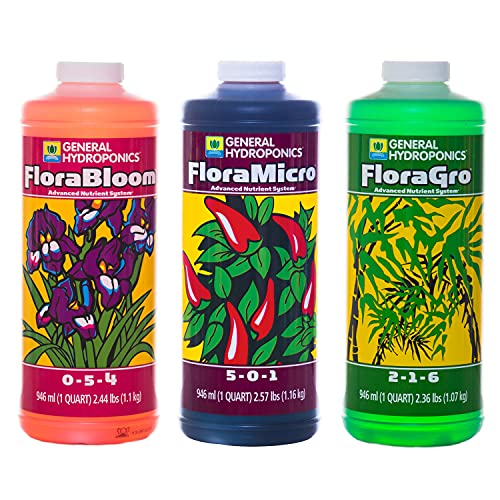
The Flora Series is a hydroponic-based nutrient system that helps fulfill your plants’ nutrient needs at every stage of growth
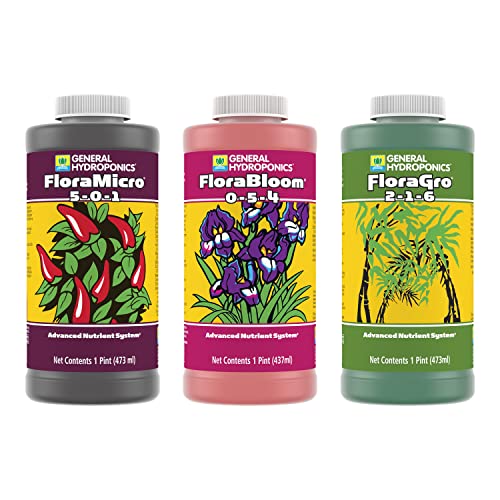
The FloraSeries is a hydroponic-based nutrient fertilizer system that helps fulfill your plants’ nutrient needs at every stage of growth
Choosing the Right Grape Variety
When embarking on your hydroponic grape-growing journey, it’s crucial to select a grape variety that thrives in a hydroponic system. Opt for seedless grape varieties like Thompson Seedless or Crimson Seedless, known for their adaptability to soil-less cultivation methods. These varieties are well-suited for indoor growth and can flourish in a water-based environment.
Setting Up Your Hydroponic System
To start growing grapes in water, you’ll need a well-designed hydroponic system. Consider utilizing a deep-water culture (DWC) system or a nutrient film technique (NFT) setup for optimal grape growth. Ensure your system provides adequate support for the grapevines as they mature and produce fruit. Maintain proper pH levels and oxygenation within the water to promote healthy root development and efficient nutrient absorption.
Necessary Nutrients and Solutions
In hydroponic grape cultivation, providing the right nutrients is essential for robust growth and bountiful harvests. Use a balanced hydroponic nutrient solution specifically formulated for fruit-bearing plants like grapes. Monitor the nutrient levels regularly to ensure that your grapevines receive all the essential elements they need to thrive in a soil-less environment. Adjust the nutrient solution according to the growth stage of your grapes, from vegetative growth to fruiting, to support their changing nutritional requirements.
Daily and Seasonal Care for Hydroponic Grapes
When growing grapes hydroponically, maintaining the right conditions is crucial for a successful harvest. Here’s how to care for your hydroponic grapevines on a daily and seasonal basis:
Recommended Products

6000K White Light - equipped with 10 Red + 74 White LEDs, this growing Lamp is similar to the full-spectrum sunlight at noon,that is professionally designed for indoor garden plants.Moreover, its color rendering index is as high as 95, the light is soft and flicker-free, which is very suitable for reading lamp

【Full Spectrum】Same as natural sunlight. It has been proven to promote photosynthesis and indoor plant growth, so you don't have to worry that houseplants can't grow healthily without sunlight.

Please note that we have a brand new upgrade.This product is compatible with Barrina GM Series Cords. If you need to connect new and old products, make sure to use the new male-female connector cables. The second generation is designed to be safer, preventing accidental electrical connections caused by human error
Light Requirements
Ensure your hydroponic grape plants receive adequate light exposure. Aim for at least 6-8 hours of sunlight daily or use grow lights if natural light is limited. Proper lighting promotes photosynthesis, essential for healthy growth and fruit production.
Temperature and Humidity Control
Maintain the ideal temperature between 70-85°F (21-29°C) during the day and slightly cooler at night. Consistent temperatures encourage vine development and fruit ripening. Additionally, keep humidity levels around 60-70% to prevent issues like powdery mildew while ensuring optimal growth conditions for your grapevines.
Common Challenges and Solutions
When growing grapes in water using hydroponics, you may encounter specific challenges that can impact the success of your cultivation. Here are some common issues you might face and practical solutions to overcome them:
Pest Management
- Identifying Pests: Keep an eye out for common pests such as aphids, spider mites, or whiteflies that can harm your grapevines.
- Preventive Measures: Introduce beneficial insects like ladybugs or implement physical barriers to deter pests from infesting your hydroponic grape plants.
- Natural Remedies: Use neem oil spray or insecticidal soap as organic solutions to combat pest infestations without harming the environment or your plants.
- Sanitation Practices: Maintain cleanliness in your hydroponic system by regularly cleaning equipment and removing any decaying plant matter to prevent disease spread.
- Air Circulation: Ensure proper air circulation around your grapevines to reduce humidity levels and minimize the risk of fungal diseases like powdery mildew.
- Sterilization Techniques: Sterilize tools and equipment before use to prevent introducing pathogens into your hydroponic setup, safeguarding the health of your grape plants.
By implementing these pest management strategies and disease prevention techniques, you can protect your hydroponic grape cultivation from potential threats and ensure healthy growth for robust vines and bountiful harvests.
Harvesting and Utilization of Hydroponically Grown Grapes
When to Harvest
To determine the ideal time for harvesting your hydroponically grown grapes, look for key indicators such as color change, sweetness level, and firmness of the fruit. Generally, grapes are ready for harvest when they reach their full color development and taste sweet with a slight crunch. Monitor your grapes closely to ensure you pick them at peak ripeness for the best flavor.
Post-Harvest Handling
After harvesting your hydroponic grapes, handle them carefully to maintain their quality. Remove any damaged or spoiled fruits to prevent mold growth and store the remaining grapes in a cool, dry place. Consider refrigerating them if you’re not consuming them immediately to prolong their freshness. Proper post-harvest handling ensures that you get to enjoy your homegrown hydroponic grapes at their finest quality.
Conclusion
Growing grapes in water through hydroponics offers numerous advantages, from faster growth rates to higher yields and a controlled environment. By selecting the right grape varieties and setting up a suitable hydroponic system with balanced nutrient solutions, you can enjoy homegrown grapes with optimal flavor and freshness. Overcoming challenges such as pest management and disease prevention ensures a successful harvest. Remember, proper handling during harvesting and post-harvest stages is crucial for maintaining the quality of your hydroponically grown grapes. With the right techniques, you can savor the rewards of your efforts by relishing delicious grapes straight from your own hydroponic setup.
Frequently Asked Questions
What are the benefits of hydroponic grape cultivation?
Hydroponic grape cultivation offers faster growth rates, higher yields, and a controlled environment using water instead of soil.
How do you select suitable grape varieties for hydroponic cultivation?
Choose grape varieties that thrive in your climate and have characteristics like disease resistance, compact growth habits, and high-quality fruit production.
What is needed to set up a hydroponic system for growing grapes?
For a hydroponic grape system, you’ll need containers/pots, a nutrient solution reservoir, growing medium (like perlite or rockwool), appropriate lighting, and pH/EC meters.
How can I provide balanced nutrient solutions for hydroponic grapes?
Maintain proper pH levels (around 5.5-6.5) and EC levels while providing essential nutrients like nitrogen, phosphorus, potassium, calcium, and magnesium.
What are some common challenges in hydroponic grape cultivation?
Common challenges include pest management through identification techniques, prevention methods using natural remedies or beneficial insects, along with sanitation practices to prevent diseases.
How should I harvest hydroponically grown grapes for optimal quality?
Harvest grapes when they reach ideal sugar content levels indicated by taste testing or refractometer readings to ensure peak ripeness and flavor.
What post-harvest handling practices should be followed for homegrown hydroponic grapes?
After harvesting, handle grapes gently to avoid damage or bruising. Store them in a cool place with proper ventilation to maintain freshness until consumption.
