

Have you ever dreamed of plucking juicy, flavorful black grapes straight from your backyard vine? Picture yourself savoring the sweetness of homegrown fruit, knowing you nurtured it from tiny seedlings. Imagine the satisfaction of cultivating your own vineyard oasis right at home.
In a world where store-bought fruits lack that personal touch, growing your own black grapes offers a rewarding experience. From selecting the perfect variety to mastering essential care techniques, this article will guide you through each step of the grape-growing journey. Get ready to witness your garden flourish with bountiful clusters of rich, dark grapes under your expert care.
Key Takeaways
- Understanding the different black grape varieties and their climate requirements is crucial for successful cultivation.
- Proper soil preparation, including testing composition and pH levels, as well as amending with organic matter, is essential for healthy vine growth.
- Plant black grape vines in late winter or early spring when dormant, ensuring proper site selection, digging holes, planting depth, spacing, and installing support structures.
- Consistent watering practices, along with pruning and training grapevines for optimal growth and fruit production, are key maintenance tips.
- Be aware of common challenges in growing black grapes such as pest management and disease prevention to protect the health and yield of your vines.
- Harvest ripe black grapes in late summer to early fall by gently twisting clusters from the vine or using pruning shears; explore various culinary uses like recipes and juicing for a flavorful experience.
Understanding Black Grape Varieties
When it comes to growing black grapes, understanding the different varieties available is essential. This knowledge will help you choose the right type for your climate and preferences, ensuring a successful grape-growing experience.
Choosing the Right Variety for Your Climate
Selecting the appropriate black grape variety that thrives in your specific climate is crucial for a fruitful harvest. Here are some key considerations to keep in mind:
- Cabernet Sauvignon: Ideal for warmer climates, this variety produces bold and full-bodied wines known for their deep color and rich flavor.
- Merlot: Suitable for various climates, Merlot grapes yield smooth, medium-bodied wines with notes of plum and berries.
- Syrah (Shiraz): Thriving in hot climates, Syrah grapes create robust wines with spicy notes and dark fruit flavors.
By understanding the climate requirements of each variety, you can ensure optimal growth conditions for your black grape vines.
Key Characteristics of Popular Black Grape Varieties
Each black grape variety has unique characteristics that influence its taste, appearance, and growing conditions. Here are some popular varieties to consider:
- Concord: Known for its sweet flavor profile, Concord grapes are commonly used in juices and jellies due to their distinctive taste.
- Muscat: These aromatic grapes are favored for making dessert wines like Muscatel due to their floral and fruity aroma.
- Pinot Noir: Considered one of the most challenging yet rewarding varieties to grow, Pinot Noir produces elegant wines with complex flavors.
Understanding these key characteristics will help you make an informed decision when selecting the right black grape variety for your home garden or vineyard.
By familiarizing yourself with different black grape varieties’ attributes and requirements, you’ll be well-equipped to cultivate a thriving vineyard that yields delicious fruits tailored to your preferences and climate conditions.
Preparing the Soil for Black Grapes
To ensure successful growth of your black grapes, it’s essential to focus on preparing the soil correctly. This step is crucial as it sets the foundation for healthy vine development and bountiful harvests.
Recommended Products
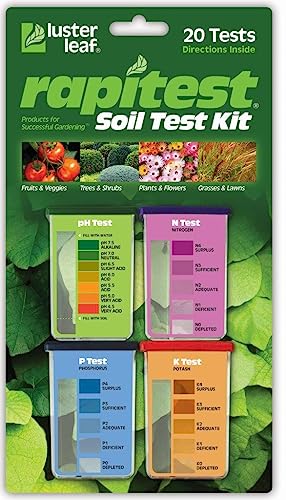
Quick, at home results for Soil pH, Nitrogen, Phosphorous and Potash Innovative and inexpensive soil test kit features an easy-to-use capsule system and patented color comparators

Kindly NOTE: This soil tester can not be applied to test pH value of any other liquid. If the soil is too dry the indicator will not move, and water it before testing.

Accurate Soil pH Testing: Dewildetradingco Soil pH Test Strips offer measurements of soil pH levels (pH 3.5-9). As an essential tool for every gardener and grower, these test strips help determine the optimal pH for various plants, such as outdoor plants, indoor plants, gardens, grass lawns, fruit trees, flowers, vegetables, and forest shrubs.
Testing Soil Composition and pH Level
Before planting your black grape vines, test the soil composition and pH level of your chosen site. You can easily do this with a soil testing kit available at gardening stores or by sending a sample to a local agricultural extension service.
Ensure that the soil is well-draining to prevent waterlogging, which can harm grapevines. Black grapes thrive in slightly acidic to neutral soils with a pH range between 6.0 and 7.0. Adjusting the pH level if needed will create an optimal environment for your vines to flourish.
Amending the Soil Before Planting
Once you have determined the soil composition and pH level, make any necessary amendments before planting your black grape vines. Organic matter such as compost or well-rotted manure can improve soil structure and fertility.
Incorporate amendments thoroughly into the top few inches of the soil to provide essential nutrients for root growth. Additionally, adding perlite or sand can enhance drainage in heavy soils, promoting healthy root development.
By testing and amending the soil appropriately before planting your black grapes, you set the stage for robust vine growth and abundant fruit production.
Planting Black Grapes
When it comes to planting black grapes, timing is crucial for a successful harvest. Here’s what you need to know about the best time to plant and the techniques involved.
Best Time to Plant
Plant your black grape vines in late winter or early spring when they are dormant. This period allows the plants to establish their root systems before the growing season begins. Avoid planting during extreme weather conditions like frost or excessive heat, as this can stress the newly planted vines.
- Site Selection: Choose a sunny location with well-drained soil for your black grapevines. Ensure that there is good air circulation to prevent diseases.
- Preparing the Soil: Test your soil’s pH levels and composition before planting. Black grapes thrive in slightly acidic soil with a pH between 5.5 and 7.0. Amend the soil with organic matter like compost to improve its structure and fertility.
- Digging Holes: Dig holes deep enough to accommodate the roots of your grapevines, typically around 8-10 inches deep.
- Planting Depth: When placing the vines in the holes, ensure that the graft union (the swollen area where the vine was grafted onto rootstock) sits just above ground level.
- Spacing: Space each vine at least 6-10 feet apart within rows, allowing ample room for growth and airflow between plants.
- Support Structures: Install support structures like trellises or arbors before planting your black grapes to provide them with stability as they grow.
Maintaining Black Grape Vines
To ensure your black grape vines thrive and yield delicious fruit, here are essential tips on maintaining them effectively:
Recommended Products

Material & Durability: Compatible for grape vine support, crafted from quality PP material for reusability, resistance to breakage, and easy distortion on vines without slipping when clipped to trellising twine.

REUSABLE GARDEN CLIPS: (Manual calculation, 1-3Pcs in allowable error) Plant vine clips are made of high-quality clear PP plastic material, Not easy to crack, toughness, simple structure. The hollow carving design provides air circulation and promotes plant growth. these plant support clips are designed to withstand various weather conditions and the test of time, ensuring they can support your plants season after season.

MEASUREMENTS -- The garden arch trellis is 63" H x 63" L, and the width at the base is adjustable from 20" to 35". 4" x 4" trellis netting grids for easy harvesting cucumber trellis for garden, vegetable, squash, peas, and tomato vines
Watering Requirements
When it comes to watering your black grape vines, consistency is key. Make sure to water the vines regularly, especially during dry spells or when the grapes are developing. Aim to keep the soil consistently moist but not waterlogged. A good practice is to water deeply but infrequently to encourage deep root growth.
Pruning and Training Grapevines
Proper pruning and training of grapevines are crucial for promoting healthy growth and maximizing fruit production. Here’s what you need to know:
- Pruning: Prune your grapevines during the dormant season, typically in late winter or early spring before new growth begins. Remove dead or diseased wood, as well as any overcrowded or weak branches. Focus on maintaining an open canopy structure to allow sunlight penetration and adequate air circulation.
- Training: Train your grapevines along a support system such as a trellis or arbor to help manage their growth and optimize fruit exposure to sunlight. As the vines grow, gently guide them along the support structure, ensuring they are adequately spaced apart for optimal development.
By following these tips on watering, pruning, and training your black grape vines, you’ll be well on your way to nurturing healthy plants that produce bountiful harvests of flavorful grapes.
Common Challenges in Growing Black Grapes
When growing black grapes at home, you may encounter some common challenges that can affect the health and yield of your grapevines. By being aware of these issues and taking proactive measures, you can ensure the successful growth of your black grape plants.
Pest Management
Pests can pose a significant threat to black grape plants, potentially damaging leaves, fruits, and overall vine health. Here are some common pests that you may encounter when growing black grapes:
- Grape Berry Moth: These pests lay eggs on grape clusters, leading to damaged berries.
- Japanese Beetles: They feed on foliage, causing skeletonization of leaves.
- Spider Mites: These tiny pests suck sap from leaves, resulting in yellowing and weakening of the plant.
To manage pest infestations effectively:
- Inspect your vines regularly for signs of pest damage.
- Use insecticidal soaps or neem oil as organic pest control methods.
- Introduce beneficial insects like ladybugs to help control pest populations.
Disease Prevention
Preventing diseases is crucial for maintaining the vigor and productivity of your black grape vines. Here are some common diseases that affect black grapes:
- Powdery Mildew: A fungal disease that appears as white powdery spots on leaves and fruit.
- Downy Mildew: Causes yellow spots on leaves with fuzzy growth underneath in humid conditions.
- Botrytis Bunch Rot: Leads to gray mold on berries in wet weather.
To prevent diseases in your black grape plants:
- Ensure proper air circulation by spacing vines adequately.
- Avoid overhead watering to reduce humidity around the plants.
- Apply fungicides preventatively during critical growth stages.
Harvesting and Using Black Grapes
Harvesting black grapes is a crucial step to enjoy the fruits of your labor. Here’s how you can do it:
When and How to Harvest
- Timing: Black grapes are typically ready for harvest in late summer to early fall, depending on the specific grape variety. You’ll know they’re ripe when they have a deep color, slightly soft texture, and easily come off the vine.
- Method: To harvest black grapes, gently twist each grape cluster from the vine or use pruning shears to cut them carefully. Be cautious not to damage the remaining vines during this process.
Uses of Black Grapes in Recipes and Juicing
Black grapes are versatile fruits that can be used in various culinary creations and beverages:
- Recipes: Incorporate fresh black grapes into salads, desserts like tarts or sorbets, or even as a topping for grilled meats for a sweet contrast.
- Juicing: Extract the juice from black grapes to make refreshing homemade grape juice or use it as a base for smoothies and cocktails.
By harvesting your black grapes at the right time and exploring different ways to incorporate them into recipes and drinks, you’ll fully enjoy the flavors of these delicious fruits.
Conclusion
Growing black grapes at home can be a rewarding and delightful experience. By following the tips provided in this guide, you’ll be equipped to nurture your grapevines from planting to harvesting. Remember to give your grapes the care they need through watering, pruning, and training techniques. Stay vigilant against pests like Grape Berry Moth and diseases such as Powdery Mildew by implementing regular inspections and preventive measures. Harvest your ripe grapes at the right time using proper methods to enjoy their delicious flavors in various recipes or as fresh juice. With dedication and attention to detail, you can savor the fruits of your labor with homegrown black grapes. Happy growing!
Frequently Asked Questions
What are the key factors to consider when selecting a grape variety for cultivation at home?
When selecting a grape variety for home cultivation, consider factors like climate suitability, disease resistance, and intended use (fresh eating or wine production).
How should black grapes be watered to ensure optimal growth?
Water black grapes deeply but infrequently, ensuring the soil is well-drained to prevent waterlogged roots.
What pruning techniques are recommended for maintaining black grape vines?
Prune black grape vines during dormancy by removing old wood and shaping the plant for optimal fruit production.
How can one effectively manage pests like Grape Berry Moth in a home grapevine setup?
Regularly inspect grapevines for signs of pests and employ organic pest control methods like neem oil or beneficial insects.
What preventive measures can be taken to avoid diseases like Powdery Mildew in black grapes?
Ensure proper air circulation around the plants and apply fungicides preventatively according to manufacturer’s instructions.
When is the right time to harvest ripe black grapes, and what is the best method for harvesting?
Harvest ripe black grapes when they are plump, flavorful, and slightly soft. Gently twist each cluster from the vine while supporting it with your hand.
What are some creative ways to use harvested black grapes in recipes at home?
Use harvested black grapes in salads, desserts like tarts or sorbets, or juice them for homemade grape juice or cocktails.
