

Ever wondered if your grapevines will bear fruit again next year? Picture this: you’ve nurtured your grapevine, enjoyed a bountiful harvest, but now you’re left wondering – do grapes grow back every year? Understanding the lifecycle of grapevines can shed light on what to expect in the upcoming seasons.
In this article, we’ll explore the fascinating world of grape cultivation and demystify the process of how grapes regenerate annually. By grasping this natural cycle, you’ll not only appreciate the resilience of these vines but also learn valuable insights on how to care for them throughout the year. Get ready to uncover the secrets behind grapevine growth and discover what it takes to ensure a fruitful harvest each season.
Key Takeaways
- Grapevines are perennial plants that go through annual growth cycles, starting from dormancy in winter to harvest in autumn.
- Factors such as climate, soil quality, pruning practices, and disease management significantly influence grapevine growth and productivity.
- Proper vineyard management practices like timely pruning, monitoring for pests and diseases, irrigation management, and soil health maintenance are crucial for successful annual grape production.
- Understanding the annual growth patterns of grapes—from dormancy in winter to flowering in spring and fruit set in summer—is essential for nurturing thriving grapevines.
- Cultivation tips such as adopting proper pruning techniques tailored to specific vineyard needs and considering soil quality and climatic factors can help maximize grape yield consistency year after year.
Understanding Grapevine Life Cycle
Grapevine growth is influenced by several factors that collectively determine the plant’s development and productivity. Understanding these elements can help you care for your grapevines effectively and ensure a bountiful harvest each year.
Factors Influencing Grapevine Growth
- Climate: The climatic conditions of your region play a crucial role in grapevine growth. Grapes thrive in temperate climates with adequate sunlight and warmth.
- Soil Quality: The type of soil in which grapevines are planted affects their growth significantly. Well-draining, nutrient-rich soil is ideal for healthy vine development.
- Pruning Practices: Proper pruning techniques help maintain the balance between vegetative and reproductive growth, promoting fruit production.
- Disease Management: Regular monitoring for diseases like powdery mildew and botrytis can prevent damage to the vines and ensure steady growth.
- Bud Break: In spring, dormant buds on the vine start to swell and eventually burst open, marking the beginning of a new growing season.
- Flowering: Typically occurring in late spring or early summer, flowers bloom on the vines, leading to pollination and fruit set.
- Fruit Set & Development: After successful pollination, grapes begin to form and grow in size throughout the summer months.
- Veraison: This stage signals the onset of ripening when grapes change color as they accumulate sugars and develop complex flavors.
- Harvest: The final stage involves picking ripe grapes from the vine, ready to be used for winemaking or consumption.
By recognizing these key stages and understanding the factors influencing grapevine growth, you can nurture your vines effectively throughout their lifecycle, ensuring a continuous supply of delicious grapes year after year.
Annual Growth Patterns of Grapes
Grapes, like many perennial plants, exhibit distinct annual growth patterns crucial for their cultivation. Understanding these patterns is essential for successfully nurturing grapevines throughout the seasons.
Recommended Products

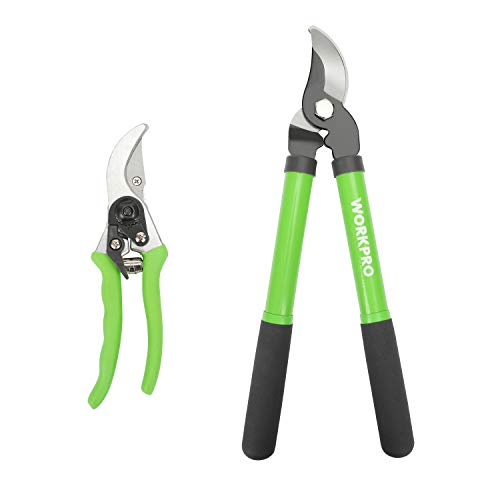
Ideal for pruning flowers and other garden plants

[ Garden Grafting Pruning Pruner] 215mm Garden Grafting Pruning Pruner is made of #65 stainless steel shear blades, SK5 double-edged cutting blades, high-strength ABS plastic handle.
How Grapevines Become Dormant
During the fall season, as temperatures drop and daylight decreases, grapevines enter a period of dormancy. This natural process allows the vines to conserve energy and prepare for the upcoming winter months. As a vineyard caretaker, you’ll notice the leaves turning vibrant shades of red, orange, and yellow before eventually falling off. It’s important to ensure that the vines are adequately pruned during this time to promote healthy regrowth in the following spring.
Spring and Summer Grape Development
As winter fades away and temperatures begin to rise, grapevines awaken from dormancy with new buds forming on their canes. The arrival of spring signals the start of an active growing season for grapes. During this time, you’ll witness tiny clusters of flowers blooming on the vines—a pivotal stage known as flowering. These delicate flowers will eventually transform into small green berries through pollination and fertilization.
Throughout the summer months, these green berries undergo rapid growth and development until they reach maturity. This phase—known as fruit set—is critical for determining the quality and quantity of grapes that will be harvested later in the year. Adequate sunlight exposure, proper irrigation, and nutrient-rich soil are essential factors in ensuring optimal grape development during this crucial stage.
By closely monitoring these annual growth patterns—from dormancy in winter to flowering in spring and fruit set in summer—you can cultivate thriving grapevines capable of producing bountiful harvests year after year.
Perennial Growth: Do Grapes Grow Back Every Year?
Grapevine Regeneration Explained
Understanding the grapevine’s regeneration process is key to comprehending whether grapes grow back every year. Grapevines are perennial plants, meaning they can live for many years and produce fruit seasonally. Each year, grapevines go through a cycle of growth stages, starting from dormancy in winter to bud break in spring, flowering in summer, and finally harvest in autumn. This cyclical pattern allows grapevines to regrow and bear fruit annually without replanting.
Challenges in Annual Grape Production
While grapes have the potential to grow back every year due to their perennial nature, several challenges can affect their annual production. Factors such as extreme weather conditions, pests, diseases, inadequate pruning techniques, or poor soil quality can hinder grapevine growth and reduce yield. To ensure successful annual grape production, it’s essential to address these challenges by implementing proper vineyard management practices, including regular monitoring for pests and diseases, timely pruning, irrigation management based on weather conditions, and maintaining soil health through fertilization. By overcoming these challenges effectively, you can support the continuous growth and productivity of grapevines each year.
Recommended Products

CLEAN CUTS FOR LIVE GROWTH: Bypass blade design is ideal for pruning delicate flower stems and green growth, helping reduce crushing and plant damage while cutting stems and small branches up to 5/8” in diameter

What Makes VT-C800 Unique? Jam-Proof Sealed Spring | Ever-Sharp Dual-Coated SK5 Blades | Easy Thumb Lock | Backed by Lifetime Support

Reduce Hand Strain: These micro tip snips are made to reduces hand fatigue which makes them great for those with arthritis, carpal tunnel, hand or wrist issues; Comfortable “grip” handles will make it easy to work for long-time use without making you feel hand pain
Cultivation Tips for Consistent Grape Yield
When it comes to ensuring a consistent grape yield year after year, paying attention to specific cultivation practices is crucial. Here are some essential tips that can help you maximize the productivity of your grapevines:
Recommended Products

Complete Garden Support Set: this garden trellis package includes two sturdy trellis frames and a pair of protective gloves; The frames are designed to support the vertical growth of various climbing plants, while the gloves offer comfortable hand protection during the setup process in your outdoor space; This combination provides a considered solution for cultivating your raspberry trellis or tomato trellis, helping to establish an organized and productive garden area
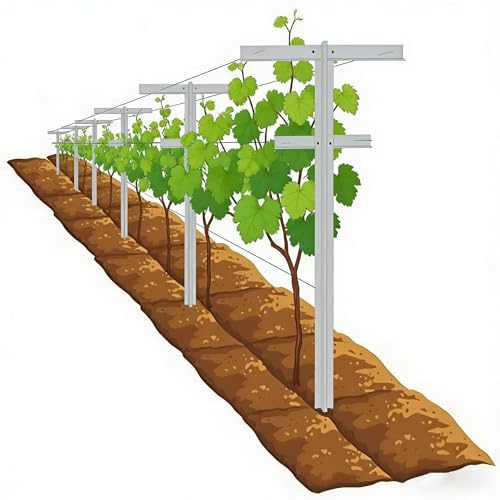
Fiberglass Material Raspberry Cross Stake System with 2 Adjustable Cross-bars

Plant-Friendly Coating & Weather-Ready Durability: Our metal raspberry trellis for climbing plants outdoor features a protective plastic coating. The robust metal core is UV-resistant, rust-proof, and weatherproof, ensuring these tall trellises for raspberries withstand seasons of outdoor use without corrosion
Pruning Techniques
Pruning plays a vital role in maintaining the health and vigor of grapevines, ultimately impacting the quantity and quality of the grape harvest. Proper pruning techniques involve removing old or excess growth to allow for better air circulation and sunlight exposure within the vine canopy. This practice not only helps in controlling vine size but also promotes fruit development by directing energy towards productive shoots.
To optimize your pruning efforts, consider these practical tips:
- Timing: Prune your grapevines during their dormant season, typically in late winter or early spring before new growth begins.
- Selective Pruning: Focus on removing weak, damaged, or overcrowded branches while retaining healthy canes that bear fruit.
- Training Systems: Choose an appropriate training system based on your grape variety and growing conditions to support vine structure and facilitate maintenance.
By adopting proper pruning techniques tailored to your specific vineyard needs, you can encourage consistent growth patterns and enhance fruit production over successive seasons.
Soil and Climate Considerations
The soil composition and climatic conditions in which grapevines are cultivated significantly influence their growth and yield potential. Understanding these factors is essential for creating an optimal environment that supports healthy vine development and abundant harvests.
Consider the following aspects when assessing soil and climate considerations for grape cultivation:
- Soil pH Levels: Ensure that the soil pH falls within the ideal range (typically between 6.0 to 6.5) to promote nutrient uptake by the vines.
- Drainage: Opt for well-draining soils to prevent waterlogging, which can lead to root rot and other issues detrimental to plant health.
- Sunlight Exposure: Position your vineyard in a location that receives adequate sunlight throughout the day to support photosynthesis and fruit ripening.
- Temperature Variations: Select grape varieties suited to your specific climate zone, taking into account temperature fluctuations during different seasons.
By addressing soil quality and climatic factors through appropriate amendments and site selection, you can create favorable conditions for sustained grapevine growth with consistent yields year after year.
Conclusion
You’ve now gained valuable insights into the annual cycle of grape cultivation. Understanding the factors influencing grapevine growth, from climate to pruning techniques, is key to nurturing healthy vines. By learning about the challenges in grape production and adopting tailored cultivation tips, you can enhance fruit yield over successive seasons. Remember, proper care and attention are essential for maintaining productive vineyards year after year. Keep applying these practices to ensure consistent growth patterns and maximize your grape harvests. Happy growing!
Frequently Asked Questions
What factors influence grapevine growth?
Grapevine growth is influenced by climate, soil quality, pruning practices, and disease management.
What are the key stages of the grapevine life cycle?
The key stages of the grapevine life cycle include dormancy, bud break, flowering, fruit set, veraison, ripening, and harvest.
What challenges are faced in annual grape production?
Challenges in annual grape production include extreme weather conditions, pests infestation, diseases affecting vines, and implementing effective pruning techniques.
How can growers ensure consistent grape yield?
Growers can ensure consistent grape yield by adopting proper cultivation practices tailored to specific vineyard needs. This includes using appropriate pruning techniques and considering soil and climate conditions for optimal productivity.
