

Have you ever wondered how to properly prune your blackberry bushes for a bountiful harvest? Picture this: it’s the peak of summer, and your blackberry plants are overflowing with ripe, juicy berries. But wait – navigating through tangled vines and thorns makes harvesting a daunting task.
Key Takeaways
- Pruning blackberry bushes is essential for plant health, increased fruit production, and easier harvesting by allowing new growth to flourish.
- The best time to prune blackberries is in late winter or early spring while the plants are dormant to shape the bushes without risking damage to developing fruit.
- Understanding the differences between erect and trailing blackberry plants helps tailor pruning techniques for healthier plants and a plentiful harvest.
- Tools needed for pruning include sharp pruning shears, loppers for thicker canes, and gloves to protect hands from thorns.
- Steps for effective pruning include identifying dead canes, removing them at ground level, trimming non-fruiting canes, cutting side shoots, and providing trellis support if needed.
- Maintaining healthy blackberry plants involves balanced fertilization with nitrogen, phosphorus, and potassium; deep but infrequent watering; disease prevention through good air circulation; and pest management using organic solutions.
Understanding Blackberry Pruning
Pruning your blackberry bushes is essential for a fruitful harvest. Let’s delve into why you should prune blackberries and the best time to do so.
Why Prune Blackberries?
Pruning blackberries helps maintain plant health, increase fruit production, and ease harvesting. By removing old canes, you allow new growth to flourish, resulting in larger and better-quality berries. Pruning also helps manage disease and pest issues by enhancing air circulation among the plants.
Best Time to Prune Blackberries
The ideal time to prune blackberries is in late winter or early spring while the plants are still dormant. This period allows you to shape the bushes before new growth begins without risking damage to developing fruit. Remember that pruning too late can reduce next season’s yield, so aim to complete this task before the onset of new growth in spring.
Types of Blackberry Plants
When it comes to blackberry plants, there are two main types you should be familiar with: erect blackberries and trailing blackberries. Each type has its own characteristics and pruning requirements to ensure a bountiful harvest.
Recommended Products

GARDENING ESSENTIAL: With these stainless steel blade gardening shears, pruning tasks like cutting flower stems or maintaining your herb garden are easier with fast and clean cuts
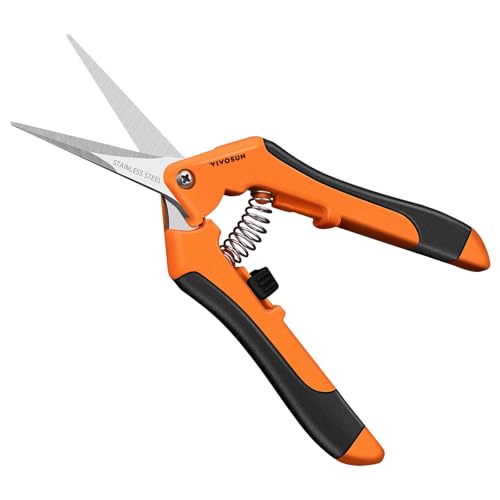
Reduce Hand Strain: These micro tip snips are made to reduces hand fatigue which makes them great for those with arthritis, carpal tunnel, hand or wrist issues; Comfortable “grip” handles will make it easy to work for long-time use without making you feel hand pain
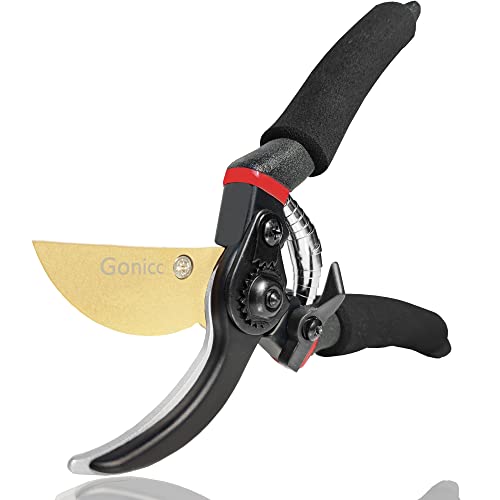
Drop-forged construction delivers exceptional durability and sturdiness for long-term heavy garden use.
Erect Blackberries
Erect blackberries, as the name suggests, grow more upright and require less support compared to their trailing counterparts. These plants have sturdy canes that stand tall on their own, making them ideal for smaller garden spaces or containers.
To prune erect blackberries effectively:
- Annual Pruning: Trim the canes that have already fruited down to the ground after harvesting in late summer or early fall.
- New Growth Maintenance: During late winter or early spring while the plant is dormant, remove any damaged or weak canes as well as thin out excessive growth to improve air circulation.
- Training Canes: Tie up new canes to a trellis or support system as they grow throughout the season to keep them organized and prevent tangling.
Trailing Blackberries
Trailing blackberries have long, arching canes that need support for optimal growth. These plants tend to spread out more horizontally and are commonly found in larger garden areas where they have space to sprawl.
For proper pruning of trailing blackberries:
- Prune After Harvest: Similar to erect varieties, trim back fruited canes post-harvest but ensure not to cut into next year’s potential fruit-bearing wood.
- Winter Maintenance: In late winter before new growth begins, selectively prune by removing old canes while retaining the strongest ones for future fruit production.
- Trellising Support: Use a trellis system or wires along your planting row to train and support the long canes of trailing varieties for better stability.
Understanding the differences between erect and trailing blackberry plants will help you tailor your pruning techniques accordingly, leading to healthier plants and a plentiful berry harvest each season.
Steps to Prune Blackberries
Pruning your blackberry bushes is essential for a successful harvest. Follow these steps to ensure your plants stay healthy and productive.
Recommended Products

IDEAL BRANCH TRIMMER: 28" Steel blade garden bypass lopper that glides through up to 1.5" thick branches for easy cuts; Works well for trimming tree branches to maintain your yard and garden, and to encourage overall plant health and appearance

LONG-LASTING SHARPNESS: Japanese SK5 bypass blade with titanium coating is tested through 5,000 cuts to maintain a sharp edge and deliver clean, consistent cuts on live stems and branches

IDEAL BRANCH TRIMMER: Fiskars 28-Inch Power-Lever Bypass Garden Lopper glides through branches up to 1.75" thick for easy cuts; Works well for trimming tree branches to maintain your yard and garden and encourage overall plant health and appearance
Tools Needed for Pruning
To properly prune your blackberries, you’ll need the following tools:
- Sharp pruning shears
- Loppers for thicker canes
- Gloves to protect your hands from thorns
Step-by-Step Pruning Guide
Here is a simple guide to help you prune your blackberry bushes effectively:
- Identify Dead Canes: Start by identifying any dead or damaged canes on the plant.
- Remove Dead Canes: Using sharp pruning shears, carefully remove the dead canes at ground level.
- Prune Non-Fruiting Canes: Look for canes that did not produce fruit in the previous season and trim them back.
- Trim Side Shoots: Trim any side shoots growing off the main canes to encourage new growth.
- Trellis Support: If you have trailing blackberries, make sure to tie the canes to a trellis for support.
By following these steps and using the right tools, you’ll help your blackberry bushes thrive and yield a bountiful harvest of delicious berries each season.
Tips for Maintaining Healthy Blackberry Plants
To ensure your blackberry plants stay healthy and productive, here are some essential tips to keep in mind:
Recommended Products

MULTI-PURPOSE BUG KILLER - Bonide Neem Oil is a perfect pest control solution for any garden dealing with mites, flies, mildew, and more. This product is a three-in-one fungicide, miticide, and insecticide.

FUNGAL DISEASE CONTROL: Prevents and controls black spot on roses, powdery mildew, rust, downy mildew, and other listed fungal diseases when applied on a 7–14 day schedule

PLANT DISEASE CONTROL: Natria Neem Oil acts as an insecticide and fungicide in one convenient spray; Ready-to-use trigger sprayer requires no mixing
Fertilization and Watering
When it comes to fertilizing your blackberry plants, opt for a balanced fertilizer with equal parts nitrogen, phosphorus, and potassium. Apply the fertilizer in early spring before new growth starts. Watering is crucial, especially during dry spells or when the fruit is developing. Make sure to water deeply but infrequently to encourage deep root growth.
Disease and Pest Management
Regularly inspect your blackberry plants for any signs of disease or pests. Common diseases that affect blackberries include anthracnose and powdery mildew. To prevent these issues, ensure good air circulation around the plants by proper spacing and pruning. For pest management, consider using organic solutions like neem oil or introducing beneficial insects like ladybugs to control aphids.
By following these tips on fertilization, watering, disease prevention, and pest management, you can help your blackberry plants thrive and produce an abundance of delicious berries for you to enjoy.
Conclusion
Pruning your blackberry bushes is crucial for a successful harvest and healthy plant growth. By following the specific techniques outlined in this article, you can ensure your plants remain productive and free from disease and pest issues. Remember to identify dead canes, remove non-fruiting canes, trim side shoots, and provide necessary support for trailing varieties. Additionally, maintaining plant health through proper fertilization, watering practices, and regular inspections is key to maximizing fruit production. With these guidelines in mind, you’ll be on your way to enjoying a plentiful supply of delicious blackberries from your garden each season. Happy pruning!
Frequently Asked Questions
How often should I prune my blackberry bushes?
Prune your blackberry bushes once a year during the dormant season, typically in late winter or early spring.
What are some key benefits of pruning blackberry bushes?
Pruning helps maintain plant health, increase fruit production, improve air circulation, and manage disease and pest issues effectively.
How can I identify dead canes on my blackberry plants?
Dead canes are usually dry, brown, brittle, and lack flexibility. They may not produce new growth or leaves during the growing season.
When should I remove non-fruiting canes from my blackberry bushes?
Remove non-fruiting canes that have already produced berries in the previous season to make room for new growth and fruit-bearing canes.
Do trailing and erect blackberry plants require different pruning techniques?
Yes, trailing blackberries need support systems like trellises for optimal growth, while erect varieties benefit from selective cane removal to encourage new shoots.
What is the significance of trimming side shoots on blackberry bushes?
Trimming side shoots promotes better airflow within the plant canopy, reduces overcrowding, and allows sunlight to reach all parts of the bush evenly.
How do I provide trellis support for trailing blackberries?
Install a sturdy trellis system before planting trailing blackberries. Secure main stems to the trellis as they grow using soft ties or twine for support.
