

Imagine stepping into your backyard on a sunny morning, craving the sweet juiciness of freshly picked blackberries. But wait, you realize you don’t have any growing in your garden. How can you change that? Planting blackberries in the ground is easier than you might think and can be a rewarding experience for any gardening enthusiast.
Have you ever wondered how to cultivate your own delicious blackberries right at home? In this article, we’ll guide you through the simple steps of planting blackberries in your garden, from selecting the right spot to caring for your plants as they grow. By following these straightforward instructions, you’ll soon be enjoying an abundant harvest of plump, flavorful blackberries in no time.
Key Takeaways
- Choosing the right time and location is crucial for successful blackberry growth, with early spring post-last frost being ideal.
- Select a sunny spot with well-drained, organic-rich soil for optimal blackberry plant development.
- Test soil quality before planting and enhance it with suitable amendments like compost to create an ideal growing environment.
- Plant blackberry bushes at the correct depth, spacing them adequately for good air circulation to prevent diseases and promote fruit development.
- Proper aftercare, including watering, mulching, pruning, and supporting plants, is essential for healthy growth and bountiful harvests.
- Be vigilant against common pests like Japanese Beetles and diseases like Powdery Mildew by implementing proactive measures to protect your blackberry bushes.
Choosing the Right Time and Location
When planting blackberries, selecting the optimal time and location is crucial for their growth and fruit production. Here’s how to make the best choices:
Considering Climate and Season
In choosing when to plant your blackberries, consider your local climate and the season. Blackberries thrive in temperate climates with well-defined seasons. It’s best to plant them in early spring after the last frost has passed. Ensure they have enough time to establish themselves before winter sets in.
Selecting the Best Spot for Blackberries
To select a suitable spot for your blackberry plants, look for an area with full sun exposure. Blackberries need at least 6-8 hours of sunlight daily to produce abundant fruit. Additionally, ensure the soil is well-drained and rich in organic matter. Avoid low-lying areas that may retain water as this can lead to root rot.
By considering these factors when choosing the right time and location for planting your blackberries, you set them up for success in your garden.
Preparing the Soil
When planting blackberries, ensuring the soil is well-prepared is crucial for their growth and fruit production. Here’s how you can get your soil ready:
Recommended Products

Quick, at home results for Soil pH, Nitrogen, Phosphorous and Potash Innovative and inexpensive soil test kit features an easy-to-use capsule system and patented color comparators

Kindly NOTE: This soil tester can not be applied to test pH value of any other liquid. If the soil is too dry the indicator will not move, and water it before testing.

Accurate Soil pH Testing: Dewildetradingco Soil pH Test Strips offer measurements of soil pH levels (pH 3.5-9). As an essential tool for every gardener and grower, these test strips help determine the optimal pH for various plants, such as outdoor plants, indoor plants, gardens, grass lawns, fruit trees, flowers, vegetables, and forest shrubs.
Testing Soil Quality
Before planting blackberries, it’s essential to test your soil to understand its composition better. You can use a simple soil test kit available at garden centers or seek assistance from local agricultural extension services. By testing the pH levels and nutrient content of your soil, you’ll know if any adjustments are needed to create an ideal growing environment for blackberries.
Enhancing Soil with Amendments
Once you have identified the deficiencies in your soil through testing, you can enhance it by adding suitable amendments. Common amendments include compost, aged manure, and organic matter like peat moss. These amendments help improve drainage, provide essential nutrients, and promote healthy root development for your blackberry plants. Incorporate these amendments into the soil before planting to give your blackberries the best possible start in their new home.
Planting Blackberry Bushes
When planting blackberry bushes, follow these steps to ensure optimal growth and fruit production.
Recommended Products
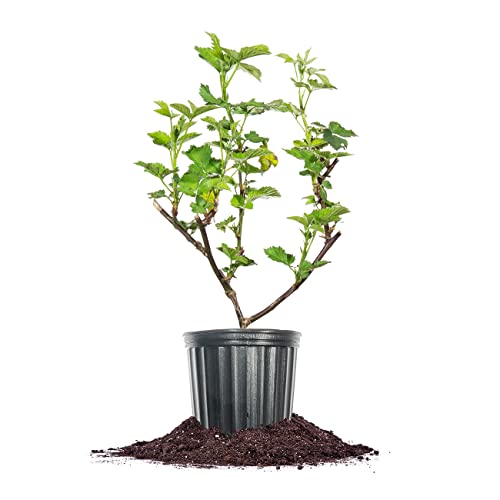
PRODUCE A BUSHEL OF BLACKBERRIES — Produce Large Fresh Berry in the First Year of Planting

PRODUCE A BUSHEL OF BLACKBERRIES — Produce Big Fresh Berry in the First Year of Planting (One of the Largest Blackberry size Varieties)

Sweet & Nutritious Berries:The berries have a sweet taste, rich in various vitamins, minerals such as calcium, iron and zinc, as well as amino acids and essential dietary fiber. They are suitable for fresh eating or making jams and desserts, meeting the needs of a healthy diet.
Digging the Right Depth
Dig a hole that is wide enough to accommodate the roots of the blackberry bush without crowding them. The depth should be such that the plant sits at the same level it was in its nursery container. Placing it too deep or too shallow can affect its growth.
Ensure proper drainage by loosening the soil at the bottom of the hole. This helps prevent waterlogging, which can harm the roots. Good drainage is crucial for healthy blackberry plants.
Spacing and Arrangement Techniques
Space your blackberry bushes appropriately to allow for good air circulation between plants. This helps prevent diseases and promotes better fruit development. A recommended spacing of 3-6 feet between each plant works well for most varieties.
Consider arranging your blackberry bushes in rows if you have multiple plants. This makes maintenance tasks like pruning, weeding, and harvesting more manageable. Rows also provide easier access to each plant for care activities.
By digging to the correct depth and spacing your plants effectively, you set a solid foundation for healthy blackberry bushes that will yield delicious fruits in your garden.
Aftercare for Blackberry Plants
Once you’ve planted your blackberry bushes, taking care of them properly is crucial for their growth and fruit production. Here’s what you need to do:
Recommended Products

OUTDOOR POTTING SOIL: Miracle-Gro Organic Outdoor Potting Mix contains a quick-release natural plant fertilizer and also feeds plants for up to 2 months

Includes 10lb block of Back to the Roots compressed Coconut Husk Mulch that expands to over 2 cubic feet of mulch. Use it for gardens, raised beds, pet bedding and more

100% Organic & Peat-Free: Our organix mulch mix is 100% organic & peat-free. Peat is one of Mother Nature’s most important stores of carbon. Instead of imported peat, the base of our soils is made from upcycled plant matter or wood fines from the United States!
Watering and Mulching
Watering: Keep the soil consistently moist but not waterlogged. During dry spells, give each plant about 1-2 inches of water per week.
Mulching: Apply a 2-4 inch layer of mulch around the base of the plants to help retain moisture, suppress weeds, and regulate soil temperature.
Pruning and Supporting
Pruning: Trim back the canes that have fruited to ground level after harvesting. Prune any damaged or dead canes in late winter or early spring before new growth emerges.
Supporting: Install a trellis system to support the canes as they grow. This helps keep the plants upright, improves air circulation, and makes harvesting easier.
By following these aftercare tips diligently, you’ll ensure your blackberry plants thrive and reward you with bountiful harvests year after year.
Dealing with Pests and Diseases
When it comes to planting blackberries in the ground, being aware of common pests and diseases is crucial for maintaining healthy bushes. Here’s how to address these challenges effectively:
Common Blackberry Pests
- Japanese Beetles: These beetles can skeletonize leaves and cause significant damage. You can handpick them off plants or use traps to control their population.
- Spider Mites: These tiny pests suck sap from leaves, leading to yellowing and stippling. Regularly spraying plants with water can help deter spider mites.
- Aphids: Aphids feed on plant sap, causing distorted growth and transmitting viruses. Introducing natural predators like ladybugs or using insecticidal soap can keep aphids at bay.
- Raspberry Fruitworm: The larvae of this pest feed on developing fruit, causing it to become misshapen or damaged. Applying insecticides at the right time can prevent infestations.
- Powdery Mildew: This fungal disease appears as a white powdery substance on leaves, affecting plant health. To prevent powdery mildew, ensure proper air circulation around plants and avoid overhead watering.
- Anthracnose: Anthracnose causes dark lesions on stems and fruits, impacting yield quality. Prune infected parts promptly and dispose of them properly to prevent the spread of the disease.
- Gray Mold (Botrytis): Gray mold thrives in cool, humid conditions, leading to fuzzy gray growth on berries. Remove affected fruit immediately and improve airflow around plants to reduce humidity levels.
By staying vigilant for signs of pests and diseases while implementing proactive measures, you can safeguard your blackberry bushes’ health and ensure a thriving harvest season each year.
Conclusion
You’ve now equipped yourself with the knowledge and tools to plant and nurture healthy blackberry bushes in your garden. By following the steps outlined in this guide, you can set a strong foundation for your plants’ growth and well-being. Remember to stay proactive in addressing potential pests and diseases that may threaten your blackberries’ health. With proper care and attention, you’ll soon be enjoying bountiful harvests of delicious blackberries from your own backyard. Happy gardening!
Frequently Asked Questions
How do I prepare the soil for planting blackberry bushes?
To prepare the soil for planting blackberry bushes, ensure it is well-drained and rich in organic matter. Incorporate compost or aged manure into the soil before planting to improve fertility and drainage.
What are common pests that affect blackberry bushes?
Common pests that affect blackberry bushes include Japanese Beetles, Spider Mites, Aphids, Raspberry Fruitworm.
How can I protect my blackberry bushes from diseases like Powdery Mildew?
Protect your blackberry bushes from diseases like Powdery Mildew by ensuring proper air circulation around the plants and applying fungicides if necessary.
What is Anthracnose and how can I prevent it in my blackberry bushes?
Anthracnose is a fungal disease that affects blackberry bushes. Prevent it by pruning infected parts promptly and ensuring good plant hygiene practices.
How do I address Gray Mold affecting my blackberry plants?
Address Gray Mold affecting your blackberry plants by removing infected plant parts immediately and promoting good air circulation around the bushes.
