

Are you eager to savor the sweetness of home-grown raspberries in North Carolina? Picture this: the sun-kissed berries glistening in your garden, ready to be plucked and enjoyed. Curious about when is the perfect time to plant these delectable fruits in NC?
Key Takeaways
- Understand the climate conditions in North Carolina for successful raspberry cultivation.
- Consider regional variations within North Carolina when planting raspberries.
- Choose between fall and spring planting based on advantages and considerations for each season.
- Select raspberry varieties like Caroline, Heritage, Anne, or Joan J Thornless that thrive in North Carolina’s weather.
- Ensure proper soil preparation, spacing, watering, mulching, and fertilizing techniques for healthy raspberry growth in NC.
Understanding the Climate Conditions in North Carolina
When it comes to growing raspberries in North Carolina, understanding the climate conditions is crucial for a successful harvest. Here’s what you need to know:
Impact of Weather on Raspberry Cultivation
In North Carolina, the weather plays a significant role in raspberry cultivation. The state experiences a humid subtropical climate with hot summers and mild winters. Raspberries thrive in moderate temperatures between 60°F and 75°F (15°C-24°C). Excessive heat can stress the plants, affecting fruit production.
Tip: Monitor the weather patterns in your specific region of North Carolina to ensure optimal growing conditions for your raspberry plants.
Regional Variations Within North Carolina
North Carolina exhibits diverse microclimates due to variations in elevation and proximity to bodies of water. Coastal areas have milder winters compared to mountainous regions that experience colder temperatures. When planting raspberries, consider your location within North Carolina to adapt cultivation practices accordingly.
Example: If you reside in the Piedmont region, where temperatures can fluctuate, choose raspberry varieties that are resilient to temperature changes.
Understanding these regional nuances will help you determine the best time and methods for planting raspberries in your specific area of North Carolina.
Choosing the Right Time to Plant Raspberries
When considering when to plant raspberries in North Carolina, you have two main options: fall planting and spring planting. Each season has its advantages and considerations that can impact the success of your raspberry cultivation.
Recommended Products
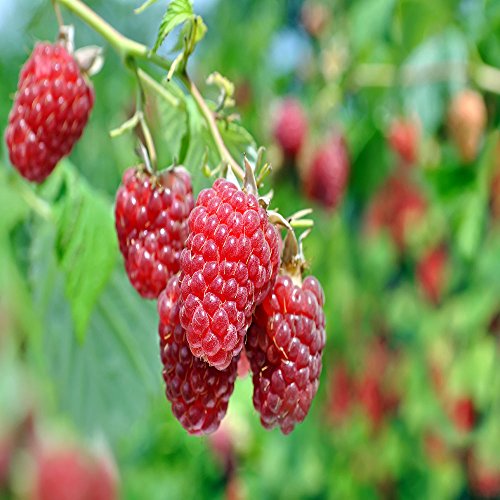
You will receive healthy bare root plants. We always send extra plants. We want to make sure you are completely satisfied.

Bulk Pack: 600+ Non-GMO Mixed Raspberry Seeds.

Berries have multiple uses; ideal for fresh eating, making jams, baking fillings, or dessert garnishes, providing homegrown ingredients for your family table.
Fall Planting: Advantages and Considerations
In North Carolina, fall planting of raspberries offers several benefits. Planting during this season allows the roots of the raspberry plants to establish themselves before winter sets in. This early establishment helps the plants better withstand the cold temperatures of winter, leading to stronger growth in the following spring.
Considerations for fall planting include ensuring that you plant early enough in the season to give the roots ample time to develop before winter dormancy. It’s essential to choose a variety of raspberries that are suitable for fall planting and can thrive in North Carolina’s climate.
Spring Planting: Benefits and Challenges
Spring planting also has its own set of advantages for growing raspberries in North Carolina. Planting in spring gives raspberry plants a fresh start with longer days and increasing temperatures, promoting vigorous growth during the growing season.
However, challenges with spring planting may arise due to potential late frosts or unexpected temperature fluctuations common in North Carolina. It’s crucial to monitor weather forecasts closely when planning your spring raspberry planting to avoid any detrimental effects on young plants from sudden cold snaps.
Whether you opt for fall or spring planting, understanding these seasonal nuances can help you make an informed decision on when to plant raspberries for a successful harvest in your North Carolina garden.
Selecting Raspberry Varieties for North Carolina
When choosing raspberry varieties for North Carolina, it’s important to consider ones that thrive in the state’s specific weather conditions. Here are some tips to help you select the best varieties:
Recommended Products
You will receive healthy bare root plants. We always send extra plants. We want to make sure you are completely satisfied.
You will receive healthy bare root plants. We always send extra plants. We want to make sure you are completely satisfied.

Best Varieties for North Carolina’s Weather
- Caroline: Known for its high yield and large, flavorful berries, Caroline is a popular choice in North Carolina. It can withstand heat and humidity, making it well-suited for the state’s climate.
- Heritage: Heritage raspberries are known for their deliciously sweet flavor and ability to produce fruit in both spring and fall. These plants are hardy and can adapt well to various growing conditions.
- Anne: Anne raspberries are excellent choices for North Carolina due to their resistance to diseases like root rot. They produce juicy, golden berries that add a unique touch to your garden.
- Joan J Thornless: If you prefer thornless varieties, Joan J Thornless is a great option. These raspberries are easy to harvest and maintain, perfect for those looking for a hassle-free growing experience.
- When buying raspberry plants, look for healthy specimens with green leaves and sturdy stems.
- Choose certified disease-free plants from reputable nurseries or suppliers.
- Consider purchasing dormant bare-root plants in late winter or early spring for optimal planting conditions.
- Check the roots of potted plants to ensure they are not root-bound before transplanting them into your garden soil.
Planting and Care Instructions
When it comes to planting raspberries in North Carolina, proper soil preparation and planting techniques are crucial for the success of your raspberry plants. Here’s what you need to know:
Recommended Products

Kindly NOTE: This soil tester can not be applied to test pH value of any other liquid. If the soil is too dry the indicator will not move, and water it before testing.
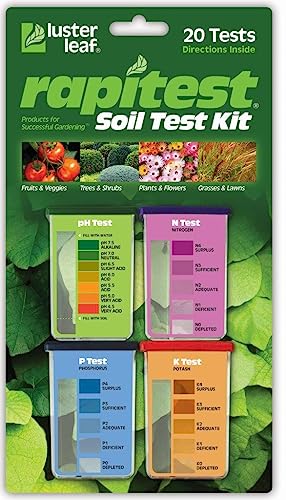
Quick, at home results for Soil pH, Nitrogen, Phosphorous and Potash Innovative and inexpensive soil test kit features an easy-to-use capsule system and patented color comparators

Accurate Soil pH Testing: Dewildetradingco Soil pH Test Strips offer measurements of soil pH levels (pH 3.5-9). As an essential tool for every gardener and grower, these test strips help determine the optimal pH for various plants, such as outdoor plants, indoor plants, gardens, grass lawns, fruit trees, flowers, vegetables, and forest shrubs.
Soil Preparation and Planting Techniques
To ensure optimal growth, raspberries thrive in well-draining soil with a pH level between 5.5 and 6.5. Before planting, loosen the soil to a depth of at least 8 inches and incorporate organic matter like compost to improve soil structure and fertility. When planting raspberry bushes, space them about 2-3 feet apart in rows that are around 8 feet apart.
Watering, Mulching, and Fertilizing
Raspberries require regular watering, especially during dry spells, to keep the soil consistently moist but not waterlogged. Apply mulch around the plants to retain moisture, suppress weeds, and maintain even soil temperatures. In terms of fertilization, feed your raspberry plants with a balanced fertilizer in early spring before new growth appears.
By following these planting and care instructions diligently, you’ll set your raspberries up for healthy growth and bountiful harvests in North Carolina’s climate.
Conclusion
You’re now equipped with the knowledge needed to successfully plant raspberries in North Carolina. Remember to select appropriate raspberry varieties, prepare the soil well, and follow proper planting and care techniques. With the right conditions like well-draining soil and adequate spacing, your raspberry plants will thrive. Don’t forget regular watering, mulching for moisture retention, and fertilizing in early spring to ensure a bountiful harvest. By following these guidelines, you’ll be on your way to enjoying delicious raspberries grown right in your own backyard in North Carolina’s favorable climate. Happy planting!
Frequently Asked Questions
Which raspberry varieties are suitable for North Carolina’s climate?
Caroline, Heritage, Anne, and Joan J Thornless are recommended raspberry varieties for North Carolina’s climate.
What are the essential planting and care instructions for growing raspberries in North Carolina?
Proper soil preparation, planting techniques, watering, mulching, and fertilizing are crucial. Raspberries thrive in well-draining soil with a pH level between 5.5 and 6.5, spaced 2-3 feet apart in rows 8 feet apart.
How should I water my raspberry plants in North Carolina?
Regular watering is essential for healthy growth. Ensure the soil remains consistently moist but not waterlogged to prevent root rot.
When and how should I fertilize my raspberry plants in North Carolina?
Fertilize with a balanced fertilizer in early spring to promote healthy growth and abundant harvests.
Is mulching necessary for growing raspberries in North Carolina?
Yes, mulching is recommended to retain moisture around the roots and suppress weed growth. Apply a layer of organic mulch around the plants but avoid piling it against the stems.
