
Close Menu
    Fruit Tree Hub
    • Home
    • Apple Trees
    • Lemon Trees
    • Mango Trees
    • Orange Trees
    • More Trees
      • Best Fruit Trees
      • Apricot Trees
      • Cherry Trees
      • Fig Trees
      • Lime Trees
      • Mulberry Trees
      • Peach Trees
      • Pear Trees
      • Plum Trees
      • Pomegranate Trees
    • Tips and Advice
      • Tools
    • About Us
      • Contact
      • Privacy Policy
    Fruit Tree Hub
    Home»Climbing Fruit»Raspberry»Do Black Raspberries Grow on Trees? A Complete Guide to Cultivating Delicious Berries
    Raspberry

    Do Black Raspberries Grow on Trees? A Complete Guide to Cultivating Delicious Berries

    Lucy SmithBy Lucy SmithSeptember 4, 20247 Mins Read
    Share Facebook Twitter Pinterest WhatsApp Email
    Share
    Facebook Twitter LinkedIn Pinterest Telegram Email

    Curious if black raspberries grow on trees? Picture this: you’re strolling through a lush garden, eyeing the vibrant fruits dangling from branches. But are those black raspberries hanging from trees or bushes? In this article, we’ll explore the fascinating world of black raspberries and uncover where these delectable berries actually thrive.

    Contents show
    1 Key Takeaways
    2 Understanding Black Raspberries
    2.1 What Are Black Raspberries?
    2.2 How Do They Differ From Red Raspberries?
    3 Growth Habits of Black Raspberries
    3.1 The Lifecycle of a Black Raspberry Plant
    3.2 Common Misconceptions About Their Growth
    4 Optimal Growing Conditions for Black Raspberries
    4.1 Soil and Climate Requirements
    4.2 Sunlight and Watering Needs
    5 Cultivation and Care Tips
    5.1 Tips for Pruning and Harvesting
    5.2 Preventing Common Diseases and Pests
    6 Conclusion
    7 Frequently Asked Questions
    7.1 What are the characteristics of black raspberries?
    7.2 What are the optimal growing conditions for black raspberries?
    7.3 How should I prune and harvest black raspberries?
    7.4 How can I prevent diseases and pests when cultivating black raspberries?

    You might be surprised to learn that the answer isn’t as straightforward as it seems. Understanding the growth patterns of black raspberries can enhance your gardening knowledge and elevate your berry-picking adventures. Stay tuned to discover valuable insights that will help you identify and appreciate these flavorful gems in their natural habitat.

    Key Takeaways

    • Black raspberries grow on bushes, not trees, and are known for their distinct sweet and slightly tart flavor.
    • Understanding the lifecycle of black raspberry plants is crucial, as they have a biennial cycle producing primocanes in the first year and floricanes bearing fruit in the second year.
    • Optimal growing conditions for black raspberries include well-draining soil rich in organic matter, 6-8 hours of sunlight daily, and consistent moisture levels without waterlogging.
    • Cultivation tips involve proper pruning techniques by removing dead canes and harvesting ripe berries frequently to encourage more fruit production.
    • Preventing diseases like anthracnose or botrytis involves planting in well-draining soil with good air circulation and monitoring for signs regularly. Pest control measures include using physical barriers like netting and organic pest control methods if needed.
    MUST READ
    How to Prepare Soil for Raspberries: Enhancing Fertility and Growth

    Understanding Black Raspberries

    Black raspberries are a type of raspberry that grows on bushes rather than trees. These berries belong to the same genus as red raspberries but have distinct characteristics that set them apart.

    What Are Black Raspberries?

    Black raspberries, scientifically known as Rubus occidentalis, are small, black-colored berries with a sweet and slightly tart flavor. They are native to North America and are prized for their antioxidant properties. These berries grow on thorny bushes with woody stems and can be found in the wild or cultivated in home gardens.

    How Do They Differ From Red Raspberries?

    While both black and red raspberries belong to the Rubus genus, they have noticeable differences. Black raspberries are smaller and softer than red raspberries, with a more intense flavor profile. Red raspberries typically have a milder taste and are larger in size. Additionally, black raspberries have a hollow core when picked from the plant, unlike red raspberries which remain intact.

    Growth Habits of Black Raspberries

    Black raspberries, unlike other fruits like apples or pears, grow on bushes rather than trees. Understanding the growth habits of black raspberries is essential for cultivating these delicious berries successfully.

    Recommended Products
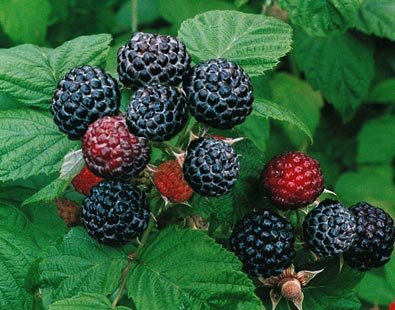
    2 Jewel - Black Raspberry Plant - Everbearing - All Natural Grown - Ready for Fall Planting
    2 Jewel - Black Raspberry Plant - Everbearing - All Natural Grown - Ready for Fall Planting

    Sweet - Thornless - High Yielding

    VIEW LATEST PRICE

    As an affiliate, we earn on qualifying purchases.

    1 Jewel - Black Raspberry Plant - Everbearing - All Natural Grown - Ready for Fall Planting
    1 Jewel - Black Raspberry Plant - Everbearing - All Natural Grown - Ready for Fall Planting

    Sweet - High Yielding

    VIEW LATEST PRICE

    As an affiliate, we earn on qualifying purchases.

    'Tahi' Black Raspberry Plant - Thornless Black Raspberry Plants - Live Plants (1)
    'Tahi' Black Raspberry Plant - Thornless Black Raspberry Plants - Live Plants (1)

    Tahi Black Raspberry Plant characterized by a rich, deep black hue

    MUST READ
    Optimal Raspberry Plant Spacing: Key Tips for Healthy Growth and High Yields
    VIEW LATEST PRICE

    As an affiliate, we earn on qualifying purchases.

    The Lifecycle of a Black Raspberry Plant

    Black raspberry plants have a biennial lifecycle. In the first year, they produce primocanes, which are green and lack fruit. These canes overwinter and develop into floricanes in the second year. Floricanes bear fruit in early to mid-summer before completing their lifecycle.

    Common Misconceptions About Their Growth

    One common misconception about black raspberries is that they require trellising like their red raspberry counterparts. However, black raspberries have an upright growth habit and do not need support from trellises. Additionally, some gardeners mistake young shoots for weeds due to their appearance before recognizing them as valuable black raspberry plants.

    Optimal Growing Conditions for Black Raspberries

    To ensure successful growth of black raspberries in your garden, it’s essential to understand the optimal conditions they thrive in. Here are key factors to consider:

    Recommended Products
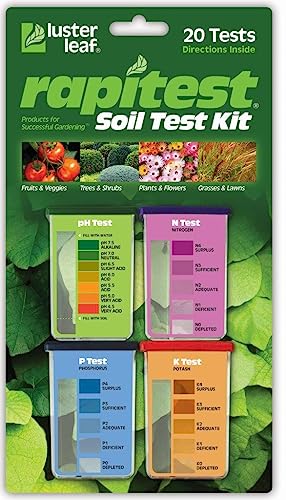
    Rapitest Soil Test Kit for Gardens, Vegetables, Flowers and Lawns. USA designed and assembled soil tester completely, quickly and accurately measures/analyzes soil pH acidity and garden nutrients.
    Rapitest Soil Test Kit for Gardens, Vegetables, Flowers and Lawns. USA designed and assembled soil tester completely, quickly and accurately measures/analyzes soil pH acidity and garden nutrients.

    Quick, at home results for Soil pH, Nitrogen, Phosphorous and Potash Innovative and inexpensive soil test kit features an easy-to-use capsule system and patented color comparators

    VIEW LATEST PRICE

    As an affiliate, we earn on qualifying purchases.

    YAMRON 4-in-1 Soil Moisture Meter, Digital Plant Temperature/Soil Moisture Test & PH Meter/Sunlight Intensity, Backlight LCD Display for Gardening, Farming and Outdoor Plants
    YAMRON 4-in-1 Soil Moisture Meter, Digital Plant Temperature/Soil Moisture Test & PH Meter/Sunlight Intensity, Backlight LCD Display for Gardening, Farming and Outdoor Plants

    【4 in 1 function】This is a 4-in-1 multifunctional soil tester.Our soil tester fastly to measure soil moisture, pH, temperature and sunlight to help you take better care of flowers and plants.You can know when you need to water your soil by measuring moisture and pH & Temperature value of the soil and sunlight level of plants with it.

    MUST READ
    Growing Raspberries in Pots: Tips for Success and Abundant Harvests
    VIEW LATEST PRICE

    As an affiliate, we earn on qualifying purchases.

    SONKIR Soil pH Meter, MS02 3-in-1 Soil Moisture/Light/pH Tester Gardening Tool Kits for Plant Care, Great for Garden, Lawn, Farm, Indoor & Outdoor Use (Green)
    SONKIR Soil pH Meter, MS02 3-in-1 Soil Moisture/Light/pH Tester Gardening Tool Kits for Plant Care, Great for Garden, Lawn, Farm, Indoor & Outdoor Use (Green)

    Kindly NOTE: This soil tester can not be applied to test pH value of any other liquid. If the soil is too dry the indicator will not move, and water it before testing.

    VIEW LATEST PRICE

    As an affiliate, we earn on qualifying purchases.

    Soil and Climate Requirements

    Black raspberries prefer well-draining soil rich in organic matter with a slightly acidic to neutral pH level between 5.5 and 6.5. They thrive in climates with cool winters and moderate summers, making them ideal for regions where temperatures don’t soar too high.

    Sunlight and Watering Needs

    These berries love sunlight, so plant them in an area that receives at least 6-8 hours of direct sunlight daily. When it comes to watering, ensure consistent moisture levels for the plants without waterlogging the soil. A good rule of thumb is about 1-2 inches of water per week, either from rainfall or manual watering.

    By providing the right soil conditions, climate considerations, sunlight exposure, and proper watering practices, you can create an ideal environment for your black raspberries to flourish and yield delicious fruits year after year.

    Cultivation and Care Tips

    When it comes to cultivating black raspberries, here are some essential tips to help you grow healthy plants and enjoy a bountiful harvest.

    Recommended Products
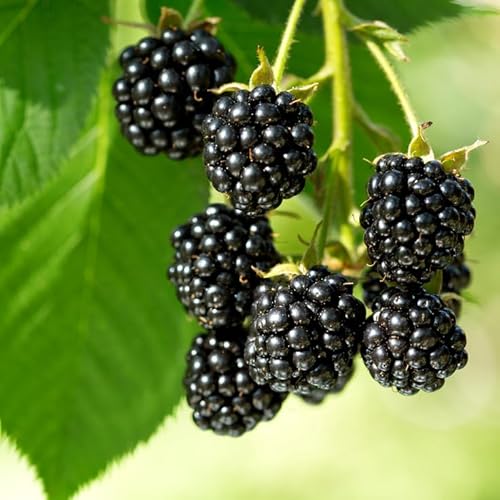
    Mixrug Black Raspberry Seeds for Planting Outdoor, 200pcs Organic BlackBerry Seed Non-GMO Heirloom Sweet Edible Fruit, Sweet Juicy Fruits Plants in Your Home Garden
    Mixrug Black Raspberry Seeds for Planting Outdoor, 200pcs Organic BlackBerry Seed Non-GMO Heirloom Sweet Edible Fruit, Sweet Juicy Fruits Plants in Your Home Garden

    Fragrant Flowers: Bloom blossoms that provide precious nectar for pollinators like bees, creating your own romantic orchard with heavy fruit and rich flavor

    VIEW LATEST PRICE

    As an affiliate, we earn on qualifying purchases.

    MUST READ
    How to Plant Black Raspberries: A Complete Guide from Planting to Harvesting
    Growing Berries - How To Grow And Preserve Berries: Strawberries, Raspberries, Blackberries, Blueberries, Gooseberries, Redcurrants, Blackcurrants & Whitecurrants. (Food Preservation)
    Growing Berries - How To Grow And Preserve Berries: Strawberries, Raspberries, Blackberries, Blueberries, Gooseberries, Redcurrants, Blackcurrants & Whitecurrants. (Food Preservation)
    VIEW LATEST PRICE

    As an affiliate, we earn on qualifying purchases.

    Berries, Rasp- & Black: Storey Country Wisdom Bulletin A-33
    Berries, Rasp- & Black: Storey Country Wisdom Bulletin A-33
    VIEW LATEST PRICE

    As an affiliate, we earn on qualifying purchases.

    Tips for Pruning and Harvesting

    To ensure the best growth and fruit production from your black raspberry bushes, proper pruning and harvesting techniques are crucial. Here’s what you need to know:

    1. Pruning:
    • Trim your black raspberry bushes in late winter or early spring before new growth begins.
    • Remove any dead or damaged canes to promote airflow and prevent disease.
    • Prune out weaker canes to allow the stronger ones to thrive.
    1. Harvesting:
    • Harvest ripe black raspberries by gently twisting them off the plant; they should easily come off without resistance.
    • Pick berries frequently once they ripen to encourage more fruit production.
    • Avoid leaving overripe berries on the bush as they can attract pests.

    By following these pruning and harvesting tips, you’ll help your black raspberry bushes stay healthy and productive.

    Preventing Common Diseases and Pests

    Protecting your black raspberry plants from diseases and pests is essential for a successful harvest. Here are some preventive measures you can take:

    1. Disease Prevention:
    • Plant black raspberries in well-draining soil with good air circulation to reduce moisture around the plants.
    • Avoid overhead watering which can lead to fungal diseases; instead, water at the base of the plants.
    • Monitor your plants regularly for signs of common diseases like anthracnose or botrytis; remove infected parts promptly.
    1. Pest Control:
    • Install physical barriers like netting to deter birds from eating your ripe berries.
    • Check your plants regularly for signs of insect infestation such as Japanese beetles or spider mites.
    • Consider using organic pest control methods like neem oil or insecticidal soap if pest problems arise.
    MUST READ
    Washing Raspberries with Salt: Extend Shelf Life and Remove Contaminants

    By implementing these disease prevention strategies and pest control measures, you’ll safeguard your black raspberry bushes against common threats, ensuring a thriving garden full of delicious fruits.

    Conclusion

    Black raspberries are a delightful addition to any garden, offering not only delicious fruit but also valuable health benefits. By understanding their unique growth requirements and following proper care techniques, you can successfully cultivate these antioxidant-rich berries in your own backyard. Remember to provide the ideal conditions of well-draining soil, adequate sunlight, and proper watering for optimal growth. With the right pruning practices and preventive measures against diseases and pests, you can enjoy a bountiful harvest of flavorful black raspberries year after year. Embrace the rewarding experience of growing your own berries and savor the sweet taste of success!

    Frequently Asked Questions

    What are the characteristics of black raspberries?

    Black raspberries grow on bushes in the Rubus occidentalis genus, native to North America. They are known for their antioxidant properties and differ from red raspberries in size, texture, and flavor.

    What are the optimal growing conditions for black raspberries?

    Black raspberries thrive in well-draining soil rich in organic matter with slightly acidic to neutral pH levels. They require cool winters, moderate summers, and 6-8 hours of daily sunlight. Proper watering practices include about 1-2 inches of water per week.

    How should I prune and harvest black raspberries?

    Prune black raspberry bushes by removing old canes to promote new growth. Harvest ripe berries gently by hand-picking them when fully colored. Proper techniques ensure continued growth and fruit production.

    How can I prevent diseases and pests when cultivating black raspberries?

    Prevent common diseases through soil maintenance and proper watering practices. Control pests using physical barriers or organic solutions to protect your black raspberry crop effectively.

    Share. Facebook Twitter Pinterest LinkedIn Tumblr Email
    lucy smith
    Lucy Smith
    • Website

    Lucy Smith is a highly experienced horticulturist with a passion for fruit tree cultivation. She holds a degree in Horticulture from the University of California, Davis, and has worked in various roles in the industry. With over 10 years of experience, Lucy is dedicated to using eco-friendly methods for sustainable gardening practices.

    Related Posts

    Discovering Raspberry Growth Maps: Unveiling Ideal Cultivation Regions Worldwide

    September 7, 2024

    Companion Planting Blackberries and Raspberries: Tips for Successful Growth

    September 7, 2024

    When to Transplant Black Raspberries for Healthy Growth and Fruit Production

    September 7, 2024

    How to Grow Raspberries in Ohio: A Complete Guide for Successful Harvests

    September 7, 2024

    What Type of Soil Do Raspberries Need? Tips for Healthy Growth and Bountiful Harvests

    September 7, 2024

    Companion Planting Strawberries, Blueberries, and Raspberries: Tips for a Thriving Berry Garden

    September 7, 2024
    Leave A Reply Cancel Reply

    Affiliate Disclosure

    As an Amazon Associate I earn from qualifying purchases.

    Recommended Reading

    When Do Meyer Lemon Trees Bear Fruit and How to Maximize Your Harvest Success

    When Do You Prune a Fruit Tree for Maximum Growth and Fruit Quality

    How Big Does a Star Fruit Tree Get and What You Need to Know for Healthy Growth

    5 Best Fruit Tree Covers for Frost Protection: Keep Your Trees Thriving in Cold Weather

    Peach Trees in a Pot in Dallas, TX: North Texas Heat Strategies

    How Many Times Coconut Trees Bear Fruit and Tips for Maximizing Your Yield

    What Fruit Trees Like Acidic Soil: Essential Tips for Thriving Growth and Abundant Harvests

    Almond Trees in St. Paul, MN (Survival Tips for the North)

    The 5 Best Insect Nettings for Your Garden: Protect Your Plants With Ease

    What Causes Curl Leaf on Stone Fruit Trees and How to Restore Their Health

    Fruit Tree Hub

    Fruit Tree Hub is a website dedicated to providing you everything you need to grow fruit trees successfully at in your own yard.

    Contact us at: [email protected]

    - AFFILIATE DISCLOSURE: As an Amazon Associate I earn from qualifying purchases.

    Latest Posts

    Can Star Fruit Trees Grow in a Pot in Indiana? Pro Secrets

    Growing Mulberry Trees in Colorado: High Altitude Success Tips

    Jujube Trees in Raleigh, NC (Central Carolina Success Guide)

    Growing Orange Trees in Hawaii (Tropical Harvest Secrets)

    Tangerine Trees in a Pot in Jacksonville, FL (Successful Harvest)

    Mango Trees in a Pot in Wyoming (Protecting Potted Tropicals)

    Plum Trees in a Pot in North Carolina: Piedmont Region Secrets

    How to Grow Lime Trees in North Carolina: Piedmont Tips

    Categories
    • Almond Trees
    • Apple Trees
    • Apricot Trees
    • Best Fruit Trees
    • Blackberry
    • Cantaloupe
    • Cherry Trees
    • Crochet Ideas
    • Crochet Ideas for Beginners
    • Cucamelon
    • Easy Crochet Ideas
    • Easy Knitting Projects
    • Fig Trees
    • Grapefruit Trees
    • Grapes
    • Guava Trees
    • Honeydew
    • Jujube Trees
    • Kiwi
    • Knitting For Beginners
    • Knitting Ideas
    • Knitting Inspiration
    • Lemon Trees
    • Lime Trees
    • Loquat Trees
    • Mango Trees
    • Mulberry Trees
    • Nectarine Trees
    • Olive Trees
    • Orange Trees
    • Papaya Trees
    • Peach Trees
    • Pear Trees
    • Persimmon Trees
    • Planting
    • Plum Trees
    • Pomegranate Trees
    • Quince Trees
    • Raspberry
    • Reviews
    • Small Crochet Ideas
    • Star Fruit Trees
    • Summer Crochet Ideas
    • Tamarind Trees
    • Tangerine Trees
    • Tips and Advice
    • Tools
    • Uncategorized
    • Walnut Trees
    © 2026 Fruit Tree Hub
    • Home
    • About Us
    • Contact
    • Privacy Policy
    • Terms and Conditions
    • Disclaimer
    • Editorial Policy
    • Affiliate Disclosure

    Type above and press Enter to search. Press Esc to cancel.