

Have you ever wondered where those delicious kiwis grow? Picture this: you’re strolling through a grocery store, eyeing the vibrant display of fruits, and you spot those fuzzy kiwis. But do you know where they come from? Understanding where kiwis grow on can not only satisfy your curiosity but also give you a newfound appreciation for these exotic fruits.
In this article, we’ll explore the fascinating world of kiwi cultivation. By uncovering the secrets of where kiwis grow on, you’ll gain insights into the ideal conditions needed for these fruits to thrive. Whether you’re a fruit enthusiast or simply curious about the origins of what you eat, this article will shed light on the mysterious journey of kiwis from vine to table. Get ready to embark on a journey of discovery and learn more about the surprising growth of kiwis.
Key Takeaways
- Kiwis grow on woody vines, not trees, and require robust support structures like trellises for effective growth.
- Kiwi plants need full sun exposure for photosynthesis, growth, and fruit production.
- Cross-pollination between male and female plants is essential for kiwi fruit set.
- Proper pruning is key for managing vine growth, improving airflow, and promoting fruit production.
- Ideal climatic conditions for kiwis include cool winters, warm summers, sufficient sunlight, moderate humidity, and protection from frost.
- Soil conditions, such as well-drained soil, optimal pH levels, loamy texture, nutrient content, temperature, and moisture, are crucial for successful kiwi cultivation.
Overview of Kiwi Plant
If you’re curious about the kiwi plant and how these delicious fruits grow, you’ve come to the right place. Let’s dive into the fascinating world of kiwi cultivation.
Kiwi Vine Growth
When you think of kiwis, you might picture them dangling from branches like grapes. However, kiwis grow on woody vines rather than trees. These vines are vigorous climbers, covering supporting structures like trellises with their lush foliage.
Ideal Climate for Kiwis
To thrive, kiwi plants prefer a temperate climate with well-defined seasons. They require a certain amount of chilling hours to stimulate proper bud break in the spring. In the right conditions, kiwis can deliver a bountiful harvest of fuzzy brown fruits.
Sunlight Requirements
Just like humans need their daily dose of sunshine, kiwi plants thrive in full sun. They love soaking up the sunlight to produce energy through photosynthesis, helping the vines grow, flower, and ultimately produce those sweet and tangy kiwi fruits.
Support Structures for Kiwi Vines
Given their climbing nature, kiwi vines need robust support structures to grow effectively. Trellises, arbors, or pergolas provide the necessary framework for the vines to spread out and bear fruit. Proper support also aids in easy maintenance and harvesting.
Pollination
Unlike some fruit trees that are self-pollinating, kiwi plants require cross-pollination between male and female vines to set fruit. To ensure a successful harvest, it is essential to have a good balance of male and female plants in the orchard or garden.
Pruning and Maintenance
Regular pruning is key to kiwi plant care. It helps manage vine growth, improve airflow, and promote fruit production. Pruning also encourages the development of strong and healthy vines that can support a heavy crop.
Harvesting Kiwis
The moment of truth arrives when the kiwi fruits are ready for harvest. Typically, kiwis are hand-picked to prevent damage to the delicate skin. Harvesting at the right time ensures that you enjoy ripe and flavorful kiwis at your table.
Climatic Requirements for Kiwi Growth
When considering the optimal conditions for growing kiwis, you must keep in mind that kiwi plants have specific climatic needs that are essential for their successful cultivation. Here are the key climatic requirements you need to be aware of to ensure the healthy growth of kiwi vines:
Recommended Products

2 Kiwi Plant Live, Hardy Kiwi Berries Plant, 5-9" Tall, Kiwi Tree Live Plant, Kiwi Vine Live Plant
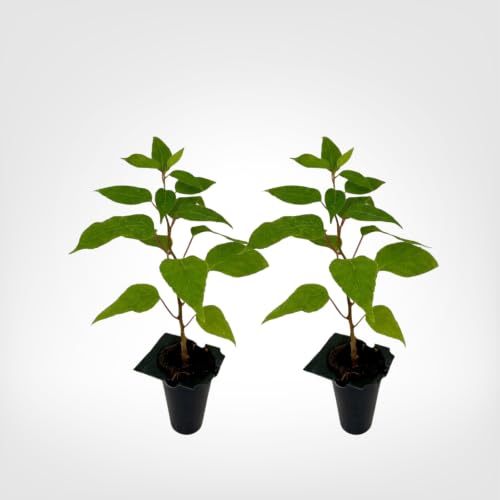
TWO LIVE STARTER PLUGS — Each order includes 2 actively growing Prolific hardy kiwi plugs, 6-8 Inch tall, ready to plant in well-drained soil.

Requires full sun exposure for steady vine growth and fruit development
Temperature Range:
Kiwi plants thrive in regions with cool winters and warm summers. They require a chilling period during the winter months to break dormancy and encourage flower bud development. On the other hand, they need warm temperatures during the growing season for proper fruit ripening. Ideally, kiwis grow best in areas where the winter temperatures stay above 10°F (-12°C) and the summer temperatures are around 75-85°F (24-29°C).
Sunlight:
Kiwi plants are sun-loving and need ample sunlight to photosynthesize efficiently. To ensure optimal growth and fruit production, plant your kiwi vines in a spot that receives full sun exposure for at least 6-8 hours a day. Without adequate sunlight, kiwi plants may struggle to produce healthy fruits.
Humidity Levels:
Maintaining the right humidity levels is crucial for kiwi plants, especially during the flowering and fruiting stages. Kiwis prefer moderate humidity levels ranging from 60% to 80%. High humidity can lead to fungal diseases, while low humidity can cause stress to the plants. Proper air circulation is essential to prevent humidity-related issues.
Rainfall and Irrigation:
Kiwi plants require consistent moisture levels throughout the growing season. While they need sufficient water, especially during fruit development, they are also sensitive to waterlogging. Adequate drainage is essential to prevent water accumulation around the roots. In regions with insufficient rainfall, supplemental irrigation is necessary to keep the plants hydrated.
Frost Protection:
Since kiwi plants are sensitive to frost, it’s crucial to protect them during cold spells. Frost can damage kiwi vines, affecting their growth and fruit production. Consider using frost protection methods like covering the plants with frost cloth or using overhead irrigation to raise the temperature around the vines during frost-prone periods.
Understanding and providing the right climatic conditions is key to successfully cultivating kiwis. By meeting their temperature, sunlight, humidity, water, and frost protection needs, you can create an ideal environment for your kiwi vines to thrive and produce bountiful fruit.
Soil Conditions for Kiwi Plantation
When it comes to cultivating kiwis successfully, paying attention to the soil conditions is crucial. The right soil type and quality can significantly impact the growth and productivity of your kiwi plants. Here’s what you need to know about the soil conditions for kiwi plantation:
Recommended Products

Quick, at home results for Soil pH, Nitrogen, Phosphorous and Potash Innovative and inexpensive soil test kit features an easy-to-use capsule system and patented color comparators

KNOW BEFORE YOU GROW | Grow the healthiest, sustainable lawn and garden with the most accurate and easy to use professional soil test kit on the market

Kindly NOTE: This soil tester can not be applied to test pH value of any other liquid. If the soil is too dry the indicator will not move, and water it before testing.
Well-Drained Soil
For optimal growth, kiwi plants require well-drained soil. Poorly drained soil can lead to waterlogging, which can be detrimental to the roots and overall health of the plants. Ensure that the soil has good drainage to prevent water from accumulating around the roots.
pH Level
Kiwi plants prefer slightly acidic to neutral soil conditions. A pH level between 5.5 and 7.0 is considered ideal for kiwi cultivation. You can test the soil pH with a simple kit available at gardening stores and adjust it accordingly by adding soil amendments if needed.
Soil Texture
The texture of the soil is essential for kiwi plants to thrive. A loamy soil texture, which is a balanced mixture of sand, silt, and clay, is favorable for kiwi plantation. This type of soil provides good aeration, drainage, and moisture retention, creating a conducive environment for root development.
Nutrient Content
Kiwi plants require adequate nutrients to grow vigorously and produce quality fruits. Before planting, ensure the soil is rich in essential nutrients such as nitrogen, phosphorus, and potassium. You can incorporate organic matter like compost or well-rotted manure into the soil to enhance its nutrient content.
Soil Temperature
The soil temperature plays a crucial role in the growth of kiwi plants. Ideally, the soil temperature for kiwi plantation should be around 60°F (15.5°C) for optimal root development. You can use a soil thermometer to monitor the soil temperature and make necessary adjustments if needed.
Soil Moisture
Maintaining the right moisture level in the soil is vital for the health of kiwi plants. While kiwis require regular watering, it is essential to avoid waterlogged conditions. Monitor the soil moisture regularly and adjust your watering schedule to ensure the soil remains consistently moist but not waterlogged.
By understanding and meeting the specific soil conditions required for kiwi plantation, you can create an ideal environment for your kiwi vines to flourish and yield abundant, delicious fruits.
Kiwi Planting and Maintenance
To successfully grow kiwis, it’s essential to pay attention to proper planting and maintenance practices. Here’s a guide to help you ensure your kiwi vines thrive and bear delicious fruits:
Planting Kiwi Vines
When planting kiwi vines, choose a sunny location with well-drained soil. Kiwis prefer soils with a pH level between 5.5 and 7.0. Ensure the soil texture is suitable, loamy soil works best for kiwis. Here are the steps for planting kiwi vines:
- Selecting Varieties: Choose suitable kiwi varieties based on your climate.
- Preparing Soil: Ensure the soil is well-drained and amend it if necessary with organic matter.
- Digging Holes: Dig holes twice as wide and deep as the root ball.
- Planting: Place the kiwi plant in the hole, backfill with soil, and water thoroughly.
- Support Structures: Install trellises or arbors for the kiwi vines to climb and grow properly.
Kiwi Maintenance Tips
Proper maintenance is key to ensuring healthy kiwi plants and a bountiful harvest. Follow these maintenance tips for successful kiwi cultivation:
- Pruning: Trim kiwi vines in late winter to encourage new growth and fruit production.
- Fertilizing: Apply a balanced fertilizer in early spring to promote healthy growth.
- Watering: Keep the soil consistently moist, especially during hot weather.
- Cross-Pollination: Plant both male and female kiwi vines for optimal fruit set.
- Pest and Disease Management: Monitor for pests and diseases regularly and take preventive measures.
Harvesting Kiwis
Once your kiwi vines are mature, it’s time to enjoy the fruits of your labor. Harvest kiwis when they are firm but yield to slight pressure. To harvest kiwis:
- Twist and Snap: Twist the fruit gently from the vine, and it should snap off easily.
- Storage: Store harvested kiwis at room temperature until they ripen, then refrigerate.
Conclusion
You now have a solid understanding of how to successfully grow kiwis. From the importance of soil conditions to proper planting practices and maintenance tips, you’re well-equipped to nurture healthy kiwi plants. Remember to provide adequate support structures, ensure cross-pollination, and follow recommended pruning techniques. By implementing these strategies, you can enjoy a bountiful harvest of delicious kiwis. Happy gardening!
Frequently Asked Questions
What soil conditions are suitable for cultivating kiwis?
Kiwi plants thrive in well-draining soil with a pH level between 5.0 and 7.0. They prefer sandy-loam soil rich in organic matter for optimal growth.
Why is cross-pollination important for kiwi plants?
Cross-pollination is vital for kiwi plants to ensure the production of fruit. Male and female kiwi vines need to be planted together for successful pollination.
When is the best time to prune kiwi plants?
Prune kiwi plants in late winter while they are dormant to promote new growth and maintain manageable vine size for better fruit production.
How should ripe kiwis be harvested?
Harvest ripe kiwis by twisting and snapping them from the vine gently. Handle the fruits with care to prevent damage and store them in a cool, dry place.
