

Ever wondered where those fuzzy, green kiwis actually come from? Picture this: you’re in the produce section, eyeing a pile of kiwis, and you stop to ponder – do these quirky fruits grow on trees? It’s a common question that many folks have, and you’re not alone in your curiosity.
In this article, we’ll clear up the mystery surrounding kiwi cultivation. Understanding whether kiwis grow on trees or not can give you a whole new appreciation for these tangy delights. Stick around as we explore the fascinating world of kiwi farming and get to the root of where these little wonders actually sprout from. Get ready to have your kiwi knowledge expanded in just a few short paragraphs.
Key Takeaways
- Kiwis grow on vines, not trees, and require support structures like trellises for optimal growth.
- Kiwi plants are climbers that need sturdy support and can reach lengths of up to 30 feet.
- Propagation methods for kiwis include seeds, cuttings, or grafting for commercial cultivation.
- Proper pruning, pollination, and training are essential for healthy kiwi vine growth and fruit production.
- Kiwi plants are susceptible to pests and diseases, requiring integrated pest management practices.
- Understanding the unique characteristics of kiwi plants, such as being dioecious and having fibrous, green flesh, is crucial for successful cultivation.
Exploring Kiwi Cultivation Methods
When it comes to kiwi cultivation, it’s essential to understand the methods used to grow these delicious fruits. Let’s dive into the world of kiwi farming to uncover the key techniques involved in cultivating these tangy treats.
Recommended Products

🌑[Plant Growth Support]:Garden plant trellis are committed to helping your indoor for potted plants and adds to the natural beauty. As plants grow, the houseplant trellis takes the form of a ladder to help your plant climbing and growing.

ELEGANT GARDEN ARCH TRELLIS – Transform your backyard into a beautiful garden retreat with this classic black metal garden arch. Create an inviting entrance along pathways, over garden beds, or among your favorite flowers and climbing plants.
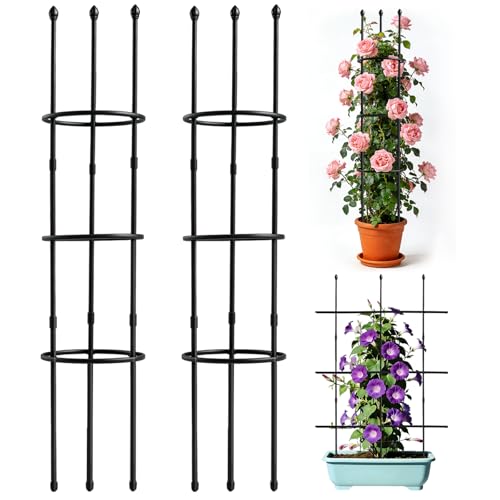
【Two Installation Methods】Our garden trellis can be configured into two types of plant trellis (panel stands and plant cages). You can also combine two or more panels together to form a larger plant stand panel or plant cage. Adjustable plant supports can meet your different plant support needs.
Kiwi Vine Growth
Kiwi plants, also known as Actinidia deliciosa, are climbers that thrive in temperate climates. These vines require sturdy support structures like trellises or pergolas to grow properly. The vines can reach lengths of up to 30 feet, so providing adequate support is crucial for healthy growth.
Propagation Techniques
Kiwi plants are typically propagated through seeds, cuttings, or grafting. While growing kiwis from seeds is possible, it’s a longer process, and the plants may not retain the desired characteristics of the parent plant. Grafting and cutting methods are more commonly used for commercial cultivation to ensure consistency in fruit quality and yield.
Pollination Practices
Kiwi plants are dioecious, meaning they have separate male and female vines. To ensure fruit production, both male and female plants are needed in a ratio of about one male vine for every four female vines. Bees and other pollinators play a crucial role in pollinating kiwi flowers, leading to successful fruit set.
Pruning and Training
Proper pruning is vital for kiwi vines to encourage fruit production and maintain plant health. Pruning helps control vine growth, improve air circulation, and increase sunlight exposure to the fruiting wood. Training the vines along the support structures also aids in managing plant growth and optimizing fruit yield.
Harvesting and Storage
Kiwis are typically harvested when fully mature but still firm. The ideal harvesting time varies depending on the kiwi variety and growing conditions. Once harvested, kiwis can be stored for several weeks under controlled conditions to extend their shelf life and ensure freshness for consumers.
Pest and Disease Management
Kiwi plants are susceptible to various pests and diseases, including vine weevils, scale insects, and Pseudomonas syringae bacteria. Implementing integrated pest management practices, such as monitoring, cultural controls, and targeted treatments, can help protect kiwi vines from potential threats and ensure healthy fruit production.
By understanding these key cultivation methods, you’ll gain valuable insight into the intricate process of growing kiwis and fostering a thriving orchard of these delectable fruits.
Understanding Kiwi Plant Characteristics
When it comes to kiwi plants, it’s essential to understand their unique characteristics for successful cultivation. Here are key points to consider:
Recommended Products

This grape vine support is made of quality PP material, Can be reused,not easy to break,can be easily distorted and on the vine.Easily clips to trellising twine and doesn't slip.

Product Packaging: 1 set of chain trellies for climbing plant (includes 10 black stars, 10 black moons, 20 Metal Spring O Rings Clip, 6 traceless hooks, 6 traceless nails, 6 plastic-coated hooks, and 10 zip ties).

Fiberglass Material Raspberry Cross Stake System with 2 Cross-bars, Height Adjustable
Kiwi Plant Structure:
- Kiwis grow on vines rather than trees. These vines require support structures like trellises for optimal growth.
- The vines are climbers, using tendrils to grasp onto supports as they grow.
- Kiwi plants have large leaves that aid in photosynthesis, crucial for healthy fruit production.
- The trunk of a kiwi plant is not woody like a tree but rather semi-woody with a soft inner core.
Growth and Development:
- Kiwi plants are perennial, meaning they live for more than two years and can bear fruit for multiple seasons.
- They are dioecious, with separate male and female plants. Male plants produce pollen, while female plants bear the fruit.
- Pollination is crucial for fruit formation. Bees and other pollinators help transfer pollen from male to female flowers.
- The fruit of the kiwi plant, botanically known as a berry, has a fibrous, dull brown skin and vibrant green flesh with tiny black seeds.
- Pruning is essential for managing the size of the plant and ensuring good air circulation for healthier growth.
- Kiwi plants require regular watering, especially during dry periods, to support fruit development.
- Fertilizing the plants in spring helps promote robust growth and fruit production.
By grasping the unique characteristics of kiwi plants, you’ll be better equipped to nurture these vines and enjoy a bountiful harvest of delicious kiwis in your orchard.
Kiwi Orchard Management
Managing a kiwi orchard involves several key practices to ensure healthy vine growth and abundant fruit production. Here’s a breakdown of essential tasks to help you optimize your kiwi cultivation efforts.
Recommended Products
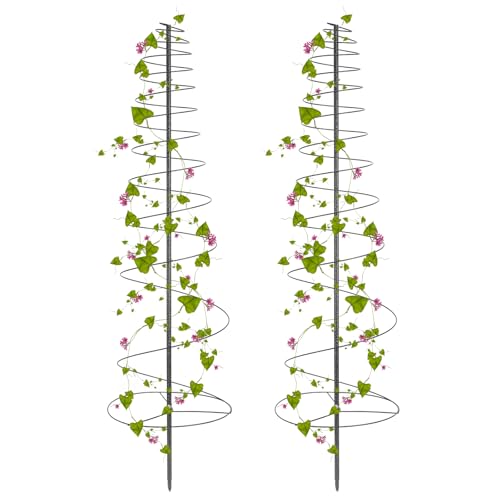
Unique Design: The spiral design expands in seconds—no tools needed! Secure buckle at the base lock the trellis firmly in place, keeping your climbing plants upright even in strong winds.

WHAT'S IN THE BOX (30 SETS, HUBS+CABLE): 30 crosshead standoffs (wall hubs) and 150 ft of 1/8" wire rope; 30 anchors, 30 washers, 120 end caps, plant ties, masonry drill bit, hex key, wrench, and instructions; no wire cutter, see the Cutter options

🪴【Plant Trellis for Climbing Plants Indoor and Outdoor】:2 Pack of uniquely designed plant trellis 30 inches for taller climbers, and can be easily disassembled to 15 inches for smaller plants, also possible to use two stands for one plant to meet your multiple potted needs and provide the structure your indoor climbing plants need to develop. Let your potted vine plants become the decorations of your home.
Planting Process
When establishing a kiwi orchard, it’s crucial to select a well-drained site with access to ample sunlight. Kiwi vines thrive in fertile, loamy soil with good drainage. Ensure proper spacing between vines to allow for optimal growth and airflow, promoting healthy development.
Trellis System Installation
To support the vigorous growth of kiwi vines and facilitate fruit harvesting, setting up a sturdy trellis system is essential. The trellis provides structural support for the vines, aids in efficient maintenance practices like pruning and harvesting, and helps prevent fruit rot by keeping the fruit off the ground.
Irrigation Management
Proper irrigation is critical for ensuring consistent growth and fruit development in kiwi orchards. Implement an irrigation system that delivers adequate water to the vines without causing waterlogging. Regularly monitor soil moisture levels to adjust watering schedules according to the vine’s needs.
Fertilization Practices
Kiwi vines benefit from regular fertilization to maintain healthy growth and fruit production. Apply a balanced fertilizer rich in nitrogen, phosphorus, and potassium during the growing season to promote vine vigor and fruit formation. Conduct soil tests periodically to adjust fertilizer applications based on the vine’s nutrient requirements.
Pest and Disease Control
Effective pest and disease management strategies are essential to protect kiwi orchards from common threats. Monitor the vines regularly for signs of pests or diseases and take prompt action to control infestations. Implement cultural practices like sanitary measures and proper pruning techniques to minimize disease spread within the orchard.
Harvesting and Storage
Harvest kiwis when they reach the desired maturity level, typically indicated by firmness and color. Handle the fruit carefully during harvesting to avoid damage. Store harvested kiwis in a cool, humid environment to prolong their shelf life and maintain quality.
Comparing Kiwi Trees to Other Fruits
When it comes to kiwis, you might wonder if they grow on trees. Unlike many fruits that grow on typical trees, such as apples and pears, kiwis have a unique growth habit that sets them apart.
Kiwi Trees vs. Typical Fruit Trees
Typical fruit trees, like apple and pear trees, have a single trunk that leads up to branches where fruits grow. These trees can reach significant heights, requiring different pruning and maintenance techniques.
In contrast, kiwis grow on vigorous vines that need support to reach their full potential. These vines sprawl and climb, making them more similar to grapevines in structure than standard fruit trees.
Understanding the Vine Growth
Kiwis, being vine plants, require sturdy structures like trellises for support. Think of a grapevine that needs a framework to climb and spread out. Kiwi vines behave in a similar manner, needing guidance for proper growth.
Unlike trees with strong trunks, kiwi vines rely on the trellis system to support their growth and ensure optimal fruit production. Training the vines along the trellis allows for better sunlight exposure and easier management.
Harvesting from Vines
When it’s time to harvest kiwis, the process differs from picking fruits off trees. Instead of plucking them directly from branches, you carefully cut the kiwis from the vines. This method ensures that the fruits remain intact and undamaged, ready for consumption.
By understanding the distinct growth patterns of kiwi vines compared to trees, you can appreciate the unique characteristics of kiwi cultivation. Supporting these vines properly through trellis systems and harvesting techniques is key to a successful kiwi orchard.
Incorporating these insights into your kiwi growing practices can lead to healthier vines and bountiful harvests. Remember to provide the necessary support for your kiwi vines to flourish and produce delicious fruits for you to enjoy.
Conclusion
You’ve now gained valuable insights into the world of kiwi cultivation. Understanding the unique characteristics of kiwi plants is key to successful growth. Setting up trellis support for kiwi vines is crucial for their development. Proper harvesting techniques are essential for maximizing your kiwi orchard’s potential. By grasping these distinctions, you’re on your way to nurturing healthier vines and reaping abundant harvests. Happy growing!
Frequently Asked Questions
Can kiwis be grown like traditional fruit trees?
No, kiwis are vines that require trellis support for optimal growth. Unlike typical fruit trees, kiwi plants need to climb and vine along a trellis system.
How should kiwi plants be harvested?
Kiwis grown on vines should be harvested by gently twisting and pulling to detach them from the plant. It is important to handle them delicately to prevent bruising and damage.
What are some common pests and diseases affecting kiwi plants?
Common pests affecting kiwi plants include spider mites, vine weevils, and scale insects. Diseases such as powdery mildew and bacterial canker can also impact kiwi cultivation.
What is the best method for storing harvested kiwis?
Harvested kiwis should be stored in a cool, humid environment to prolong their shelf life. They can be stored in the refrigerator for up to several weeks.
How can pruning and training benefit kiwi plants?
Pruning and training help maintain the shape and structure of kiwi vines, promote better airflow and sunlight exposure, and encourage fruit production.
How important is proper pollination for kiwi plants?
Pollination is crucial for kiwi plants to set fruit. While some kiwi varieties are self-fertile, having both male and female plants can improve pollination rates.
What are some key factors to consider for successful kiwi cultivation?
Factors such as choosing the right kiwi variety for your climate, providing adequate water and sunlight, maintaining soil fertility, and proper pest and disease management are essential for successful kiwi cultivation.
