

Do you dream of plucking fresh grapefruits from your own tree, right in the comfort of your home? Picture this: savoring the juicy sweetness of homegrown grapefruits, knowing you nurtured the tree yourself. If you’re eager to bring a touch of citrusy delight into your living space, growing a grapefruit tree in a container could be the perfect solution.
Key Takeaways
- Choosing the right container is crucial for growing a grapefruit tree in a container. Consider factors such as size, drainage, material, growth potential, mobility, and aesthetics.
- Select a suitable grapefruit variety based on your climate, space availability, desired fruit characteristics, rootstock compatibility, and expert advice to ensure successful container gardening.
- Follow a planting process that includes preparing the container, planting the tree correctly, watering, feeding, pruning, staking, pest control, and winter care for optimal growth and fruit production.
- Proper watering and fertilizing are essential for the health and fruit production of your grapefruit tree in a container. Maintain consistent watering levels and use balanced citrus fertilizers at the right time and quantity.
- Regular pruning techniques, maintenance practices, monitoring growth, and timely care are necessary to support a healthy grapefruit tree in a container and ensure a bountiful harvest of delicious citrus fruits.
- Harvest grapefruits at the right time by checking ripeness, using pruning shears, handling with care, and storing them properly to enjoy the fresh, home-grown flavors of your container-grown grapefruit.
Choosing the Right Container
When selecting the container for your grapefruit tree, consider these key factors to ensure optimal growth and health for your citrus plant.
Recommended Products

DURABLE & LIGHTWEIGHT: Built with UV-resistant polypropylene, these durable and lightweight 20"D x 20"W x 16"H plastic flower pots resist fading, cracking, and wear, making them a reliable option for long-term use.
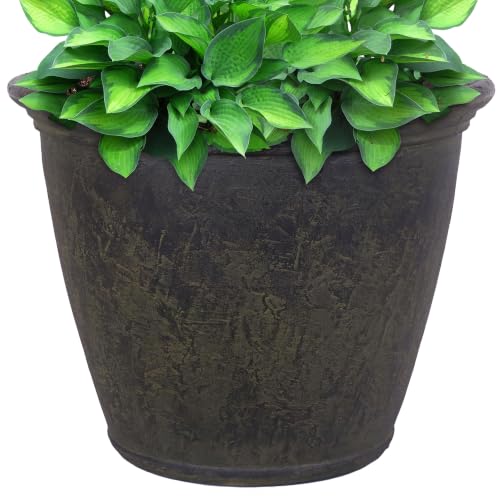
AMPLE GROWING SPACE: This outdoor flowerpot has a 24" outer top diameter, 21" inner top diameter, 14.5" outer bottom diameter, 14" inner bottom diameter, 20" outer height, and 18" inner height. The planter weighs 6.4 lbs. It can hold 19 gallons/2.54 cubic feet/76 quarts. This large plant pot is great for growing plants and flowers both inside and outside.
Size Matters
Pick a container that provides ample space for the grapefruit tree roots to spread out. A container with a diameter of at least 24 inches is recommended to accommodate the root system adequately.
Drainage is Essential
Ensure that the container has drainage holes at the bottom to prevent waterlogging, which can lead to root rot. Proper drainage promotes healthy soil aeration and helps prevent overwatering.
Material Selection
Opt for a container made of durable, lightweight material such as plastic or fiberglass. These materials are easier to move and manage, especially if you plan on relocating the tree to different spots for sunlight.
Consider Growth Potential
Anticipate the growth of the grapefruit tree and select a container that can accommodate its increasing size. Transplanting a mature tree into a larger container can disrupt its growth, so choose a container that allows room for the tree to thrive over time.
Mobility
Choose a container with wheels or consider placing it on a wheeled platform for easy mobility. This allows you to move the tree around to optimize sunlight exposure or protect it from harsh weather conditions.
Aesthetics
While functionality is key, also consider the aesthetic appeal of the container. Pick a design that complements your living space and enhances the overall visual appeal of growing a grapefruit tree indoors.
By carefully selecting the right container for your grapefruit tree, you’ll provide a conducive environment for healthy growth and abundant fruit production.
Selecting the Suitable Grapefruit Variety
When choosing the grapefruit variety that’s right for your container, consider factors such as your climate, space availability, and desired fruit characteristics. Here are some essential steps to help you select the most suitable grapefruit variety for your container gardening adventure:
Recommended Products

Each offer includes 1 potted starter plant


🌳 3-Pack Fruit Tree Bundle Includes live apple, blueberry, blackberry trees—perfectly paired for a diverse and productive backyard orchard.
Assess Your Climate:
Check if your area has the right conditions for growing grapefruits. Grapefruits thrive in warm climates, primarily USDA hardiness zones 9-11. However, you can still grow them indoors or in containers in cooler climates.
Consider Dwarf Varieties:
For container cultivation, opt for dwarf grapefruit varieties. Dwarf trees are more compact, making them ideal for limited spaces and easier to manage. Examples of dwarf grapefruit varieties suitable for containers include ‘Duncan’ and ‘Rio Red.’
Evaluate Fruit Characteristics:
Decide on the type of grapefruit you prefer based on taste and color. Different varieties offer varying flavors, levels of tartness, and hues. For example, ‘Ruby Red’ grapefruits are known for their sweet taste and vibrant red flesh, while ‘White Marsh’ grapefruits have a milder flavor and pale flesh.
Research Rootstock Compatibility:
Ensure that the rootstock of the grapefruit variety you choose is compatible with container growth. Rootstock affects tree size, disease resistance, and fruit production. Popular rootstocks for container cultivation include ‘Carrizo’ and ‘Swingle.’
Seek Expert Advice:
If you’re unsure about which grapefruit variety to select, consult with local nurseries, horticulturists, or agricultural extension services. They can provide guidance based on your specific location and growing conditions.
By carefully considering these factors and selecting a grapefruit variety suited to container gardening, you’ll increase your chances of successfully cultivating a thriving grapefruit tree in a container. Remember, the right variety can make all the difference in achieving a bountiful harvest of delicious grapefruits at home.
Planting Process
To plant your grapefruit tree successfully in a container, follow these steps:
1. Prepare the Container
- Select a Suitable Container: Choose a large container with drainage holes to prevent waterlogging, ensuring the roots have access to oxygen.
- Use Quality Potting Mix: Fill the container with well-draining potting mix to provide essential nutrients and support root growth.
- Positioning: Place the container in a sunny location where the tree can receive at least 6-8 hours of sunlight daily.
2. Planting the Tree
- Add Potting Mix: Fill the container about one-third full with potting mix.
- Remove the Tree: Gently remove the grapefruit tree from its nursery container, being careful not to damage the roots.
- Planting: Place the tree in the center of the container and fill it with more potting mix, leaving about an inch of space below the rim.
3. Watering and Maintenance
- Watering: Water the tree deeply after planting to ensure the roots are adequately moist. Allow the soil to dry slightly between watering to prevent overwatering.
- Feeding: Fertilize the tree with a balanced fertilizer specifically formulated for citrus plants, following the package instructions.
- Pruning: Regularly prune your grapefruit tree to maintain its shape, remove dead or damaged branches, and promote healthy growth.
- Staking: If needed, provide support for the tree with a stake to help it grow upright.
- Pest Control: Monitor for pests like aphids or spider mites and take appropriate measures to protect your tree.
- Winter Care: If you live in a colder climate, consider bringing the container indoors during the winter months to protect the tree from frost.
By following these planting steps and providing proper care, you can enjoy the beauty of a thriving grapefruit tree in a container, ready to yield delicious fruits in your home.
Watering and Fertilizing
When it comes to caring for your grapefruit tree in a container, proper watering and fertilizing are crucial for its growth and fruit production.
Recommended Products

FOR USE ON: Use Citrus-tone organic fertilizer for all citrus trees, including lemon, lime, orange, Meyer Lemon Trees as well as for avocado & nut trees
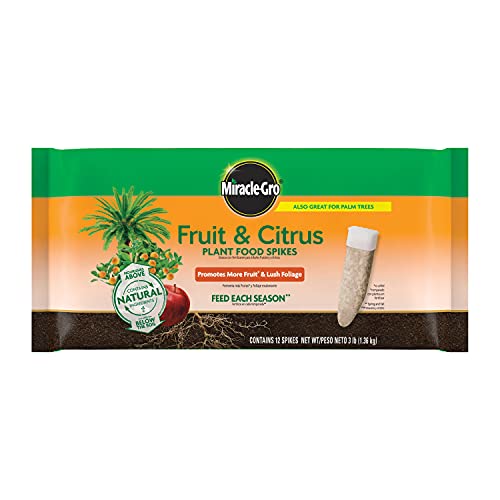
FORMULATED FOR CITRUS AND FRUIT TREES: Use these citrus fertilizer spikes on apple, orange, lemon, lime, and avocado trees; this formula is also great for feeding palm trees

Package contains 9 fruit and citrus fertilizer spikes and is produced to avoid wasteful runoff, mess, hazards and smells
Watering
Water your grapefruit tree consistently, keeping the soil evenly moist but not waterlogged. Here’s a simple watering guide to help you maintain the right moisture levels:
- Frequency: Water your tree deeply about once a week, especially during the growing season.
- Watering Technique: Ensure the water reaches the root zone by watering slowly to allow for proper absorption.
- Checking Moisture: Use your finger to check the top few inches of soil – if it feels dry, it’s time to water.
- Drainage: Make sure your container has adequate drainage holes to prevent waterlogging, which can harm the roots.
Fertilizing
Fertilizing your grapefruit tree provides the essential nutrients it needs to thrive and bear fruit. Follow these tips for effective fertilization:
- Fertilizer Type: Use a balanced citrus fertilizer or a slow-release fertilizer specifically formulated for citrus plants.
- Application Timing: Fertilize your tree in late winter or early spring before new growth starts and again in late spring to early summer.
- Quantity: Follow the fertilizer’s packaging instructions to avoid over-fertilization, which can damage the tree.
- Application Method: Spread the fertilizer evenly around the tree’s drip line – the outer edge of the tree’s canopy.
By following these watering and fertilizing guidelines, you’ll provide your grapefruit tree with the care it needs to thrive and reward you with delicious, home-grown grapefruits.
Pruning and Maintenance
To ensure your grapefruit tree thrives in a container, proper pruning and maintenance are crucial. Here’s what you need to do:
1. Pruning Techniques
Trimming your grapefruit tree is essential for its health and fruit production. Follow these pruning techniques:
- Regular Pruning: Trim back any dead or overgrown branches to promote new growth.
- Thinning: Remove excess branches to allow sunlight and air circulation, aiding in fruit development.
- Shaping: Prune to maintain a balanced shape and encourage healthy growth.
2. Pruning Schedule
It’s best to prune your grapefruit tree during the dormant season, typically in late winter or early spring. Avoid heavy pruning during the growing season to prevent stress on the tree.
3. Maintenance Tips
Proper maintenance practices will keep your grapefruit tree in top condition:
- Fertilization: Feed your tree with a balanced citrus fertilizer according to the manufacturer’s instructions.
- Watering: Ensure consistent watering, allowing the soil to dry slightly between waterings.
- Pest Control: Monitor for pests regularly and treat any infestations promptly.
- Winter Care: Protect your tree from frost by moving it to a sheltered area or covering it during cold spells.
4. Monitoring Growth
Regularly check your grapefruit tree for signs of nutrient deficiencies, pests, or diseases. Address any issues promptly to maintain the tree’s health and productivity.
By implementing these pruning and maintenance strategies, you’ll support the growth of a healthy grapefruit tree in a container, leading to a fruitful harvest of delicious citrus at home.
Harvesting the Fruit
When it comes to harvesting grapefruits from your container-grown tree, timing is crucial for achieving the perfect balance of sweetness and sourness in the fruit. You’ll know your grapefruits are ready to harvest when they are fully ripened and have reached a desirable size based on the variety you’re growing.
To ensure you’re picking your grapefruits at the optimal time, keep an eye on their color and firmness. A ripe grapefruit will have a bright color (depending on the variety), and it should feel firm but slightly give when gently squeezed.
- Check Ripeness: Inspect the color and firmness of the grapefruits to determine their ripeness.
- Use Pruning Shears: When the fruit is ready, use pruning shears to cut the grapefruit from the tree. Make sure to leave a short stem attached to the fruit.
- Handle with Care: Handle the harvested grapefruits gently to prevent any damage to the fruit or the tree.
- Storage: Store the harvested grapefruits in a cool, dry place if you’re not consuming them immediately. They can typically be kept at room temperature for a few days or refrigerated for longer storage.
By harvesting your grapefruits at the right time and with proper care, you’ll be able to enjoy the fruits of your labor and savor the fresh, home-grown flavors of your container-grown grapefruit.
Conclusion
Growing a grapefruit tree in a container is a rewarding experience that allows you to enjoy fresh, homegrown fruit right at your fingertips. By following the proper planting, care, and harvesting techniques outlined in this article, you can nurture a healthy grapefruit tree and savor the fruits of your labor. Remember to select the right container, choose the suitable grapefruit variety, and provide the necessary maintenance to ensure your tree thrives. With a little effort and attention to detail, you can create a flourishing mini orchard in your own home. So, roll up your sleeves, grab your gardening tools, and start cultivating your very own grapefruit tree today. Happy planting!
Frequently Asked Questions
Can I grow a grapefruit tree in a container at home?
Yes, you can grow a grapefruit tree in a container at home. Choose a large container with good drainage, plant a dwarf grapefruit variety, and use well-draining soil mix.
How do I water and fertilize a grapefruit tree in a container?
Water your grapefruit tree regularly, allowing the soil to dry slightly between waterings. Fertilize with a balanced citrus fertilizer every 6-8 weeks during the growing season.
When should I prune my grapefruit tree in a container?
Prune your grapefruit tree in late winter or early spring before new growth emerges. Remove dead, damaged, or crossing branches for optimal tree health.
How do I harvest grapefruits from a container-grown tree?
Harvest grapefruits when they are fully colored, firm, and easy to detach from the tree. Use sharp pruning shears to cut the fruit from the stem without damaging the tree.
How do I store harvested grapefruits properly?
Store harvested grapefruits in a cool, dark place with good ventilation. They can also be stored in the refrigerator for extended freshness.
