

Are pesky worms feasting on your grapefruit tree, leaving a trail of destruction in their wake? Picture this: you eagerly anticipate a bountiful harvest, only to find your fruits riddled with unwanted guests. Fret not, as we’ve got you covered! In this article, you’ll discover simple yet effective methods to rid your grapefruit tree of these voracious intruders.
By learning how to combat worms munching on your grapefruit tree, you’ll not only protect your harvest but also ensure the health and vitality of your beloved tree. Say goodbye to the frustration of seeing your fruits ruined and hello to a thriving, worm-free garden. Stay tuned to uncover practical solutions that will have you enjoying your grapefruits in peace once again.
Key Takeaways
- Understand the behavior of worms on grapefruit trees to implement targeted pest management strategies.
- Identify common types of worms that attack grapefruit trees, such as citrus root weevils and citrus leafminers.
- Utilize natural pest control methods like introducing beneficial insects, using neem oil spray, and applying diatomaceous earth barriers.
- Consider chemical solutions like insecticidal soaps, horticultural oils, systemic insecticides, and pyrethroid insecticides for eradicating worms effectively.
- Implement preventive measures such as regular inspection, cleanliness in the orchard, encouraging beneficial insects, neem oil spray application, and proper watering/fertilization to protect grapefruit trees from future worm infestations.
Understanding the Behavior of Worms on Grapefruit Trees
To effectively combat worms infesting your grapefruit trees, it’s crucial to understand the behavior of these pests. By grasping their habits and patterns, you can deploy targeted strategies to eradicate them and protect your fruit harvest.
Feeding Habits of Worms: Worms, such as citrus peelminer larvae, typically feed on the leaves, fruits, and young twigs of grapefruit trees. They create tunnels and burrow into the fruit, causing damage and reducing the overall quality of the grapefruits.
Life Cycle of Worms: Understanding the life cycle of worms is essential for successful pest control. Worms go through various stages from egg to larva and adult. By disrupting their life cycle at the right time, you can prevent further infestations.
Preferred Climatic Conditions: Worms thrive in warm and humid environments, which are ideal for grapefruit tree growth as well. Monitoring weather conditions can help predict infestation periods and allow for proactive measures to be taken.
Behavioral Patterns: Worms show specific behaviors such as feeding at night or seeking shelter during the day. Observing these patterns can help in timing pesticide applications for maximum effectiveness.
Interaction with the Tree: Understanding how worms interact with the grapefruit tree, such as their entry points and movement within the tree canopy, can help in targeting control methods to specific areas.
By familiarizing yourself with the behavior of worms on grapefruit trees, you’ll be better equipped to implement precise and efficient pest management strategies. In the following sections, we will explore practical solutions to eliminate these pests and safeguard your grapefruit harvest.
Identifying the Types of Worms That Attack Grapefruit Trees
To effectively combat worms infesting your grapefruit trees, it’s crucial to identify the specific types of worms causing harm to your fruits. Understanding the characteristics of these pests can help you implement targeted strategies for pest control. Here are the common types of worms that may attack your grapefruit trees:
- Citrus Root Weevils: These pests pose a significant threat to grapefruit trees by feeding on the roots, leading to stunted growth and decline in tree health. Look for adult weevils with elongated snouts and dark bodies around the base of the tree.
- Citrus Leafminers: These worms damage grapefruit trees by tunneling into the leaves, causing characteristic serpentine patterns. Keep an eye out for the larval stage of leafminers, which are small, pale larvae that feed within the leaf tissues.
- Citrus Cutworms: Cutworms can harm grapefruit trees by feeding on the foliage and fruit, leading to extensive damage. Identify these worms by their smooth bodies and nocturnal feeding habits.
- Citrus Flatid Planthoppers: These pests are known for their honeydew secretion, which promotes the growth of black sooty mold on grapefruit trees. Look for flatid planthoppers with unique wing patterns and a tendency to hop when disturbed.
- Citrus Bud Mites: These tiny pests attack grapefruit trees by feeding on the buds, causing distortion and malformation of new growth. Check for signs of bud mite infestation, such as deformed leaves and stunted shoots.
By familiarizing yourself with the characteristics and behaviors of these common worms, you can take proactive measures to protect your grapefruit trees from infestations. In the following sections, we’ll delve into practical strategies to control and eliminate these pests, ensuring a bountiful grapefruit harvest.
Natural Pest Control Methods for Eliminating Worms on Grapefruit Trees
When dealing with worms infesting your grapefruit trees, it’s essential to employ natural pest control methods that effectively eliminate these nuisances. By avoiding harsh chemicals and opting for environmentally friendly solutions, you can protect your trees while maintaining a healthy ecosystem in your garden. Here are some practical strategies to combat worms on your grapefruit trees:
Recommended Products
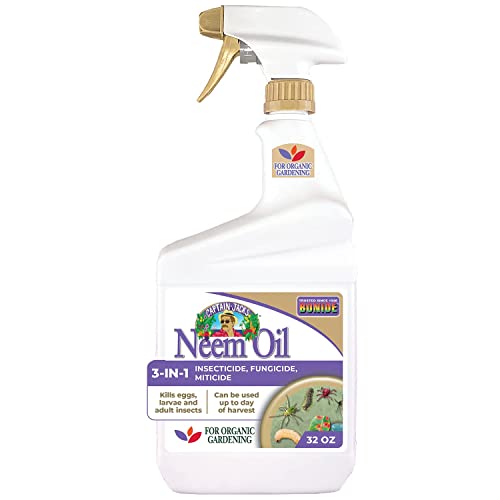
MULTI-PURPOSE BUG KILLER - Bonide Neem Oil is a perfect pest control solution for any garden dealing with mites, flies, mildew, and more. This product is a three-in-one fungicide, miticide, and insecticide.

Protect your oasis with Captain Jack’s Neem Max Ready-to-Use Spray; this multipurpose product acts as a 4-in-1 insecticide, fungicide, miticide and nematicide

INSECT KILLER: BioAdvanced Organics Brand Neem Oil spray controls aphids, whiteflies, spider mites, and other listed pests
1. Introduce Beneficial Insects:
Consider introducing beneficial insects like ladybugs, lacewings, or parasitic wasps to your garden. These insects are natural predators of many worm species and can help control infestations without harming your grapefruit trees.
2. Neem Oil Spray:
Create a neem oil spray by mixing neem oil with water and a small amount of mild soap. This natural insecticide can deter worms and other pests from feasting on your grapefruit trees without posing a threat to beneficial insects.
3. Diatomaceous Earth Barrier:
Sprinkle food-grade diatomaceous earth around the base of your grapefruit trees. This powdery substance is effective at deterring worms and other crawling insects by dehydrating their exoskeletons.
4. Manual Removal:
Regularly inspect your grapefruit trees for worms and larvae. If you spot any, gently remove them by hand and dispose of them properly. This hands-on approach can help control small infestations before they escalate.
5. Floating Row Covers:
Use floating row covers to protect your grapefruit trees from worms while allowing sunlight and water to reach the plants. These covers act as physical barriers, preventing worms from reaching the trees.
6. Beneficial Nematodes:
Introduce beneficial nematodes to the soil around your grapefruit trees. These microscopic organisms prey on various soil-dwelling pests, including worm larvae, helping reduce infestations naturally.
7. Kaolin Clay Applications:
Apply a kaolin clay solution to your grapefruit trees. This natural clay forms a protective barrier on the leaves, deterring worms and other insects while still allowing the tree to photosynthesize effectively.
By incorporating these natural pest control methods into your grapefruit tree care routine, you can effectively combat worms and safeguard the health of your trees. Remember to monitor your trees regularly and adjust your pest control strategies as needed to ensure a bountiful harvest.
Chemical Solutions for Eradicating Worms on Grapefruit Trees
When dealing with worms infesting your grapefruit trees, chemical solutions can be an effective way to combat these pests. Here, we’ll explore some chemical options that can help you eradicate worms on your grapefruit trees effectively.
Recommended Products

PEST DEFENSE - Insecticidal Super Soap controls species of adelgid, ant, aphid, borer, caterpillar, spider mite, cricket, chinch bug, weevil, fly, thrip, & more. OUTDOOR USE...
1. Insecticidal Soaps
Insecticidal soaps are a common and effective treatment for worms on grapefruit trees. These soaps work by suffocating the pests, ultimately leading to their demise. You can easily find insecticidal soaps at your local gardening store or nursery.
2. Horticultural Oils
Horticultural oils are another excellent option for controlling worms on grapefruit trees. These oils work by coating the pests and disrupting their cell membranes, ultimately killing them. Make sure to follow the manufacturer’s instructions when applying horticultural oils to your grapefruit trees.
3. Systemic Insecticides
Systemic insecticides are chemicals that are absorbed by the plant and distributed throughout its tissues. This type of insecticide can be useful for targeting worms that may be hidden or difficult to reach on your grapefruit trees. However, it’s essential to use systemic insecticides with caution and follow the instructions carefully.
4. Pyrethroid Insecticides
Pyrethroid insecticides are synthetic chemicals that are effective in controlling a wide range of pests, including worms on grapefruit trees. Be sure to read the labels and use pyrethroid insecticides as directed to ensure the safety of your grapefruit trees.
By considering these chemical solutions, you can effectively eliminate worms on your grapefruit trees and protect their health for a bountiful harvest. Remember to always follow the instructions on the product labels and take necessary precautions when using chemical treatments on your fruit trees.
Preventive Measures to Protect Grapefruit Trees from Future Worm Infestations
To ensure your grapefruit trees remain healthy and free from worm infestations, here are essential preventive measures you can take:
Recommended Products

PLANT DISEASE CONTROL: Natria Neem Oil acts as an insecticide and fungicide in one convenient spray; Ready-to-use trigger sprayer requires no mixing

Control diseases and insects in your garden with Captain Jack’s Fruit Tree Spray Concentrate! Use on a variety of listed fruits, nuts and citrus plants.

Protect your oasis with Captain Jack’s Neem Max Ready-to-Spray solution; this multipurpose product acts as a 4-in-1 insecticide, fungicide, miticide and nematicide
Regular Inspection and Pruning
Inspect your grapefruit trees regularly for any signs of pests or worms. Prune away damaged or infested branches to prevent the spread of worms and maintain tree vigor.
Cleanliness in the Orchard
Keep the area around your grapefruit trees clean and free from fallen fruits and debris. This prevents hiding spots for pests and reduces the likelihood of worm infestations.
Beneficial Insects
Encourage the presence of beneficial insects like ladybugs and lacewings in your orchard. These insects help naturally control pest populations, including worms, without the need for chemical interventions.
Neem Oil Spray
Apply neem oil spray as a preventive measure against worms. Neem oil acts as a natural insecticide and repels pests, safeguarding your grapefruit trees from infestations.
Proper Watering and Fertilization
Maintain proper watering and fertilization practices for your grapefruit trees. Healthy trees are better equipped to withstand pest attacks, including worm infestations.
Physical Barriers
Use physical barriers like tree wraps or trunk guards to protect your grapefruit trees from crawling insects and worms that may cause damage to the tree bark.
Soil Health Management
Focus on maintaining the health of the soil around your grapefruit trees. Healthy soil promotes strong root systems, which in turn support the tree’s overall health and resilience against pests.
By implementing these preventive measures, you can effectively safeguard your grapefruit trees from future worm infestations and enjoy a bountiful harvest of delicious fruits. Remember, proactive care is key to maintaining the health and vitality of your orchard.
Conclusion
You’ve learned valuable strategies to combat worm infestations in your grapefruit trees. By understanding worm behavior and implementing preventive measures like regular inspection, beneficial insects, and neem oil spray, you can protect your trees effectively. Remember to maintain cleanliness, proper watering, and soil health to ensure a thriving harvest. With these techniques, you can safeguard your grapefruit trees, promote tree health, and enjoy a bountiful harvest. Stay proactive in managing worm infestations to preserve the beauty and productivity of your grapefruit trees.
Frequently Asked Questions
What are the common methods to control worm infestations in grapefruit trees?
To control worm infestations in grapefruit trees, you can use natural methods like introducing beneficial insects, applying neem oil spray, ensuring cleanliness, and maintaining soil health. Chemical methods like applying insecticidal soap or Bt (Bacillus thuringiensis) are also effective at controlling worms.
How can I prevent worm infestations in my grapefruit trees?
Prevent worm infestations by regularly inspecting your trees for any signs of pests, maintaining cleanliness in your orchard, using physical barriers like tree wraps, practicing proper watering techniques, and enhancing soil health through composting and mulching.
Why is it important to control worm infestations in grapefruit trees?
Controlling worm infestations in grapefruit trees is crucial to maintaining tree health, preventing damage to fruits, ensuring a successful harvest, and promoting the overall well-being of your orchard. Infestations can weaken trees, reduce fruit quality, and impact your harvest yield negatively.
Are natural methods safer than chemical methods for controlling worm infestations?
Natural methods for controlling worm infestations in grapefruit trees are generally safer for the environment, beneficial insects, and the overall ecosystem. However, chemical methods can be effective when used correctly and according to the manufacturer’s instructions. It is essential to weigh the pros and cons of each method before selecting the most suitable one for your orchard.
