

Ever wondered what’s been nibbling away at your grapefruit tree in the garden? You’re not alone. Picture this: you wake up one morning, excited to pick some fresh, juicy grapefruits, only to find some of the leaves missing or half-eaten fruits hanging from the branches. Frustrating, right?
In this article, you’ll uncover the mystery behind what feasts on your beloved grapefruit tree. By understanding the culprits behind the damage, you’ll be equipped with the knowledge to protect your tree and ensure a bountiful harvest. Stay tuned to learn more about these sneaky garden visitors and how to keep them at bay.
Key Takeaways
- Insects like caterpillars, aphids, and citrus leaf miners pose a threat to grapefruit trees by feeding on leaves, shoots, and fruits.
- Rodents such as rats, squirrels, and birds like mockingbirds and jays can also damage grapefruit trees by nibbling on fruits or pecking at bark.
- Identifying pests through signs like chewed leaves, gnaw marks, or peck marks is crucial for implementing effective control measures.
- Preventive methods like pruning branches, using netting, applying pesticides, and installing fencing can help protect grapefruit trees from pests.
- Welcoming natural predators such as ladybugs, birds, praying mantises, and spiders can assist in biological pest control for grapefruit trees.
- Diseases like citrus canker, citrus black spot, root rot, greasy spot, and melanose can also harm grapefruit trees, emphasizing the importance of good tree hygiene and monitoring for infections.
Overview of Grapefruit Trees
When it comes to grapefruit trees in your garden, understanding what eats them is crucial for protecting your harvest. Let’s delve into the common culprits that may be enjoying your grapefruit tree more than you do.
Common Eaters of Grapefruit Trees
- Insects:
Insects, such as caterpillars, aphids, and citrus leaf miners, can wreak havoc on your grapefruit tree by feeding on the leaves, shoots, and fruits. - Rodents and Birds:
Rodents like rats and squirrels, along with birds such as mockingbirds and jays, are known to nibble on grapefruits or peck at the tree’s bark. - Deer:
In regions with deer populations, these animals can cause significant damage by feasting on both the leaves and fruits of grapefruit trees.
Identifying the Culprit
To determine the pest causing damage to your grapefruit tree, look for specific signs. Insects leave chewed leaves or sticky honeydew residue, while rodents may leave behind gnaw marks or droppings near the tree. Birds often leave peck marks on the fruits.
Prevention and Control Methods
Protecting your grapefruit tree from these hungry visitors is essential for a successful harvest. Consider these preventive measures:
- Prune Branches: Regularly trim branches to reduce access points for pests and make the tree less inviting.
- Use Netting: Cover your tree with bird netting to prevent birds from reaching the fruits.
- Apply Pesticides: Consider using organic or chemical pesticides to control insect populations on your grapefruit tree.
- Fencing: Install a fence around your garden to deter larger animals like deer from reaching your grapefruit tree.
By understanding what eats grapefruit trees and taking proactive steps to protect your tree, you can enjoy a bountiful harvest of delicious grapefruits. Stay vigilant, and your tree will thrive under your care.
Natural Predators of Grapefruit Trees
To protect your grapefruit trees from pests, it’s crucial to understand their natural predators. These predators can help keep pest populations in check, contributing to the overall health of your trees. Here are some common predators you might want to welcome into your garden:
- Ladybugs: These colorful insects are voracious eaters of aphids, mealybugs, and other soft-bodied pests that can damage your grapefruit trees. Encouraging ladybugs in your garden can be beneficial for natural pest control.
- Birds: Birds like orioles, mockingbirds, and warblers feed on insects that can harm your grapefruit trees. Providing birdhouses and bird feeders can attract these feathered friends to help manage pest populations.
- Praying Mantises: Known for their distinctive appearance and predatory behavior, praying mantises feed on a variety of insects, including caterpillars and beetles that may target your grapefruit trees.
- Green Lacewings: These delicate insects consume aphids, spider mites, and other pests that pose a threat to your trees. Adding plants that attract green lacewings can help maintain a natural balance in your garden.
- Ground Beetles: Ground beetles are nocturnal predators that prey on soil-dwelling pests such as slugs, snails, and caterpillars. Having these beetles around can help protect the roots of your grapefruit trees.
- Spiders: While some may fear them, spiders play a crucial role in controlling insect populations in the garden. They feed on a wide range of pests and contribute to keeping your grapefruit trees healthy.
By creating a welcoming environment for these natural predators, you can harness the power of biological pest control to safeguard your grapefruit trees. Remember, fostering biodiversity in your garden is key to establishing a harmonious ecosystem that benefits both your trees and the environment.
Recommended Products

Kills lady beetles when spray dries - The spray will kill once completely dried and continues to kill Asian lady beetles weeks after application

Plant-Based Pest Protection: Helps protect plants from common pests including gnats, spider mites, aphids, fungus issues, and other plant-damaging insects using plant-based ingredients.
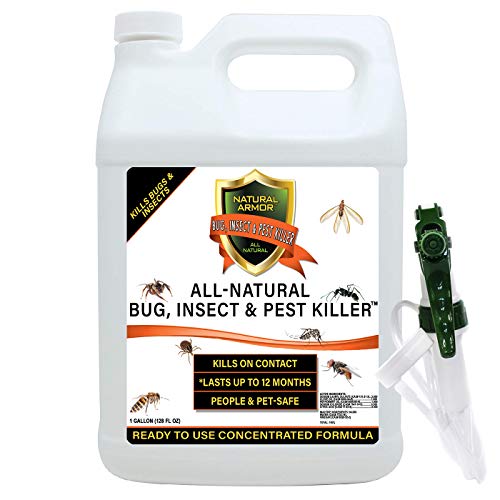
REPELS FAST FOR UP TO 12 MONTHS- Ants, Bed Bugs, Cockroaches, Dust Mites, Earwigs, Fleas, Roaches, Spiders, Stink Bugs, Ticks & Common Household Bugs
Diseases Affecting Grapefruit Trees
Pests are not the sole threat to your grapefruit trees; diseases can also wreak havoc on these citrus plants. Fungal and bacterial infections are common culprits that can weaken the trees and reduce fruit production.
Some diseases you should watch for include:
- Citrus Canker: This bacterial disease causes lesions on leaves, stems, and fruit, leading to defoliation and fruit drop. It spreads through wind-driven rain and human activity, so avoid working with infected trees when wet.
- Citrus Black Spot: A fungal disease that forms black spots on fruit, reducing its market value. Ensure good air circulation to prevent this disease as it thrives in humid conditions.
- Root Rot: Excessive soil moisture can lead to root rot, causing leaves to wilt and die back. Improve drainage around the tree to prevent waterlogging.
- Greasy Spot: This fungal disease manifests as yellow-brown raised spots on leaves. Rake and dispose of fallen leaves to reduce the chances of infection.
- Melanose: Characterized by raised, dark, sunken lesions on fruit, melanose can reduce the fruit’s quality. Prune infected branches and promote tree vigor to prevent its spread.
To protect your grapefruit trees from diseases, maintain good tree hygiene, prune properly, provide adequate nutrition, and monitor any signs of infection closely.
By being proactive and implementing preventive measures, you can safeguard your grapefruit trees from diseases, ensuring a bountiful harvest of healthy fruit.
Recommended Products

3-in-1 FORMULA: Aphid spray for outdoor plants for use on roses, flowers, shrubs and trees to control listed insects, disease and mites
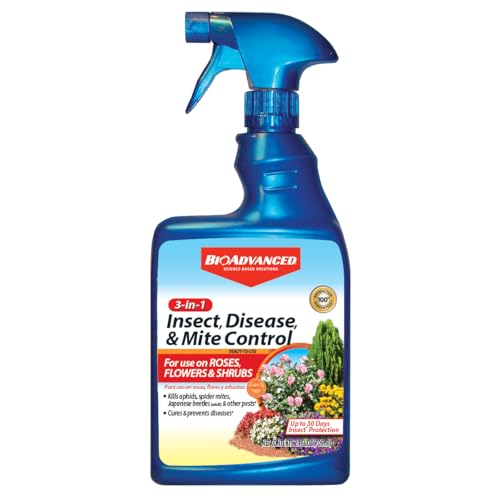
INSECT KILLER: Army worm killer. Also kills insects such as Aphids, Spider Mites, Japanese Beetles, Caterpillars, and other listed insects

Protect your garden with Fruit Tree & Plant Guard from Bonide! Fruit Tree & Plant Guard is effective in controlling a wide range of fungal diseases and insects.
Pesticides and Pest Control for Grapefruit Trees
When it comes to protecting your grapefruit trees from pests and diseases, having a solid plan for pesticide application and pest control is crucial. Here’s how you can effectively manage pests and keep your grapefruit trees healthy:
Recommended Products

Control diseases and insects in your garden with Captain Jack’s Fruit Tree Spray Concentrate! Use on a variety of listed fruits, nuts and citrus plants.

TRIPLE PROTECTION FORMULA: 3-in-1 solution kills listed insects, controls listed diseases, and controls listed mites with one easy application

KILLS LISTED FRUIT & CITRUS TREE INSECTS: Controls Asian Citrus Psyllid, Whiteflies, Aphids Thrips, Citrus Leafminers, Leafhoppers, Blackfly, Mealybugs, Scales, Avocado Lacebugs, Oriental Beetles, Flea Beetles, Sharpshooters, and Spittlebugs
Understanding Pesticides
Pesticides are chemicals specifically designed to target and control pests that can harm grapefruit trees. It’s essential to choose the right pesticide for the specific pests you’re dealing with. Always read and follow the instructions on the pesticide label carefully to ensure safe and effective application.
Integrated Pest Management (IPM)
Implementing an Integrated Pest Management (IPM) approach can help minimize pesticide use while effectively controlling pests. IPM combines biological, cultural, physical, and chemical tools to manage pests in a sustainable and environmentally friendly manner.
Proper Application Techniques
When applying pesticides to your grapefruit trees, make sure to follow the recommended application rates and timings. Apply pesticides when the weather conditions are ideal for maximum effectiveness. Always wear protective gear and consider using natural alternatives to synthetic pesticides when possible.
Beneficial Insects
Encouraging beneficial insects like ladybugs, lacewings, and parasitic wasps to thrive in your garden can help naturally control pest populations. These insects prey on common grapefruit tree pests, reducing the need for pesticides.
Regular Monitoring
Regularly inspect your grapefruit trees for any signs of pest infestation or disease. Early detection allows for prompt action, preventing further damage to your trees. Monitor the effectiveness of your pesticide applications and adjust your pest control strategies accordingly.
Consultation with Experts
In case of severe pest infestations or diseases that are challenging to manage, consider seeking advice from agricultural extension services or certified arborists. They can provide tailored guidance on effective pest control strategies and help preserve the health of your grapefruit trees.
By implementing a comprehensive pest management plan that includes judicious pesticide use, natural pest control methods, and proactive monitoring, you can safeguard your grapefruit trees from pests and diseases, ensuring a bountiful harvest of delicious fruit.
Conclusion
Protecting your grapefruit trees from pests is crucial for a successful harvest. By understanding the threats posed by insects, rodents, birds, and deer, you can take proactive measures to safeguard your trees. Incorporating natural predators and beneficial insects into your pest management strategy can help maintain a healthy balance in your orchard. Remember to adopt Integrated Pest Management practices, utilize pesticides judiciously, and regularly monitor your trees for signs of infestation. Seeking guidance from experts in the field can provide valuable insights for preserving the health and productivity of your grapefruit trees. With a well-rounded approach to pest control, you can enjoy bountiful yields and thriving trees for years to come.
Frequently Asked Questions
What are common pests that can harm grapefruit trees?
Insects, rodents, birds, and deer are common pests that can harm grapefruit trees.
How can pests be controlled naturally?
Natural predators can be introduced for biological pest control to manage pests on grapefruit trees.
What is Integrated Pest Management (IPM)?
Integrated Pest Management (IPM) is a holistic approach that combines biological, cultural, physical, and chemical tools to manage pests effectively.
Why is regular monitoring important for pest management?
Regular monitoring helps in early pest detection and timely implementation of control measures to protect grapefruit trees.
How can I protect grapefruit trees from pests and diseases?
Proper application of pesticides, use of beneficial insects, seeking expert advice, and implementing a comprehensive pest management plan are essential to protect grapefruit trees.
