

Wondering when to prune your nectarine tree for optimal growth and fruit production? Picture this: you’re gazing at your nectarine tree, unsure if it’s the right time to grab those pruning shears. Timing is key when it comes to nurturing your tree for a bountiful harvest.
In this article, you’ll discover the best time to prune your nectarine tree to promote healthy development and maximize fruit yield. By understanding the timing and techniques of pruning, you’ll set your tree up for success all year round. Let’s explore the seasonal secrets to keeping your nectarine tree thriving.
Key Takeaways
- Prune a nectarine tree during the dormant season, ideally in late winter to early spring, to promote faster healing, minimize stress, and encourage robust growth.
- Use sharp and clean tools like pruning shears to prevent damage to branches and potential disease transmission during pruning.
- Remove dead, damaged, or diseased branches from the tree to maintain aesthetics, prevent pest infestations, and promote overall tree health.
- Shape the canopy of the nectarine tree to allow sunlight penetration and air circulation, focusing on maintaining an open center and eliminating crossing or crowded branches.
- Avoid overpruning to prevent weakening the tree and reducing fruit production; aim to remove no more than 20-30% of the canopy annually.
- After pruning, clean up debris around the tree, apply mulch to retain moisture, and ensure adequate watering to support recovery and new growth.
Understanding the Basics of Pruning a Nectarine Tree
Pruning a nectarine tree is vital to ensure its growth and productivity. Here’s a breakdown of the essential aspects you need to know to effectively prune your nectarine tree:
Timing is Crucial
The best time to prune a nectarine tree is during its dormant season, which typically falls in late winter to early spring. Pruning during this period helps the tree heal faster and minimizes stress on the tree, setting it up for robust growth in the upcoming season.
Tools of the Trade
When pruning your nectarine tree, make sure to use sharp and clean tools such as pruning shears or loppers. Dull tools can damage the branches, leading to slower healing and potential disease transmission. Keep your tools well-maintained to ensure clean cuts and promote the tree’s health.
Removing Dead and Diseased Branches
Start by removing any dead, damaged, or diseased branches from the tree. These branches not only affect the tree’s aesthetics but can also harbor pests and diseases that may spread to the healthy parts of the tree. Cut these branches back to the main trunk or a healthy lateral branch.
Shaping for Optimal Growth
Pruning nectarine trees involves shaping the canopy to allow sunlight penetration and adequate air circulation. This helps prevent disease by promoting rapid drying of the foliage after rain or watering. Focus on maintaining an open center and removing any crossing or crowded branches to encourage healthy growth.
Avoiding Overpruning
While pruning is essential, overpruning can weaken the tree and reduce fruit production. Aim to remove no more than 20-30% of the tree’s canopy each year to prevent stress and maintain a balance between vegetative growth and fruit production.
Final Touches
After pruning, ensure to clean up the area around the tree to remove any fallen debris. Applying a layer of mulch around the base of the tree helps retain moisture and suppresses weed growth. Remember to water the tree adequately after pruning to support its recovery and new growth.
By following these basic principles of pruning, you can help your nectarine tree thrive and yield bountiful harvests season after season.
Factors to Consider Before Pruning
When considering pruning your nectarine tree, several factors play a crucial role in ensuring that the process is effective and beneficial for the tree’s health and fruit production. By taking these factors into account, you can maximize the benefits of pruning and help your nectarine tree thrive. Here are essential considerations before you start pruning:
- Current Season:
- Pruning during the dormant season, typically in late winter to early spring, is ideal for nectarine trees. Avoid pruning during periods of active growth to minimize stress on the tree and promote healthy regrowth.
- Weather Conditions:
- Check the weather forecast before pruning to ensure stable conditions. Pruning during dry days is preferable to prevent diseases from entering fresh cuts. Avoid pruning during rainy or excessively humid periods.
- Tree Age and Health:
- Assess the age and overall health of the tree before pruning. Older trees may require different pruning techniques compared to younger ones. Remove dead, damaged, or diseased branches while promoting new growth.
- Pruning Goals:
- Determine your pruning objectives, whether it’s shaping the tree, improving sunlight penetration, or increasing fruit production. Tailor your pruning approach based on these specific goals to achieve desired results.
- Tools and Equipment:
- Ensure you have the necessary tools in good condition for pruning, such as sharp and clean pruning shears, loppers, and a pruning saw. Sharp tools make clean cuts, reducing the risk of damage and disease.
- Pruning Techniques:
- Familiarize yourself with proper pruning techniques for nectarine trees. Cut at a slight angle above a bud and avoid leaving stubs. Thin out excessive growth and maintain an open center for better air circulation.
- Post-Pruning Care:
- After pruning, monitor the tree for any signs of stress or disease. Provide adequate water, sunlight, and nutrients to support the tree’s recovery and encourage new growth. Mulch around the base of the tree to retain moisture.
By considering these factors before pruning your nectarine tree, you can approach the process strategically and effectively, promoting the tree’s overall health and maximizing fruit yield. Remember to observe best practices, stay attentive to the tree’s needs, and enjoy the rewards of a well-maintained nectarine tree in your garden.
Recommended Products

PROFESSIONAL GARDENING GRAFTING TOOLS: Including 2 in 1 grafting pruning tools, 3 replaceable blades, a grafting knife, a screwdriver, a wrench, 2 grafting films, 160 rubber bands, 40 wide rubber bands, and 50 colorful tag cards

Heat-Treated Serrated Saw Blade: 8" saw blade designed for efficient cutting of branches and tough materials, ensuring sharpness and durability.

CHOPS THROUGH 2-INCH BRANCHES EFFORTLESSLY: The compound action mechanism multiplies your cutting power for fast removal of dry, dead and woody growth. This anvil-style blade is built for the toughest preparatory cuts and cut-to-length work, making heavy-duty pruning dramatically easy through extra leverage.
Best Time of Year to Prune a Nectarine Tree
When it comes to pruning your nectarine tree, timing is crucial for its health and fruitful outcomes. The best time to prune a nectarine tree is in late winter to early spring, ideally before the buds start to break or when the tree is still dormant.
During this period, the tree is less vulnerable to diseases, and it allows for optimal healing of the pruning wounds. Pruning during late winter helps stimulate new growth and ensures that the tree will flourish during the upcoming growing season.
Avoid pruning your nectarine tree in late fall or early winter, as it can make the tree susceptible to frost damage and reduce its cold hardiness. Additionally, pruning during the summer months is not recommended as it can stress the tree during its active growth period.
Timing your pruning efforts correctly will not only benefit the tree’s overall health and growth but also enhance the quality and quantity of fruit produced. Remember to use sharp tools, remove dead or diseased branches, and shape the tree appropriately for optimal fruit production.
Recommended Products

✂Multifunctional -2 in 1 Garden Grafting Tools-Professional grafting set allows you to pruning and grafting at the same time, saving more time and effort than traditional grafting methods, easy to use and more efficient. It allows you to trim away excess leaves and twigs and prepare the plants to be grafted. At the same time, you can make a precise cut into the grafting stock with the special grafting blade.

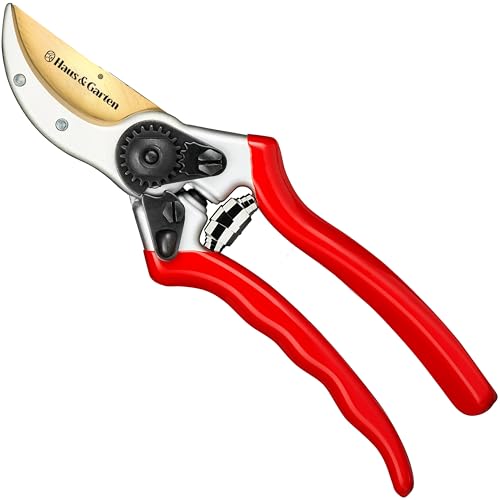
Sharp, Clean Cuts Every Time – Engineered from Japanese grade, high-carbon steel, ClassicPRO bypass pruning shears for gardening stay sharp and make precise cuts that encourage healthy growth and won’t damage your plants
Tools and Techniques for Pruning a Nectarine Tree
To effectively prune your nectarine tree during the optimal late winter to early spring period, you’ll need the right tools and techniques. Here’s what you require:
Recommended Products

2 in 1 Grafting Pruning Pliers: The sharp and durable stainless steel blade with a anti-skid handle allows you to cut scion and stock better

1” DIAMETER EASY CUTS - Classic Cut design for easy clean cutting up to 1” diameter branches

2-In-1 for Versatile Tree Cutting: This 2-in-1 pole pruner with saw combines sharp pruning shears for smaller branches and a durable saw blade for thicker limbs, making it a practical tree pruning tool for various cutting needs. Designed as a manual pole saw and pruner combination, it allows you to trim twigs and branches efficiently while reaching higher tree limbs from the ground, reducing tool changes and improving overall pruning efficiency.
Tools Needed:
- Pruning Shears: Ideal for cutting branches up to ¾ inch in diameter.
- Loppers: Use these for branches between ¾ inch and 1 ½ inches thick.
- Handsaw: For thicker branches that pruning shears or loppers can’t handle.
- Pruning Paint or Sealer: Helps protect larger cuts to prevent disease.
- Gloves: Protect your hands from thorns and branches.
- Safety Goggles: Essential when pruning to shield your eyes from debris.
- Identify Dead or Diseased Branches: Begin by cutting these back to healthy wood. Look for discoloration, damage, or lack of growth.
- Thin the Tree: Remove overcrowded or crossing branches to improve airflow and light penetration.
- Control the Tree’s Height: Cut back taller branches to maintain a manageable height for easier harvesting.
- Shape the Tree: Encourage an open center by removing branches that grow inward or downward.
- Prune for Fruit Production: Focus on creating a balance between vegetative growth and fruiting wood.
- Make Clean Cuts: Cut at a slight angle just above a bud to promote healthy healing and growth.
- Avoid Overpruning: Don’t remove more than 25% of the tree’s canopy to prevent stress.
By using these tools and techniques, you’ll be able to prune your nectarine tree effectively during the recommended period, leading to improved health, growth, and abundant fruit production. Remember to always maintain your tools, ensuring they are sharp and clean for precise cuts that promote the overall well-being of your tree.
Signs That Indicate It’s Time to Prune
Identifying the right time to prune your nectarine tree is crucial for its health and proper growth. Here are some signs that indicate it’s time to pick up your pruning tools:
- Dormant Season:
During late winter to early spring when your nectarine tree is dormant, it’s the ideal time to start pruning. Look for the period after the coldest part of winter, but before the tree begins active growth in spring. At this time, the tree is less susceptible to stress, making it the perfect window for pruning. - Blossom Appearance:
Keep an eye out for the first signs of blossoms on your nectarine tree. Once you start seeing flowers forming, it’s a good indicator that you can begin pruning. Pruning after the blossoms appear can help avoid cutting off potential fruit-bearing branches. - Diseased or Damaged Branches:
If you notice any dead, diseased, or damaged branches on your nectarine tree, it’s time to take action. Pruning these unhealthy branches helps prevent the spread of diseases and promotes new growth. Make clean cuts just above the branch collar to maintain tree health. - Overcrowded Branches:
When you see branches that are overcrowded or crossing over each other, it’s a signal that pruning is necessary. Thinning out the branches allows better air circulation and sunlight penetration, reducing the risk of diseases and promoting fruit development. - Excessive Growth:
If your nectarine tree is displaying vigorous and excessive growth, especially in areas you don’t want it to, it’s a sign that pruning is needed. Controlling the height and overall shape of the tree through pruning helps maintain its manageability and facilitates easy fruit harvesting.
By paying attention to these signs, you’ll be able to determine the right time to prune your nectarine tree effectively, ensuring its health, vitality, and fruitfulness.
Conclusion
Pruning your nectarine tree at the right time is key to its overall health and fruitfulness. By understanding the signs that indicate the optimal pruning time and following proper techniques, you can ensure your tree thrives and bears an abundance of fruit. Remember to consider factors like tree age, health, and your pruning goals when deciding when to prune. By observing the dormant season, blossom appearance, and the condition of branches, you can determine the ideal time for pruning. With the right tools and knowledge, you’ll be able to promote healthy growth and maximize fruit production from your nectarine tree. Happy pruning!
Frequently Asked Questions
When is the best time to prune a nectarine tree?
Prune your nectarine tree during the dormant season in late winter to early spring for optimal results.
What tools should I use for pruning a nectarine tree?
Use sharp and clean pruning tools like pruning shears or loppers to make precise cuts without causing damage to the tree.
How can I tell if a branch needs to be pruned?
Look for signs like dead, diseased, damaged, or overcrowded branches, as well as excessive growth, to identify branches that require pruning.
Why is it important to avoid overpruning a nectarine tree?
Overpruning can stress the tree, hinder fruit production, and compromise its overall health and growth.
What are the key factors to consider before pruning a nectarine tree?
Consider the tree’s age, health, growth goals, and the specific signs indicating the right timing for pruning.
