

Ever wondered if your goats could be eyeing those nectarine trees in your backyard? Picture this: you’re tending to your garden, and you notice your goats casting curious glances at your prized nectarine trees. What’s the deal with goats and nectarine trees? Can they peacefully coexist in your garden oasis?
Key Takeaways
- Goats are natural foragers and may nibble on nectarine tree leaves due to their browsing behavior.
- Ensure goats have enough roughage in their diet to prevent issues like bloating when they sample twigs and bark from trees.
- Limit feeding goats fruits with pits like nectarines to avoid choking hazards and be cautious of toxic plants.
- Implement physical barriers and provide alternative forage options to protect nectarine trees from potential damage by goats.
- Regularly monitor goats around nectarine trees, supervise their activities, and redirect their focus to maintain a harmonious environment.
Exploring Goats’ Diet
When it comes to goats’ diet, it’s essential to understand that these animals are natural foragers and will consume a wide variety of plants. Here’s what you need to know about what goats can and cannot eat when it comes to nectarine trees in your garden:
Recommended Products

Size: Deer netting size 7 feet x 100 feet; garden netting mesh size 3/4"; color: black; Easy to use accessories included: 10pcs installation nails & 50pcs cable ties

COMPLETE PROTECTION KIT - Professional-grade 7ft x 100ft deer netting with 3/4" fine mesh that effectively blocks deer, rabbits, birds, and small pests. Includes 10 metal landscape staples and 50 zip ties for immediate installation - everything you need in one package.

【Upgraded Garden Fence】 Classic arch shape design garden fencing single piece size height is 22 inches(5'' stakes in soil), length is 12.6 inches, and the fence gap is 1.9 inches, total 10 pieces of fence, overall length about 11 ft. Equipped with 11 Pcs height of 17 inches metal stakes. More convenient installation. This fence will be the best choice for your beautiful garden, yard & patio!
Goats’ Natural Foraging Behavior
Goats are known for their browsing behavior, meaning they enjoy eating leaves, twigs, and even bark from trees. They are curious creatures and may investigate nectarine trees in your garden out of sheer curiosity or if they are looking for additional food sources.
What Goats Can Eat
- Leaves: Goats can snack on a variety of leaves from different trees. They might nibble on nectarine tree leaves, but they typically prefer a mix of broadleaf plants like blackberry and raspberry bushes.
- Twigs and Bark: While goats might sample twigs and bark from trees, it’s crucial to ensure they have enough roughage in their diet to prevent issues like bloating.
What to Avoid Feeding Your Goats
- Fruits: Goats can eat fruits in moderation, but nectarines and other fruits with pits should be given sparingly due to the possibility of choking hazards.
- Toxic Plants: Be cautious with toxic plants like rhubarb, nightshade, or azaleas that can be harmful to goats. Always ensure they have access to safe vegetation.
Managing Goats Around Nectarine Trees
If you have nectarine trees in your garden and goats roaming around, consider creating physical barriers to protect your trees from being damaged. Additionally, offering a variety of suitable forage options for your goats can distract them from focusing on the nectarine trees.
By understanding your goats’ dietary needs and preferences, you can ensure they remain healthy and content while coexisting with your garden plants, including nectarine trees. Remember, providing a balanced diet and monitoring their interactions with plants will help maintain a harmonious environment for both your goats and your garden.
Understanding Nectarine Trees
Nectarine trees, like other fruit trees, are cherished for their delicious and juicy produce. These trees can enhance the beauty of your garden while providing a bountiful harvest. Understanding nectarine trees’ characteristics and needs is crucial for their proper care.
Nectarine Tree Overview
Nectarine trees belong to the Rosaceae family and are closely related to peach trees. They are renowned for their vibrant, glossy leaves and pink spring blossoms. These trees require well-drained soil, ample sunlight, and regular pruning to thrive and bear fruit. Nectarines are susceptible to certain pests and diseases, so regular monitoring and care are essential.
Nectarine Trees and Goats
When considering whether goats can eat nectarine trees, it’s important to acknowledge that goats are natural foragers with a diverse diet. While goats are known to graze on a variety of plants, including leaves and twigs, precautions must be taken when they are near fruit trees like nectarines.
Protecting Nectarine Trees from Goats
To safeguard your nectarine trees from potential damage by goats, consider implementing simple yet effective strategies:
- Physical Barriers: Erecting sturdy fences around the base of nectarine trees can prevent goats’ access and minimize the risk of them browsing on the leaves or fruits.
- Alternative Forage: Providing goats with suitable forage options such as grass, hay, and specific vegetation can divert their attention away from nectarine trees.
- Supervision: Monitoring the goats’ activities around nectarine trees ensures that they do not cause harm inadvertently.
By understanding the needs of nectarine trees and implementing proactive measures, you can maintain a harmonious balance between your beloved fruit trees and your curious goats.
Can Goats Safely Eat Nectarine Trees?
When it comes to your beloved goats and your nectarine trees, you may wonder if they can coexist harmoniously without any risks involved. Goats are known for their curious nature and tendency to nibble on various plants, including trees. However, nectarine trees can be delicate and need protection from potential damage caused by grazing goats.
To ensure the safety of both your goats and your nectarine trees, it’s essential to take preventive measures and be mindful of what your goats consume. While goats can eat many types of vegetation, including leaves and twigs, nectarine trees should be off-limits to prevent harm to the trees and potential digestive issues for the goats.
Here are some practical tips to help you manage your goats around nectarine trees:
Recommended Products

Humane Protection – Helps keep out hungry and destructive deer and other critters from your garden, protecting fruits, vegetables, and flowers. A practical and humane alternative to expensive metal fences, chemicals, and traps.

UPGRADED REINFORCED AND ENCRYPTED EDGES WITH ROPES: Quick installation with tangle-free setup, securely fastening to the ground or posts for enhanced protection. The 5/8” square mesh effectively restricts animal movement, providing safety for your garden, poultry, and pets

Highly Effective Deer & Animal Barrier: Specifically designed to deter deer and protect fruit trees & gardens from foraging. Also effectively keeps out rabbits, chickens, and other small to medium-sized animals. The deer fence netting is highly visible to wildlife, providing an effective psychological and physical barrier to safeguarding your plants, vegetables, fruit trees, flower beds and orchards
Erect Physical Barriers
Installing fences or barriers around your nectarine trees can prevent goats from accessing them. This physical separation ensures that your trees remain undisturbed while allowing your goats to roam freely without causing any damage.
Provide Alternative Forage
Offering a variety of suitable forage options for your goats can divert their attention away from the nectarine trees. By providing ample grazing areas with safe and nutritious plants, you can satisfy your goats’ natural browsing instincts and reduce the temptation to munch on tree leaves.
Supervise Goats Around Nectarine Trees
Regularly monitoring your goats when they are near the nectarine trees can help prevent any unwanted interactions. By keeping a close eye on their behavior and redirecting their focus when needed, you can ensure that your trees remain unharmed and your goats stay healthy.
By implementing these strategies and being proactive in managing your goats around nectarine trees, you can create a safe and enjoyable environment for both your livestock and your fruit trees. Remember, a little precaution can go a long way in fostering a harmonious relationship between your goats and your garden.
Alternatives to Nectarine Trees for Goats
When it comes to keeping your goats away from nectarine trees, it’s essential to provide them with suitable alternatives to munch on. Goats are known for their love of browsing and grazing, so offering them other vegetation can help divert their attention from your delicate nectarine trees. Here are some suitable alternatives to consider:
Recommended Products

Blue, muzzle made of heavy-duty Cordura material and vinyl coated mesh
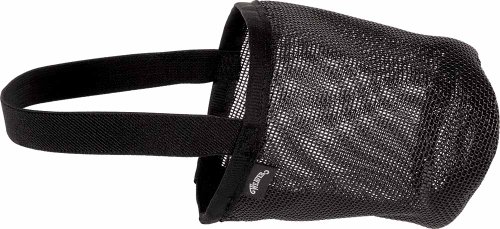
Black, muzzle is designed to prevent animal from eating bedding and chewing

Purple, muzzle made of heavy-duty Cordura material and vinyl coated mesh
1. Grazing Zones
Set up dedicated areas with lush grass or pasture where your goats can freely graze. By designating specific grazing zones, you can control their access to vegetation and steer them away from your nectarine trees.
2. Hay and Forage
Supplement your goats’ diet with high-quality hay and forage options. Providing nutritious hay can keep your goats satisfied and less inclined to seek out other plants, including your nectarine trees.
3. Tree Branches and Leaves
Offer your goats tree branches and leaves from safe tree varieties that are not harmful to them. This can serve as a natural and engaging source of food, keeping them entertained and away from your nectarine trees.
4. Grazing Muzzles
Consider using grazing muzzles for your goats when they are roaming near your nectarine trees. These muzzles allow goats to graze but restrict the amount they can consume, reducing the risk of them damaging your trees.
5. Shelter and Shade
Create shaded areas or shelters within your goats’ enclosure where they can rest and seek refuge. Providing a comfortable environment for your goats can help minimize their curiosity about nectarine trees.
Conclusion
You now have a better understanding of how to protect your nectarine trees from goats while ensuring a peaceful coexistence in your garden. By implementing strategies like creating grazing zones, providing hay and tree branches, using grazing muzzles, and offering shelter, you can effectively divert the goats’ attention away from the trees. These alternatives not only safeguard your fruit trees but also promote a harmonious environment for both your livestock and garden. Remember, with a little effort and the right approach, you can enjoy the benefits of having goats in your backyard without compromising the health and growth of your nectarine trees.
Frequently Asked Questions
Can goats harm nectarine trees in a backyard garden?
Yes, goats can potentially damage nectarine trees by eating leaves and bark, leading to stunted growth or even death of the tree.
What strategies can be used to protect nectarine trees from goats?
Erecting barriers around the trees, monitoring the goats’ diet, and supervising their access to the garden are effective strategies to safeguard nectarine trees.
What alternatives can be provided to goats to keep them away from nectarine trees?
Alternatives like providing grazing zones, hay, tree branches, grazing muzzles, and shelter can help divert goats’ attention from nectarine trees.
Why is it important to maintain a harmonious balance between goats and nectarine trees?
Maintaining a harmonious balance ensures the safety of the trees and fosters a peaceful coexistence between livestock and fruit trees in the garden.
