

Imagine strolling through your garden, plucking fresh, juicy fruits right from your own trees. But with so many options out there, how do you choose the best fruit trees for your planters? Picture having a mini orchard on your patio or balcony, adding a touch of nature to your urban oasis.
In this article, you’ll discover the top fruit trees perfectly suited for planters, whether you’re a seasoned gardener or just starting out. Say goodbye to store-bought fruits and hello to home-grown goodness. Get ready to enjoy the satisfaction of nurturing your own fruit trees and harvesting the fruits of your labor.
Key Takeaways
- Assess space and sunlight needs before choosing fruit trees for planters.
- Consider climate and pollination requirements for optimal growth.
- Select dwarf varieties and consider rootstock for container-friendly fruit trees.
- Establish a watering and fertilization routine to support healthy growth.
- Learn proper maintenance, pruning techniques, and pest control measures.
- Follow guidelines for planting in planters, selecting the right size, potting mix, watering, sunlight, fertilizing, pruning, pest control, and winter care.
Choosing the Right Fruit Trees for Planters
When selecting fruit trees for your planters, consider a few essential factors to ensure successful growth and a bountiful harvest. Here’s how you can make the best choices:
Recommended Products

Made for Lemon & Citrus Trees – Formulated to support healthy growth in lemon and citrus plants.

Product Quantity: 180+ premium bonsai fruit seeds across 5 varieties; Individual packs contain 40+ apple, 40+ lemon, 40+ orange, 20+ blueberry, and 40+ cherry seeds; Perfect for starting a diverse miniature orchard

Assessing Space and Sunlight Needs
Understand Your Planters: Measure the available space to determine the appropriate size and number of planters needed.
Sunlight Requirements: Check the sunlight exposure in your chosen planting area to match it with the fruit tree’s sunlight needs.
Choosing Suitable Fruit Varieties
Consider Climate: Select fruit trees that thrive in your specific climate zone for optimal growth.
Pollination Needs: Some fruit trees require cross-pollination, so ensure you have the right varieties for successful pollination.
Container-Friendly Fruit Trees
Dwarf Varieties: Opt for dwarf or compact fruit tree varieties suitable for containers, such as dwarf citrus trees.
Rootstock Selection: Choose fruit trees grafted onto dwarfing rootstocks to control the tree’s size and ensure it fits in a planter.
Watering and Fertilization Requirements
Watering Schedule: Establish a consistent watering schedule based on the fruit tree’s needs and the planter’s drainage capabilities.
Fertilization Routine: Follow a fertilization schedule using appropriate nutrients to support healthy growth and fruit development.
Maintenance and Pruning Tips
Regular Pruning: Learn proper pruning techniques to keep your fruit tree in shape and promote fruiting.
Pest Control: Monitor for pests and diseases, and take preventive measures to protect your fruit trees.
- Dwarf Apple Trees: Ideal for small spaces, dwarf apple trees offer a range of varieties and require minimal maintenance.
- Citrus Trees: Varieties like Meyer lemon and key lime are excellent choices for containers, offering fresh fruits and fragrant blossoms.
- Dwarf Fig Trees: Compact and prolific, dwarf fig trees are well-suited for planters and provide delicious fruit for snacking or cooking.
Planting and Caring for Fruit Trees in Planters
When planting fruit trees in planters, it’s crucial to follow specific guidelines to ensure their successful growth and fruit production. Here are essential tips for planting and caring for fruit trees in planters:
Recommended Products

Made For Potted Citrus Trees: Our citrus potting soil mix is made for potted lemon, lime, orange and other citrus trees that need a lighter growing medium for repotting. We double-screen all of our raw ingredients to support a cleaner, more consistent texture for pouring and repotting potted citrus trees.
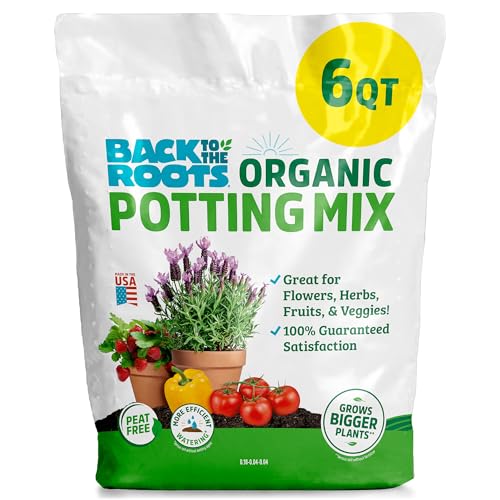
Includes 6qt of Back to the Roots Premium Blend Potting Mix. 100% Organic and Peat-Free, made from upcycled plant matter and wood fines from across the U.S. No imported peat, just better soil with a lighter carbon footprint.

【Ideal pH Balance】Our citrus soil is carefully calibrated to maintain an optimal pH level between 6.0 and 7.1, ensuring your citrus trees can absorb essential nutrients efficiently and thrive
Choosing the Right Planter Size
When selecting planters for your fruit trees, opt for ones that are large enough to accommodate the tree’s root system comfortably. A general rule is to choose a planter that is at least 2-3 times the size of the tree’s root ball to allow ample room for root development.
Selecting Quality Potting Mix
Use a high-quality potting mix that provides good drainage while retaining moisture. A well-draining mix prevents waterlogging, which can lead to root rot, while adequate moisture retention ensures the tree receives sufficient hydration.
Proper Watering Technique
Water fruit trees in planters regularly, especially during hot weather, to keep the soil evenly moist but not waterlogged. Check the soil moisture by inserting your finger into the soil up to the first knuckle. If it feels dry, it’s time to water the tree.
Providing Adequate Sunlight
Place your fruit tree in a location that receives adequate sunlight based on its specific sunlight requirements. Most fruit trees thrive in full sun, receiving at least 6-8 hours of direct sunlight daily. Ensure proper sun exposure for healthy growth and fruit production.
Fertilizing for Optimal Growth
Fertilize your fruit tree in planters with a balanced fertilizer specifically formulated for fruit trees. Follow the manufacturer’s instructions for application, usually in spring and summer, to promote healthy growth and abundant fruiting.
Pruning for Shape and Health
Regularly prune your fruit tree to maintain its shape, encourage new growth, and remove dead or diseased branches. Pruning also improves air circulation within the tree, reducing the risk of pests and diseases.
Protecting Against Pests and Diseases
Monitor your fruit tree regularly for signs of pests or diseases. Prevent infestations by practicing good garden hygiene, removing fallen leaves and fruits, and using organic pest control methods when necessary.
Winter Care
During winter, protect your fruit tree from frost damage by moving it to a sheltered location or wrapping the planter with insulating material. Reduce watering frequency in winter while ensuring the tree stays adequately hydrated.
Harvesting and Enjoying the Fruits
After investing time and effort in planting and nurturing your fruit trees in planters, the ultimate reward comes when you can finally harvest and enjoy the fruits of your labor. Here are some essential tips to make the most of your home-grown produce:
Recommended Products
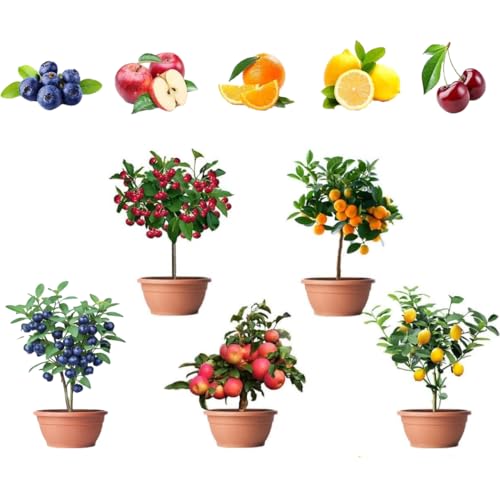
Variety Pack of 5 Fruits: Includes 40 Lemon seeds, 40 Orange seeds, 40 Apple seeds, 20 Cherry seeds, and 20 Blueberry seeds for a colorful and diverse home garden


Multi-Variety Seeds: Contains lemon, apple, blueberry, orange, and cherry seeds, totaling over 150 seeds.
Monitoring Fruit Ripeness
Check the color, size, and firmness of the fruits regularly to determine their ripeness. Each type of fruit has specific indicators of ripeness. For instance, a ripe citrus fruit should feel heavy for its size and have a slight give when gently squeezed.
Harvesting at the Right Time
Harvest your fruits at the peak of ripeness for the best flavor and texture. Avoid picking them too early or too late. Apples, for example, are ready to harvest when they twist easily off the branch with a gentle upward motion.
Handling and Storing Fruits
Be gentle when harvesting to avoid damage to the fruits. Handle them carefully to prevent bruising or spoilage. Store fruits appropriately based on their type – some fruits, like berries, require refrigeration, while others can be stored at room temperature.
Enjoying Your Harvest
Savor the fresh flavors of your home-grown fruits in various ways. Whether eaten raw, incorporated into desserts, or used in cooking, your fruits offer a delicious treat that you cultivated with care.
Sharing Your Bounty
Consider sharing your harvest with friends, family, or neighbors. Not only does it spread the joy of home-grown produce, but it also fosters a sense of community and goodwill.
Preserving Excess Fruits
If you have more fruits than you can consume fresh, explore different preservation methods like freezing, canning, or making jams and preserves. This way, you can enjoy your fruits throughout the year.
Taking Pride in Your Achievement
Lastly, take a moment to appreciate the fruits of your labor. Celebrate your successful harvests, no matter how big or small, and revel in the satisfaction of growing your own produce.
By following these tips, you’ll not only enjoy the literal fruits of your labor but also experience the joy and fulfillment that come with growing and nurturing your own fruit trees in planters.
Conclusion
You’ve now learned the essential steps to successfully grow fruit trees in planters. By considering factors like planter size, potting mix, watering, sunlight, fertilization, pruning, and pest management, you’re on your way to a fruitful harvest. Remember to monitor ripeness, harvest at the right time, handle and store fruits properly, and share the bounty with others. Cultivating your own fruit trees not only provides fresh produce but also a sense of accomplishment. Embrace the journey of nurturing your trees and relish in the satisfaction of enjoying homegrown fruits. Happy planting!
Frequently Asked Questions
What size of planters should I choose for planting fruit trees?
For fruit trees, choose planters that are at least 18-24 inches deep and wide to accommodate root growth.
What type of potting mix is best for fruit trees in planters?
Use a well-draining potting mix suitable for fruit trees, ensuring good aeration and proper nutrient uptake.
How often should I water fruit trees in planters?
Water fruit trees deeply when the top inch of soil feels dry, typically 1-2 times per week depending on climate conditions.
How much sunlight do fruit trees in planters need?
Fruit trees thrive with 6-8 hours of full sunlight daily, so place the planters in a sunny location.
When and how should I fertilize fruit trees in planters?
Fertilize fruit trees in spring with a balanced fertilizer, following package instructions for application.
How should I prune fruit trees in planters?
Prune fruit trees in late winter or early spring to remove dead or damaged branches and shape the tree for optimal growth.
How can I effectively manage pests on fruit trees in planters?
Monitor trees regularly for pests, use organic pest control methods like neem oil or introduce beneficial insects.
When is the right time to harvest fruits from trees in planters?
Harvest fruits when they are fully ripe based on the fruit variety, color, aroma, and slight softness when gently squeezed.
How do I handle and store harvested fruits from trees in planters?
Handle fruits carefully to avoid bruising, store them in a cool, dark place or refrigerator to extend shelf life.
What should I do with excess harvested fruits from trees in planters?
Share excess fruits with friends and neighbors, make preserves, or donate to local food banks to avoid wastage.
How can I take pride in successfully growing fruit trees in planters?
Celebrate your harvest, share your experience with others, and savor the satisfaction of growing your own fresh fruits.
