

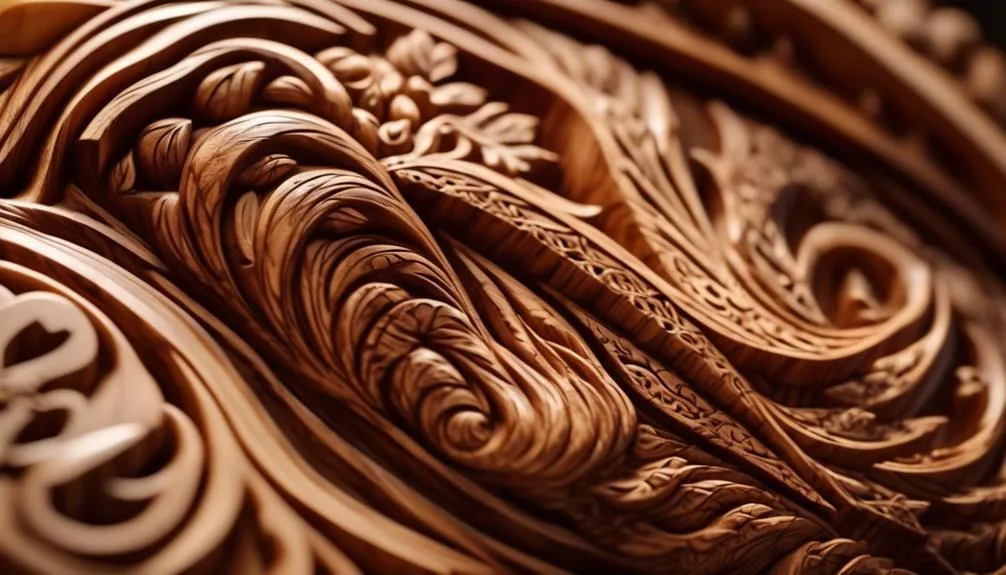
Discover the potential of papaya wood for creating sustainable furniture. Its strength, durability, and eco-friendly nature make it a promising material for various purposes.
Imagine a unique coffee table made from the rich, golden-hued wood of a papaya tree. Before starting your DIY project, learn about the practical applications and intriguing possibilities of papaya wood.
Stay tuned to explore its remarkable properties and consider how it could inspire your next woodworking endeavor.
Key Takeaways
- Papaya wood is known for its exceptional durability, despite being lightweight.
- It has natural resistance to decay and insects, making it a versatile option for both indoor and outdoor use.
- Papaya wood is ideal for furniture making, carving decorations, and creating intricate designs.
- While it is not as durable as other hardwoods for outdoor use, it is a sustainable and cost-effective choice for woodworking projects.
Properties of Papaya Wood
Understanding the properties of papaya wood can provide valuable insights into its strength, durability, and suitability for various applications.
Papaya wood is known for its exceptional durability, making it a sustainable option for various woodworking projects. Despite being lightweight, it possesses remarkable strength, making it versatile for both indoor and outdoor use.
The wood's natural resistance to decay and insects further enhances its durability, making it an eco-friendly choice. Its strength and versatility make it suitable for crafting furniture, musical instruments, and decorative items.
Additionally, its sustainability and abundance make it an attractive option for environmentally conscious consumers. Overall, the properties of papaya wood make it a compelling choice for a wide range of applications, offering both durability and sustainability.
Potential Uses for Papaya Wood
Papaya wood offers a multitude of potential uses, ranging from functional applications to artistic endeavors, making it a versatile and sustainable choice for various projects.
The wood's durability and attractive grain make it an excellent option for furniture making. Its workability also lends itself well to carving decorations, allowing for intricate and detailed designs to be created.
In furniture making, papaya wood can be crafted into tables, chairs, and even cabinets, adding a natural touch to interior spaces.
When it comes to carving decorations, the wood's fine grain and smooth texture make it ideal for creating beautiful sculptures, ornaments, and other artistic pieces.
Whether you're a woodworker or an artist, papaya wood provides a unique and eco-friendly material for your creative endeavors.
Recommended Products

【Basswood Carving Blocks】Unleash your artistry with this premium 22-piece carving wood set, featuring 3 different sizes for versatility.Enjoy 16 rectangle blocks (1''x1''x4''), 4 cube blocks (2''x2''x2''), and 2 rectangle block (2''x2''x4'').

Multiple Sizes for Creative Projects: This set includes 27 basswood carving blocks in versatile sizes: 24 pcs 1"x1"x4", 2 pcs 2"x2"x2", and 1 pc 2"x2"x4", plus a pattern sticker to spark ideas, for small figures, décor pieces, and larger carving projects

Carving Wood Blocks 18 piece set: this whittling kit will be a good base for your further projects - it includes 18 different basswood blocks and cubes that you can use for some amazing ideas.
Benefits of Papaya Wood
When considering papaya wood, it's worth noting its various benefits, ranging from its sustainable sourcing to its versatility in both functional and artistic applications.
Papaya wood is derived from the fast-growing papaya tree, making it a sustainable option for woodworking. Its rapid growth means that it can be responsibly harvested without causing deforestation.
Additionally, papaya wood is highly versatile and lends itself well to carving techniques. Its fine grain and relatively soft texture make it an excellent choice for intricate carving and shaping, allowing artisans to create detailed and beautiful designs.
Whether it's used for creating functional items like utensils and bowls or for intricate artistic carvings, papaya wood offers a sustainable and versatile material for woodworking projects.
Considerations When Using Papaya Wood
Considering papaya wood for your woodworking projects, it's important to be mindful of its unique characteristics and potential challenges. When using papaya wood, here are some key considerations to keep in mind:
- Durability: Papaya wood isn't as durable as other hardwoods, so it may not be suitable for outdoor use without proper treatment.
- Sustainability: Papaya wood is a sustainable option as it comes from the fast-growing papaya tree, making it an eco-friendly choice.
- Cost Effectiveness: Papaya wood is relatively affordable compared to other hardwoods, offering a cost-effective option for your woodworking projects.
- Maintenance: Due to its softer nature, papaya wood may require more frequent maintenance and care to preserve its appearance and structural integrity.
Being aware of these considerations will help you make informed decisions when using papaya wood in your woodworking projects.
Recommended Products

Prevents further drying and fading of wood finishes due to sun exposure, temperature variations, and moisture both indoors and outdoors

FURNITURE PROTECTANT AND SPRAY: Furniture protectant creates a protective barrier on contact with simple spraying action; Removes light dust, dirt, salt spray, and grime

Indoor and outdoor furniture cleaner protects, restores, and gently cleans away built-up surface grime and residue; use on your teak outdoor furniture and other fine wood furniture to prevent drying, warping, splitting, as well as fading and discoloration
Conclusion on Papaya Wood
In conclusion, papaya wood presents a sustainable and cost-effective option for woodworking projects, but its durability and maintenance requirements should be carefully considered before use.
Upon evaluation, papaya wood exhibits favorable characteristics for various practical applications. Its light to medium density makes it suitable for crafting small furniture, decorative items, and musical instruments. Additionally, the wood's smooth texture and ease of carving provide opportunities for intricate designs.
However, its susceptibility to decay and termite infestation necessitate appropriate treatment and regular maintenance to ensure longevity. Despite these considerations, papaya wood remains a viable choice for eco-friendly and budget-conscious woodworking endeavors, offering a unique aesthetic appeal and versatility.
When utilized mindfully, papaya wood can contribute to sustainable and visually appealing creations.
Conclusion
In conclusion, while papaya wood may not be suitable for heavy-duty or structural purposes, it can still be used for small crafts, carving, and decorative items due to its lightweight and relatively soft nature.
Its unique and sustainable qualities make it a viable option for certain projects, offering a thoughtful and eco-friendly alternative.
Consider the possibilities of incorporating papaya wood into your next creative endeavor, embracing its distinctive charm and environmental benefits.
