

Have you ever wondered how long it takes to clone a grapefruit tree? Picture this: you have a beloved grapefruit tree in your garden, and you wish to replicate its vibrant fruits. Understanding the time it takes to clone a grapefruit tree can be the key to expanding your citrus orchard effortlessly.
In this article, you’ll discover the straightforward process of cloning a grapefruit tree and the timeline involved. By knowing the duration required for successful cloning, you can plan ahead and cultivate a thriving garden full of these zesty fruits. Let’s explore the timeline for cloning a grapefruit tree and unlock the secrets to growing your citrus paradise.
Key Takeaways
- Cloning a grapefruit tree involves a preparation phase, cloning process, and monitoring phase, with the overall timeframe ranging from several weeks to a few months.
- Factors affecting the cloning process include the method of cloning chosen, environmental conditions like temperature and humidity, and the genetics of the tree being cloned.
- Cloning a grapefruit tree requires selecting a healthy donor tree, taking cuttings, applying rooting hormone, and providing optimal care for successful replication.
- The time frame for cloning grapefruit trees can vary based on rooting time, growth phase, and monitoring, which collectively contribute to the successful establishment of the cloned trees.
- Environmental conditions, rooting method, genetic variability, care and maintenance, and overall complexity play key roles in determining the time it takes to clone a grapefruit tree effectively.
- Understanding the overall time frame for cloning a grapefruit tree, which includes the preparation phase, cloning process, rooting time, transplanting and growth, and time to maturity, is essential for planning and ensuring successful replication of desired traits.
Cloning a Grapefruit Tree: A Detailed Review
Embarking on the journey of cloning a grapefruit tree is an exciting endeavor that requires patience and precision. Understanding the timeline involved in this process is crucial for successfully replicating the tree and enjoying the fruits of your labor in the future.
Recommended Products

Large Quantity Set: contains 50 air layering propagation kits, providing you with a complete and ready-to-use toolkit; This ample quantity ensures that you can care for multiple plants at the same time with unprecedented convenience; Whether you are a gardening novice or an experienced gardener, this toolkit can meet your needs
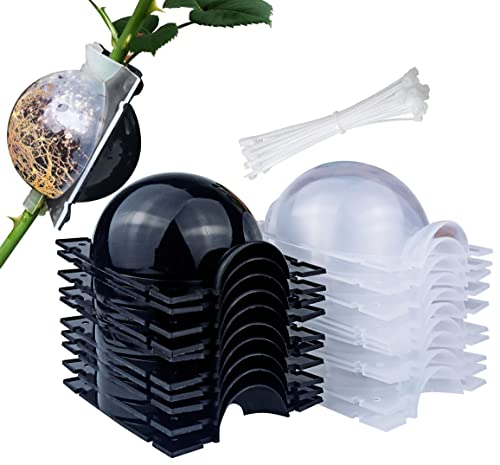
Simplify Process & Easy to Install: Our rooting ball make the process of packing the branches much easier than the old way of using plastic wrap. Corner buckles, bottom sheets & zip ties together fix the ball at the proper place without professional.

**PROPAGATE WOODY PLANTS WITH HIGHER SUCCESS** – Designed for air layering on magnolia, camellia, fig, citrus, and mature roses. Grows roots while the branch remains attached, increasing success rate compared to traditional cuttings.
Establishing a Timeline
When it comes to cloning a grapefruit tree, the timeline can vary depending on the method you choose. Here is a general overview to give you an idea:
- Preparation Phase:
- This phase involves gathering all the necessary supplies and ensuring you have a healthy donor tree.
- It typically takes a few days to a week to gather everything you need before you can start the cloning process.
- Cloning Process:
- The actual cloning process can take anywhere from a few weeks to a couple of months, depending on the method you select.
- For example, air layering might take around 4-8 weeks, while rooting cuttings can take about 6-12 weeks to develop roots.
- Monitoring and Care:
- Once the cloning is done, you need to monitor the progress of the new plant and provide the necessary care.
- This phase can last several months as the new plant establishes itself and grows.
Factors Affecting Timeline
Several factors can influence how long it takes to clone a grapefruit tree:
- Method of Cloning: Different methods have varying timelines for success.
- Environmental Conditions: Factors like temperature and humidity can impact the cloning process.
- Genetics of the Tree: Some grapefruit tree varieties may clone more easily than others.
What is Cloning?
Cloning refers to the process of replicating a grapefruit tree by creating an identical genetic copy, thereby preserving the desired characteristics of the original tree. It’s a method used to reproduce trees with specific traits like disease resistance or fruit quality that you want to retain. In the context of grapefruit trees, cloning involves taking cuttings from a parent tree to propagate new trees.
How Cloning Works
To clone a grapefruit tree, you typically start by selecting a healthy and mature tree that exhibits the traits you wish to replicate. Through a process called vegetative propagation, you take cuttings from the selected tree.
- Selection: Choose a healthy grapefruit tree that showcases the characteristics you want in your new tree.
- Cutting Preparation: Take cuttings from the tree, ensuring they are the ideal size and from healthy branches.
- Rooting: Treat the cuttings with rooting hormone and plant them in a suitable medium to encourage root growth.
- Transplanting: Once roots develop, transplant the cuttings into individual containers or the ground to continue growing.
Timeframe for Cloning
Cloning a grapefruit tree can take anywhere from several weeks to a few months, depending on various factors such as the method used and environmental conditions.
- Rooting Time: Rooting can take around 2-3 weeks to a few months, during which the cuttings establish root systems.
- Growth Phase: After successful rooting, the young trees need time to grow and establish themselves, which can range from a few weeks to several months.
- Monitoring and Care: Regular monitoring and care are necessary to ensure the cloned trees thrive and adapt to their new environment.
Conclusion
Understanding the cloning process is essential to replicate grapefruit trees successfully. By following the right steps and providing proper care, you can create new trees that inherit the desired traits from the original tree. Remember, patience and attention to detail are key to a successful grapefruit tree cloning endeavor.
Cloning Techniques for Grapefruit Trees
To clone a grapefruit tree successfully, you’ll need to follow specific techniques that promote the growth and replication of desirable traits. Here are the key methods involved in cloning grapefruit trees:
Selecting Healthy Tree
Start by choosing a healthy and robust grapefruit tree as the donor plant for cloning. Look for a tree that exhibits the desired characteristics you aim to replicate, such as disease resistance or high-quality fruit production. Healthy parent plants are crucial for obtaining successful clones.
Taking Cuttings
Next, gather vegetative cuttings from the selected grapefruit tree. These cuttings serve as the genetic material for creating new grapefruit trees through cloning. Ensure the cuttings are taken from healthy branches and are of optimal length to support root development.
Applying Rooting Hormone
After taking the cuttings, treat them with rooting hormone to stimulate root growth. Rooting hormone aids in the development of strong and healthy root systems, ensuring better establishment and growth of the new grapefruit clones. Proper application of rooting hormone is essential for successful cloning.
Transplanting for Growth
Once the cuttings have developed roots, transplant them into suitable growing medium or soil. Provide optimal growing conditions, including adequate water, sunlight, and nutrients to support the growth of the cloned grapefruit trees. Regular monitoring and care are essential during this stage to ensure proper development.
Timeframe for Cloning
The timeframe for cloning grapefruit trees can vary depending on the method used and environmental factors. Generally, it takes several weeks to a few months for cloned grapefruit trees to establish roots and begin growing independently. Factors such as temperature, humidity, and care practices influence the overall duration of the cloning process.
By following these cloning techniques diligently, you can successfully replicate grapefruit trees with desired traits and characteristics. Remember to provide consistent care and attention to the cloned trees to support their healthy growth and development.
Factors Affecting Cloning Time
When cloning a grapefruit tree, several factors influence the time it takes to successfully replicate the tree with desired traits. Understanding these factors can help you manage your expectations and plan accordingly for the cloning process.
Recommended Products

ROOT STARTER FOR SEMI-HARDWOOD PLANT CUTTINGS – Our rooting hormone powder accelerates root development in plant cuttings for a healthier growth. Made with Indole-3-Butyric Acid (IBA), our root hormone for cuttings supports all plant varieties.

Encourages rooting in all cuttings

ROOT STARTER FOR PLANT CUTTINGS: Hormex Rooting Powder for plants is specially formulated to improve and accelerate the rooting process for cuttings, a propagation method known as cloning. This product contains Indole-3-Butyric Acid (IBA), a rooting compound used to promote strong, healthy root systems for all plant varieties.
Environmental Conditions
The environment in which you conduct the cloning process plays a significant role in determining how long it will take for the cloned grapefruit tree to establish. Factors such as temperature, humidity levels, and light exposure can impact the rooting and overall growth of the clone. For example, warmer temperatures generally promote faster root development, leading to quicker establishment of the cloned tree.
Rooting Method
The method you choose for rooting the grapefruit tree cuttings can affect the time it takes for the clone to develop roots and grow into a healthy tree. Common methods include using rooting hormone, misting systems, or aeroponic systems. Each method has its own timeline for root development, with some techniques accelerating the process while others may take longer but offer higher success rates.
Genetic Variability
The genetic makeup of the grapefruit tree, particularly the donor tree from which the cuttings are taken, can impact the cloning time. Trees with strong genetics and robust traits tend to clone more quickly compared to trees with weaker genetic profiles. Selecting a healthy donor tree with desirable characteristics can expedite the cloning process and lead to a successful replication in a shorter timeframe.
Care and Maintenance
The level of care and maintenance provided to the cloned grapefruit tree also influences the overall cloning time. Regular monitoring, watering, and application of nutrients are essential for the successful development of the clone. Proper care can help expedite the growth process and ensure that the cloned tree establishes itself firmly in its new environment.
Overall Complexity
The overall complexity of the cloning process, including the specific techniques used, the experience of the individual conducting the cloning, and any unexpected challenges that arise, can impact the time it takes to clone a grapefruit tree. A well-prepared and knowledgeable approach to cloning can streamline the process and lead to quicker results.
By considering these factors and optimizing the cloning conditions, you can effectively manage the time it takes to clone a grapefruit tree and increase the likelihood of successfully replicating the desired traits in the new tree.
Time Frame for Cloning a Grapefruit Tree
When cloning a grapefruit tree, the time frame can vary depending on several factors. These factors influence how long it takes to successfully clone a grapefruit tree with the desired traits. Let’s break down the time frame for cloning a grapefruit tree:
- Preparation Phase:
To clone a grapefruit tree, you first need to gather all the necessary tools and materials. This includes selecting a healthy donor tree, preparing the rooting hormone, and ensuring the proper environmental conditions for successful cloning.
- Cloning Process:
The actual cloning process for a grapefruit tree can take around 4 to 12 weeks. This period includes the time for taking the cuttings, treating them with rooting hormone, planting them in the appropriate growing medium, and monitoring their progress.
- Rooting Time:
The rooting time is a crucial phase in the cloning process. It typically takes 3 to 6 weeks for the cuttings to develop roots and establish themselves as independent plants. During this time, it’s essential to provide the right amount of moisture and nutrients for successful root development.
- Transplanting and Growth:
Once the cuttings have rooted successfully, they can be transplanted into individual pots or the desired planting location. The young cloned grapefruit tree will continue to grow, requiring regular care and monitoring to ensure its health and development.
- Time to Maturity:
After the initial cloning phase, the cloned grapefruit tree will need time to mature and start producing fruits. This phase can take several years, depending on the specific variety of grapefruit and environmental conditions.
By understanding the time frame involved in cloning a grapefruit tree, you can better plan and manage the process to achieve successful results. Remember to consider each phase carefully and provide the necessary care and attention to ensure the cloned grapefruit tree thrives and bears fruit in the future.
Conclusion
You now have a clear picture of the time it takes to successfully clone a grapefruit tree. From the preparation phase to the growth stages, each step plays a vital role in the process. Factors like environmental conditions and genetic variability influence the timeline, with cloning taking 4 to 12 weeks and rooting requiring 3 to 6 weeks. Remember, patience is key as the tree matures over several years. By understanding these time frames, you can effectively plan and manage the cloning process, ensuring your cloned grapefruit tree flourishes and yields fruit in the long run. Happy cloning!
Frequently Asked Questions
Q: How long does it take to clone a grapefruit tree?
A: The cloning process typically takes 4 to 12 weeks, including preparation, cloning, rooting (3 to 6 weeks), transplanting, growth stages, and maturity spanning several years.
Q: What factors affect the time needed for cloning a grapefruit tree?
A: Environmental conditions, rooting methods, genetic variability, and care significantly impact the cloning timeline.
Q: Why is it important to understand the timelines for cloning grapefruit trees?
A: Understanding the time frames is crucial for effective planning and management of the cloning process to ensure the cloned grapefruit tree thrives and bears fruit in the future.
