

Do you dream of stepping into your backyard and picking fresh, juicy fruits from your own trees? Imagine the satisfaction of growing your own delicious produce right at home. In zone 10b, where the sun shines bright and the climate is ideal for tropical fruits, choosing the right fruit trees can make all the difference.
Have you ever found yourself unsure of which fruit trees thrive best in your specific zone? It can be overwhelming to navigate the vast array of options available. But fear not, as this article is here to guide you through the process. Discovering the best fruit trees for zone 10b can transform your garden into a fruitful paradise, providing you with a bountiful harvest year after year.
By exploring the top fruit tree varieties suited for zone 10b, you’ll unlock the secret to successful fruit cultivation in your region. Get ready to enhance your outdoor space and enjoy the sweet rewards of growing your own fruit trees effortlessly.
Key Takeaways
- Zone 10b offers a tropical climate suitable for growing a variety of fruit trees with average annual minimum temperatures between 35 to 40°F.
- Ideal fruit tree choices for zone 10b include mango trees, citrus trees (oranges, lemons, limes), avocado trees, and banana trees that thrive in warm conditions.
- Essential care tips for fruit trees in zone 10b include proper watering, fertilization, adequate sunlight, and regular pruning for healthy growth and fruit production.
- Factors to consider when choosing fruit trees for zone 10b include climate suitability, soil requirements, sunlight needs, space constraints, watering frequency, pollination requirements, and pest/disease resistance.
- Top fruit trees for zone 10b include mangos, citrus trees, avocado trees, and banana trees, each offering delicious fruits that flourish in a tropical climate.
- Tips for successful fruit tree gardening in zone 10b involve understanding microclimates, selecting the right varieties, providing adequate watering, mulching for moisture retention, regular pruning, monitoring soil quality, pest control, and harvesting fruits at the right time to enjoy optimal flavor.
Understanding Zone 10b
In zone 10b, you experience a tropical climate, making it perfect for growing a variety of fruit trees. The year-round warm temperatures and mild winters create an ideal environment for tropical fruits to thrive. Understanding the characteristics of zone 10b is crucial in selecting the best fruit trees for your garden.
Characteristics of Zone 10b
In zone 10b, you can expect average annual minimum temperatures between 35 to 40°F (1.6 to 4.4°C). The extended warm seasons provide an excellent opportunity to grow a diverse range of fruit trees that require consistent warmth and sunlight. With proper care, fruit trees in zone 10b can flourish and yield delicious fruits throughout the year.
Ideal Fruit Trees for Zone 10b
When considering fruit trees for your garden in zone 10b, opt for varieties that thrive in tropical climates. Some excellent choices include:
- Mango Trees: Known for their sweet and juicy fruits, mango trees thrive in the warm conditions of zone 10b.
- Citrus Trees (Oranges, Lemons, Limes): Citrus trees are well-suited to the tropical climate of zone 10b and can provide an abundance of fruits rich in Vitamin C.
- Avocado Trees: Avocado trees flourish in the subtropical environment of zone 10b, offering creamy and nutritious fruits.
- Banana Trees: Ideal for zone 10b, banana trees love the warmth and humidity, producing delicious fruits for your enjoyment.
Caring for Fruit Trees in Zone 10b
To ensure the health and productivity of your fruit trees in zone 10b, consider the following tips:
- Proper Watering: Provide adequate water to your fruit trees, especially during dry spells, to keep the soil moist.
- Fertilization: Regularly fertilize your fruit trees with a balanced fertilizer to promote growth and fruit production.
- Sunlight: Position your fruit trees in areas where they can receive ample sunlight to support photosynthesis and fruit development.
- Pruning: Regularly prune your fruit trees to remove dead branches, promote air circulation, and shape their growth.
Factors to Consider for Choosing Fruit Trees in Zone 10b
When selecting fruit trees for your garden in Zone 10b, there are several crucial factors to consider to ensure successful growth and abundant harvests. Here are some key elements to keep in mind:
Recommended Products

CITRUS PLANT FOOD: This avacado, mango and citrus fruit tree fertilizer feeds plants for up to 3 months and nourishes above and below the soil

FORMULATED FOR CITRUS AND FRUIT TREES: Use these citrus fertilizer spikes on apple, orange, lemon, lime, and avocado trees; this formula is also great for feeding palm trees

Tropical Fruit Seeds: Grow your own delicious mangoes at home with this set of 3 premium mango tree seeds, perfect for cultivating fresh, sweet tropical fruit right in your garden or indoor space
Climate Suitability
Ensure the fruit trees you choose are well-suited to the tropical climate of Zone 10b. Opt for varieties that thrive in warm temperatures and can tolerate the extended periods of heat typical in this region.
Soil Requirements
Consider the soil conditions in Zone 10b before selecting fruit trees. Choose trees that are adaptable to the soil types commonly found in the area. Conduct a soil test to determine its pH levels and nutrient content for optimal tree growth.
Sunlight Needs
Different fruit trees have varying sunlight requirements. Some may need full sun exposure, while others can thrive in partial shade. Assess the sunlight patterns in your garden to place the trees accordingly and ensure they receive the required amount of light.
Space Constraints
Take into account the mature size of the fruit trees when planning your garden layout. Avoid overcrowding by allowing sufficient space between trees to promote healthy growth and facilitate easy maintenance practices like pruning and harvesting.
Watering Frequency
Understand the watering needs of the fruit tree varieties you intend to plant. Consider the typical rainfall patterns in Zone 10b and establish a watering schedule to ensure adequate moisture levels for optimal fruit production without over-watering.
Pollination Requirements
Certain fruit trees may require cross-pollination for fruit set, while others are self-pollinating. Determine the pollination requirements of the selected trees and ensure proper placement in the garden to facilitate pollination by wind, insects, or manual means.
Pest and Disease Resistance
Choose fruit tree varieties known for their resistance to common pests and diseases prevalent in tropical climates. Implement preventive measures such as regular inspections and appropriate treatments to minimize the risk of infestation and maintain tree health.
By considering these essential factors when choosing fruit trees for your garden in Zone 10b, you can create a thriving orchard that yields an abundance of delicious fruits year after year. Plan thoughtfully, care diligently, and enjoy the fruitful results of your efforts.
Top Fruit Trees Suitable for Zone 10b
When selecting fruit trees for your zone 10b garden, it’s essential to choose varieties best suited to the tropical climate. Here are some top fruit trees that thrive in zone 10b:
Recommended Products

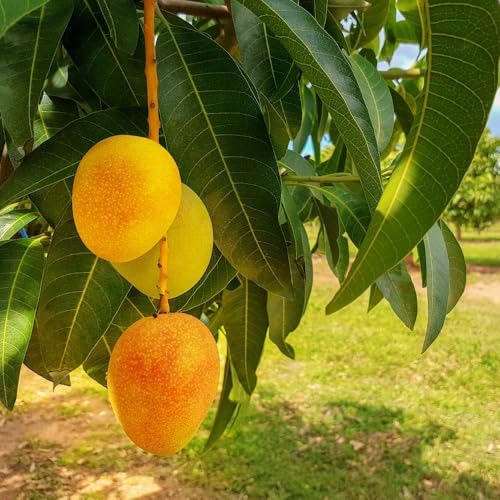
VARIETY: Honey Kiss Mango tree, produces small-to-medium mangoes with rich, honey-like sweetness and completely fiberless flesh—perfect for fresh eating, smoothies, and desserts.

2X MORE VALUE: The 16 oz of Mango Liquid Plant Fertilizer makes 16 gallons of liquid fertilizer, while the bigger size 32 oz bottle makes 32 gallons, ensuring long-lasting care for all mangoes.
Mangos
Mango trees are a perfect fit for zone 10b due to their love for warm temperatures and abundant sunlight. Varieties like ‘Keitt’ and ‘Tommy Atkins’ do exceptionally well in this climate zone. These trees bear delicious, sweet fruit that you can enjoy straight from your garden.
Citrus Trees
Citrus trees, including oranges, lemons, and limes, flourish in zone 10b’s warm weather. Varieties such as ‘Valencia’ oranges, ‘Eureka’ lemons, and ‘Bearss’ limes are popular choices for their ability to produce juicy fruits year-round. Citrus trees require well-draining soil and regular watering to thrive.
Avocado Trees
Avocado trees are well-suited to the tropical conditions of zone 10b, providing creamy, nutritious fruit for your snacks and dishes. Varieties like ‘Hass’ and ‘Fuerte’ are excellent options. Ensure proper spacing for these trees to allow for adequate growth and fruit production.
Banana Trees
Banana trees are a staple in tropical gardens and a must-have for zone 10b. Varieties such as ‘Dwarf Cavendish’ and ‘Ice Cream’ bananas grow well in this climate, producing bunches of flavorful bananas. These trees require regular watering and thrive in full sunlight.
Tips for Successful Fruit Tree Gardening in Zone 10b
Understand Microclimates: Identify specific microclimates in your garden to place trees that require more or less sunlight or protection from strong winds. You can optimize growth by planting sun-loving trees in sunny spots and shade-tolerant ones in shadier areas.
Choose the Right Varieties: Select fruit tree varieties that are well-suited to zone 10b’s tropical conditions. Opt for heat-tolerant and disease-resistant cultivars like ‘Kent,’ ‘Keitt,’ or ‘Haden’ mangos for robust growth and bountiful harvests.
Provide Adequate Watering: Ensure your fruit trees receive sufficient water, especially during dry periods, to promote healthy growth and fruit development. Consider using drip irrigation systems or soaker hoses to deliver water directly to the roots.
Mulch for Moisture Retention: Apply a layer of organic mulch around the base of your fruit trees to conserve moisture, suppress weed growth, and regulate soil temperature. Mulching helps retain moisture, reducing the frequency of watering needed.
Prune Regularly: Pruning is essential to maintain the shape, size, and health of fruit trees. Trim dead or diseased branches, improve airflow, and promote fruit production. Prune in late winter or early spring before new growth begins.
Monitor Soil Quality: Perform regular soil tests to assess nutrient levels and pH balance. Adjust soil fertility as needed by adding organic matter or selecting suitable fertilizers to ensure your fruit trees have access to essential nutrients for optimal growth.
Protect from Pests: Implement integrated pest management strategies to control common pests and diseases that affect fruit trees in zone 10b. Monitor trees regularly for signs of infestation and use environmentally friendly methods like beneficial insects or horticultural oils to manage pests.
Harvest at the Right Time: Harvest fruits at their peak ripeness to enjoy the best flavor and quality. Refer to specific guidelines for each fruit tree variety to determine the ideal harvesting time for a delicious and satisfying harvest.
By following these tips, you can cultivate a successful fruit tree garden in zone 10b, enjoying a diverse array of fresh, homegrown fruits tailored to your tropical climate.
Recommended Products

Convenient and portable storage kit contains 102 professional grade universal Drip irrigation parts

Be a Gardening Master with the help of our superior and complete Drip Irrigation Kit: 10 Drip Irrigation Emitters Vortex + 20 Drip Emitters Spray + 50ft flexible & durable 5/16 irrigation tubing + 50ft 1/4 inch Drip Irrigation Tubing + 12 tubing coupler + 5 ¼ Tubing Tee Splitter + Tubing End Plugs + Water Connector + 1 x Complete Instructions Guide Hard Copy + 2 Grow your Own Vegetables & Fruits Guide full with pieces of advice and practical tips Digital Format.
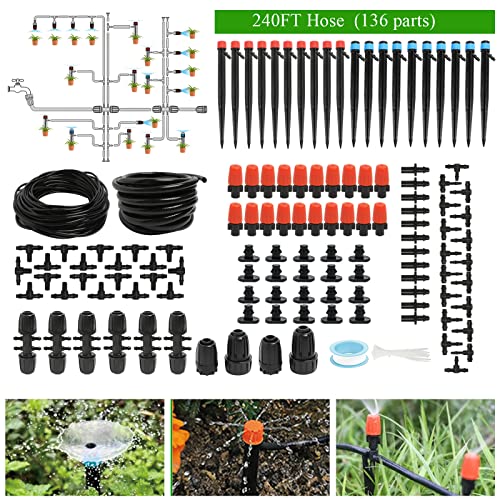
240FT Drip Irrigation Kit: The irrigation kits include 40FT main tubing (1/2"),200FT distribution tubing (1/4"), it comes with totally 136 parts and we offer enough accessories for you to build up 2 sets small drip irrigation systems or 1 set longer irrigation system.
Conclusion
You’re now equipped with valuable insights on cultivating fruit trees in zone 10b. Remember, selecting the right varieties like mango, citrus, avocado, and banana trees is key. Understanding your zone’s unique characteristics ensures optimal growth and fruit production. Implementing essential practices such as proper watering, mulching, pruning, and pest control will help your orchard thrive. By following these guidelines, you can enjoy a bountiful harvest of delicious fruits tailored to the tropical climate of zone 10b. Happy gardening!
Frequently Asked Questions
What are the benefits of growing fruit trees in zone 10b?
Growing fruit trees in zone 10b, a tropical climate, allows for the successful cultivation of mango, citrus, avocado, and banana trees. These trees thrive in the warm climate, offering a bountiful harvest of delicious fruits uniquely suited to the region.
How can I ensure successful fruit tree gardening in zone 10b?
For successful fruit tree gardening in zone 10b, consider factors like microclimates, suitable tree varieties such as ‘Kent,’ ‘Keitt,’ or ‘Haden’ mangos, adequate watering, mulching, regular pruning, soil monitoring, pest protection, and harvest timing. By paying attention to these aspects, you can create a thriving orchard in zone 10b.
Which varieties of fruit trees are recommended for zone 10b?
In zone 10b, consider planting varieties such as ‘Kent,’ ‘Keitt,’ or ‘Haden’ mangos, citrus trees, avocado trees, and banana trees. These varieties are well-suited to the tropical climate of zone 10b and are known to produce high-quality fruits when cared for properly.
