

Ever found yourself staring at a wall of pruners, wondering which one to choose? You’re not alone. Picking the right size pruner can be a real head-scratcher. Picture this: you’re in the garden, ready to tackle those overgrown branches, but your pruner is either too big or too small for the job. Frustrating, right?
In this article, I’ll guide you through the maze of pruner sizes so you can make the perfect choice every time. No more struggling with a tool that doesn’t fit the task at hand. With the right size pruner in your hands, pruning will be a breeze, and your garden will thank you for it. Let’s find the ideal pruner size that suits your needs like a glove.
Understanding Pruner Size
When it comes to pruners, size matters. Choosing the right size can make a significant difference in the ease and efficacy of your gardening tasks.
- Bypass pruners: Ideal for live stems and green wood up to ¾ inch in diameter.
- Anvil pruners: Excellent for dry, dead wood and tough branches.
- Lopper pruners: Designed for thicker branches with greater leverage.
Consider the size of your hands when selecting a pruner to ensure a comfortable grip. Test the weight, balance, and operation before making a final decision.
Larger pruners provide more cutting leverage, making them suitable for thicker branches, while smaller pruners offer increased maneuverability for finer, detailed work.
Don’t overlook the blade length: longer blades are more effective for larger cuts, while shorter blades offer precision cutting in confined spaces.
To ensure an efficient pruning experience, match the pruner size to the tasks at hand and the type of plants in your garden.
Striking the right balance with pruner size will make your gardening tasks not only easier but also more enjoyable.
Factors to Consider when Choosing Pruner Size
When selecting a pruner size, there are several factors you should keep in mind to ensure a smooth and efficient pruning experience. Here are some key considerations to guide your decision:
- Size of Branches: For smaller branches and live stems, opt for a pruner with a smaller blade, such as bypass pruners.
- Hand Size: Consider the size of your hands to ensure a comfortable grip. A pruner that feels awkward to hold can lead to fatigue and inefficiency.
- Weight and Balance: Test the pruner’s weight and balance in your hand. It should feel sturdy yet not too heavy to handle easily during extended use.
- Blade Length: Matching the blade length to the task at hand is crucial. Shorter blades work well for precision cuts, while longer blades are suitable for thicker branches.
- Plant Types: Different plants may require specific pruner sizes. For instance, delicate plants might benefit from a smaller pruner, while robust plants may necessitate a larger one.
By considering these factors, you can choose the optimal pruner size for your gardening needs, leading to a more enjoyable and effective pruning session.
Pruner Size Guide for Different Tasks
When it comes to choosing the right size pruner for your gardening tasks, it’s essential to match the tool to the specific job at hand. Here’s a handy guide to help you navigate through various tasks:
- General Pruning:
- For light to medium pruning of smaller branches and stems, opt for a small to medium-sized pruner. It offers better control and maneuverability.
- Thicker Branches:
- When tackling thicker branches, medium to large pruners with a sturdy build and sharp blades are ideal for clean cuts.
- Deadwood Removal:
- Removing deadwood requires precision and power. A larger pruner with extra cutting force can make this job easier and more efficient.
- Fine Detail Work:
- For intricate pruning tasks that require delicate cuts, a small precision pruner provides the finesse and control needed.
- Different Plant Types:
- Consider the specific pruner size recommendations for different plant types like roses, fruit trees, or shrubs for optimal results.
Recommended Products
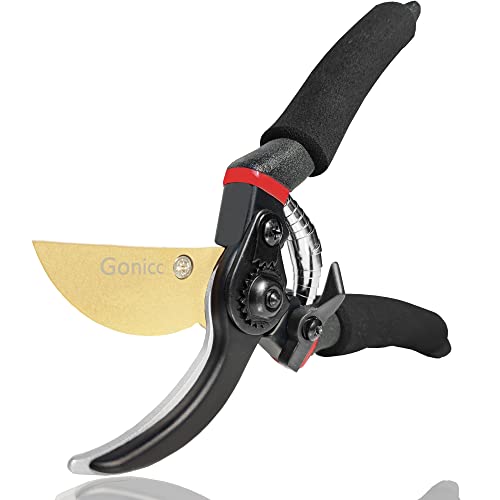
Drop-forged construction delivers exceptional durability and sturdiness for long-term heavy garden use.

IDEAL BRANCH TRIMMER: 28" Steel blade garden bypass lopper that glides through up to 1.5" thick branches for easy cuts; Works well for trimming tree branches to maintain your yard and garden, and to encourage overall plant health and appearance
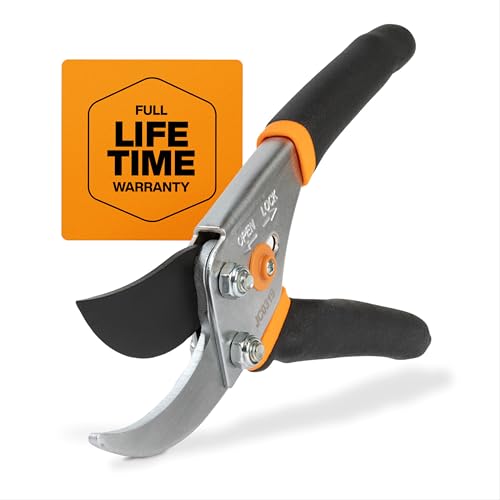
CLEAN CUTS FOR LIVE GROWTH: Bypass blade design is ideal for pruning delicate flower stems and green growth, helping reduce crushing and plant damage while cutting stems and small branches up to 5/8” in diameter
Best Practices for Using the Right Size Pruner
When it comes to selecting the best size pruner for your gardening tasks, there are a few key practices to keep in mind:
- Match the pruner to the task: Use small to medium pruners for light to medium pruning on plants with thinner branches. For thicker branches, opt for medium to large pruners. Reserve larger pruners for deadwood removal to make the task easier.
- Consider precision pruning: For fine detail work on plants like roses or shrubs, smaller precision pruners are your best bet. These pruners allow for accurate cuts without damaging surrounding areas.
- Specialized pruner sizes for different plants: Tailor your pruner size based on the type of plant you’re working on. Roses, fruit trees, and shrubs may require specific pruner sizes for optimal results.
- Efficiency and precision: By using the correct size pruner for each task, you can ensure efficiency and precision in your pruning endeavors. This not only saves time but also helps in maintaining plant health.
Remember, selecting the right size pruner is essential for successful pruning. Choose wisely based on the task at hand to achieve the best outcomes in your gardening efforts.
Recommended Products

AMBIDEXTROUS DESIGN: Pruner shape is designed for both right and left-handed use while pruning indoor & outdoor plants such as shrubs, ornamental trees, vines, & flowers like roses; SoftGrip handle reduces hand fatigue & enhances comfort and control

What Makes VT-C800 Unique? Ever-Sharp Teflon-Coated SK5 Blades | Jam-Proof Sealed Spring | Ambidextrous Thumb Lock | Backed by Lifetime Support
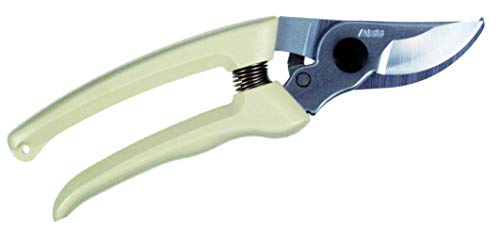
Hard chrome plated
Conclusion
Now that you understand the significance of choosing the right pruner size for your gardening tasks, you can confidently match the pruner to the specific job at hand. Remember, using the appropriate pruner size for different tasks, whether light pruning or tackling thicker branches, is key to achieving the desired results. Don’t forget to consider precision pruners for delicate work on plants like roses or shrubs. By tailoring the pruner size based on the type of plant you’re working on, such as roses, fruit trees, or shrubs, you’ll optimize your pruning efforts. With these guidelines in mind, you’ll be well-equipped to efficiently and effectively handle all your pruning needs in the garden.
Frequently Asked Questions
What factors should be considered when selecting the right pruner size for gardening tasks?
Select the pruner size based on the task at hand. Use small to medium pruners for light to medium pruning and medium to large pruners for thicker branches. For fine detail work, opt for smaller precision pruners.
Why is it important to match the pruner size to the specific job?
Matching the pruner size to the task ensures efficiency, precision, and successful outcomes. It reduces strain on the gardener and helps maintain the health of the plants being worked on.
How should I choose the pruner size based on the type of plant?
Tailor the pruner size to the type of plant being pruned. Use smaller pruners for delicate plants like roses or shrubs, and larger pruners for trees with thicker branches.
