

Ever found yourself gearing up to tackle your garden, only to realize that your trusty Fiskars pruner’s rope has seen better days? Frustrating, right? Don’t worry, we’ve all been there. But fret not, because in this article, you’ll discover the ropes to repairing your Fiskars pruner like a pro.
Understand the Issue
When the rope on your Fiskars pruner starts to wear out, it can be frustrating and impact the tool’s performance. Knowing how to repair it is essential for maintaining your gardening equipment. Here are the key points to understand the issue:
- The rope on your Fiskars pruner is crucial for operating the cutting mechanism efficiently.
- Over time, the rope may fray, become loose, or even break, leading to difficulty in using the pruner effectively.
- Common causes of rope damage include wear and tear from regular use, exposure to moisture, and improper storage.
To effectively repair the rope on your Fiskars pruner, you need to diagnose the problem accurately and follow the correct repair steps. Let’s dive into these aspects in the next sections.
Gather Necessary Materials
To repair the rope on your Fiskars pruner, you’ll need a few essential materials. Here’s what you’ll need:
- New rope: Ensure it’s suitable for outdoor use and fits your pruner model.
- Screwdriver: To disassemble the pruner and access the rope mechanism.
- Scissors: For cutting the new rope to the correct length.
- Tape: To secure the rope and prevent fraying.
- Lighter or heat source: For sealing the rope ends to prevent unraveling.
Make sure you have all these items on hand before you begin repairing the rope on your Fiskars pruner.
Recommended Products

High-quality PR-20 Tree Pruner rope: Measuring 20 feet long, this product is a sturdy tree pruner rope that is compatible with Jameson Fiskars pruners.

【Practical Tree Pruner Rope】This tree pruner cord replacement for Jameson Fiskars Big Mouth Manual Pole Saw and Tree Pruner is a versatile must-have tool that ensures smooth operation when pruning trees
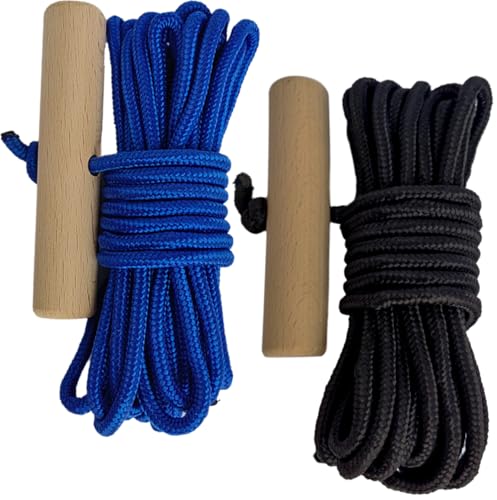
【Practical Tree Pruner Rope】This tree pruner cord replacement for Jameson Fiskars Big Mouth Manual Pole Saw and Tree Pruner is a versatile must-have tool that ensures smooth operation when pruning trees.
Disassemble the Pruner
To begin repairing the rope on your Fiskars pruner, you’ll first need to disassemble the tool. Here’s how you can do it:
- Locate the screw that holds the pruner together.
- Use a suitable screwdriver to remove the screw.
- Carefully separate the parts of the pruner.
- Keep track of the order in which you disassemble the components for easy reassembly later.
Now that you’ve successfully taken apart your pruner, you’re ready to proceed with the rope repair.
Repair or Replace the Rope
When it comes to repairing or replacing the rope on your Fiskars pruner, there are a few factors to consider. Let’s dive into the details:
Recommended Products

【Durable Tree Pruner Rope】This tree pruner cord replacement for Jameson Fiskars Big Mouth Manual Pole Saw and Tree Pruner is a versatile and essential tool that ensures smooth operation when pruning trees
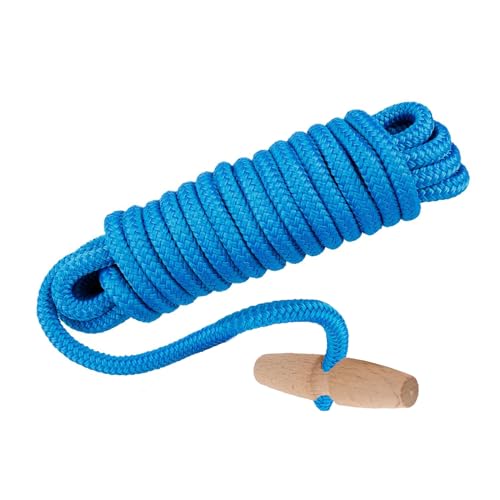
PR-20 Tree Pruner Rope Replacement, for Jameson Fiscar Big Mouth Manual Pole Saw & Tree Pruner,20 feet long with a 5/16 inch diameter(with Wooden Handle)
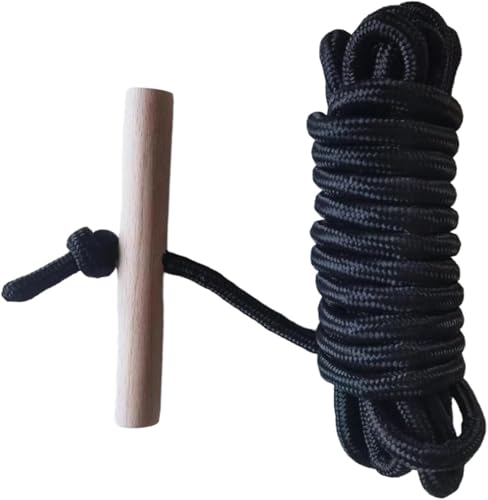
【High Strength Nylon Industrial Silk】Tree trimming rope for jameson uses high-strength nylon industrial silk as the raw material, the molecular structure is tight, resistant to repeated friction, and the strength is 30% to 50% higher than ordinary nylon silk
Assess the Damage
- Inspect the rope carefully to determine the extent of the damage.
- Look for fraying, cuts, or wear and tear that might affect the rope’s functionality.
Repairing the Rope
- For minor damage, you can opt to repair the rope instead of replacing it.
- Tools like scissors, a lighter, and strong adhesive can come in handy for rope repairs.
Steps to Repair:
- Trim any frayed ends of the rope.
- Use the lighter to seal the trimmed ends to prevent further fraying.
- Apply a small amount of adhesive to reinforce the repaired section.
When to Replace:
- If the damage is extensive and compromises the rope’s strength, it’s best to replace the rope entirely.
- Replacing the rope ensures the pruner’s optimal performance and safety.
Rope Replacement Steps:
- Purchase a high-quality replacement rope suitable for your Fiskars pruner.
- Carefully thread the new rope through the pruner according to the manufacturer’s guidelines.
- Securely tie knots at the ends to prevent slippage during use.
- Regularly inspect the rope on your pruner for any signs of wear and tear to prevent major damage.
Remember, keeping your Fiskars pruner in good condition ensures smooth pruning sessions with optimal performance.
Reassemble the Pruner
After successfully repairing or replacing the rope on your Fiskars pruner, it’s time to reassemble the tool for future use.
Here are the steps to effectively reassemble your pruner:
- Thread the repaired or new rope back through the pruner’s cutting head.
- Ensure the rope is properly seated in the mechanism to prevent any mishaps during operation.
- Carefully reattach any components that were removed during the repair or replacement process.
- Test the pruner to confirm that the rope functions smoothly and effortlessly.
- Make any necessary adjustments to the reassembled pruner to guarantee optimal performance.
By following these simple steps, you’ll have your Fiskars pruner back in action and ready for your next pruning task.
Test the Pruner
When testing your Fiskars pruner after repairing or replacing the rope, follow these steps:
- Check: Ensure the rope is securely attached to the pruner.
- Test Cutting: Try cutting a small branch to see if the pruner functions smoothly.
- Inspect for Slippage: Make sure the rope doesn’t slip during use.
Recommended Products

HIGH-PERFORMANCE REPLACEMENT SAW BLADE: Designed to replace and restore cutting efficiency for Fiskars Lightweight Extendable Tree Pruner and Chain-Drive Extendable Tree Pruner models.

Replacement saw blade for the Fiskars 9394 12 foot telescoping pruning saw

【UPGRADE DESIGN】Each tooth of 15-inch tree pruner blade has three cutting surfaces to increase the cutting point, making the cut smoother and less likely to jam the saw even on wet wood. The teeth of pole clipper blade are arranged at an angle, which helps to guide the wood chips out and reduce saw blade jamming.
Conclusion
Repairing the rope on your Fiskars pruner is a simple process that can extend the life of your tool. By following the steps outlined in this article, you can ensure that your pruner operates smoothly and efficiently. Remember to test the secure attachment of the rope, check the cutting functionality, and inspect for any slippage. These quick checks will help you maintain your pruner in top condition for all your gardening needs. Happy pruning!
Frequently Asked Questions
Why is it important to test my Fiskars pruner after repairing or replacing the rope?
After repairing or replacing the rope on your Fiskars pruner, testing ensures that the pruner functions correctly and safely. Checking for secure attachment, testing cutting functionality, and inspecting for rope slippage are crucial steps to guarantee smooth operation.
How do I test the secure attachment of the rope on my Fiskars pruner?
To test the secure attachment of the rope, gently tug on it to ensure it is properly fixed to the pruner. Any signs of looseness or detachment should be addressed to prevent potential accidents or failures during use.
What should I do to test the cutting functionality of my Fiskars pruner after repair?
After repair, test the cutting functionality by trimming a small branch with the pruner. Ensure that the blades cut smoothly and cleanly through the branch without any snagging or difficulty.
How can I inspect my Fiskars pruner for rope slippage during use?
During use, observe the rope on your Fiskars pruner for any signs of slipping or loosening. If you notice the rope shifting or not holding its position securely, stop using the pruner immediately and recheck the attachment to prevent accidents.
Why do these testing steps ensure the smooth operation of my Fiskars pruner?
Following these testing steps post-repair or rope replacement helps identify any issues or defects, ensuring that your Fiskars pruner operates smoothly, effectively, and safely. Regular checks and tests enhance the longevity and performance of your gardening tools.
