
Close Menu
    Fruit Tree Hub
    • Home
    • Apple Trees
    • Lemon Trees
    • Mango Trees
    • Orange Trees
    • More Trees
      • Best Fruit Trees
      • Apricot Trees
      • Cherry Trees
      • Fig Trees
      • Lime Trees
      • Mulberry Trees
      • Peach Trees
      • Pear Trees
      • Plum Trees
      • Pomegranate Trees
    • Tips and Advice
      • Tools
    • About Us
      • Contact
      • Privacy Policy
    Fruit Tree Hub
    Home»Fruit Trees»Walnut Trees»Why Are Walnut Trees Important for Wildlife
    Walnut Trees

    Why Are Walnut Trees Important for Wildlife

    Lucy SmithBy Lucy SmithJanuary 30, 20245 Mins Read
    Share Facebook Twitter Pinterest WhatsApp Email
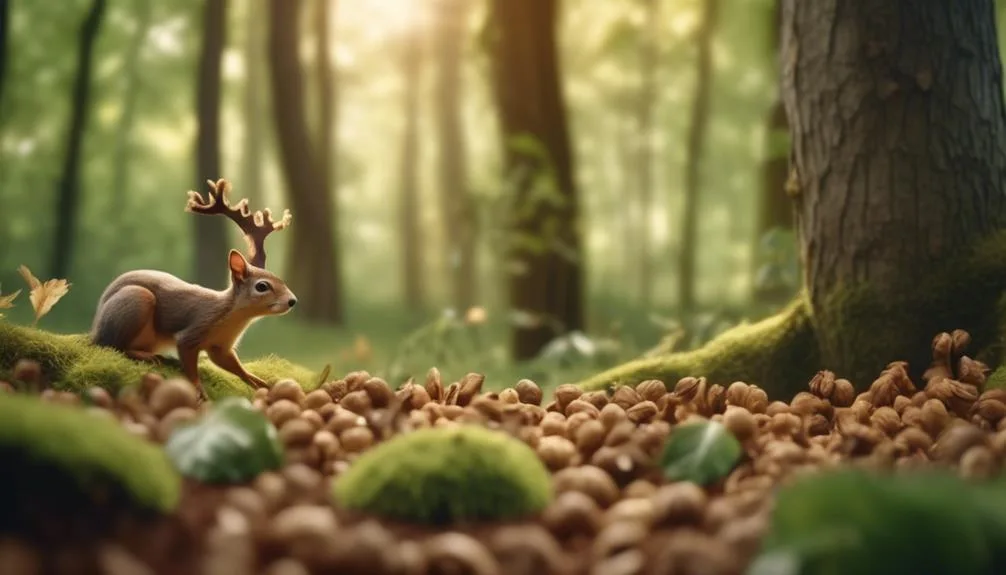
    walnut trees vital wildlife habitat
    Share
    Facebook Twitter LinkedIn Pinterest Telegram Email

    Walnut trees are crucial for the wildlife that depends on them. Their leafy canopies and fallen nuts provide vital support for a variety of creatures.

    Contents show
    1 Key Takeaways
    2 Nutrient-Rich Food Source
    3 Shelter and Nesting Sites
    4 Biodiversity Support
    5 Wildlife Corridors
    6 Ecosystem Contribution
    7 Conclusion

    But why are these trees so important for wildlife? Let's take a look at how walnut trees contribute to the ecosystem and help a wide range of wildlife species.

    Key Takeaways

    • Walnut trees provide a valuable food source and aid in the dispersal of nutrients through their nutrient-rich nuts, benefiting wildlife such as squirrels, woodpeckers, and blue jays.
    • Walnut trees offer shelter and nesting sites for various bird species, squirrels, raccoons, and bats, providing safe spaces for wildlife to raise their young and seek refuge.
    • Walnut trees support biodiversity by creating a rich wildlife habitat with their large canopy, offering shelter, food, and nesting sites for numerous species.
    • Walnut trees contribute to the creation and maintenance of wildlife corridors, facilitating habitat connectivity and animal movement, which is necessary for finding mates, accessing resources, and preventing isolation and vulnerability.

    Nutrient-Rich Food Source

    Walnut trees provide a nutrient-rich food source for a variety of wildlife, making them an essential component of many ecosystems. The nuts, encased in hard shells, are a valuable food source for numerous animals. Squirrels are particularly fond of them, often burying them for later consumption. This behavior actually aids in the dispersal of walnut trees, as the forgotten nuts may sprout new trees.

    Birds like woodpeckers and blue jays also benefit from walnut trees, feeding on the nuts and aiding in the natural propagation of these trees. The nutrient-dense nuts provide essential fats and proteins, supporting the health and energy needs of various wildlife species.

    MUST READ
    How to Properly Water Walnut Trees

    Walnut trees play a crucial role in habitat enrichment, attracting and sustaining a diverse range of animals through their provision of nourishing food.

    Recommended Products
    Audubon Park 13142 Nut & Fruit Snack Stack Bird/Wildlife Food, 1-Pack
    Audubon Park 13142 Nut & Fruit Snack Stack Bird/Wildlife Food, 1-Pack

    Birds' favorite nuts and fruit mixed with millet

    VIEW LATEST PRICE

    As an affiliate, we earn on qualifying purchases.

    Wagner's 62046 Backyard Wildlife Food, 8-Pound Bag
    Wagner's 62046 Backyard Wildlife Food, 8-Pound Bag

    Attracts small backyard animals like rabbits, chipmunks and squirrels

    VIEW LATEST PRICE

    As an affiliate, we earn on qualifying purchases.

    Pennington Ultra Double Nut, Nut & Fruit Blend 10lbs
    Pennington Ultra Double Nut, Nut & Fruit Blend 10lbs

    Made with mixed nuts, 100% real fruits, seeds and grains

    VIEW LATEST PRICE

    As an affiliate, we earn on qualifying purchases.

    Shelter and Nesting Sites

    As you explore the significance of walnut trees for wildlife, it becomes evident that they not only provide a nutrient-rich food source but also serve as vital shelter and nesting sites for a diverse array of animals.

    The dense foliage and sturdy branches of walnut trees offer excellent shelter from predators and harsh weather conditions for various bird species, such as woodpeckers, owls, and nuthatches.

    Additionally, the unique bark patterns and crevices in walnut trees provide ideal nesting sites for squirrels, raccoons, and even some species of bats.

    These trees play a crucial role in habitat enhancement, creating safe spaces for wildlife to raise their young and seek refuge.

    Biodiversity Support

    How do walnut trees contribute to the support of biodiversity in their ecosystems?

    Walnut trees play a crucial role in supporting biodiversity by providing a rich wildlife habitat. The large canopy of walnut trees offers shelter, food, and nesting sites for numerous species, including birds, squirrels, and insects. This diverse array of wildlife relies on the walnut tree for survival, creating a thriving ecosystem.

    MUST READ
    Where to Plant Walnut Trees for Best Nut Production

    Additionally, the fallen leaves, twigs, and nuts from walnut trees contribute to the rich organic matter on the forest floor, supporting a variety of decomposers and soil organisms. The presence of walnut trees enhances species diversity within the ecosystem, promoting a healthy balance and interdependence among different plants and animals.

    As a result, the conservation and proliferation of walnut trees are essential for maintaining and enriching the overall biodiversity of their habitats.

    Recommended Products

    Tree Finder: A Manual for Identification of Trees by their Leaves (Eastern US) (Nature Study Guides)
    Tree Finder: A Manual for Identification of Trees by their Leaves (Eastern US) (Nature Study Guides)

    Wilderness Press Tree Finder Eastern by May Theilgaard Watts - 912550015

    VIEW LATEST PRICE

    As an affiliate, we earn on qualifying purchases.

    3 Pack Shagbark Hickory Trees Live Plants – Dormant Bare Root Seedlings, Hardy Native Hardwood Trees, Fast Growing Outdoor Shade & Wildlife Tree
    3 Pack Shagbark Hickory Trees Live Plants – Dormant Bare Root Seedlings, Hardy Native Hardwood Trees, Fast Growing Outdoor Shade & Wildlife Tree

    Dormant Bare Root for Safe Delivery 🌱 Shipped dormant and soil-free to reduce stress during transit. Arrives ready for planting and strong root establishment.

    VIEW LATEST PRICE

    As an affiliate, we earn on qualifying purchases.

    Wildlife Corridors

    Supporting a diverse array of wildlife, the walnut trees' role extends beyond providing shelter, food, and nesting sites. They also contribute to the creation and maintenance of vital wildlife corridors within their ecosystems.

    Wildlife corridors, also known as habitat corridors or greenways, are essential for habitat connectivity and wildlife movement. They facilitate landscape connectivity, enabling animal migration and the exchange of genetic material between populations.

    Walnut trees play a crucial role in creating these corridors by providing cover and food sources that support the movement of various species. These corridors are like lifelines, allowing animals to travel between different habitats, find mates, and access new resources.

    MUST READ
    Can Walnut Trees Be Grown Indoors

    Without them, wildlife populations can become isolated, leading to reduced genetic diversity and increased vulnerability to environmental changes.

    Ecosystem Contribution

    Contribute to the overall health and balance of the ecosystem, walnut trees play a vital role in providing essential resources for a wide variety of plant and animal species. Their extensive root systems aid in erosion prevention, anchoring soil to prevent runoff and landslides.

    Furthermore, walnut trees contribute to water filtration, absorbing excess nutrients and pollutants from the soil, thus improving water quality. These trees also play a crucial role in carbon sequestration, helping to mitigate climate change by absorbing and storing carbon dioxide from the atmosphere.

    In addition to these benefits, walnut trees support habitat restoration by providing food and shelter for numerous wildlife species, fostering biodiversity and ecological resilience.

    Conclusion

    In appreciating and protecting walnut trees, we not only value their beauty and resources for humans but also recognize their vital role in supporting wildlife.

    These trees provide essential food, shelter, and nesting sites, contributing to biodiversity and healthy ecosystems.

    Let's continue to cherish and safeguard these important trees for the benefit of all the creatures that depend on them.

    Share. Facebook Twitter Pinterest LinkedIn Tumblr Email
    lucy smith
    Lucy Smith
    • Website

    Lucy Smith is a highly experienced horticulturist with a passion for fruit tree cultivation. She holds a degree in Horticulture from the University of California, Davis, and has worked in various roles in the industry. With over 10 years of experience, Lucy is dedicated to using eco-friendly methods for sustainable gardening practices.

    Related Posts

    Why Do Walnut Trees Produce Bitter Walnuts

    February 4, 2024

    Can Walnut Trees Adapt to Climate Change

    February 4, 2024

    Creating a Wildlife Habitat With Walnut Trees

    February 4, 2024

    Where Are Walnut Trees Considered Invasive

    February 4, 2024

    Is Walnut Tree Pollen Allergenic

    February 4, 2024

    Can Walnut Trees Be Used in Traditional Remedies

    February 4, 2024
    Leave A Reply Cancel Reply

    Affiliate Disclosure

    As an Amazon Associate I earn from qualifying purchases.

    Recommended Reading

    How to Wash and Store Blackberries: Expert Tips for Freshness and Flavor

    How to Plant Fruit Tree: A Complete Guide for a Thriving Backyard Orchard

    How to Get My Banana Tree to Bear Fruit: Essential Tips for Thriving Growth and Production

    How Are Grapes Planted: Essential Steps for Successful Grape Growing

    Best Fruit Trees for Baton Rouge, LA: Deep South Growing Secrets

    “Why Don’t Cities Plant Fruit Trees: Exploring Barriers and Solutions for Urban Greening”

    How Long Does Pomegranate Tree Take to Bear Fruit and Tips for Optimal Growth

    What Does a Kiwi Vine Look Like? Discover the Unique Visual Characteristics

    How to Encourage Star Fruit Trees to Bear Fruit

    Top Fruit Trees for Houston TX: Thrive in Subtropical Climate

    Fruit Tree Hub

    Fruit Tree Hub is a website dedicated to providing you everything you need to grow fruit trees successfully at in your own yard.

    Contact us at: [email protected]

    - AFFILIATE DISCLOSURE: As an Amazon Associate I earn from qualifying purchases.

    Latest Posts

    21 Colorful Halloween Crochet Motifs Featuring Pumpkins Bats and Black Cats

    23 Smart Halloween Crochet Ideas to Sell as Keychains and Coasters

    22 Fun Halloween Crochet Ideas Built Around Treat Bags and Hats

    23 Adorable Halloween Amigurumi Ideas Featuring Ghosts and Black Cats

    22 Compact Halloween Crochet Decorations for Shelves and Small Spaces

    19 Practical Halloween Crochet Decorations Designed for Tabletop Displays

    24 Cozy Halloween Crochet Decor Ideas Built Around Mantel Garlands

    19 Playful Kawaii Halloween Crochet Ideas Featuring Smiling Spooky Characters

    Categories
    • Almond Trees
    • Apple Trees
    • Apricot Trees
    • Best Fruit Trees
    • Blackberry
    • Cantaloupe
    • Cherry Trees
    • Crochet Ideas
    • Crochet Ideas for Beginners
    • Cucamelon
    • Easy Crochet Ideas
    • Easy Knitting Projects
    • Fall Crochet Ideas
    • Fig Trees
    • Grapefruit Trees
    • Grapes
    • Guava Trees
    • Halloween Crochet Ideas
    • Honeydew
    • Jujube Trees
    • Kiwi
    • Knitting For Beginners
    • Knitting Ideas
    • Knitting Inspiration
    • Lemon Trees
    • Lime Trees
    • Loquat Trees
    • Mango Trees
    • Mulberry Trees
    • Nectarine Trees
    • Olive Trees
    • Orange Trees
    • Papaya Trees
    • Peach Trees
    • Pear Trees
    • Persimmon Trees
    • Planting
    • Plum Trees
    • Pomegranate Trees
    • Quince Trees
    • Raspberry
    • Reviews
    • Small Crochet Ideas
    • Star Fruit Trees
    • Summer Crochet Ideas
    • Tamarind Trees
    • Tangerine Trees
    • Tips and Advice
    • Tools
    • Uncategorized
    • Walnut Trees
    © 2026 Fruit Tree Hub
    • Home
    • About Us
    • Contact
    • Privacy Policy
    • Terms and Conditions
    • Disclaimer
    • Editorial Policy
    • Affiliate Disclosure

    Type above and press Enter to search. Press Esc to cancel.