
Close Menu
    Fruit Tree Hub
    • Home
    • Apple Trees
    • Lemon Trees
    • Mango Trees
    • Orange Trees
    • More Trees
      • Best Fruit Trees
      • Apricot Trees
      • Cherry Trees
      • Fig Trees
      • Lime Trees
      • Mulberry Trees
      • Peach Trees
      • Pear Trees
      • Plum Trees
      • Pomegranate Trees
    • Tips and Advice
      • Tools
    • About Us
      • Contact
      • Privacy Policy
    Fruit Tree Hub
    Home»Fruit Trees»Olive Trees»Can Olive Trees Thrive in Urban Environments
    Olive Trees

    Can Olive Trees Thrive in Urban Environments

    Lucy SmithBy Lucy SmithJanuary 16, 20245 Mins Read
    Share Facebook Twitter Pinterest WhatsApp Email
    olive trees in urban
    Share
    Facebook Twitter LinkedIn Pinterest Telegram Email

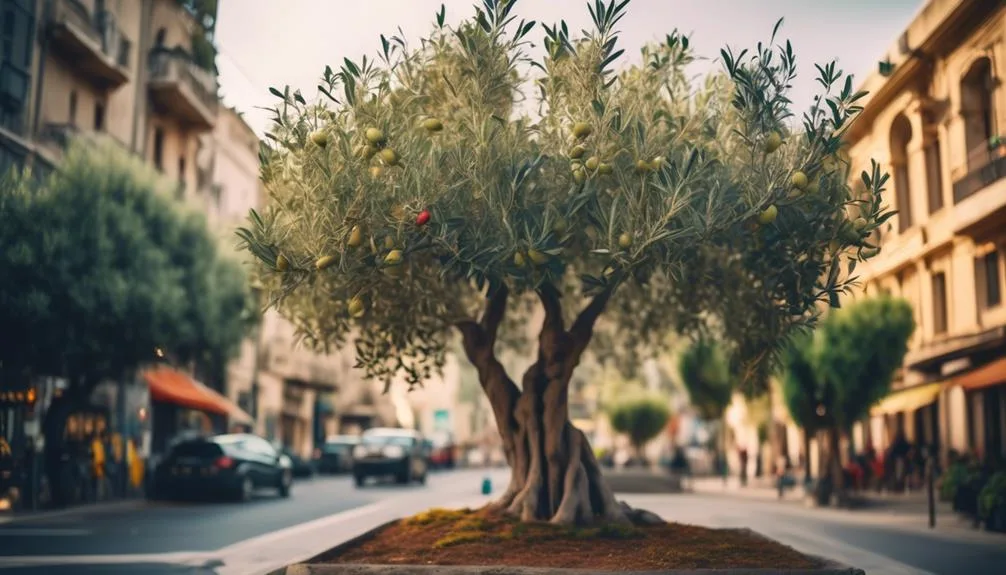
    Olive trees are known for thriving in the countryside, but can they survive in the bustling city? With the right care, these Mediterranean wonders can not only survive but also flourish amidst urban living.

    Contents show
    1 Key Takeaways
    2 Urban Challenges for Olive Trees
    3 Soil and Water Considerations
    4 Climate and Sunlight Requirements
    5 Pruning and Maintenance in Urban Areas
    6 Benefits of Growing Olive Trees in Urban Environments
    7 Conclusion

    How do olive trees adapt to the city, and what benefits do they bring to city dwellers? Let's explore urban olive cultivation and see how these resilient trees can thrive in the midst of skyscrapers and busy streets.

    Key Takeaways

    • Olive trees can face challenges in urban environments due to limited root space, air pollution, restricted sunlight, and harsh conditions.
    • Proper soil composition, good water retention, and efficient water management are important considerations for growing olive trees in urban areas.
    • Olive trees are adaptable to different climates but thrive particularly well in Mediterranean climates, and they require full sunlight for photosynthesis.
    • Regular pruning and maintenance are essential for managing the size and shape of urban olive trees, promoting air circulation and sunlight penetration, and removing dead or diseased branches.

    Urban Challenges for Olive Trees

    In urban environments, olive trees face challenges such as limited root space, air pollution, and restricted sunlight due to surrounding buildings and infrastructure.

    Urban pollution, including vehicle emissions and industrial by-products, can have detrimental effects on the health of olive trees.

    The limited space for root expansion in urban settings can constrain the tree's ability to access essential nutrients and water.

    MUST READ
    Where to Find Ancient Olive Trees Around the World

    Additionally, the shading caused by tall buildings and other structures can lead to reduced sunlight exposure, impacting the tree's photosynthesis process.

    These factors combined create a harsh environment for olive trees in urban areas, requiring careful consideration and management to ensure their survival and optimal growth.

    Understanding these challenges is crucial for implementing strategies to support the health and vitality of olive trees within city landscapes.

    Soil and Water Considerations

    Considering the challenges of limited root space and potential nutrient deficiencies, ensuring proper soil composition and irrigation for urban olive trees is crucial for their health and longevity. When it comes to soil composition, urban environments often feature compacted or poor-quality soil, which can impede olive tree root growth and nutrient uptake. To address this, incorporating well-draining soil with good water retention properties is essential. This will help prevent waterlogging and oxygen deprivation, promoting healthy root development. Additionally, a balanced mix of organic matter can improve soil structure and fertility, aiding in nutrient absorption. For irrigation, efficient water management is key. Providing consistent moisture while avoiding waterlogged conditions is vital for olive tree health. Consider installing drip irrigation systems to deliver water directly to the roots while minimizing water waste.

    Soil CompositionWater Retention
    Well-draining soilConsistent moisture
    Organic matterEfficient irrigation

    Climate and Sunlight Requirements

    To ensure the health and longevity of urban olive trees, it's crucial to address their climate and sunlight requirements, building on the foundation of soil composition and irrigation considerations.

    Urban landscaping presents unique challenges, but olive trees are adaptable and can thrive in a variety of climates. These trees are well-suited for Mediterranean climates, characterized by hot, dry summers and mild, wet winters. However, they're also remarkably resilient and can adapt to different conditions with proper care.

    MUST READ
    Is Olive Tree Bark Used in Traditional Medicine

    When selecting a location for planting, consider the sunlight exposure. Olive trees generally require full sunlight for optimal growth and fruit production. Adequate sunlight is essential for photosynthesis and fruit ripening.

    With the right climate adaptation and attention to sunlight needs, urban olive trees can become striking additions to the cityscape.

    Pruning and Maintenance in Urban Areas

    For thriving urban olive trees, regular pruning and maintenance are essential to ensure their health and aesthetic appeal. Urban pruning plays a crucial role in managing the size and shape of olive trees, preventing them from obstructing walkways or buildings. It also promotes better air circulation and sunlight penetration, reducing the risk of disease in urban environments.

    By removing dead or diseased branches, you can enhance the overall health and vigor of the tree. Additionally, regular maintenance, such as watering, mulching, and fertilizing, is vital for sustaining the tree's well-being amidst the urban setting. Proper care not only supports the tree's growth and resilience but also contributes to a more welcoming and visually pleasing urban landscape.

    Recommended Products

    Fiskars Bypass Pruning Shears, 5/8" Cut Capacity Gardening Scissors, Self-Cleaning Sap Groove Prevents Sticking, Non-Slip Grip for Cutting Stems & Branches, Sharp Steel Blades w/ Low-Friction Coating
    Fiskars Bypass Pruning Shears, 5/8" Cut Capacity Gardening Scissors, Self-Cleaning Sap Groove Prevents Sticking, Non-Slip Grip for Cutting Stems & Branches, Sharp Steel Blades w/ Low-Friction Coating

    CLEAN CUTS FOR LIVE GROWTH: Bypass blade design is ideal for pruning delicate flower stems and green growth, helping reduce crushing and plant damage while cutting stems and small branches up to 5/8” in diameter

    VIEW LATEST PRICE

    As an affiliate, we earn on qualifying purchases.

    DECERK® 8.5" Professional Pruning Shears - Cuts 4X Easier with Ultra Sharp Japanese Steel Titanium Blade, Arthritis Friendly Garden Scissors & Plant Clippers, Effortlessly Prunes 3/4" Branches
    DECERK® 8.5" Professional Pruning Shears - Cuts 4X Easier with Ultra Sharp Japanese Steel Titanium Blade, Arthritis Friendly Garden Scissors & Plant Clippers, Effortlessly Prunes 3/4" Branches

    Unbreakable sharpness! Japanese SK5 steel blade with titanium coating endures 100,000 cuts. Built for lifelong clean cuts

    MUST READ
    Are Olive Trees Resistant to Drought
    VIEW LATEST PRICE

    As an affiliate, we earn on qualifying purchases.

    VOTREK® Pruning Shears, 8.5” Professional Garden Pruner with Jam-Proof Spring & Ever-Sharp SK5 Blade, Ergonomic Bypass Clippers for Rose, Tree Trimming, Heavy Duty Bonsai Scissor for Weak Hand
    VOTREK® Pruning Shears, 8.5” Professional Garden Pruner with Jam-Proof Spring & Ever-Sharp SK5 Blade, Ergonomic Bypass Clippers for Rose, Tree Trimming, Heavy Duty Bonsai Scissor for Weak Hand

    What Makes VT-C800 Unique? Jam-Proof Sealed Spring | Ever-Sharp Dual-Coated SK5 Blades | Easy Thumb Lock | Backed by Lifetime Support

    VIEW LATEST PRICE

    As an affiliate, we earn on qualifying purchases.

    Benefits of Growing Olive Trees in Urban Environments

    In urban environments, cultivating olive trees offers numerous benefits, enhancing the surroundings with their vibrant foliage and providing a source of locally grown, sustainable produce.

    The economic benefits and environmental impact of growing olive trees in urban areas are significant:

    • Economic Benefits
    • Olive oil production creates job opportunities.
    • Locally grown olives support the economy.
    • Olive trees enhance property value.
    • Environmental Impact
    • They improve air quality by absorbing pollutants.
    • Olive trees contribute to urban biodiversity.

    Conclusion

    Incorporating olive trees into urban environments isn't only feasible but also beneficial. By addressing soil, water, climate, and sunlight needs, and with proper maintenance, olive trees can thrive in the city, providing beauty, shade, and delicious olives.

    Their presence contributes to a greener urban landscape, offering both aesthetic and practical advantages. Consider the impact of introducing olive trees to your city, and reap the rewards of their resilience and productivity.

    Share. Facebook Twitter Pinterest LinkedIn Tumblr Email
    lucy smith
    Lucy Smith
    • Website

    Lucy Smith is a highly experienced horticulturist with a passion for fruit tree cultivation. She holds a degree in Horticulture from the University of California, Davis, and has worked in various roles in the industry. With over 10 years of experience, Lucy is dedicated to using eco-friendly methods for sustainable gardening practices.

    Related Posts

    Why Do Olive Trees Symbolize Peace

    January 20, 2024

    Can Olive Trees Adapt to Climate Change

    January 20, 2024

    Creating a Wildlife Habitat With Olive Trees

    January 20, 2024

    Where Are Olive Trees Considered Invasive

    January 20, 2024

    Is Olive Tree Pollen Allergenic

    January 20, 2024

    Can Olive Trees Be Used in Traditional Remedies

    January 20, 2024
    Leave A Reply Cancel Reply

    Affiliate Disclosure

    As an Amazon Associate I earn from qualifying purchases.

    Recommended Reading

    Can Nectarine Trees Grow in New Jersey? Garden State Growth Tips

    How Often to Water Fruit Trees After Planting for Healthy Growth and Abundant Harvests

    When Do Lime Trees Produce Fruit: Essential Tips for Healthy Growth and Harvesting

    Why Do Guava Trees Require Regular Fertilization

    Is It Safe to Spray Roundup Around Fruit Trees: Essential Tips for Gardeners and Alternatives

    Are brown turkey fig trees deciduous?

    How Tall Does a Rio Red Grapefruit Tree Grow? Comparing Heights of Citrus Varieties for Backyard Gardens

    How to Grow Fruit Trees at Home: Essential Tips for a Thriving Backyard Orchard

    When to Prune Stone Fruit Trees in California for Optimal Growth and Fruit Quality

    When to Apply Copper Fungicide to Fruit Trees for Optimal Disease Prevention and Health

    Fruit Tree Hub

    Fruit Tree Hub is a website dedicated to providing you everything you need to grow fruit trees successfully at in your own yard.

    Contact us at: [email protected]

    - AFFILIATE DISCLOSURE: As an Amazon Associate I earn from qualifying purchases.

    Latest Posts

    Can Olive Trees Grow in New Jersey? Garden State Growth Tips

    Can Star Fruit Trees Grow in Missouri? Expert Variety Guide

    How to Grow Jujube Trees in Las Vegas, NV: Desert Growth

    Mango Trees in Illinois: Indoor and Greenhouse Growth Secrets

    Growing Papaya Trees in Oklahoma: High Heat Resilience

    Tamarind Trees in a Pot in Ohio (Complete Maintenance Manual)

    Can Fig Trees Grow in Long Beach, CA? Coastal Salt Tips

    Plum Trees in District of Columbia (Urban Microclimate Tips)

    Categories
    • Almond Trees
    • Apple Trees
    • Apricot Trees
    • Best Fruit Trees
    • Blackberry
    • Cantaloupe
    • Cherry Trees
    • Crochet Ideas
    • Crochet Ideas for Beginners
    • Cucamelon
    • Easy Crochet Ideas
    • Easy Knitting Projects
    • Fig Trees
    • Grapefruit Trees
    • Grapes
    • Guava Trees
    • Honeydew
    • Jujube Trees
    • Kiwi
    • Knitting For Beginners
    • Knitting Ideas
    • Knitting Inspiration
    • Lemon Trees
    • Lime Trees
    • Loquat Trees
    • Mango Trees
    • Mulberry Trees
    • Nectarine Trees
    • Olive Trees
    • Orange Trees
    • Papaya Trees
    • Peach Trees
    • Pear Trees
    • Persimmon Trees
    • Planting
    • Plum Trees
    • Pomegranate Trees
    • Quince Trees
    • Raspberry
    • Reviews
    • Small Crochet Ideas
    • Star Fruit Trees
    • Summer Crochet Ideas
    • Tamarind Trees
    • Tangerine Trees
    • Tips and Advice
    • Tools
    • Uncategorized
    • Walnut Trees
    © 2026 Fruit Tree Hub
    • Home
    • About Us
    • Contact
    • Privacy Policy
    • Terms and Conditions
    • Disclaimer
    • Editorial Policy
    • Affiliate Disclosure

    Type above and press Enter to search. Press Esc to cancel.