

Plum trees can thrive in Alabama with the right care and conditions. Understanding the regional climate and soil requirements is essential for successful cultivation and harvesting.
Alabama Climate Impact on Plum Growth
Alabama’s diverse climate plays a crucial role in the successful cultivation of plum trees. Understanding the state’s temperature variations, humidity levels, and seasonal changes is essential for gardeners looking to optimize their plum harvests. This section delves into how these climatic factors influence plum growth and fruit production in Alabama.
Alabama’s climate varies across regions, impacting the growth of plum trees. The state experiences a humid subtropical climate with hot summers and mild winters. Plum trees generally prefer well-drained soil and full sun exposure.
Consider these climate factors when planting:
Average temperatures
Frost dates
Humidity levels
These elements will determine the best plum tree varieties for your area.
Best Plum Tree Varieties for Alabama
When selecting plum trees for Alabama’s unique climate and soil conditions, it’s essential to choose varieties that thrive in the region. The right plum trees not only enhance local gardens but also contribute to successful harvests. This section explores the best plum tree varieties suited for Alabama, ensuring optimal growth and fruit production.
Selecting the appropriate plum tree variety is crucial for successful growth in Alabama. Some varieties are better suited for the region’s climate and soil conditions.
Consider these popular plum tree varieties:
Methley: A Japanese variety known for its sweet fruit and self-pollination.
Santa Rosa: Another Japanese type, it produces large, flavorful plums.
Satsuma: This variety is hardy and thrives in warmer climates.
Each variety has unique characteristics that can influence your harvest.
| Variety | Type | Pollination Requirement | Flavor Profile |
|---|---|---|---|
| Methley | Japanese | Self-pollinating | Sweet |
| Santa Rosa | Japanese | Requires pollinator | Tart and sweet |
| Satsuma | Japanese | Self-pollinating | Sweet and juicy |
Recommended Products

10 Premium Plum Tree Seeds: Grow your own plum trees from our special collection of 10 premium seeds. Experience the rewarding process of cultivating these fruit-bearing trees that will provide delicious, sweet plums for years to come.

No ship to CA, Comes with a live green June plum plant, approximately 2 to 3 feet tall

These are ready to plant and should be put in the ground according to the included instructions upon arrival. All pictures are of fully grown plants. Sizes shipped are in the title and description. Deciduous plants do not have leaves in the winter.
Soil Quality for Plum Tree Growth
Understanding soil quality is crucial for successfully growing plum trees in Alabama. The right soil conditions can significantly impact tree health, fruit production, and overall yield. This section delves into the specific soil characteristics that promote optimal growth for plum trees in the region.
Soil quality significantly affects the growth of plum trees. Proper soil preparation promotes healthy root development and fruit production.
Follow these steps for optimal soil preparation:
Test soil pH: Aim for a pH between 6.0 and 7.0.
Amend soil: Add organic matter like compost to improve drainage and nutrients.
Ensure drainage: Avoid areas with standing water to prevent root rot.
Healthy soil is the foundation for a fruitful plum harvest.
Plum Tree Watering and Fertilization Techniques
Proper watering and fertilization are crucial for the successful growth of plum trees in Alabama’s unique climate. Understanding the specific needs of these trees can enhance fruit quality and yield. This section delves into effective techniques to ensure your plum trees thrive in regional conditions.
Effective watering and fertilization practices are vital for plum tree health. Over- or under-watering can lead to poor fruit quality.
Implement these strategies:
Water deeply: Provide 1-2 inches of water weekly during dry spells.
Use mulch: Apply a 2-3 inch layer of mulch to retain moisture and suppress weeds.
Fertilize: Use a balanced fertilizer in early spring to promote growth.
Regular monitoring of moisture levels will help maintain optimal conditions.
Recommended Products
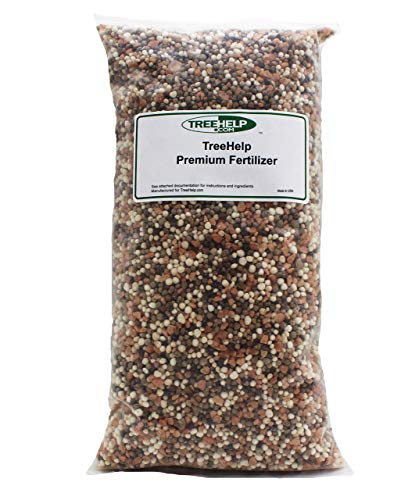

Down to Earth Fruit Tree is a five pound box of all natural fertilizer with 6-2-4 formula and is listed by the Organic Materials Review Institute (OMRI) for use in organic production

Let our professionally formulated plant food help your fruit tree grow healthy, strong AND abundantly producing
Plum Tree Pest and Disease Control
Maintaining the health of plum trees in Alabama requires vigilance against various pests and diseases that can threaten their growth and fruit production. Understanding the specific challenges faced in this region is essential for effective management. This section delves into common issues and offers practical strategies for safeguarding your plum trees against potential threats.
Pests and diseases can threaten plum tree health and yield. Identifying and managing these issues is essential for a successful harvest.
Be aware of these common pests and diseases:
Aphids: Small insects that suck sap and weaken trees.
Brown rot: A fungal disease that affects fruit.
Plum curculio: A beetle that damages fruit and leaves.
Use integrated pest management techniques to minimize damage.
| Pest/Disease | Symptoms | Control Measures |
|---|---|---|
| Aphids | Curling leaves | Insecticidal soap or neem oil |
| Brown rot | Rotting fruit | Remove infected fruit and spray fungicide |
| Plum curculio | Holes in fruit | Handpicking and insect traps |
Recommended Products

3-in-1 FORMULA: Aphid spray for outdoor plants for use on roses, flowers, shrubs and trees to control listed insects, disease and mites

3-IN-1 PLANT CARE: 3-In-1 Insect, Disease & Mite Control is insect control, disease control, and plant mite control all in on; Delivers protection for up to 14 days
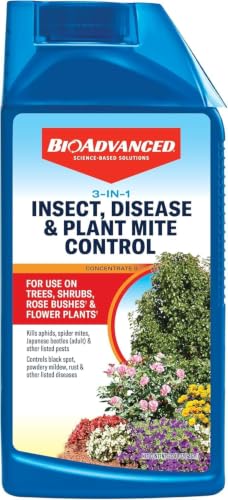
3-IN-1 PLANT CARE: 3-in-1 formula provides insect control, disease control, and mite control in one solution; Delivers protection for up to 14 days
Plum Harvesting Methods for Optimal Quality
Understanding the best harvesting methods is crucial for maximizing the quality of plums in Alabama’s unique climate. This section explores various techniques that can enhance yield and flavor, ensuring that growers can enjoy the full potential of their plum trees. By implementing these methods, farmers can achieve a successful and bountiful harvest.
Proper harvesting techniques ensure the best quality fruit from your plum trees. Timing and method are crucial for maximizing yield.
Follow these guidelines for harvesting:
Harvest at peak ripeness: Plums should be slightly soft to the touch.
Use clean tools: Sanitize pruning shears to prevent disease spread.
Handle gently: Avoid bruising the fruit during collection.
These practices will help you enjoy a bountiful harvest.
Year-Round Plum Tree Care Techniques
Caring for plum trees in Alabama requires a tailored approach to ensure healthy growth and fruitful harvests. Understanding the unique climate and soil conditions of the region is essential for successful year-round maintenance. This section explores effective techniques that will help you nurture your plum trees throughout every season.
Seasonal care is essential for maintaining healthy plum trees throughout the year. Different seasons require specific attention to ensure tree vitality.
Consider these seasonal care tips:
Spring: Prune trees to promote airflow and remove dead branches.
Summer: Monitor for pests and ensure adequate watering.
Fall: Clean up fallen fruit and leaves to prevent disease.
Winter: Protect young trees with mulch to insulate roots.
Regular seasonal maintenance will enhance tree resilience and fruit production.
