

Growing persimmon trees in Wyoming requires careful attention to high elevation conditions. Selecting the right cultivar and implementing specific growth strategies can significantly enhance success rates in this challenging environment.
Best Persimmon Cultivars for Wyoming Elevations
Selecting the right persimmon cultivars is crucial for successful growth in Wyoming’s high elevations. These varieties are specifically adapted to withstand the unique climate and soil conditions of the region, ensuring better fruit production and tree health. Understanding which cultivars thrive in this environment will help gardeners maximize their efforts and enjoy the rewards of homegrown persimmons.
Choosing the appropriate persimmon cultivar is crucial for thriving growth in Wyoming’s high elevations. Some varieties are more tolerant of cold temperatures and can withstand the unique stressors of this region.
Consider these cultivars:
American Persimmon: Hardy and adaptable, it can survive in USDA zones 4-9.
Fuyu Persimmon: A non-astringent variety that ripens early and is well-suited for cooler climates.
Danja Persimmon: Known for its cold hardiness and sweet fruit.
| Cultivar | Hardiness Zone | Ripening Time | Flavor Profile |
|---|---|---|---|
| American | 4-9 | Late Fall | Sweet |
| Fuyu | 5-9 | Early Fall | Non-astringent |
| Danja | 4-9 | Late Fall | Sweet |
Recommended Products
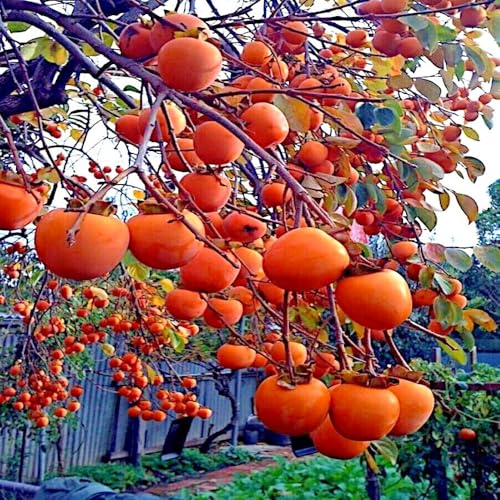
Cold Hardiness: Cold hardy Diospyros seeds survive temperatures down to 10°F once established; Suitable for growing in USDA zones 7-10; More tolerant of temperature fluctuations than many other fruit trees

Persimmon tree adds edible fruit, seasonal foliage, and natural beauty to home gardens and outdoor landscapes

PRODUCT IMAGE DISCLAIMER: The main image is for reference only. The plant you receive may not look exactly the same as shown in the first image
Soil Preparation for Persimmon Cultivation
Preparing the right soil is crucial for successfully growing persimmon trees in Wyoming’s high elevation. The unique climate and soil conditions require careful consideration to ensure optimal growth and fruit production. This section will explore essential soil preparation techniques tailored to the specific needs of persimmons in this challenging environment.
Proper soil preparation is essential for successful persimmon cultivation. High elevation soils may be rocky and less fertile, which can affect root development and nutrient uptake.
Follow these steps for optimal soil preparation:
Test Soil pH: Aim for a pH between 6.0 and 7.5.
Amend Soil: Incorporate organic matter such as compost or well-rotted manure to improve fertility.
Ensure Drainage: Create raised beds if necessary to prevent waterlogging.
Soil Enhancements for Persimmon Growth
To successfully cultivate persimmon trees in Wyoming’s high elevations, understanding the soil’s role is essential. Enhancing soil quality can significantly impact tree health and fruit production. This section explores effective strategies for improving soil conditions to support robust persimmon growth in challenging environments.
Soil amendments can greatly enhance the growth potential of persimmon trees. Regularly adding specific nutrients will support healthy development.
Consider these amendments:
Bone Meal: Provides phosphorus for root development.
Kelp Meal: Supplies trace minerals and promotes overall health.
Compost: Enhances soil structure and fertility.
Water Management Strategies for Persimmon Trees
Effective water management is crucial for the successful growth of persimmon trees in Wyoming’s high elevation climate. Given the unique challenges posed by altitude and varying precipitation levels, implementing targeted irrigation techniques can significantly enhance tree health and fruit production. This section explores essential strategies to ensure your persimmon trees receive the right amount of water throughout their growth cycle.
Water management is critical for persimmon trees in Wyoming. High elevation can lead to rapid evaporation and dry conditions, impacting tree health.
Implement these watering techniques:
Deep Watering: Water deeply and less frequently to encourage deep root growth.
Mulching: Apply a layer of mulch around the base to retain moisture and regulate soil temperature.
Irrigation Systems: Consider drip irrigation for efficient water delivery.
Recommended Products
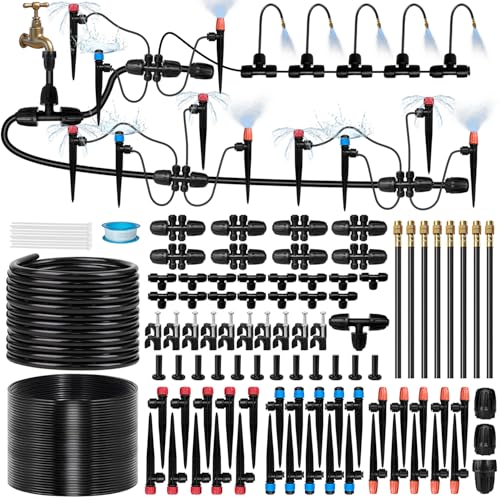
【Upgraded Tube Design & Water Saving】 Our garden watering system is upgraded to 1/2” diameter to support high water pressure. The 1/2” tee connector allows seamless splitting into 2 independent zones for customized watering schedules. By delivering moisture directly to root zones, this drip Irrigation system significantly reduces evaporation and runoff—saving more water compared to conventional sprinklers while eliminating the need for manual watering.

NO MORE HARD INSTALLATION - SET UP IN MINUTES. Tired of struggling with stiff barbed fittings? This drip irrigation system features quick-connect fittings that let you push, lock, and secure tubing effortlessly. No tools, no leaks, just a smooth setup experience. Enjoy a frustration-free installation and get your garden watering system running in minutes.

🍀【Extra-Long 50FT 5/16” Mainline Tubing】 With 50 feet of premium 5/16” main tubing, you have more flexibility to build a central watering path across larger garden layouts. The enhanced flow capacity supports multiple emitters with consistent water pressure throughout your irrigation zones.
Soil Moisture Management Techniques
Effective soil moisture management is crucial for successfully growing persimmon trees in Wyoming’s challenging high-elevation environment. Understanding how to maintain optimal moisture levels can significantly influence tree health and fruit production. This section explores practical techniques to ensure your persimmon trees thrive despite the region’s variable climate conditions.
Regularly check soil moisture levels to ensure trees receive adequate hydration. Use these methods:
Soil Moisture Meter: Provides accurate readings of moisture levels.
Finger Test: Insert a finger into the soil; if it feels dry an inch down, it’s time to water.
Extreme Weather Protection for Persimmon Trees
Growing persimmon trees in Wyoming presents unique challenges, particularly due to the region’s extreme weather conditions. Effective protection strategies are essential to ensure these trees thrive despite harsh temperatures and unpredictable storms. Understanding how to shield persimmons from the elements can significantly enhance their chances of successful growth in high elevation areas.
High elevation regions often experience extreme weather conditions that can stress persimmon trees. Implementing protective measures can mitigate damage.
Consider these strategies:
Windbreaks: Plant shrubs or trees to shield persimmons from harsh winds.
Frost Covers: Use frost cloths during unexpected cold snaps to protect young trees.
Pruning: Regularly prune to improve air circulation and reduce disease risk.
Persimmon Tree Seasonal Care Essentials
Caring for persimmon trees in Wyoming’s unique climate requires a keen understanding of seasonal needs. From spring growth to winter dormancy, each season presents specific challenges and opportunities for these trees. This section outlines essential care tips to ensure healthy growth and fruit production throughout the year.
Seasonal care is vital for maintaining healthy persimmon trees. Focus on these key tasks:
Spring Fertilization: Apply a balanced fertilizer as buds begin to swell.
Summer Pruning: Remove any dead or diseased branches to promote growth.
Fall Cleanup: Clear fallen leaves and debris to prevent pests and diseases.
Optimal Persimmon Harvesting and Storage Techniques
Harvesting persimmons at the right time is crucial for maximizing flavor and quality, especially in Wyoming’s unique climate. Understanding the optimal techniques for both harvesting and storage can significantly extend the fruit’s shelf life and enhance its taste, ensuring that you enjoy the fruits of your labor long after the growing season ends.
Harvesting persimmons at the right time ensures optimal flavor and texture. Understanding when to pick and how to store them can enhance the fruit’s quality.
Follow these harvesting guidelines:
Timing: Harvest when fruits are fully colored and slightly soft.
Gentle Handling: Avoid bruising by handling fruits carefully.
Storage: Store in a cool, dry place or refrigerate to extend shelf life.
Optimal Ripening Methods for Persimmons
Understanding the optimal ripening methods for persimmons is crucial for successful cultivation in Wyoming’s unique high elevation climate. This section will explore various techniques that enhance fruit quality and ensure that your persimmons reach their full flavor potential, taking into account the specific challenges posed by the region’s conditions.
If persimmons are harvested too early, they may need additional ripening. Use these techniques:
Room Temperature: Allow fruits to ripen at room temperature for a few days.
Ethylene Gas: Place them in a paper bag with an apple to speed up the ripening process.
High Elevation Persimmon Cultivation Strategies
Cultivating persimmon trees in Wyoming’s high elevations presents unique challenges due to the region’s climate and soil conditions. Understanding specific strategies for successful growth is essential for gardeners looking to thrive in these environments. This section delves into effective techniques tailored to enhance the cultivation of persimmons at higher altitudes.
Growing persimmons in Wyoming’s high elevation requires attention to soil, moisture, and protection from extreme weather. Implementing these strategies will enhance growth and yield quality fruit.
